


Primary sourceDocument1914
Simla Convention
1914
A 1914 treaty on Tibet's status that Yuan Shikai's government initialled but refused to sign, showing his weak control over China's frontiers.
Yuan's government initialled but refused to ratify this treaty, showing his weak hold over Tibet and the frontiers.
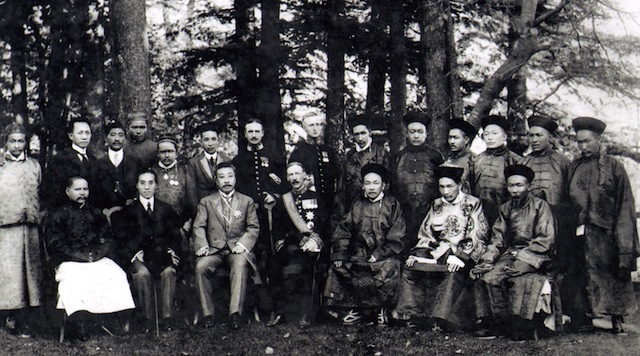
About this source
What it is
The Simla Convention was a treaty on the status of Tibet negotiated by representatives of the Republic of China, Tibet, and Great Britain at Simla and Delhi in 1913–1914. A draft was initialled by all three parties in April 1914, but China immediately repudiated it, and the Chinese representative Ivan Chen declined to sign the final version in July 1914.
Why it matters
The convention would have divided Tibet into zones with different levels of Chinese authority and set the India-Tibet boundary later known as the McMahon Line. China's refusal to ratify it, under Yuan Shikai's presidency, reveals how limited his government's power was over former Qing territories amid British and Russian pressure.
Look closer
- Why might China's representative have refused to sign after initialling the draft?
- What does this episode suggest about the strength of the new Republic compared to the old Qing empire?
- Who is missing from the photograph of the conference, and whose interests might that reflect?
This document is part of the curated material that grounds the AI version of Yuan Shikai on Humy.ai — when students ask about related events, the AI can quote it and cite it.
More Yuan Shikai sources
Browse all 84 →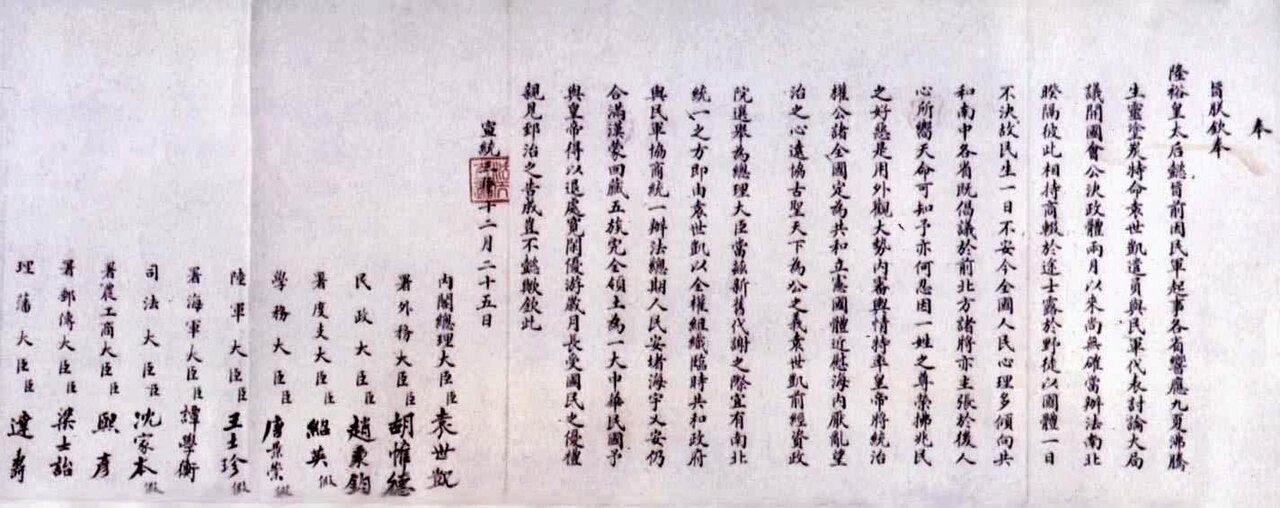 Document
Primary source
Imperial Edict of the Abdication of the Qing Emperor
Empress Dowager Longyu · 12 February 1912
 Document
Primary source
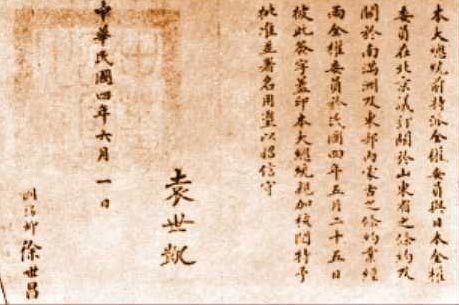
Twenty-One Demands
Empire of Japan · 18 January 1915
 Photograph
Primary source
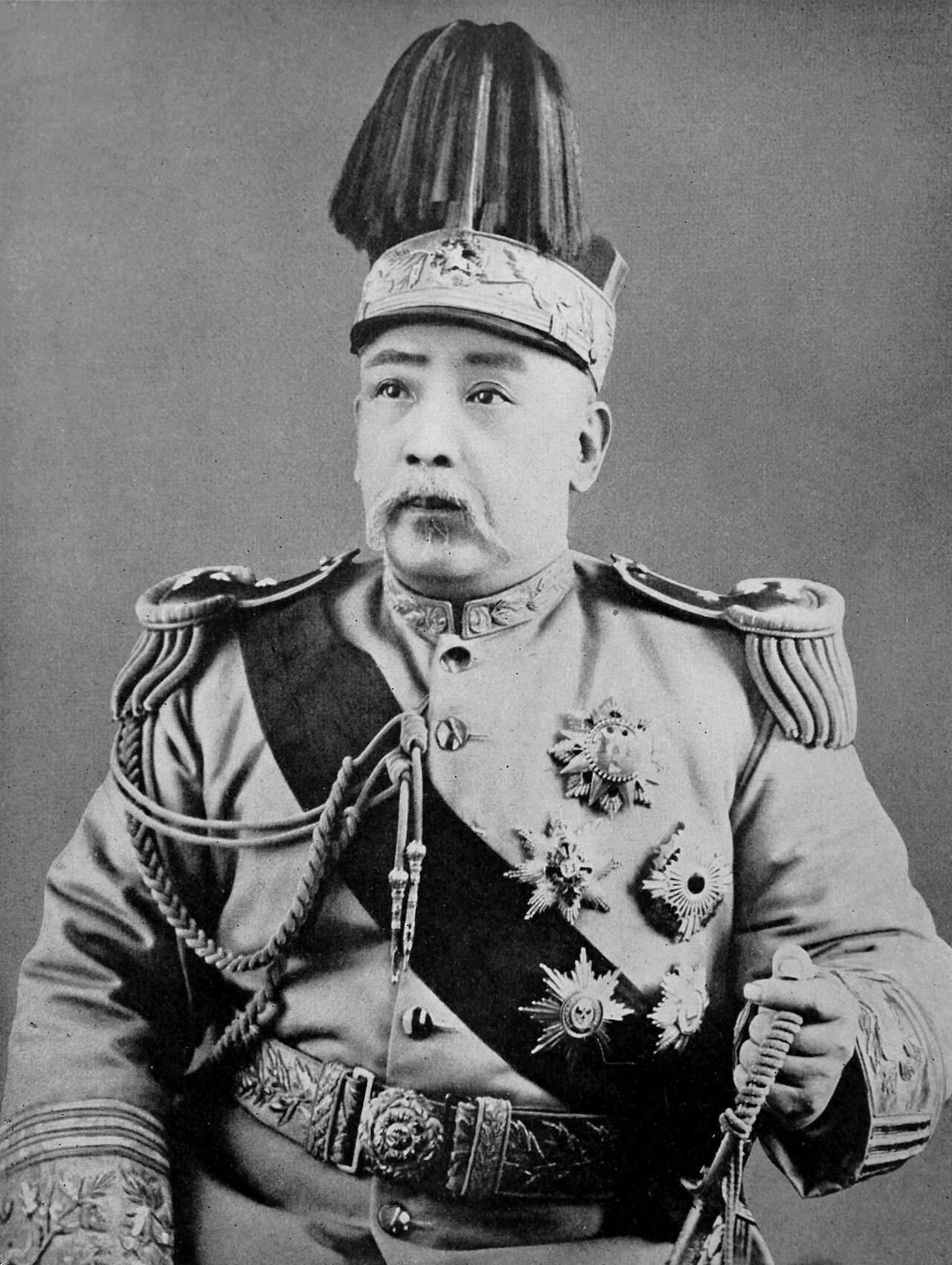
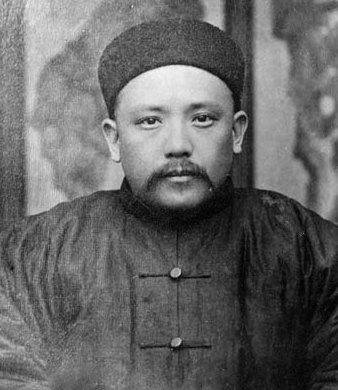
Portrait of Yuan Shikai
1915
 Artifact
Primary source
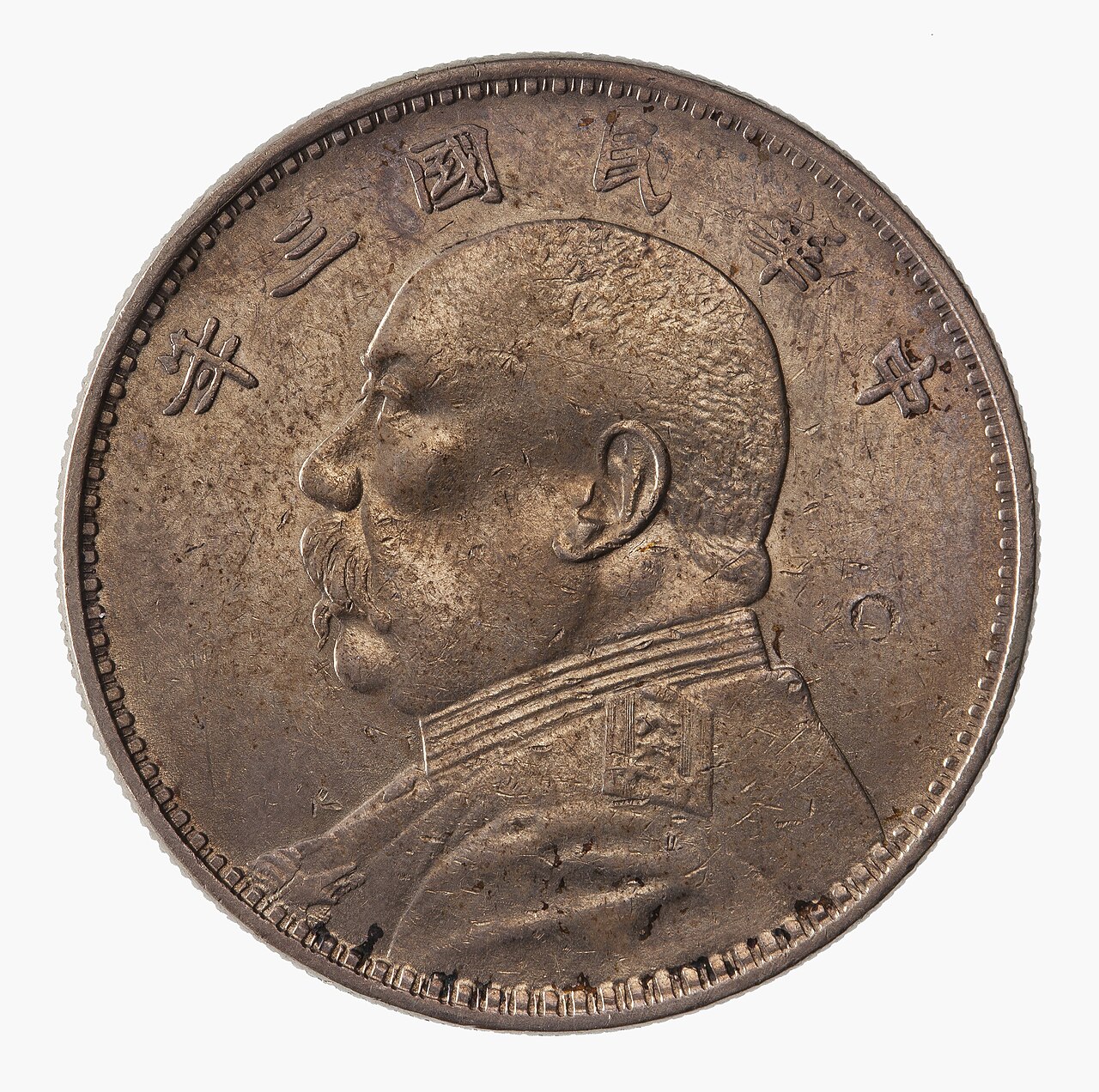
Yuan Shikai dollar
Luigi Giorgi · 1914
Free account
Read every Yuan Shikai source
Sign up free →
Ready when you are
Start chatting with Yuan Shikai now.
20 messages free · No credit card · Available in 50+ languages.