


Primary sourcePainting17th century AH/AD (mid 11th century AH)
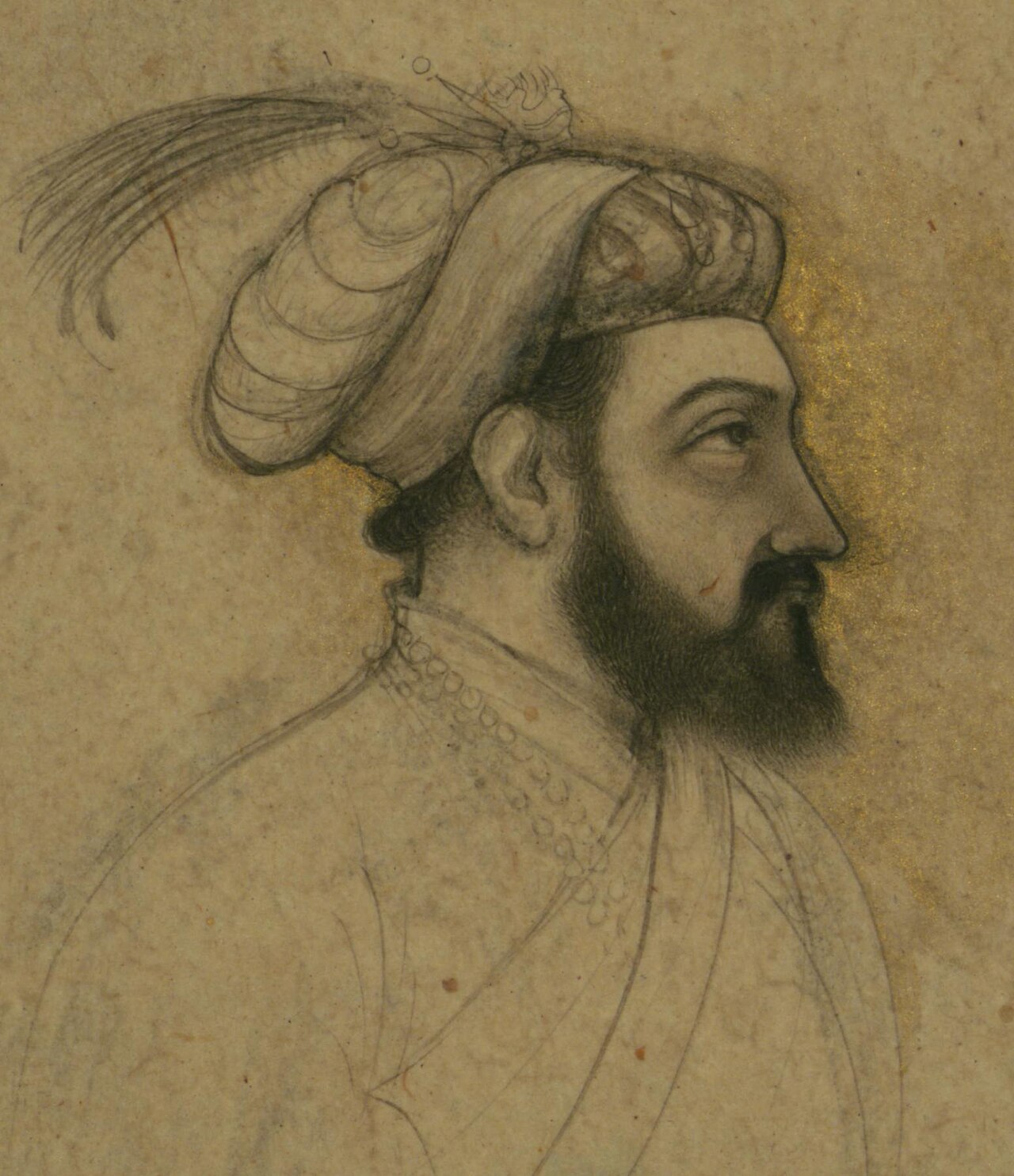
Single Leaf with a Portrait of Shah Jahan
17th century AH/AD (mid 11th century AH)
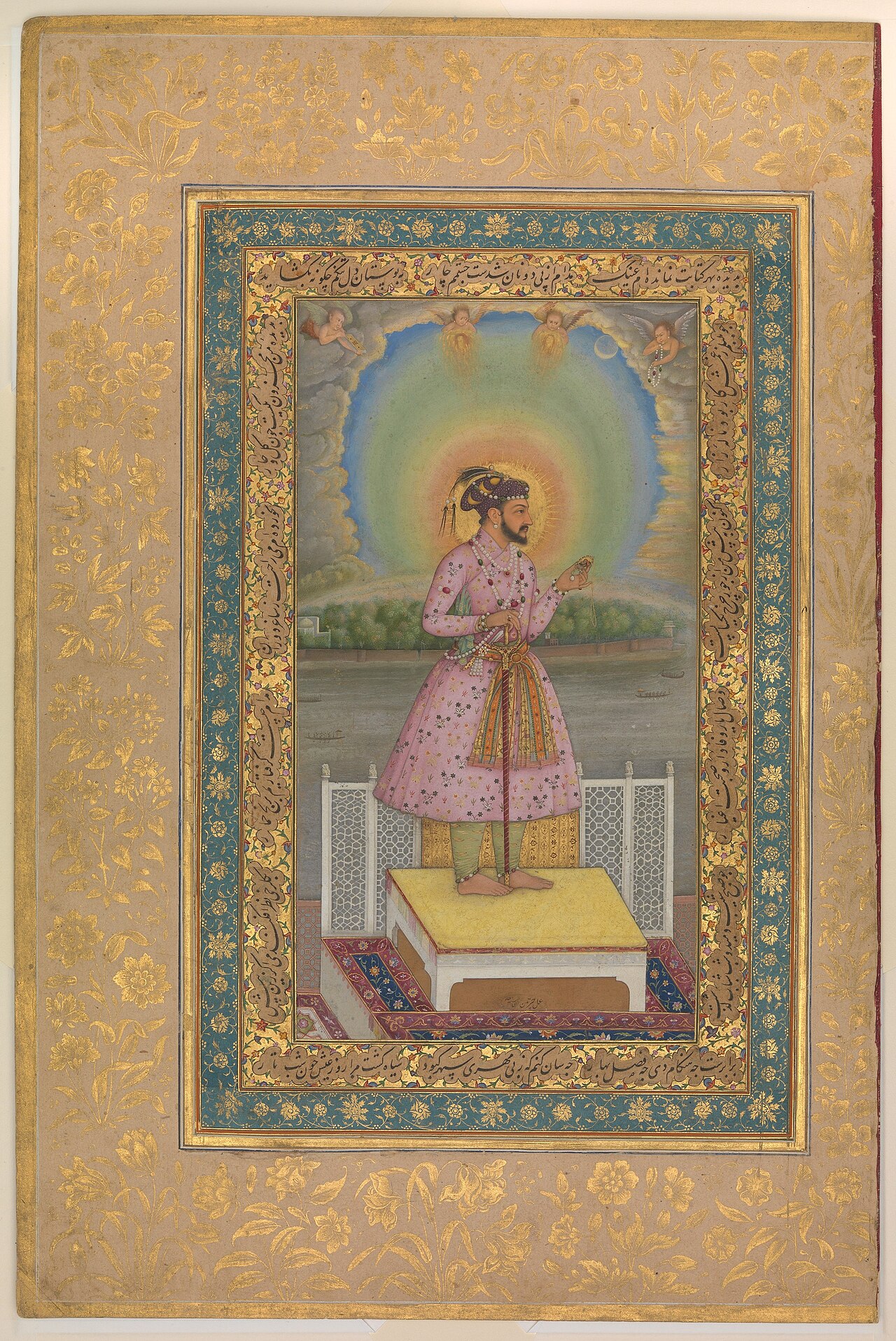
A small seventeenth-century drawing portrait of Shah Jahan from a manuscript leaf in the Walters collection.
A seventeenth-century portrait drawing of Shah Jahan, made during his lifetime.
About this source
What it is
This small drawing, a single leaf from a manuscript now called Walters W.700, is a profile portrait of Shah Jahan, the fifth Mughal emperor. It dates from the seventeenth century and is bordered with gold-sprinkled paper.
Why it matters
Portrait drawings like this were part of a Mughal tradition of careful, lifelike depictions of rulers, often made as studies or kept in albums. They let us see how artists of the time represented the emperor's appearance, separate from the grander ceremonial scenes found in illustrated chronicles.
Look closer
- What details does the artist use to show the emperor's status, even in a simple drawing?
- Why might a drawing like this have been made, compared to a full court painting?
- What can and can't a single portrait drawing tell us about a ruler's life?
This painting is part of the curated material that grounds the AI version of Shah Jahan on Humy.ai — when students ask about related events, the AI can quote it and cite it.
More Shah Jahan sources
Browse all 99 →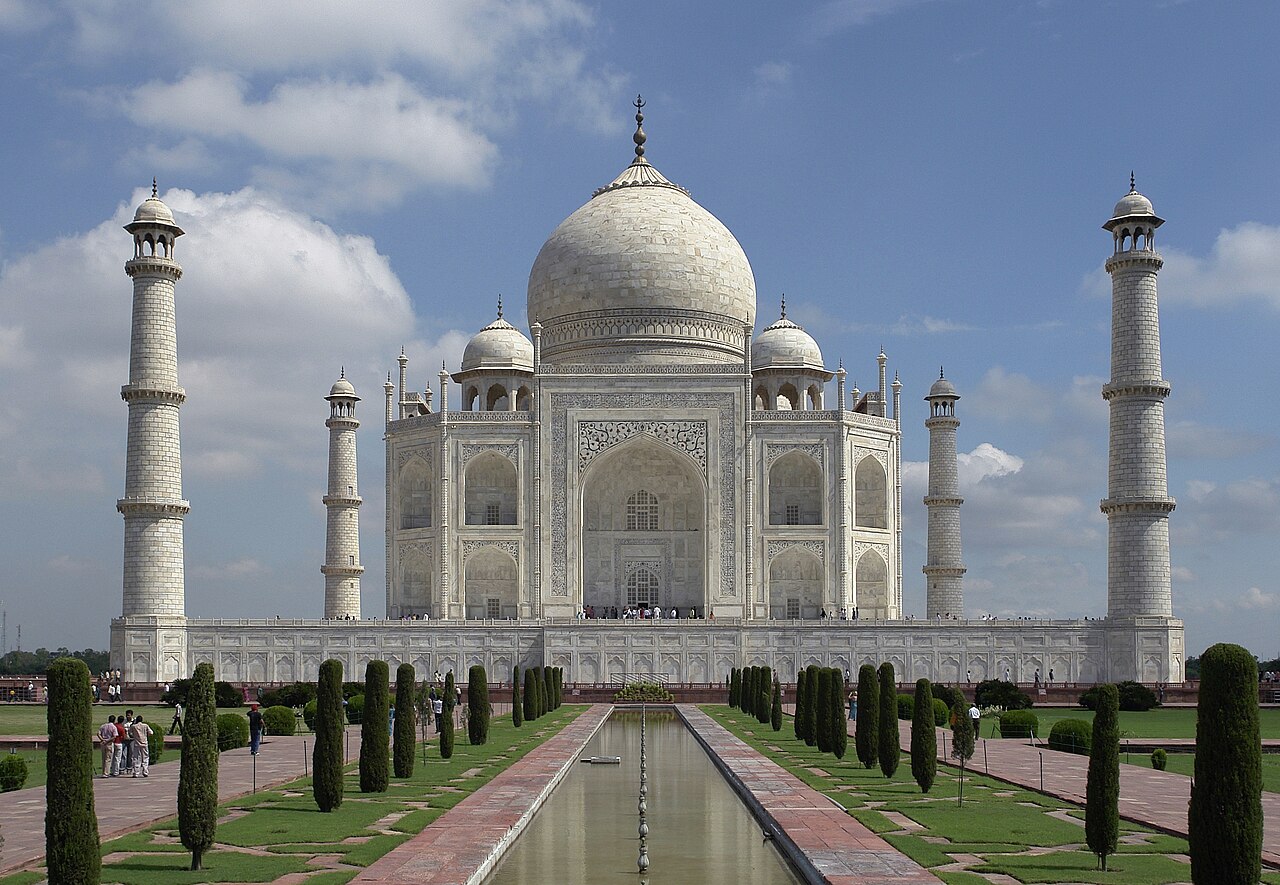 Artifact
Primary source
Taj Mahal
Ustad Ahmad Lahori · 1631-1653
 Book
Primary source
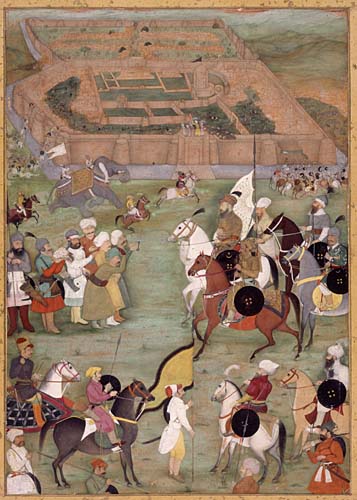
Padshahnama
Abdul Hamid Lahori · 1630-1657
 Artifact
Primary source
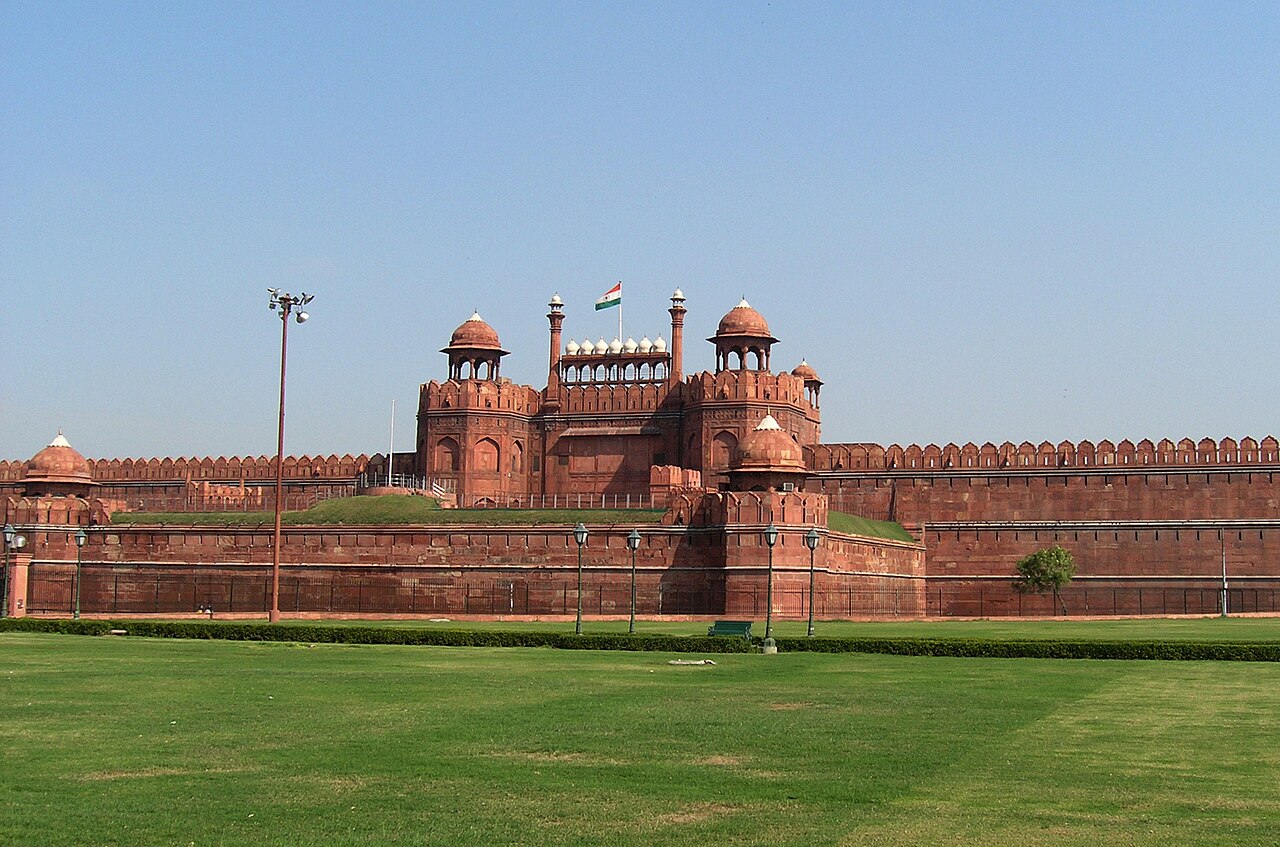
Red Fort
Ustad Ahmad Lahori · 1638-1648
 Painting
Primary source
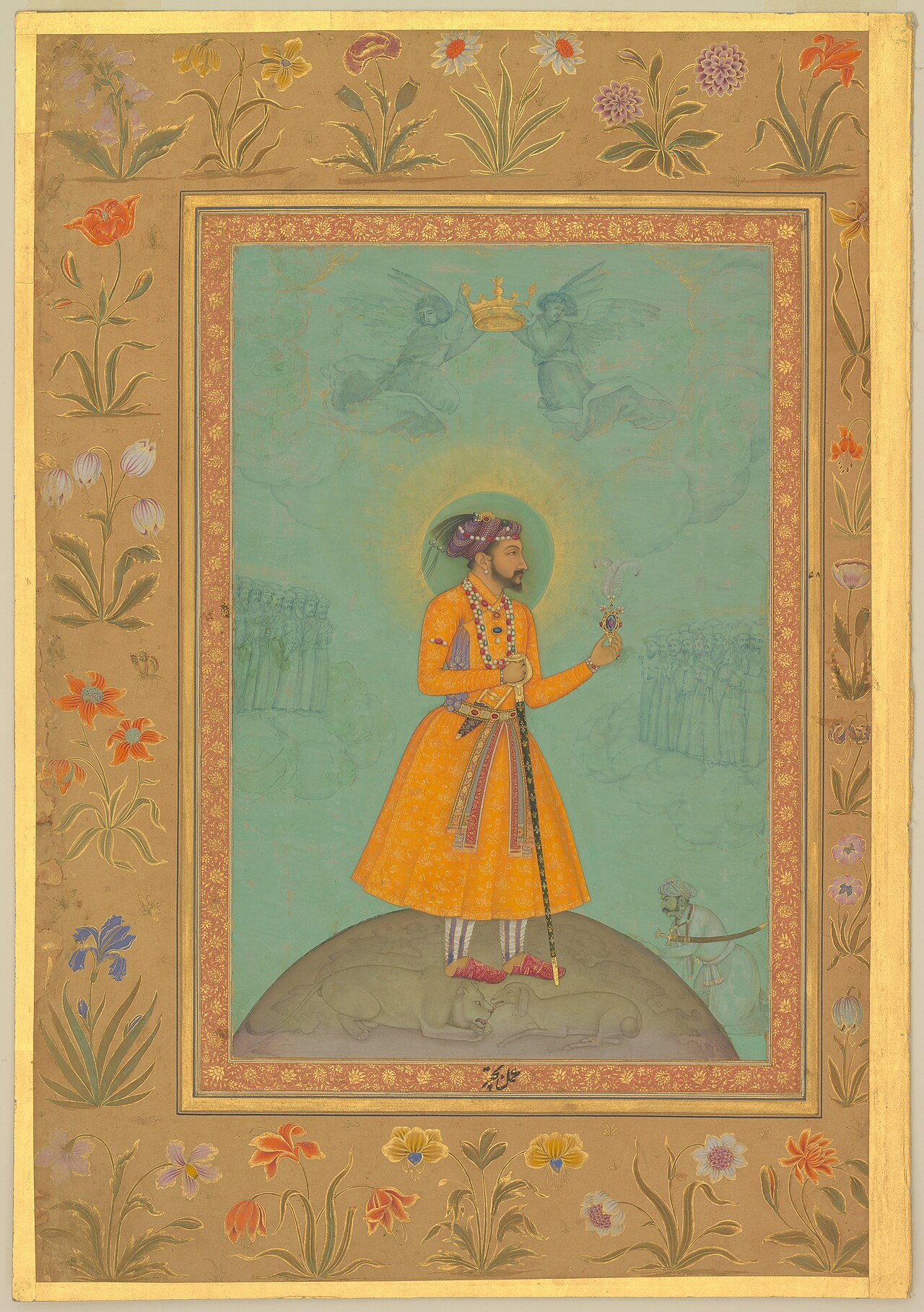
Mughal Emperor Shah Jahan standing on a globe
Bichitr · c. 1630
Free account
Read every Shah Jahan source
Sign up free →
Ready when you are
Start chatting with Shah Jahan now.
20 messages free · No credit card · Available in 50+ languages.