


Primary sourcePainting1944
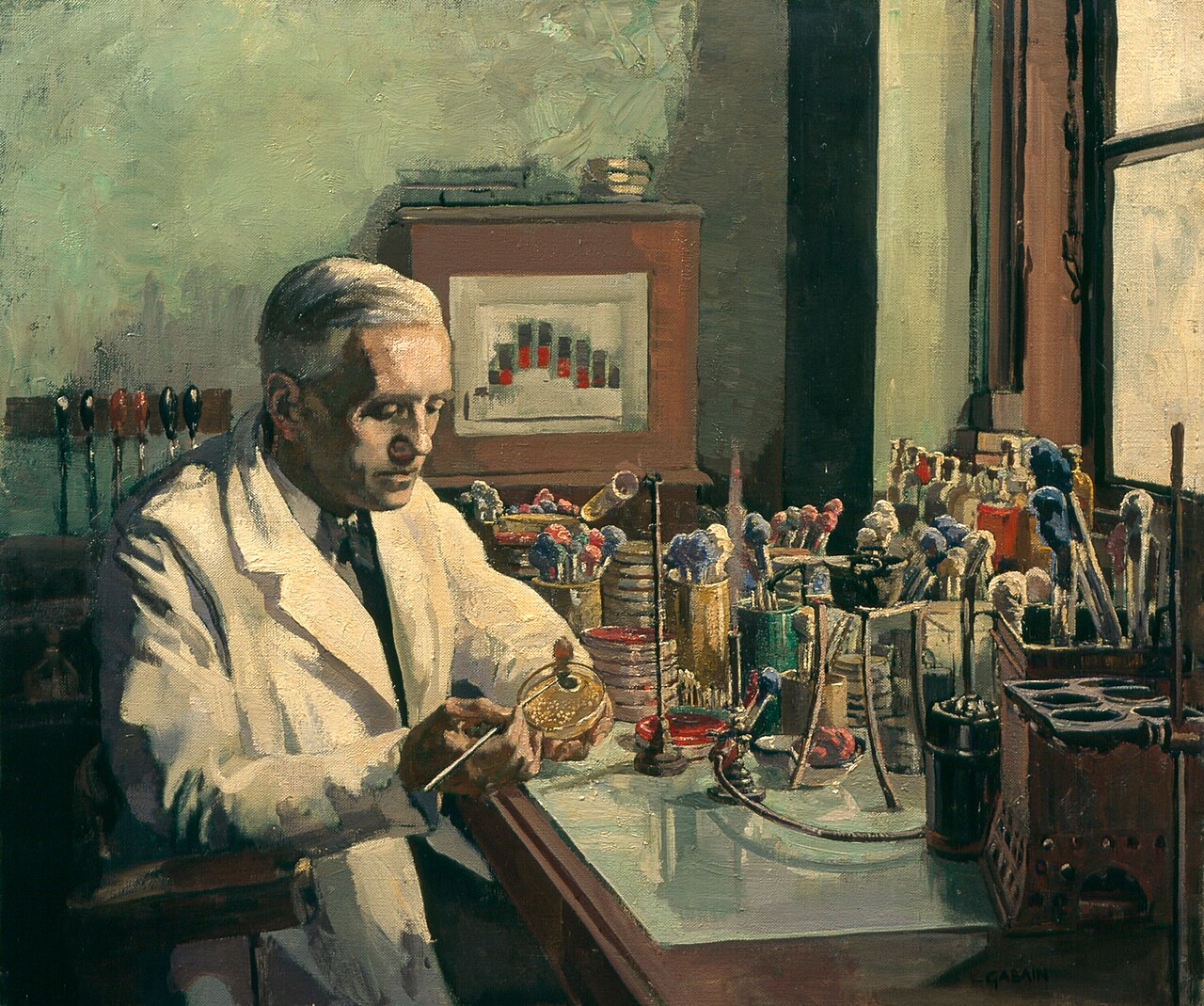
Sir Alexander Fleming, the Discoverer of Penicillin
Ethel Léontine Gabain · 1944
A 1944 oil portrait by Ethel Gabain showing Fleming at work in his laboratory, painted during his lifetime.
A wartime portrait of Fleming at work, painted during his lifetime and celebrating his discovery of penicillin.
About this source
What it is
This oil painting, made in 1944 by artist Ethel Léontine Gabain, shows Alexander Fleming in a white lab coat seated at a laboratory bench, looking at a petri dish he holds. Glassware and equipment fill the bench, with a window and a wall chart behind him. It is held by the Imperial War Museum.
Why it matters
Painted while Fleming was alive and already celebrated as the discoverer of penicillin, this portrait shows how he was publicly presented during World War II, when penicillin was becoming vital for treating wounded soldiers. It reflects both Fleming's scientific identity and the artist's choice of how to depict a wartime hero of medicine.
Look closer
- Why might the artist have chosen to show Fleming holding a petri dish rather than posing formally?
- What does the laboratory setting suggest about how Fleming wanted to be remembered, or how the Imperial War Museum wanted him remembered?
- What does a painted portrait show or hide compared to a photograph?
This painting is part of the curated material that grounds the AI version of Alexander Fleming on Humy.ai — when students ask about related events, the AI can quote it and cite it.
More Alexander Fleming sources
Browse all 85 →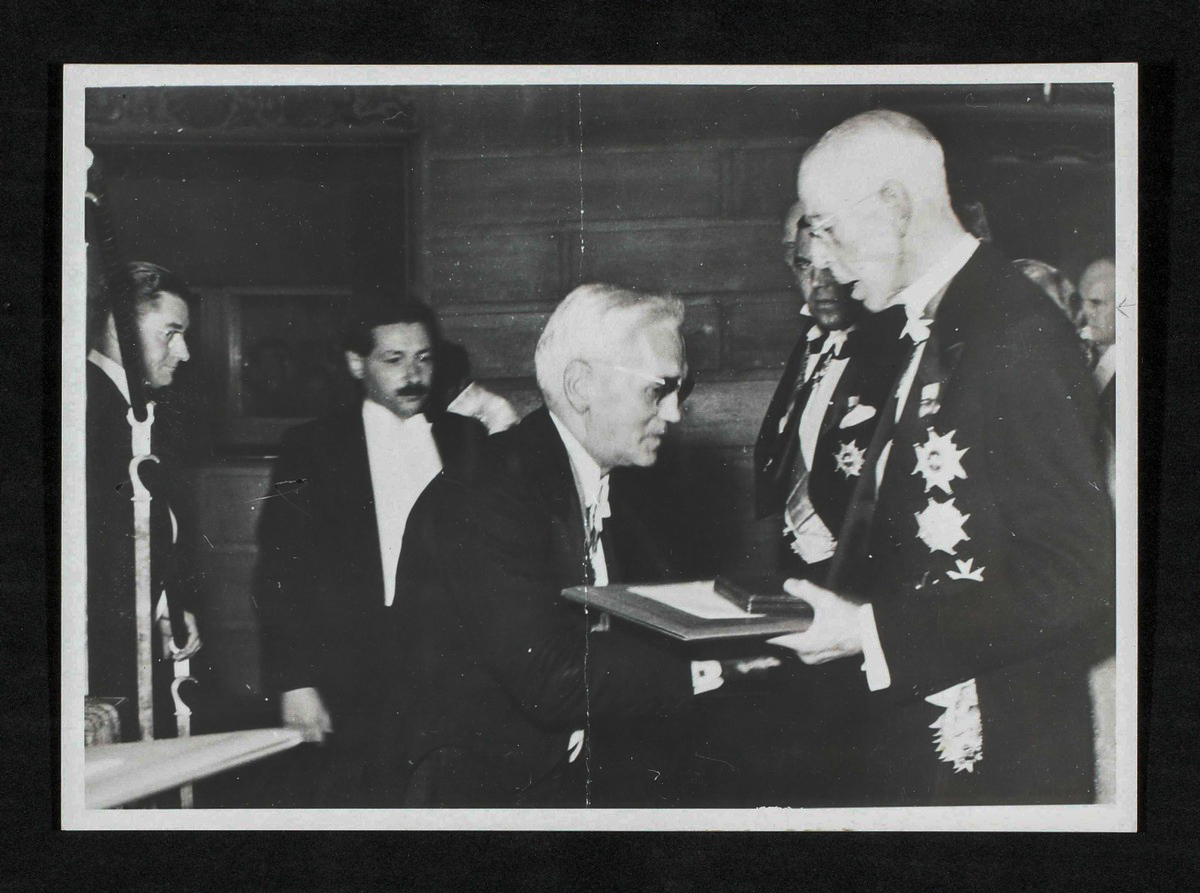 Photograph
Primary source
Fleming Receiving the Nobel Prize
Unknown · 1945
 Photograph
Primary source
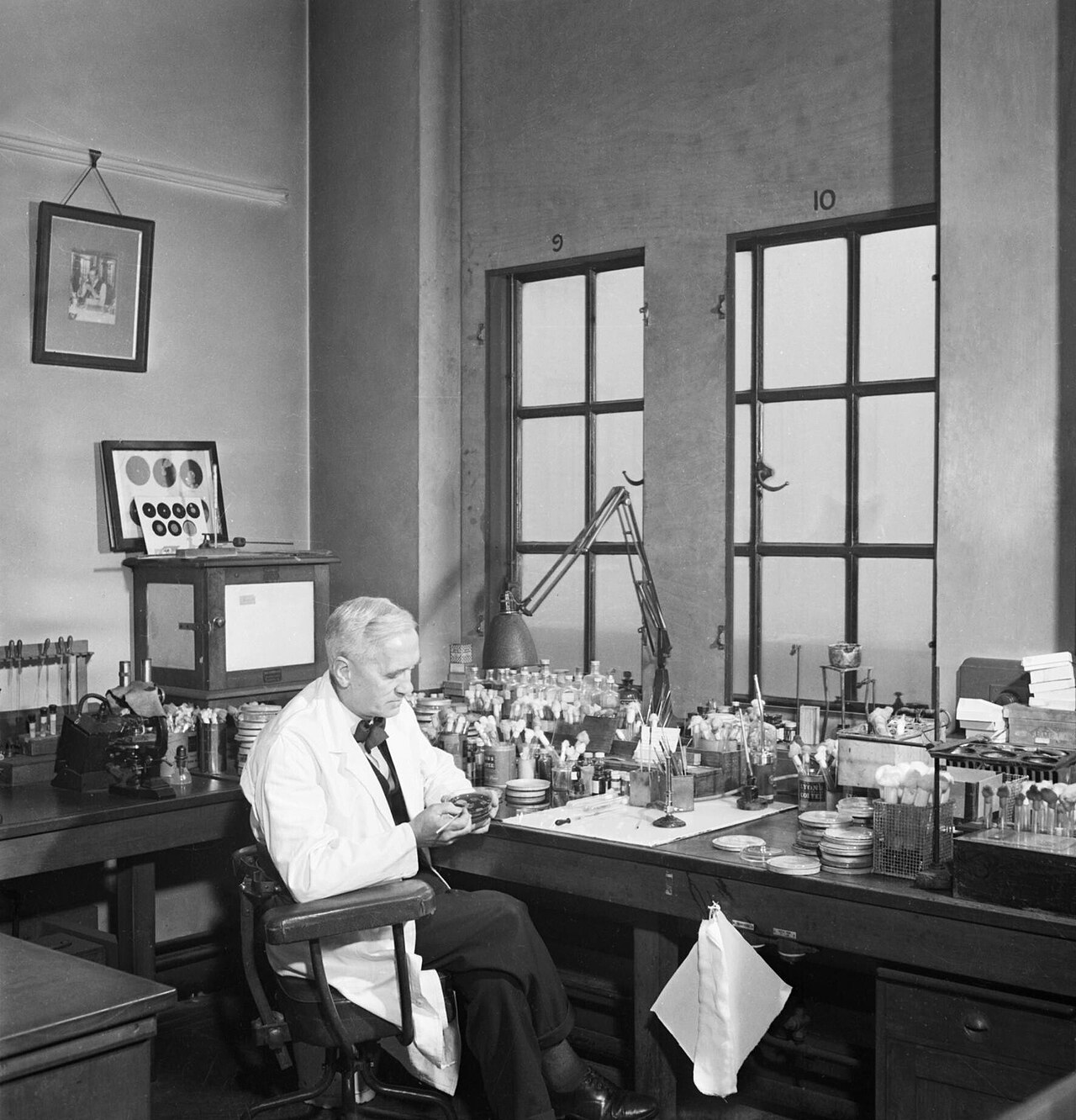
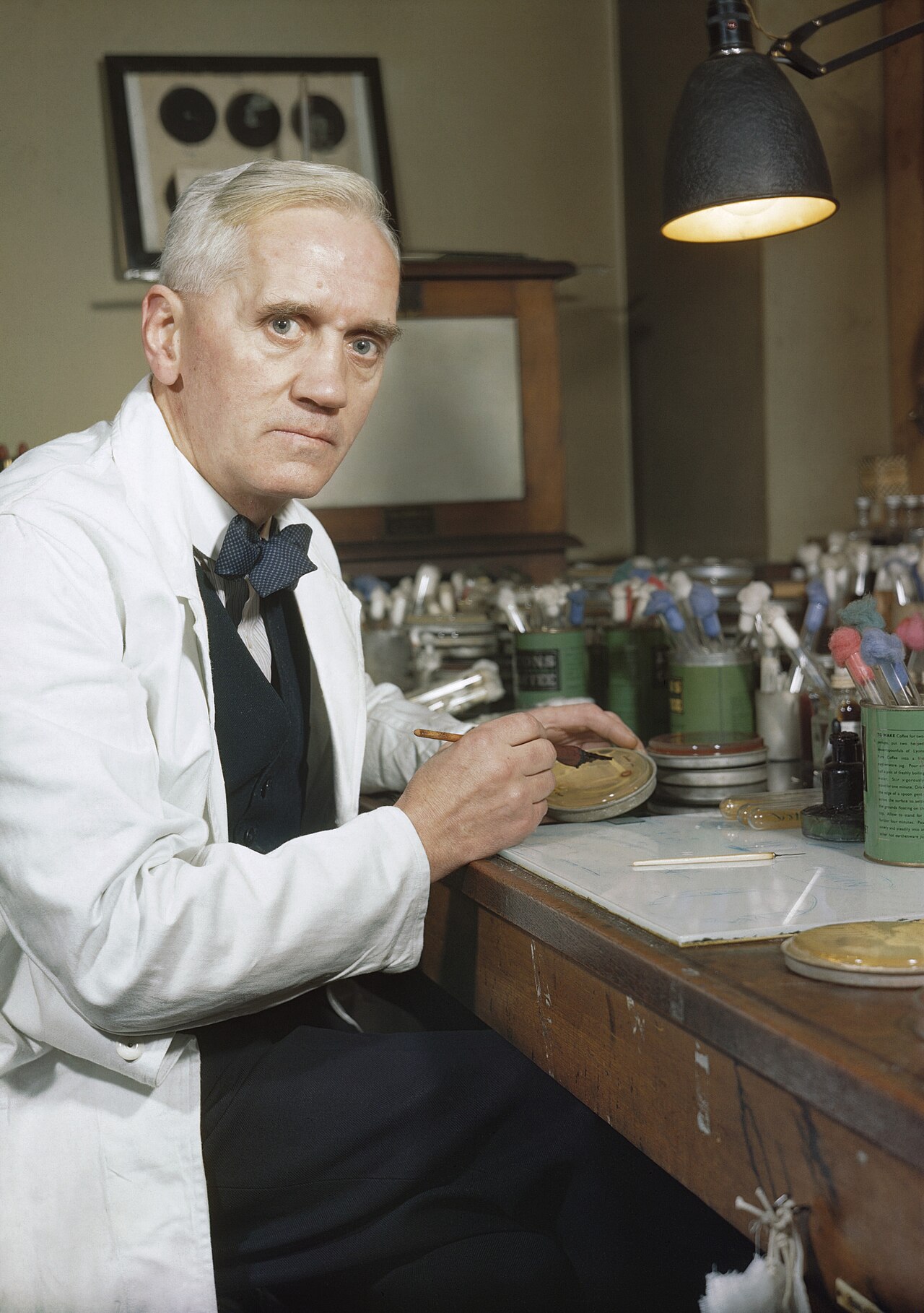
Fleming at Work in His Wartime Laboratory
Ministry of Information Photo Division Photographer · Second World War (c. 1943)
 Artifact
Primary source
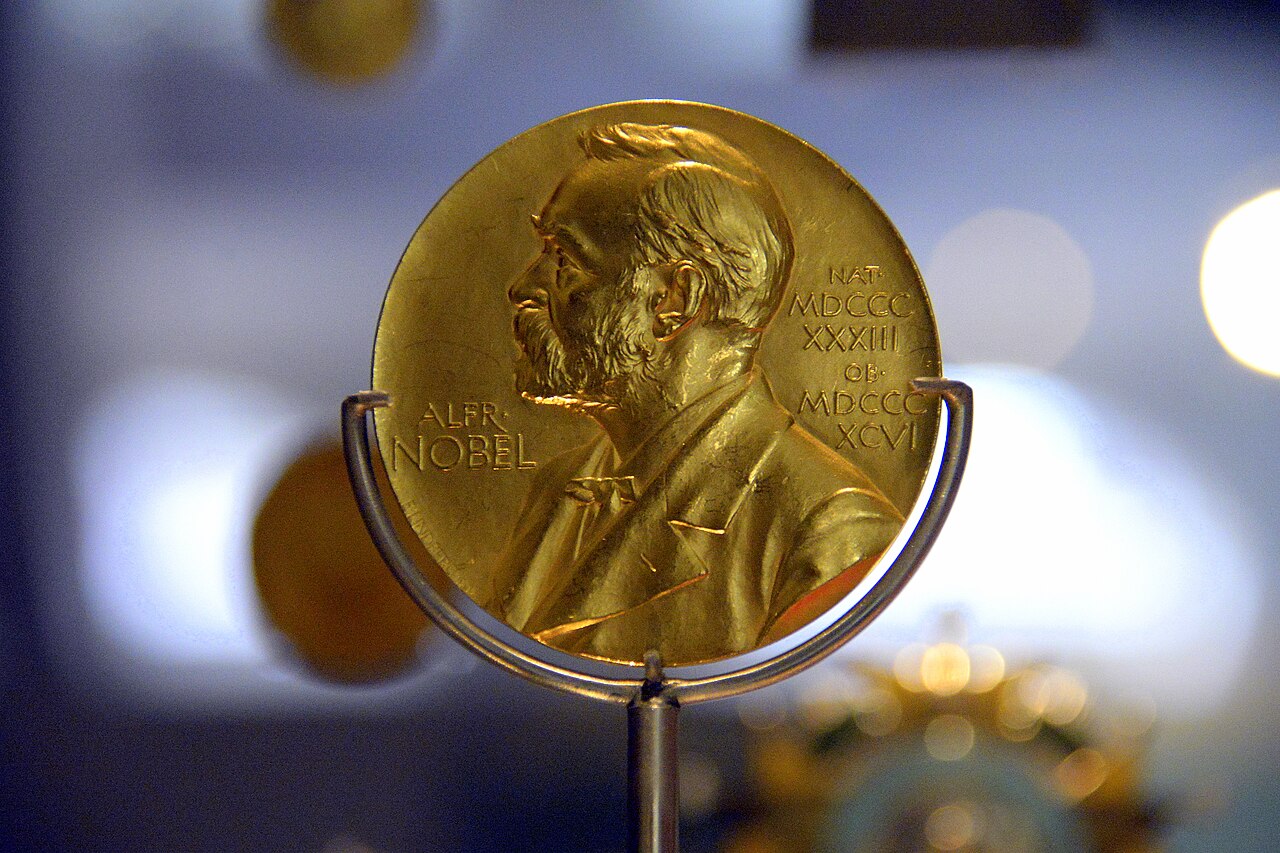
Fleming's Nobel Prize Medal for Medicine
1945
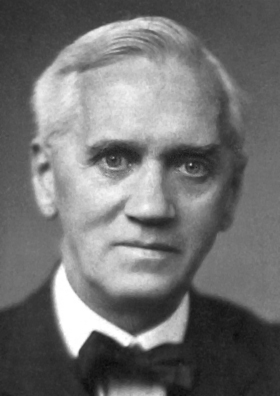 Photograph
Primary source
Official Nobel Portrait of Alexander Fleming
Nobel Foundation · 1945
Free account
Read every Alexander Fleming source
Sign up free →
Ready when you are
Start chatting with Alexander Fleming now.
20 messages free · No credit card · Available in 50+ languages.