


Secondary sourcePainting1982
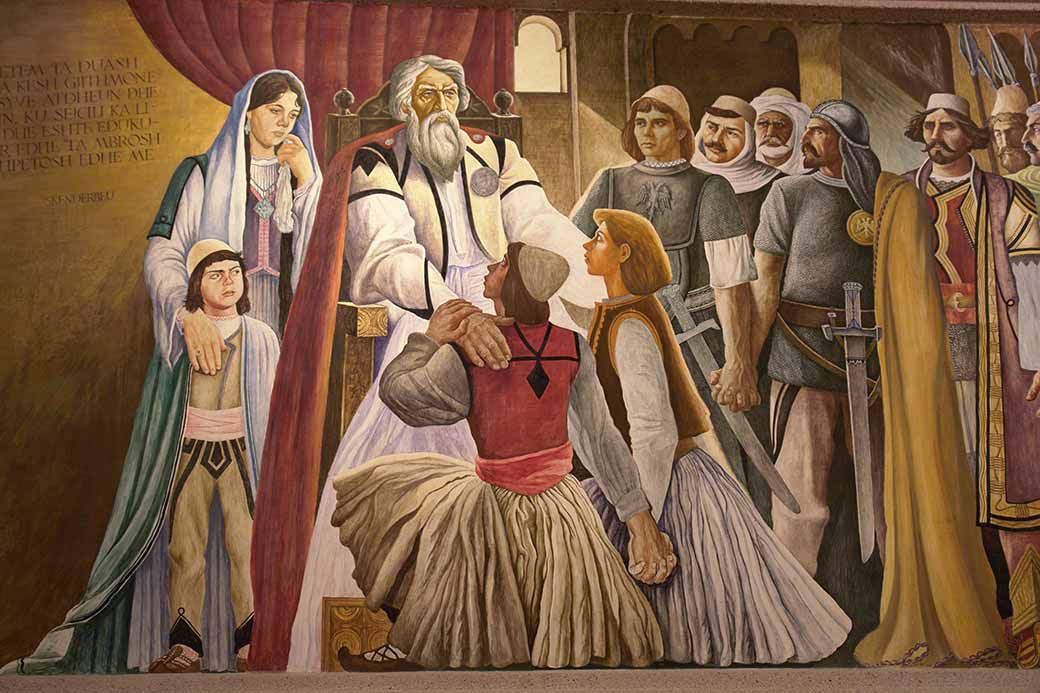
Skanderbeg's Death
Niko Progri · 1982
A 1982 painting imagining Skanderbeg's final moments, giving orders to his family and warriors, displayed in the Kruja museum.
This later painting imagines Skanderbeg's death scene, shaping how he is remembered as a leader and family figure.
About this source
What it is
This painting, called Skanderbeg's Death, was made by Niko Progri in 1982. It hangs in the Skanderbeg Museum at the Kruja citadel and shows an imagined scene of Skanderbeg's last moments, surrounded by his family and warriors.
Why it matters
Because the painting was created more than 500 years after Skanderbeg died, it is not a factual record but an artistic reconstruction. It shows how later Albanian artists imagined and honored Skanderbeg as a national hero, choosing to depict him as a dignified leader giving final instructions rather than as a soldier in battle.
Look closer
- What details in the painting—clothing, poses, setting—suggest this is an imagined scene rather than an eyewitness record?
- Why might the artist have chosen to show Skanderbeg surrounded by family and warriors at this moment?
- How does this image shape the way visitors to the museum might remember Skanderbeg?
This painting is part of the curated material that grounds the AI version of Skanderbeg on Humy.ai — when students ask about related events, the AI can quote it and cite it.
More Skanderbeg sources
Browse all 89 →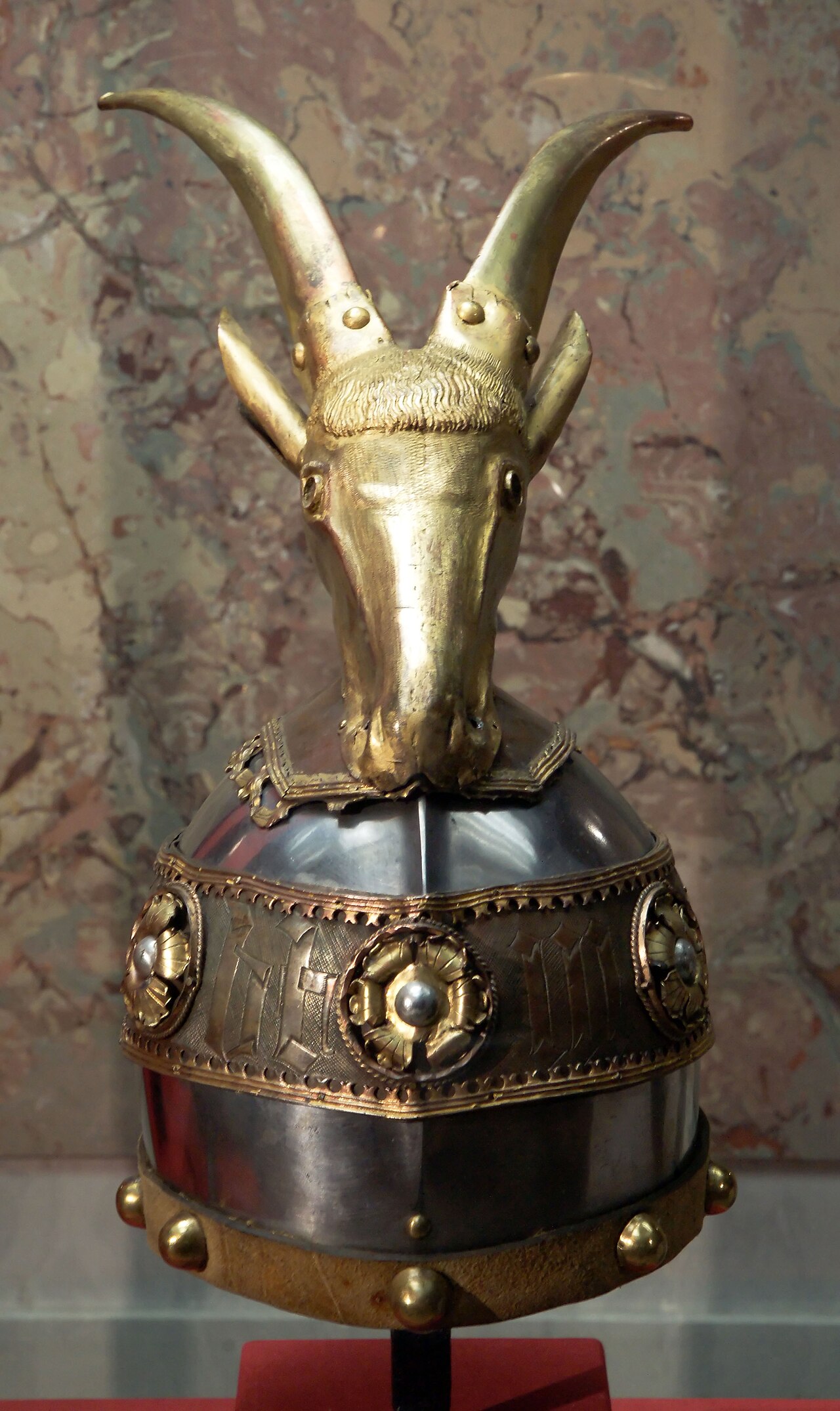 Artifact
Primary source
Helmet of Skanderbeg
c. 1460
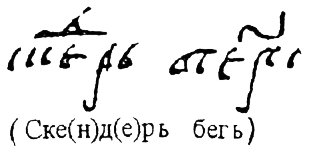 Document
Primary source
Signature of Skanderbeg
Skanderbeg · 15th century
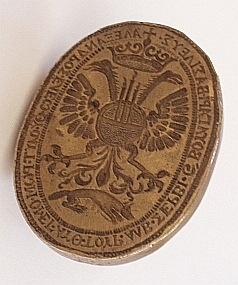 Artifact
Primary source
Seal of Skanderbeg
15th century
 Artifact
Primary source
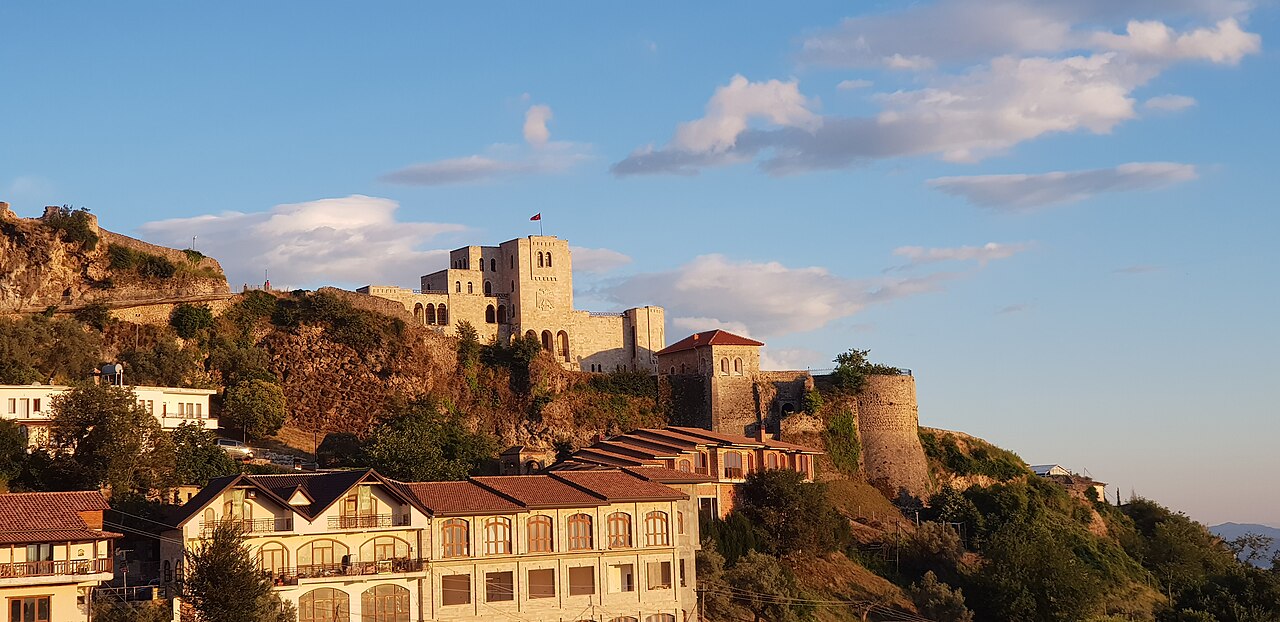
Krujë Castle
rebuilt and defended 1443–1468
Free account
Read every Skanderbeg source
Sign up free →
Ready when you are
Start chatting with Skanderbeg now.
20 messages free · No credit card · Available in 50+ languages.