


Primary sourceDocument1844
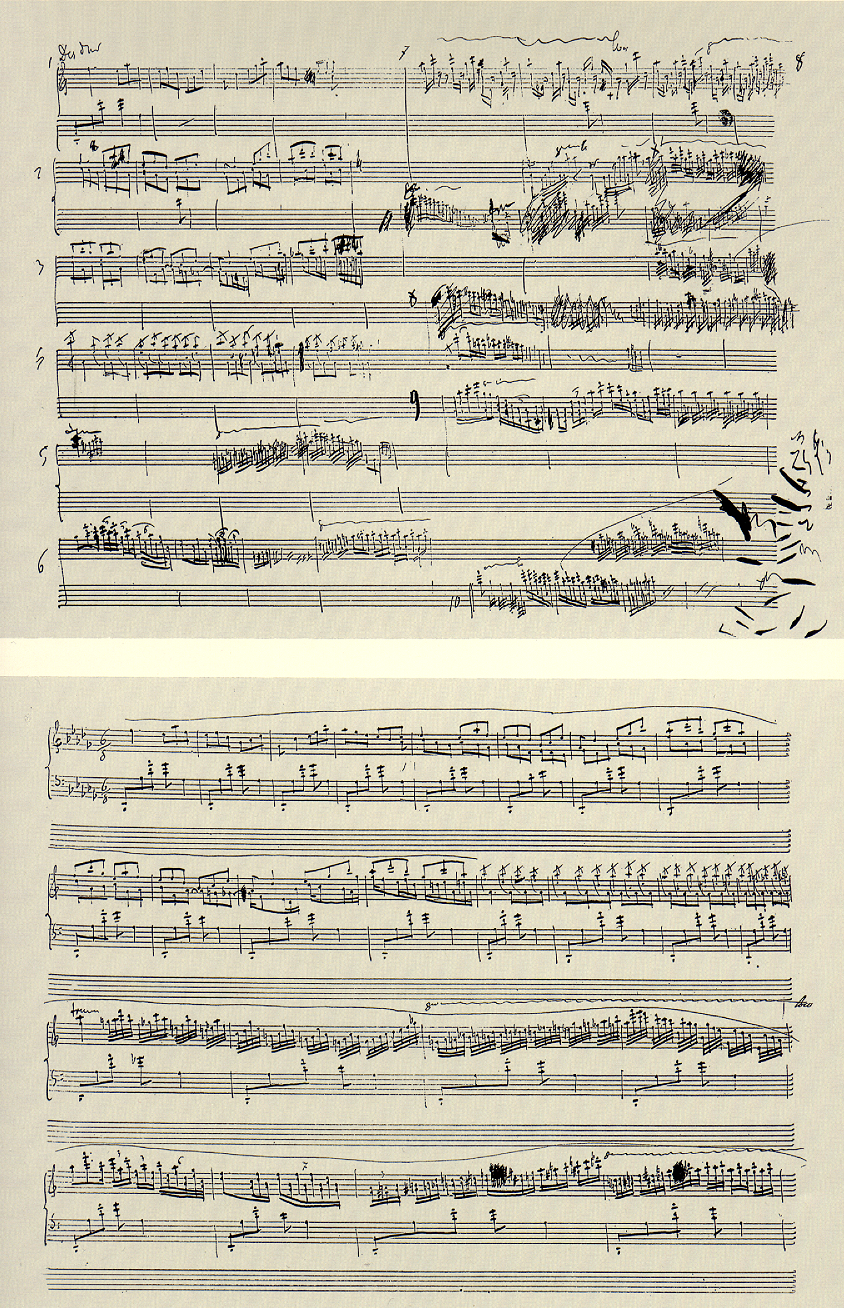
Sketch and First Manuscript Page of Berceuse, Op. 57
Frédéric Chopin · 1844
A sketch and clean manuscript page showing Chopin's working process for his Berceuse, composed in 1844.
This sketch and manuscript page in Chopin's own hand reveal how he composed and revised his Berceuse.
About this source
What it is
This image shows two parts of Chopin's manuscript for his Berceuse in D-flat major, Op. 57, dated 1844: an upper section with a dense, sketchy draft full of crossings-out, and a lower section with a cleaner, more finished manuscript page.
Why it matters
Seeing both the rough sketch and the finished page side by side gives rare insight into how Chopin revised his music before it reached its final form. It shows that even a seemingly simple, gentle piece like a lullaby (berceuse) went through careful reworking.
Look closer
- What differences can you spot between the sketchy upper section and the cleaner lower section?
- Why might crossings-out in a composer's draft be valuable to historians?
- What does this process reveal about how Chopin worked, compared to just hearing the final piece?
This document is part of the curated material that grounds the AI version of Frederic Chopin on Humy.ai — when students ask about related events, the AI can quote it and cite it.
More Frederic Chopin sources
Browse all 94 →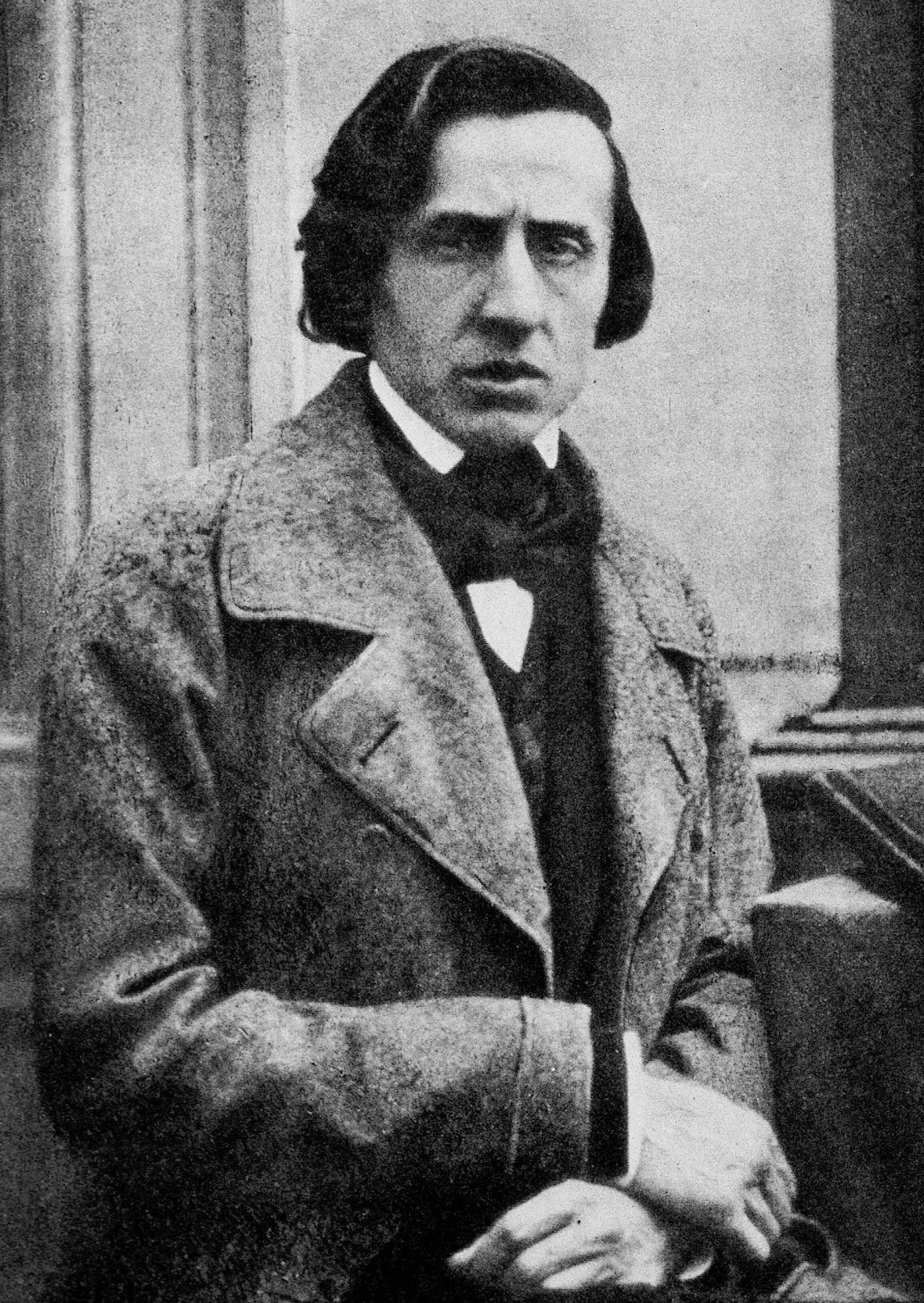 Photograph
Primary source
Portrait of Frédéric Chopin
Louis-Auguste Bisson · 1849
 Painting
Primary source
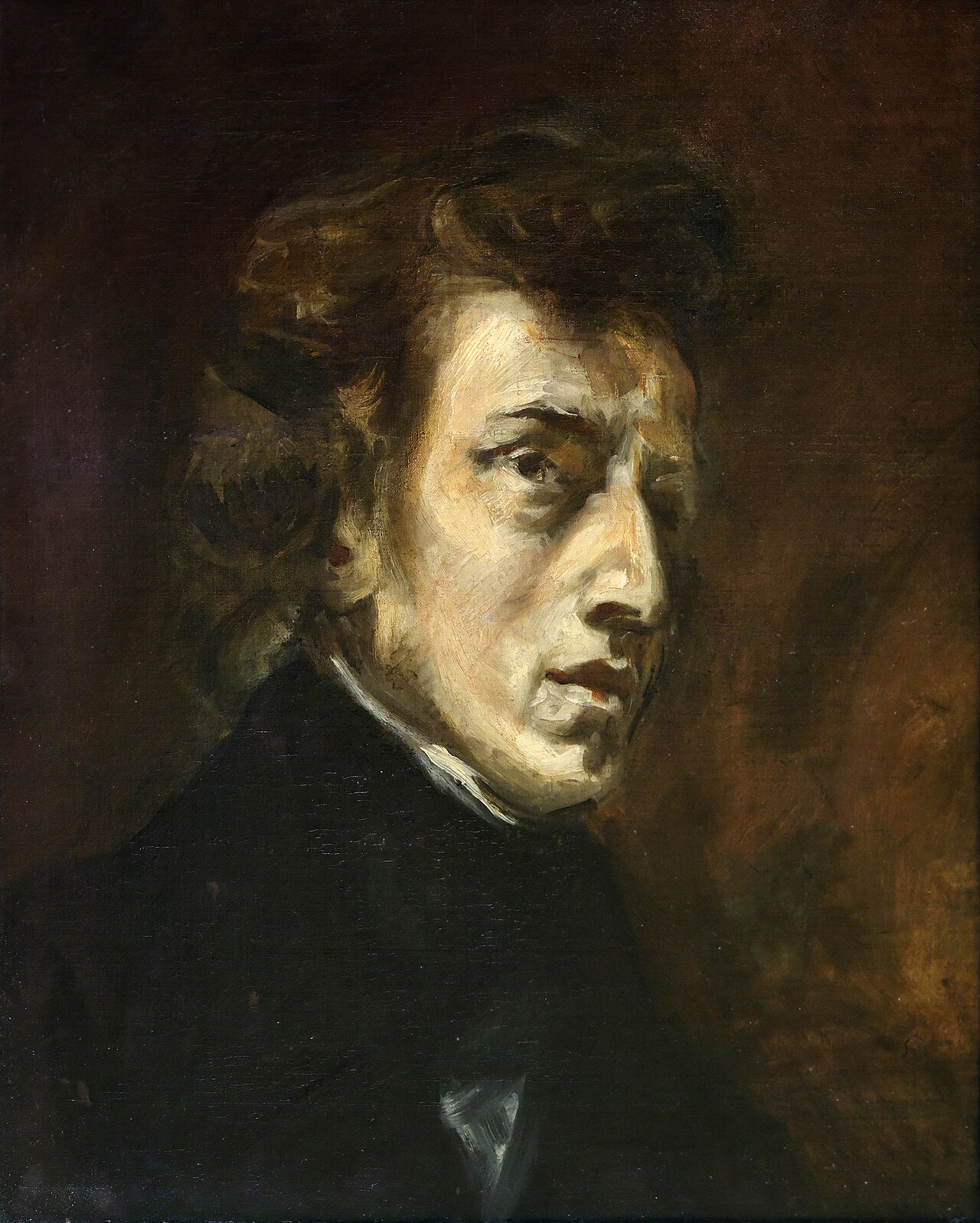
Frédéric Chopin
Eugène Delacroix · 1838
 Document
Primary source
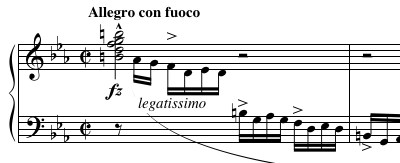
Étude Op. 10, No. 12 "Revolutionary"
Frédéric Chopin · c. 1831
 Document
Primary source
Prelude No. 15 in D-flat major "Raindrop", Op. 28
Frédéric Chopin · 1838
Free account
Read every Frederic Chopin source
Sign up free →
Ready when you are
Start chatting with Frederic Chopin now.
20 messages free · No credit card · Available in 50+ languages.