


Primary sourcePainting1 August 1829
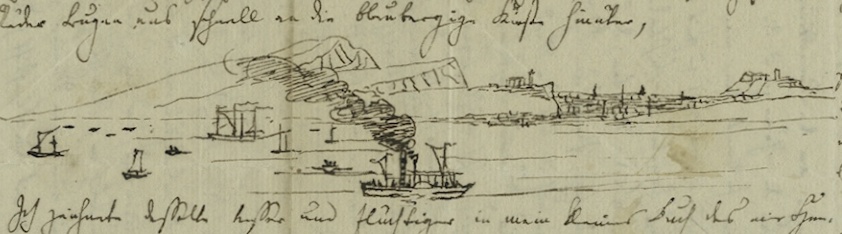
Sketch in a Letter to Fanny Mendelssohn
Felix Mendelssohn · 1 August 1829
A pen-and-ink harbor sketch drawn by Mendelssohn inside a letter to his sister Fanny during his 1829 British tour.
This sketch, drawn by Mendelssohn himself inside a letter to his sister, shows his personal travel experiences during his British tour.
About this source
What it is
This is a pen-and-ink drawing of a harbor scene, made by Felix Mendelssohn as part of a letter he wrote to his sister Fanny on 1 August 1829, during his tour of Britain. The original letter is held in the Music Division of the New York Public Library for the Performing Arts.
Why it matters
Mendelssohn often combined drawing and writing when describing his travels to his family, especially his close sister Fanny, herself a composer. This sketch shows how he responded to new places visually as well as in words, and gives a glimpse of his personal, informal side beyond his public music career.
Look closer
- What details in the drawing suggest it was made quickly, by hand, in a letter rather than as a finished artwork?
- Why might Mendelssohn have chosen to sketch this scene instead of only describing it in words?
- What does sharing sketches with his sister suggest about their relationship?
This painting is part of the curated material that grounds the AI version of Felix Mendelssohn on Humy.ai — when students ask about related events, the AI can quote it and cite it.
More Felix Mendelssohn sources
Browse all 94 →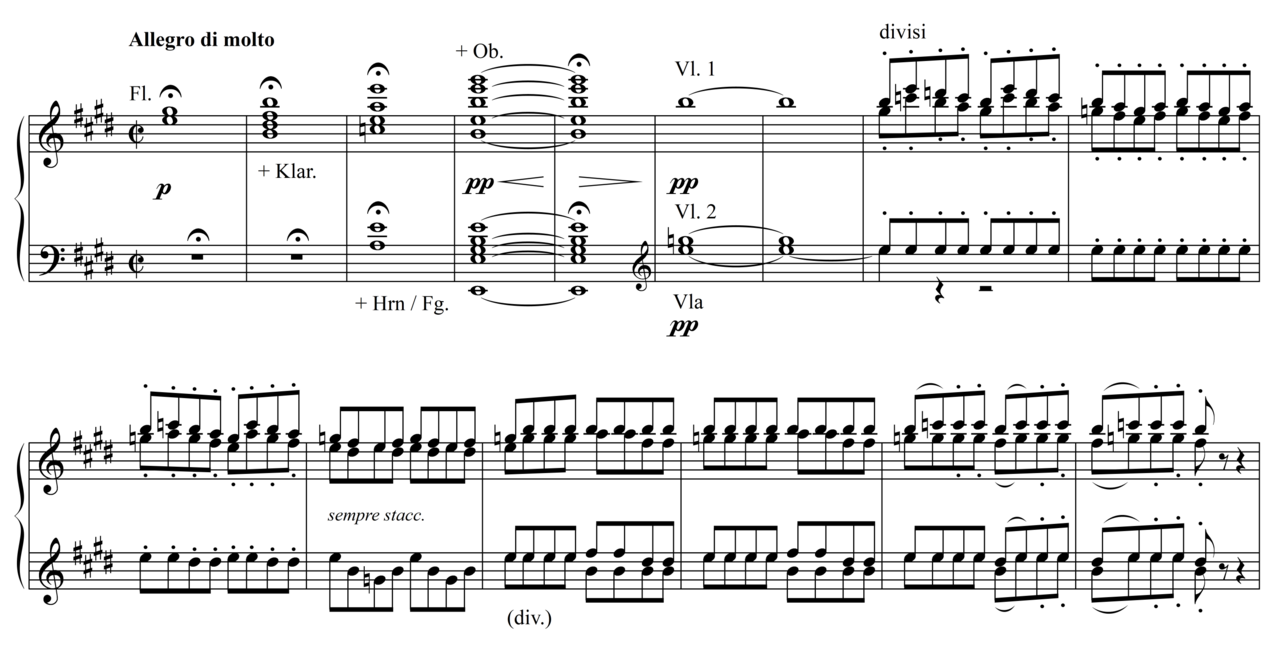 Document
Primary source
A Midsummer Night's Dream Overture
Felix Mendelssohn · 1826
 Document
Primary source
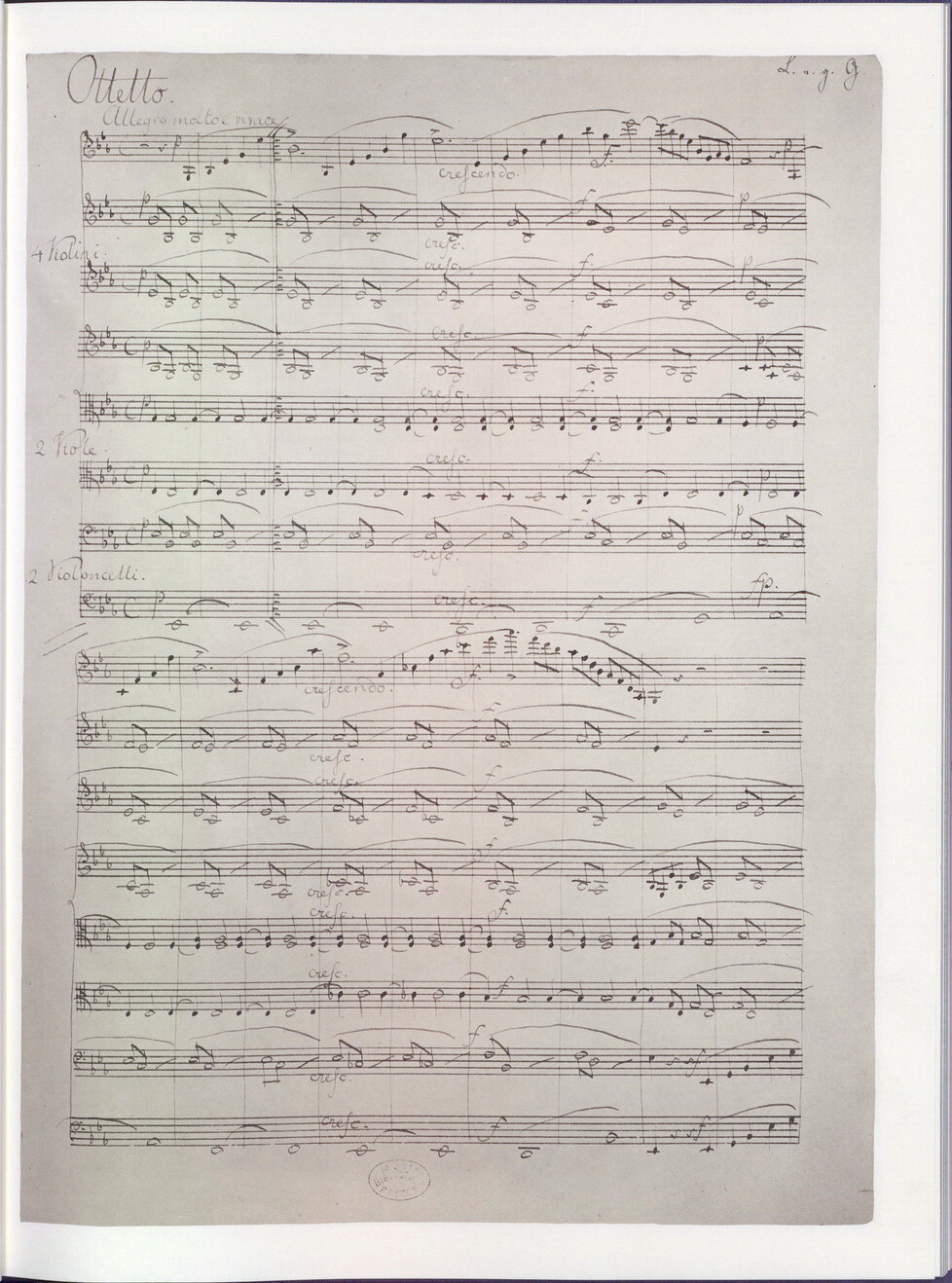
Octet in E-flat Major
Felix Mendelssohn · 1825
 Document
Primary source
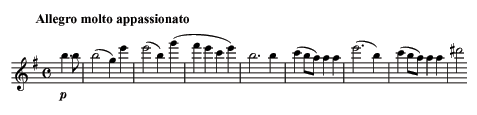
Violin Concerto in E minor
Felix Mendelssohn · 1844
 Document
Primary source
The Hebrides
Felix Mendelssohn · 1830, revised 1832

Free account
Read every Felix Mendelssohn source
Sign up free →
Ready when you are
Start chatting with Felix Mendelssohn now.
20 messages free · No credit card · Available in 50+ languages.