


Primary sourceArtifact
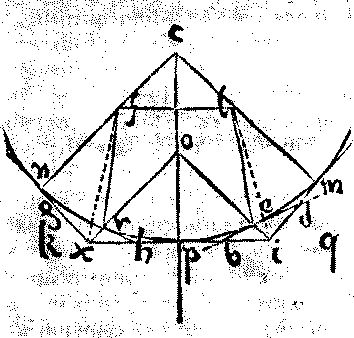
Sketch in De Facie in Orbe Lunae
Johannes Kepler
A geometric diagram drawn by Kepler in his own translation of Plutarch's work on the Moon, linked to his lunar studies.
This is Kepler's own hand-drawn diagram from his translation of Plutarch, showing his lunar studies.
About this source
What it is
This is a page from Kepler's translation of Plutarch's essay On the Face in the Moon, showing a geometric diagram he drew himself with labeled points and lines forming axes, a triangle and arcs.
The sketch is part of a printed book and survives as a scanned page.
Why it matters
Kepler used geometry to think through astronomical problems, including ideas about the Moon that later fed into his fictional work Somnium, an early story imagining travel to the Moon. The sketch shows the link between his mathematical work and his imaginative writing.
Look closer
- What might the labeled points and lines represent about the Moon or Earth?
- Why would an astronomer use geometry to explore ideas about space travel?
- What does this sketch suggest about how Kepler worked through problems on paper?
This artifact is part of the curated material that grounds the AI version of Johannes Kepler on Humy.ai — when students ask about related events, the AI can quote it and cite it.
More Johannes Kepler sources
Meet the AI Johannes Kepler →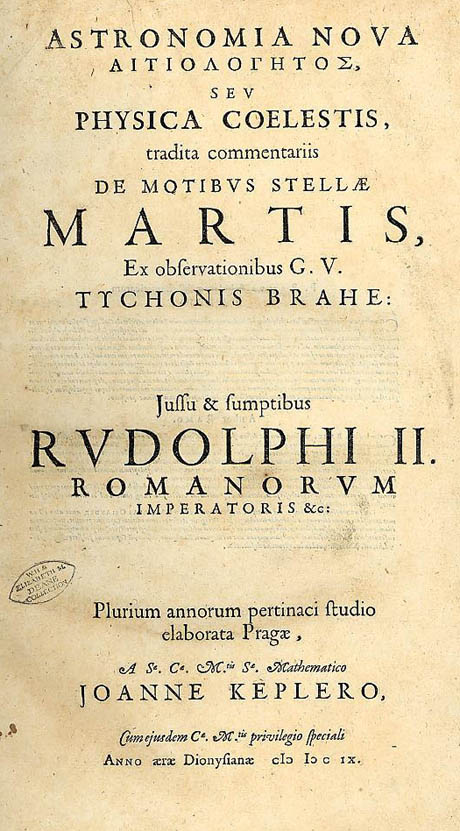 Book
Secondary source
Astronomia Nova
Johannes Kepler · 1609
 Book
Primary source
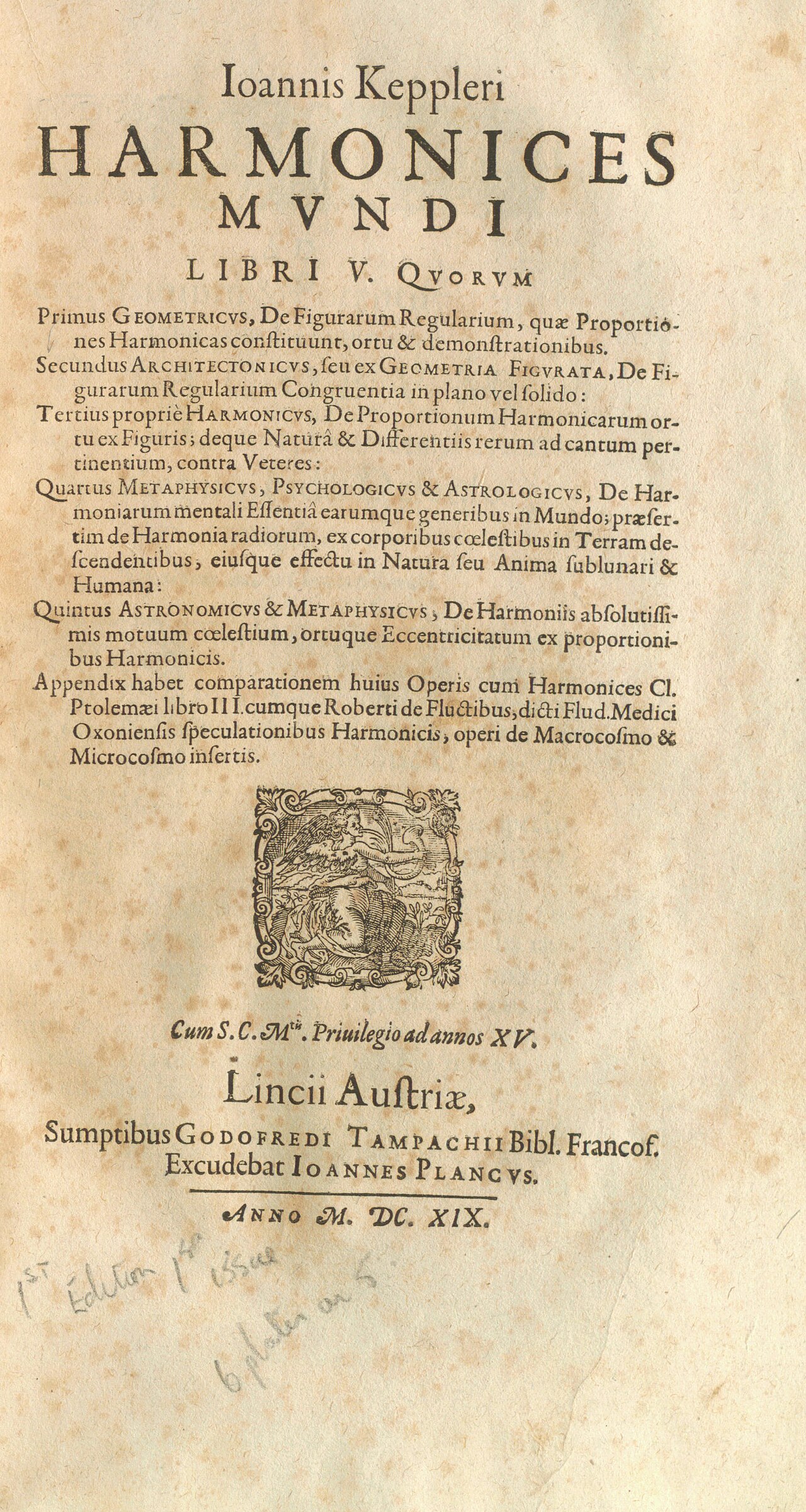
Harmonices Mundi
Johannes Kepler · 1619
 Book
Secondary source
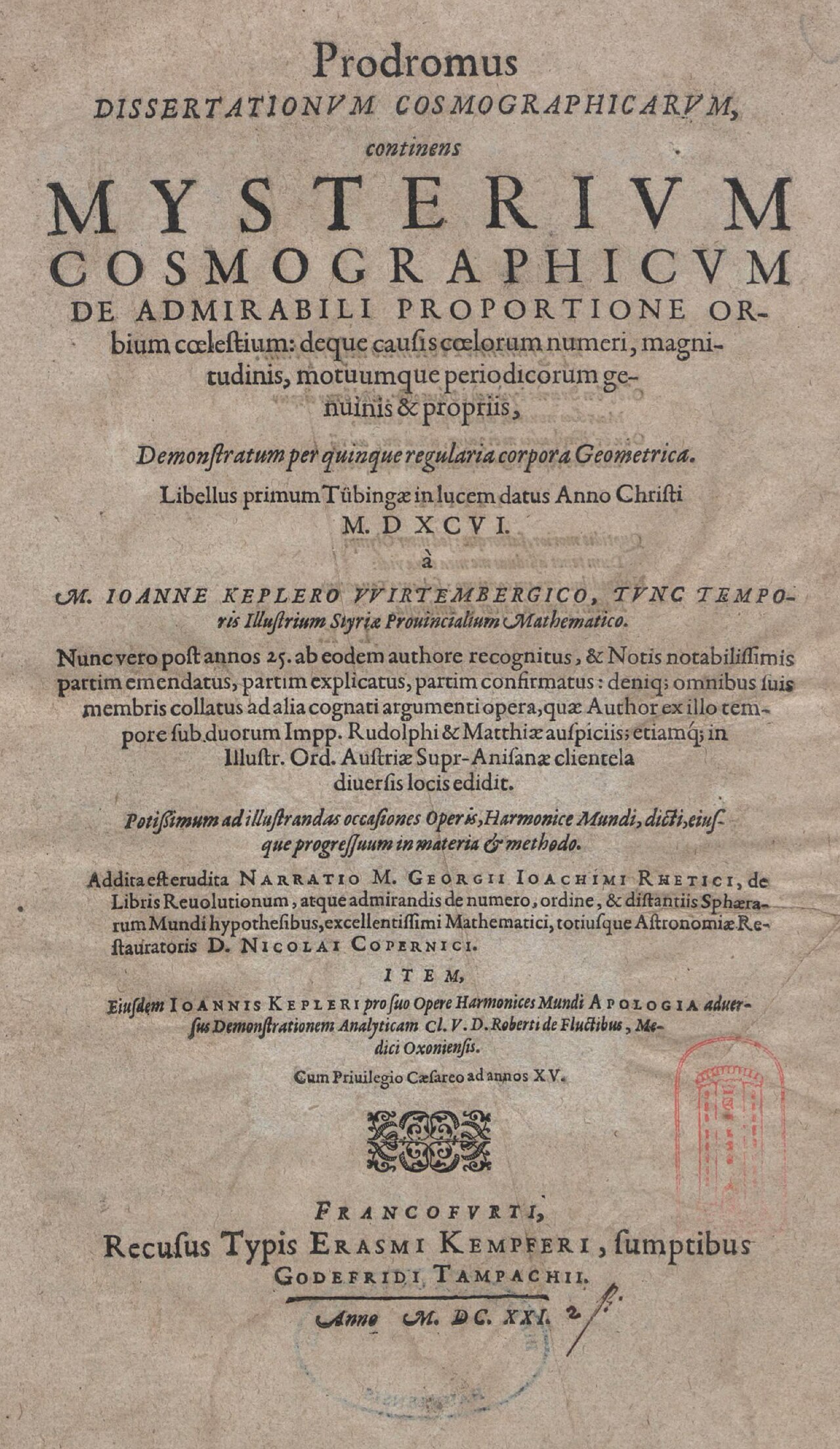
Mysterium Cosmographicum
Johannes Kepler · 1596 (2nd edition 1621)
Secondary source
The Martyrs of Science: Galileo, Tycho Brahe and Kepler
David Brewster
 Book
Secondary source
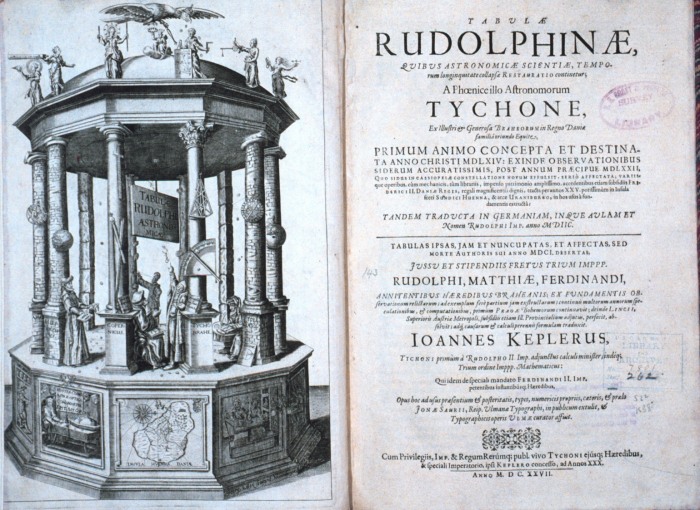
Rudolphine Tables
Johannes Kepler · 1627
Ready when you are
Start chatting with Johannes Kepler now.
20 messages free · No credit card · Available in 50+ languages.