


Secondary sourcePainting1847
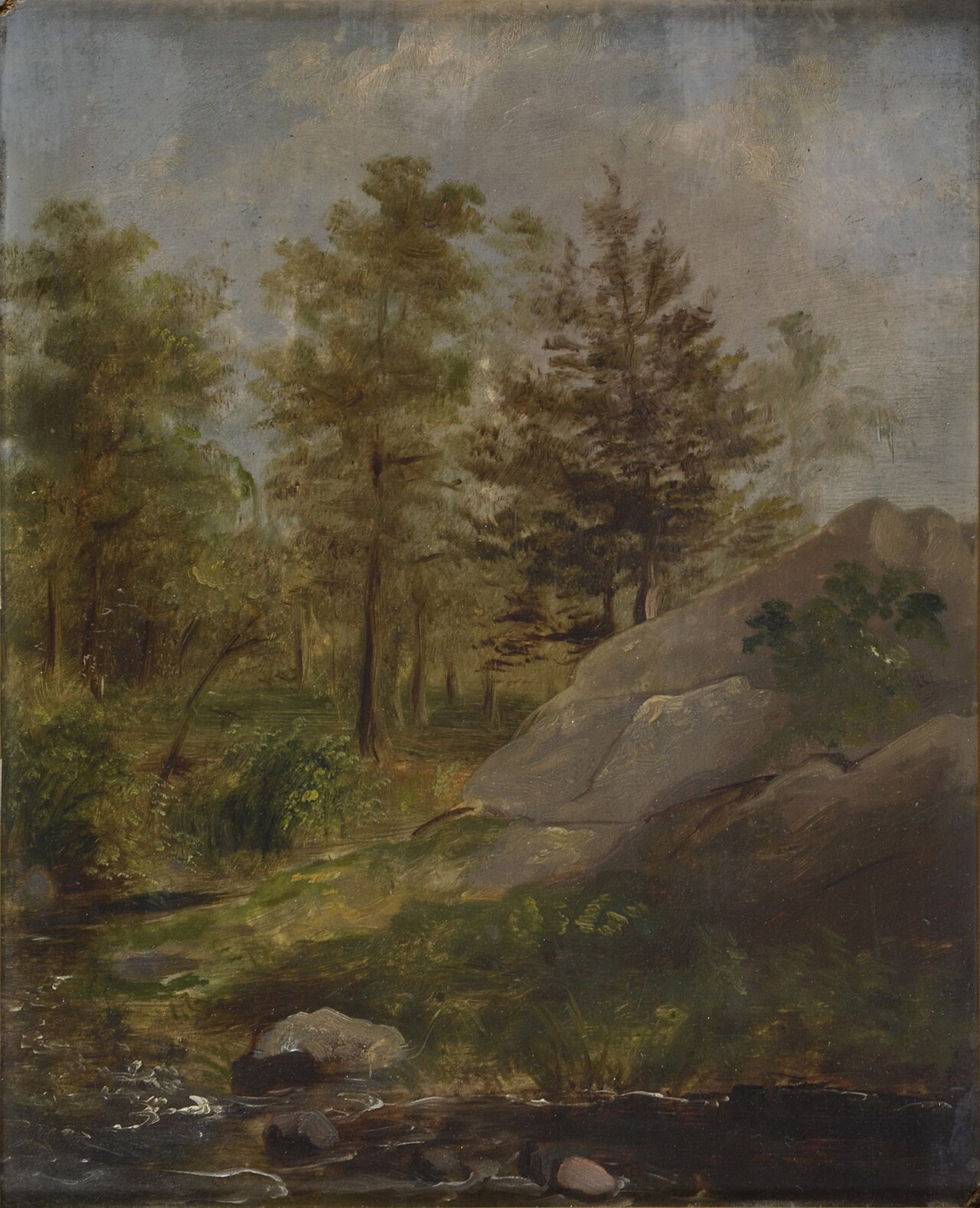
Slate Rock, The Landing Place of Roger Williams
James Sullivan Lincoln · 1847
An 1847 painting depicting Slate Rock, the spot traditionally said to mark where Roger Williams landed in Providence.
Commemorates the traditional site of Roger Williams's landing when he founded Providence.
About this source
What it is
An oil painting made by James Sullivan Lincoln in 1847, showing Slate Rock, the site traditionally identified as the landing place of Roger Williams in Providence. The scene shows a wooded riverbank with a large grey slate outcrop beside dark, rippling water.
Why it matters
Roger Williams founded Providence after being banished from the Massachusetts Bay Colony, and Slate Rock became a remembered symbol of that founding moment. This painting, made nearly two centuries later, shows how later generations commemorated the place rather than depicting the event itself as it happened.
Look closer
- Why might people in the 1840s have wanted to paint this specific rock?
- What feelings does the quiet, natural scene create, and why might that matter for a founding story?
- Since the painting was made so long after Williams's landing, what can and can't it tell us about that moment?
This painting is part of the curated material that grounds the AI version of Roger Williams on Humy.ai — when students ask about related events, the AI can quote it and cite it.
More Roger Williams sources
Meet the AI Roger Williams →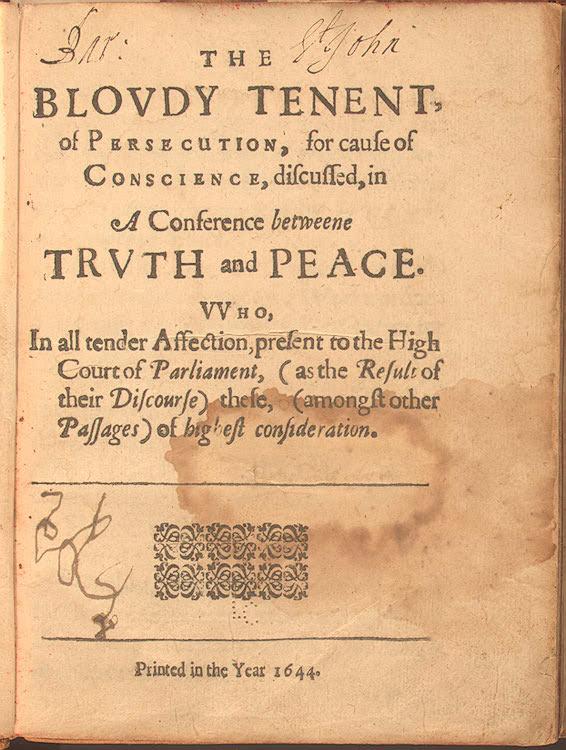 Book
Primary source
The Bloudy Tenent of Persecution for Cause of Conscience
Roger Williams · 1644
 Book
Primary source
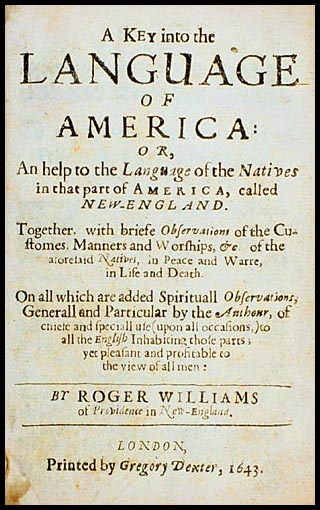
A Key Into the Language of America
Roger Williams · 1643
 Document
Primary source
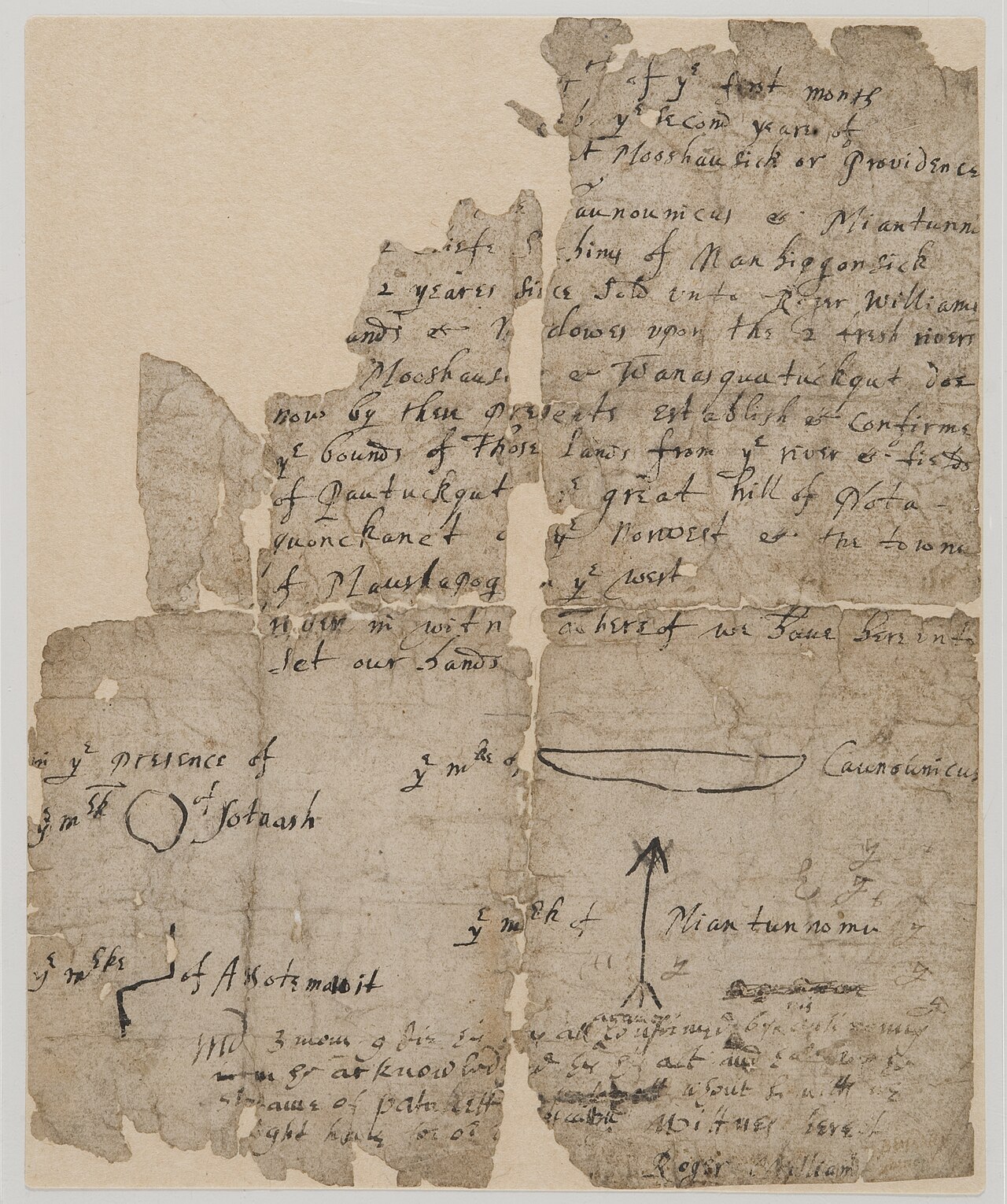
Providence, Rhode Island Original Deed
1636
 Book
Primary source
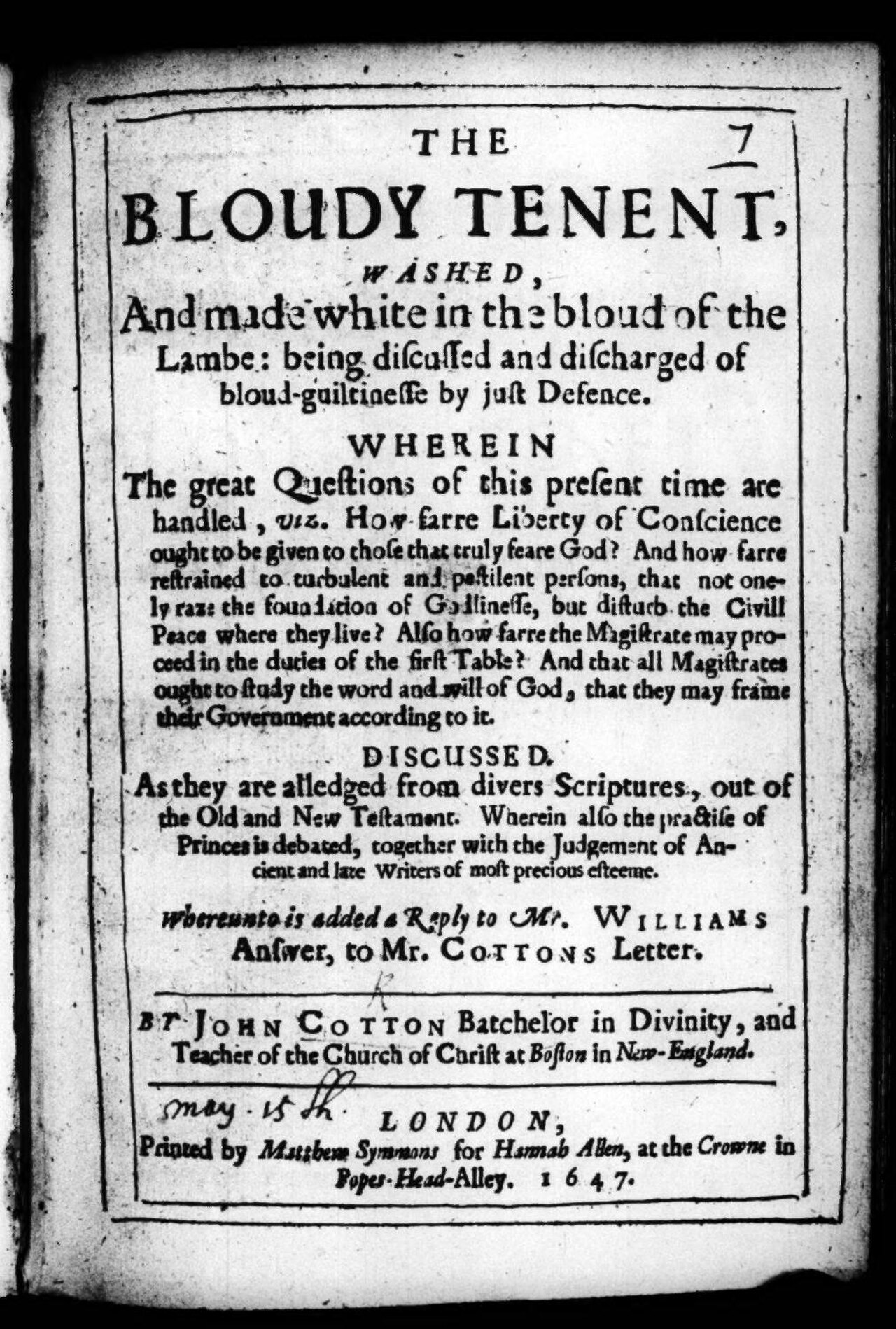
The Bloudy Tenent, Washed and Made White in the Bloud of the Lambe
John Cotton · 1647
Primary source
Rhode Island Royal Charter of 1663
Charles II · 1663
Ready when you are
Start chatting with Roger Williams now.
20 messages free · No credit card · Available in 50+ languages.