


Primary sourceDocument1 August 1901
Slavorum gentem
Pope Leo XIII · 1 August 1901
A Latin apostolic letter of 1 August 1901, written by Pope Leo XIII, that closes a collegiate chapter in Rome and sets up a Hieronymian college there for Slavic pilgrims.
A papal letter by Leo XIII about a Rome institution for Slavic pilgrims, showing his concern for Slavic Catholics.
Free Humy account · No credit card · 120,288 sources to read
About this source
What it is
This is a Latin apostolic letter issued by Pope Leo XIII and dated 1 August 1901. Its title says that it extinguishes the chapter of the collegiate church of Saint Jerome of the Illyrians and establishes the Hieronymian college in Rome. The opening praises the faith and piety of the Slavic peoples and says that the pope has supported them since the beginning of his pontificate. It recalls that earlier Slavic believers founded a institution in Rome to receive countrymen who came as pilgrims to venerate the relics of the Apostles. The version here is a text transcribed in an online Latin edition.
Why it matters
The letter shows how the papacy linked Rome with Slavic Catholics and with the wider question of relations with Eastern Churches. As a primary source, it records the pope's own decision in formal language. It reveals how Leo XIII used legal and financial arrangements, not only prayers, to support communities far from Rome.
Look closer
- What reasons does the letter give for its decision, and which of them are about faith and which about institutions?
- Who would have used a college like this, and how might they have travelled to Rome?
- What does the letter not explain about the Slavic peoples themselves?
This document is part of the curated material that grounds the AI version of Pope Leo XIII on Humy.ai — when students ask about related events, the AI can quote it and cite it.
More Pope Leo XIII sources
Browse all 96 →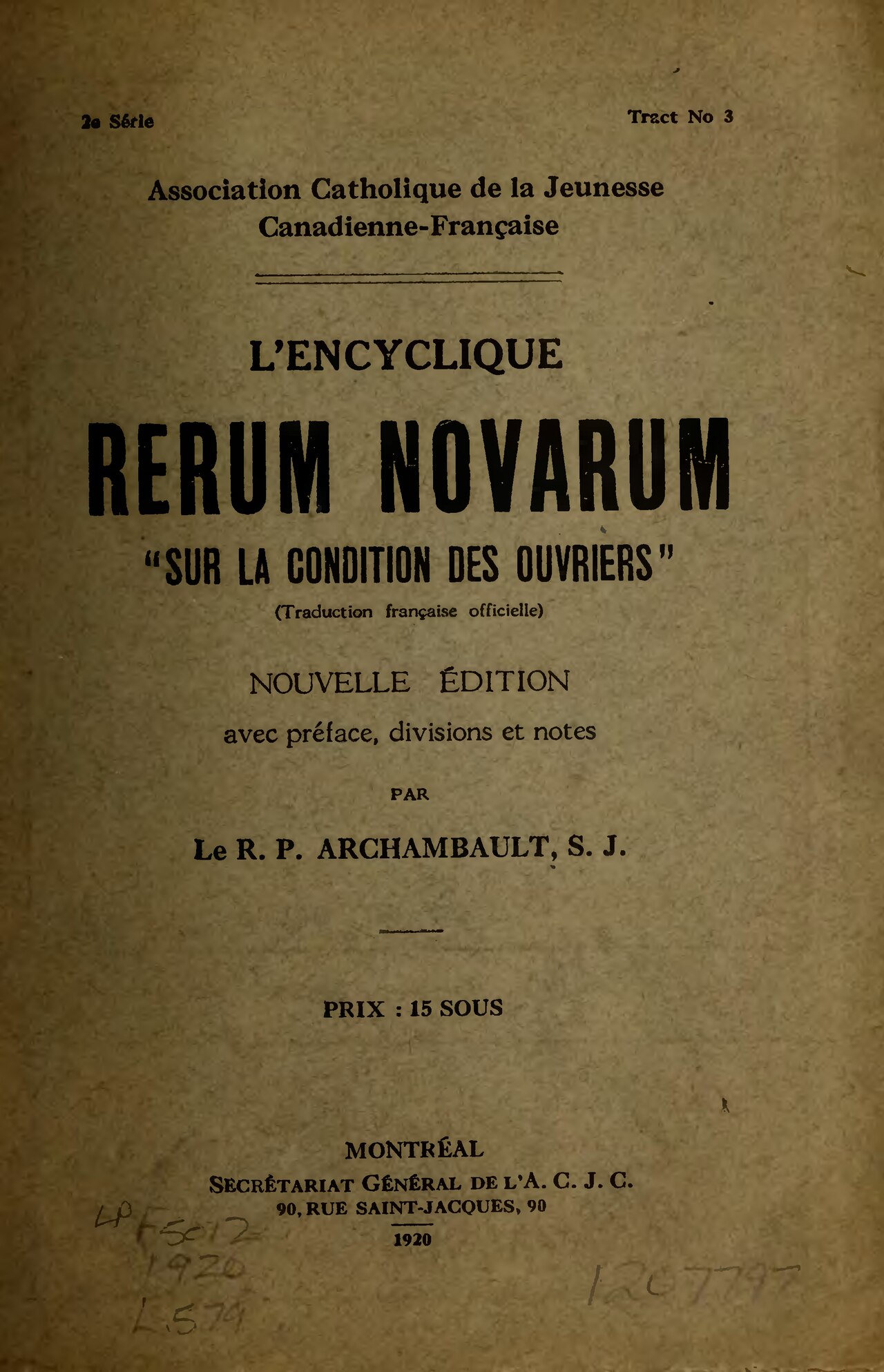 Document
Primary source
Rerum Novarum
Leo XIII · 15 May 1891
Secondary source
Aeterni Patris
Pope Leo XIII · 4 August 1879
Primary source
Humanum Genus
Leo XIII · 20 April 1884
Primary source
Immortale Dei
Leo XIII · 1 November 1885
Free account
Read every Pope Leo XIII source
Sign up free →
Ready when you are
Start chatting with Pope Leo XIII now.
20 messages free · No credit card · Available in 50+ languages.