


Primary sourceBook1634 (written 1608-1609)
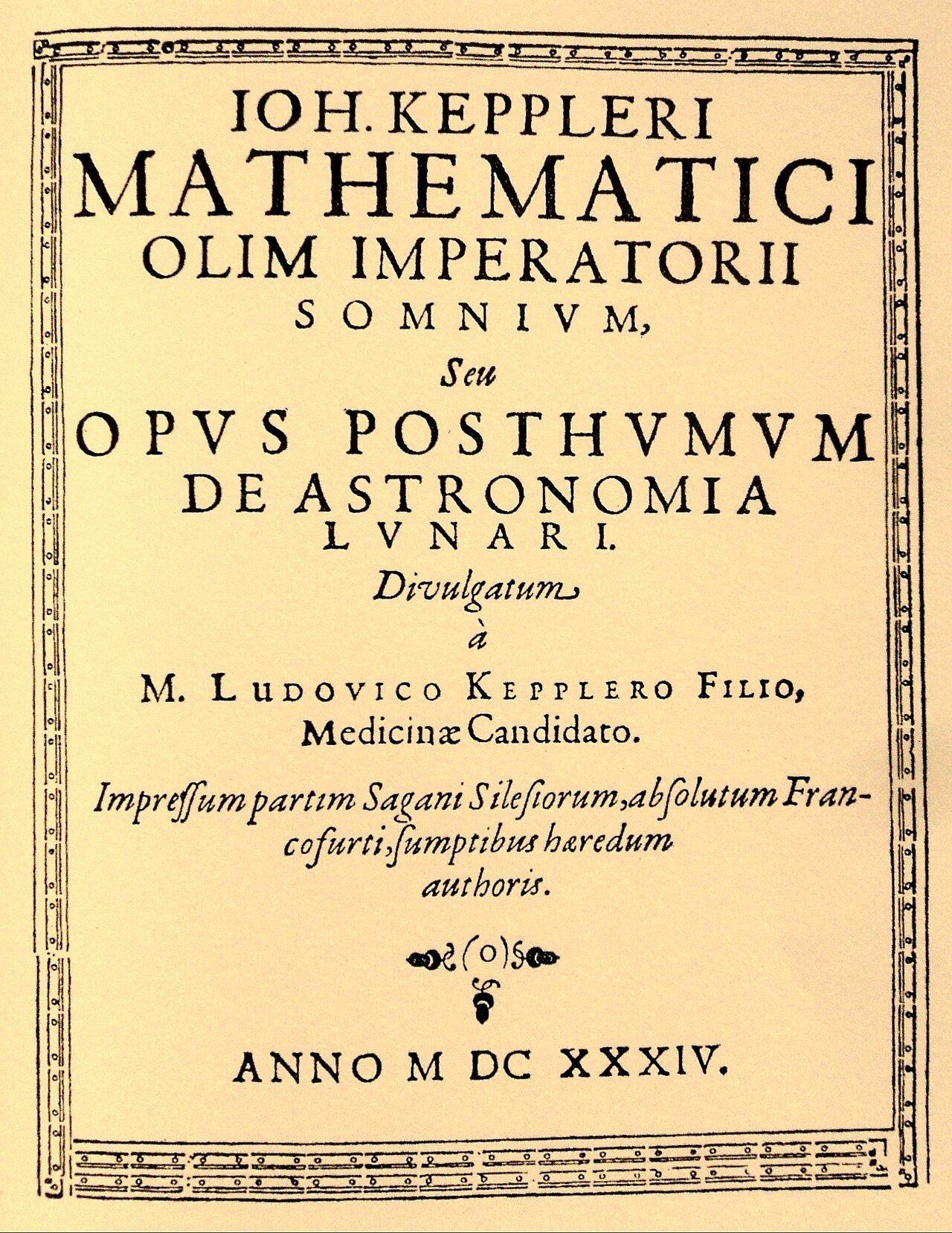
Somnium
Johannes Kepler · 1634 (written 1608-1609)
Kepler's posthumously published dream-tale imagining a journey to the Moon, often called the first work of science fiction.
Kepler's own imaginative work defending Copernican astronomy, published after his death by his son.
About this source
What it is
Somnium ("The Dream") is a Latin novel written by Johannes Kepler, developed from an early student thesis and later published after his death in 1634 by his son Ludwig Kepler. It tells a fictional story of a boy who learns of a journey to the Moon, called Levania, with vivid descriptions of how the Earth would look from there.
Why it matters
Kepler used the fictional story as a way to defend and explain the Copernican idea that the Earth moves, imagining how things would look from the Moon's perspective. The work is considered one of the earliest works of science fiction, and later thinkers such as Carl Sagan and Isaac Asimov praised it as a pioneering blend of scientific thinking and imaginative storytelling.
Look closer
- Why might Kepler have chosen to explain a scientific idea through a fictional dream rather than a plain argument?
- What parts of the story seem based on real astronomy, and what parts are purely imaginative?
- Why was the book not published until after Kepler's death?
This book is part of the curated material that grounds the AI version of Johannes Kepler on Humy.ai — when students ask about related events, the AI can quote it and cite it.
More Johannes Kepler sources
Meet the AI Johannes Kepler →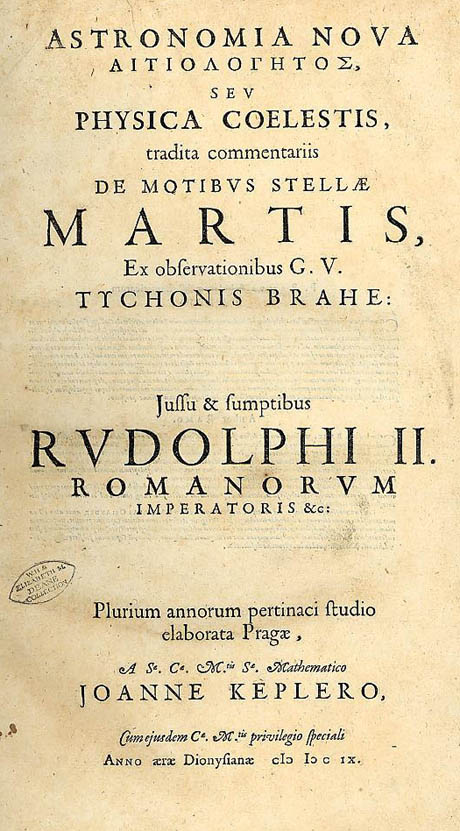 Book
Secondary source
Astronomia Nova
Johannes Kepler · 1609
 Book
Primary source
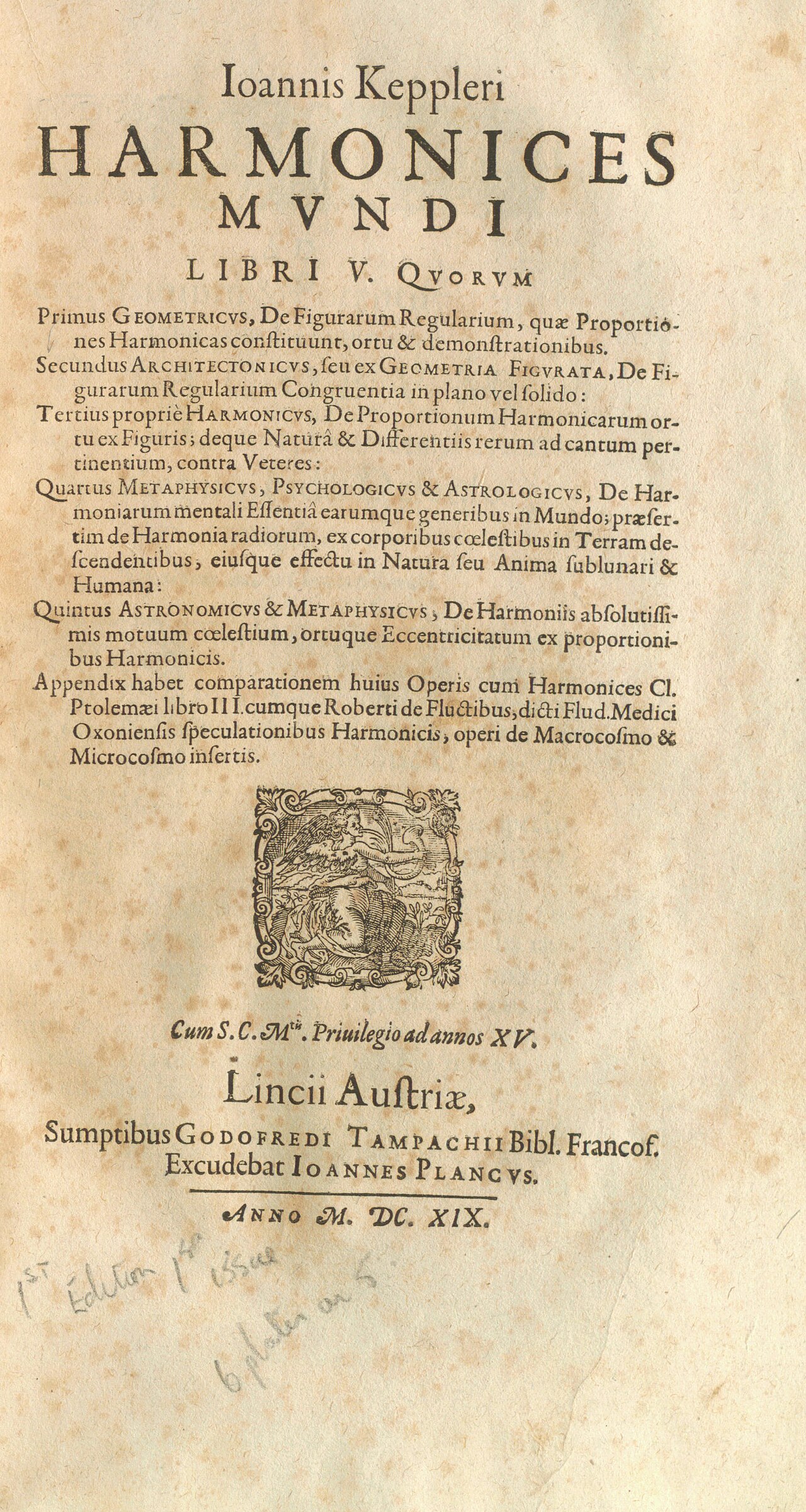
Harmonices Mundi
Johannes Kepler · 1619
 Book
Secondary source
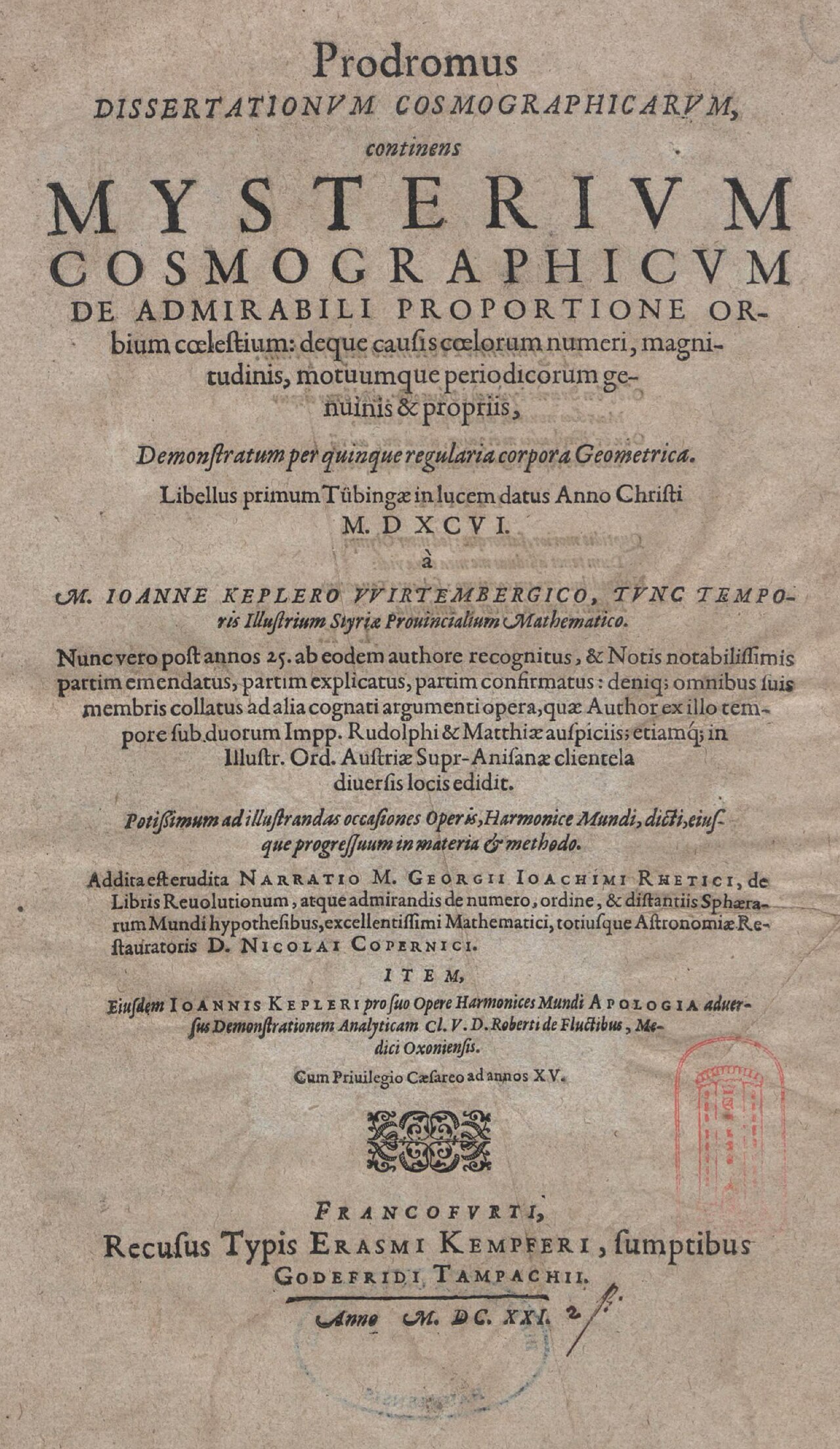
Mysterium Cosmographicum
Johannes Kepler · 1596 (2nd edition 1621)
Secondary source
The Martyrs of Science: Galileo, Tycho Brahe and Kepler
David Brewster
 Book
Secondary source
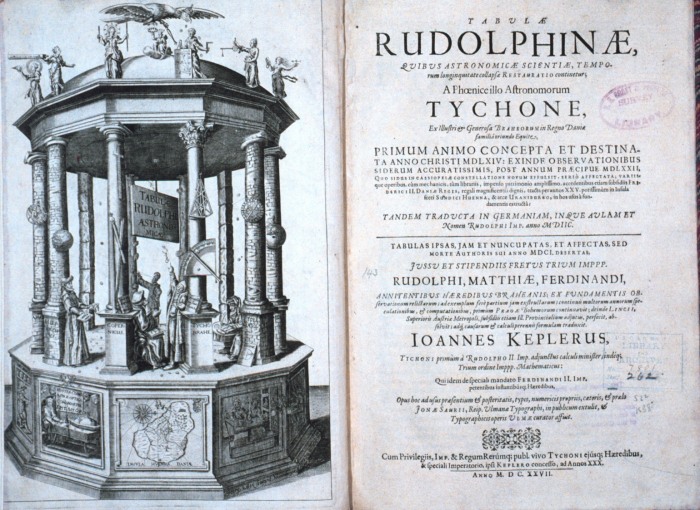
Rudolphine Tables
Johannes Kepler · 1627
Ready when you are
Start chatting with Johannes Kepler now.
20 messages free · No credit card · Available in 50+ languages.