


Primary sourceSculptureModeled 1882, cast c. 1913–23
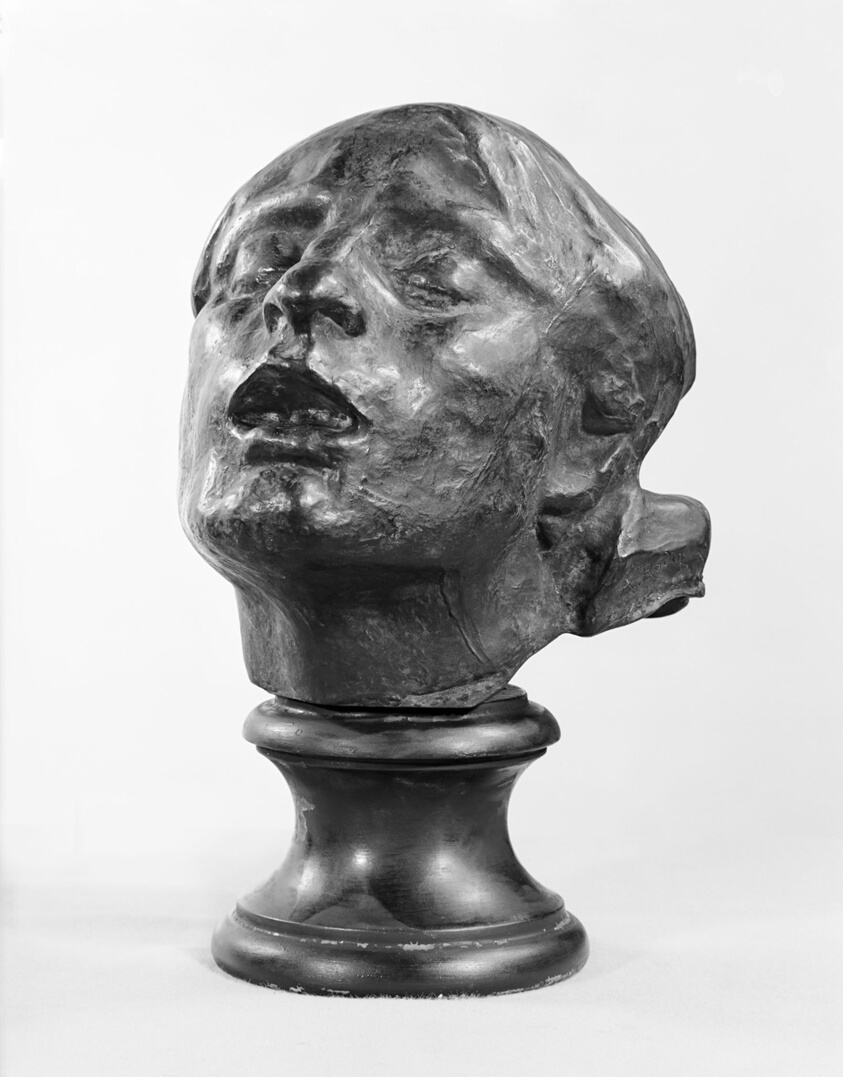
Sorrow
Auguste Rodin · Modeled 1882, cast c. 1913–23
A bronze head by Rodin with closed eyes and an open mouth, expressing intense emotion.
A bronze head sculpted by Rodin demonstrating his focus on raw emotional expression.
About this source
What it is
This bronze sculpture by Auguste Rodin, titled Sorrow, shows a head with closed eyes and an open mouth, tilted upward. It was modeled in 1882 and cast around 1913–23. The piece is held by the Art Institute of Chicago.
Why it matters
The work shows Rodin's skill in conveying strong emotion through sculpted expression alone, without a full body or narrative scene. This focus on raw feeling, rather than idealized calm, was part of what made Rodin's sculpture feel modern and distinct from earlier academic traditions.
Look closer
- What emotion do you think the title Sorrow suggests, and does the expression match it?
- Why might Rodin have chosen to sculpt just a head rather than a full figure?
- What details in the face communicate feeling without using color or context?
This sculpture is part of the curated material that grounds the AI version of Auguste Rodin on Humy.ai — when students ask about related events, the AI can quote it and cite it.
More Auguste Rodin sources
Browse all 98 →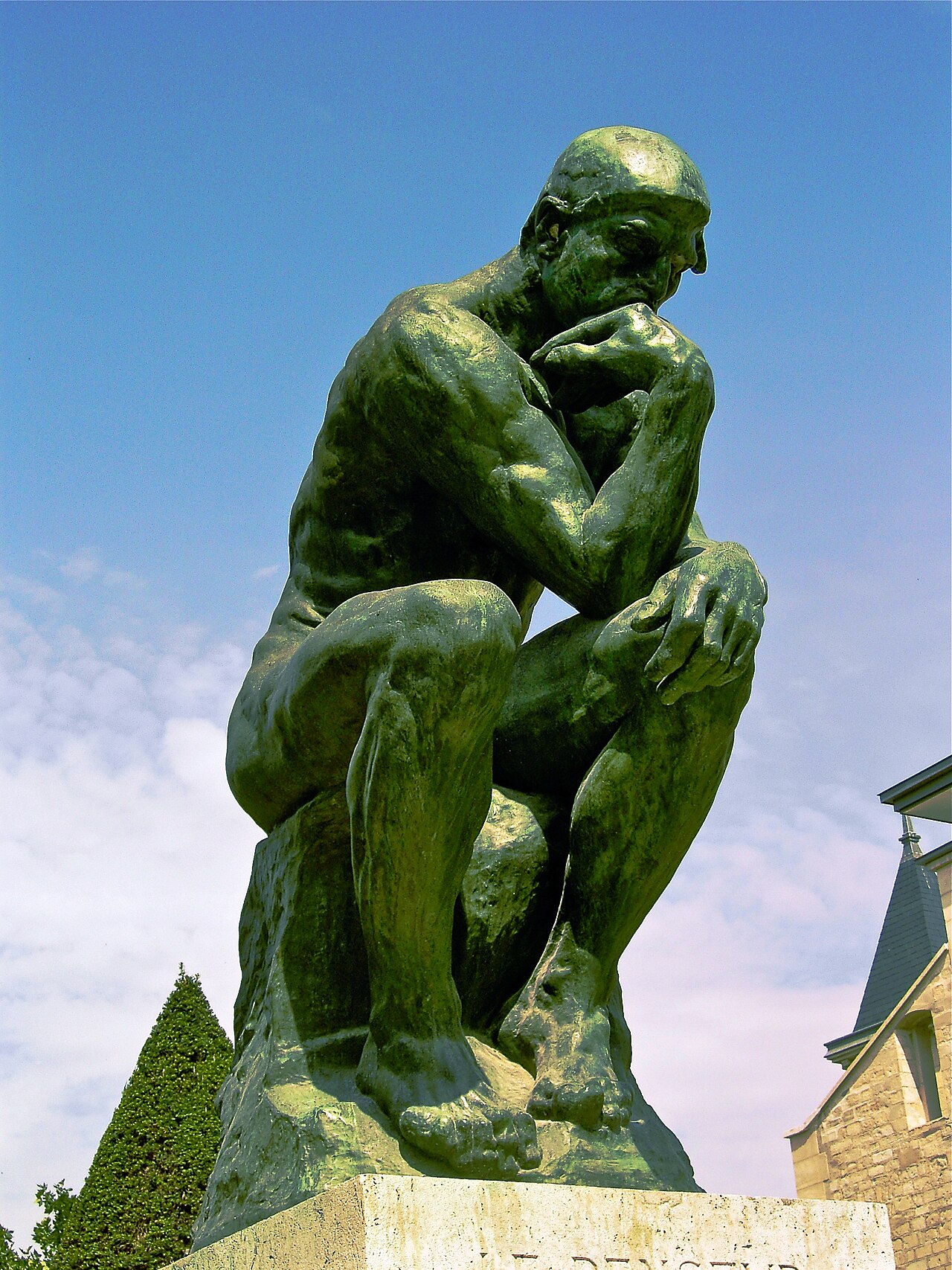 Sculpture
Secondary source
The Thinker
Auguste Rodin · 1882
 Sculpture
Primary source
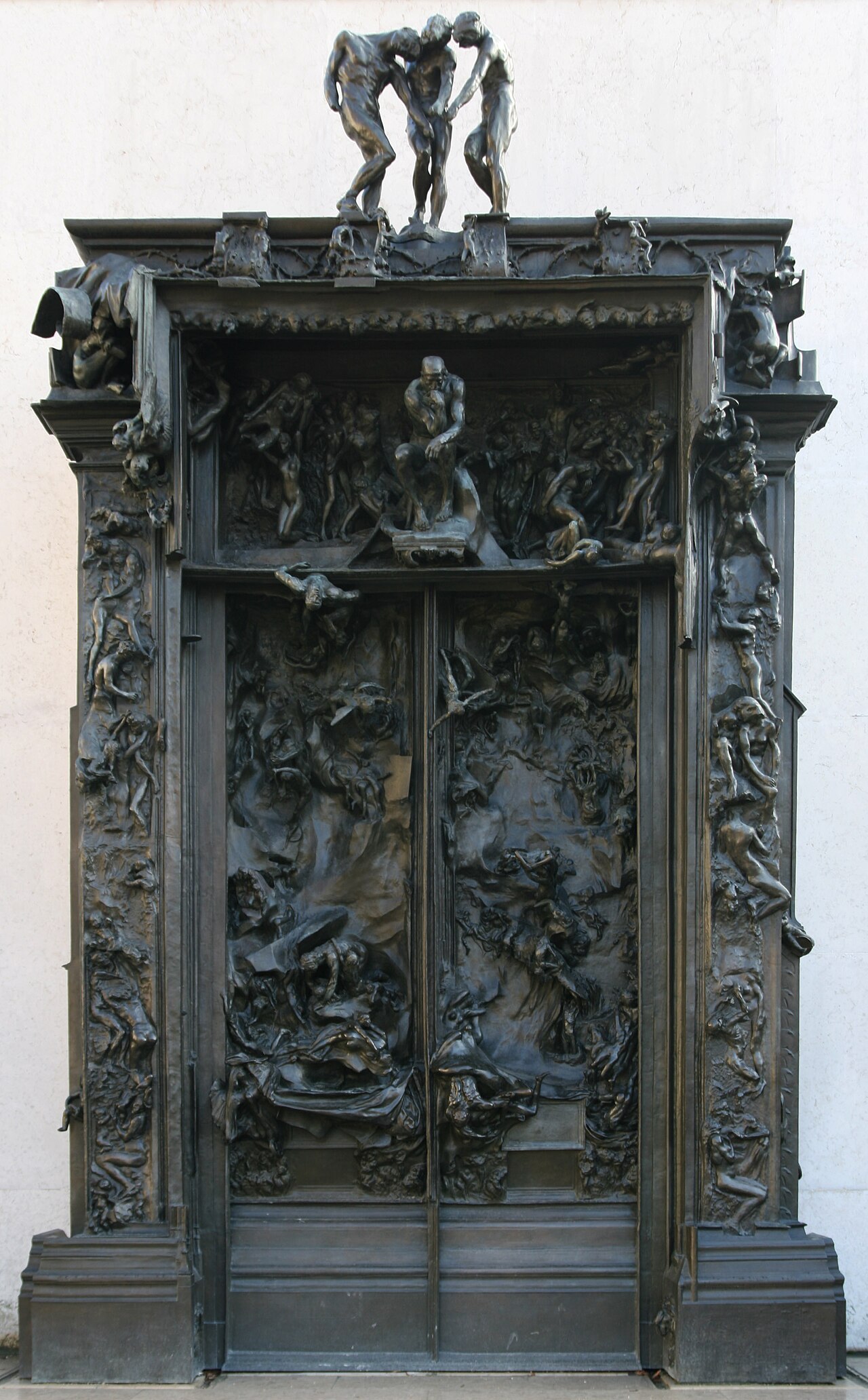
The Gates of Hell
Auguste Rodin · 1880-1917
 Sculpture
Primary source
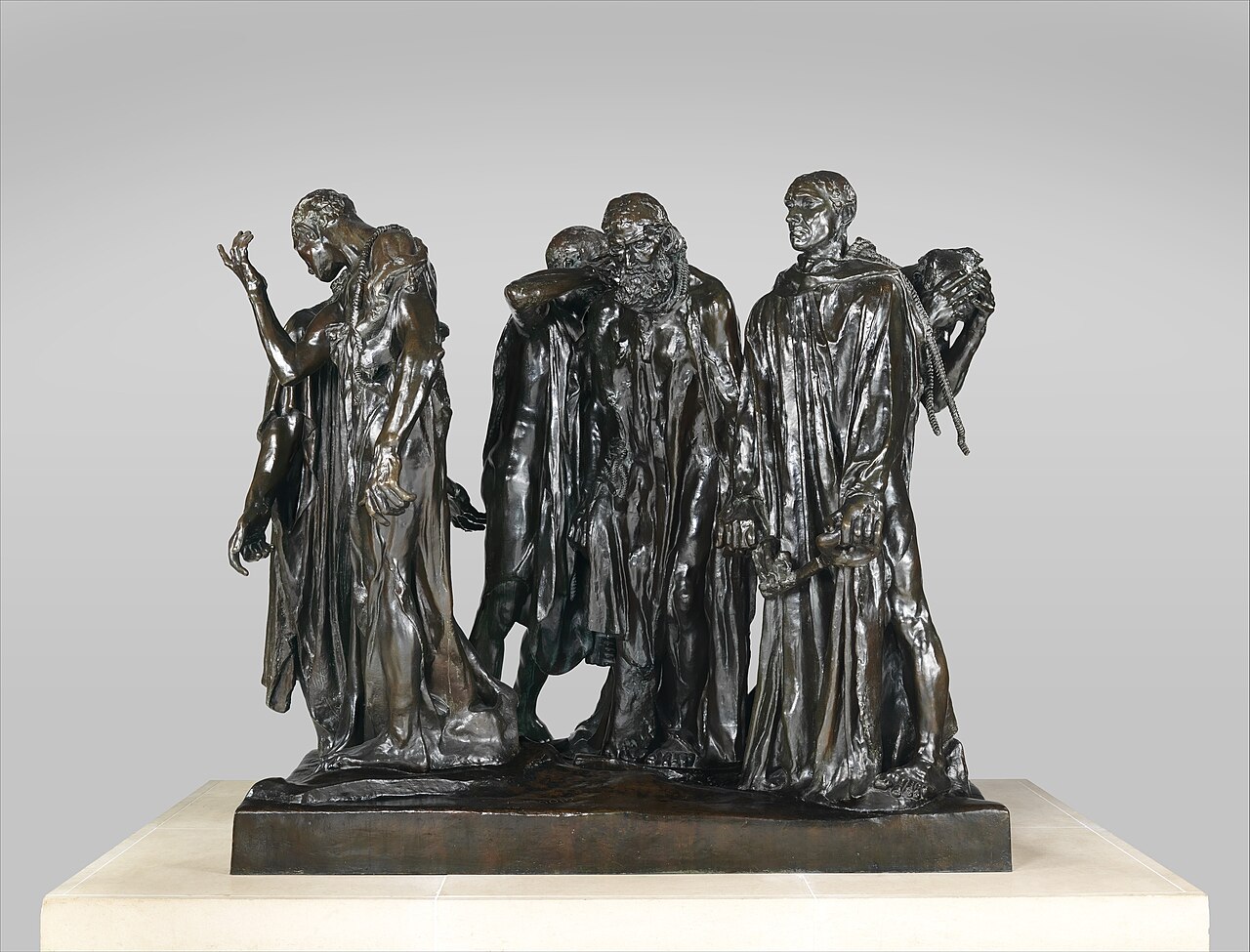
The Burghers of Calais
Auguste Rodin · 1884-1889
 Sculpture
Primary source
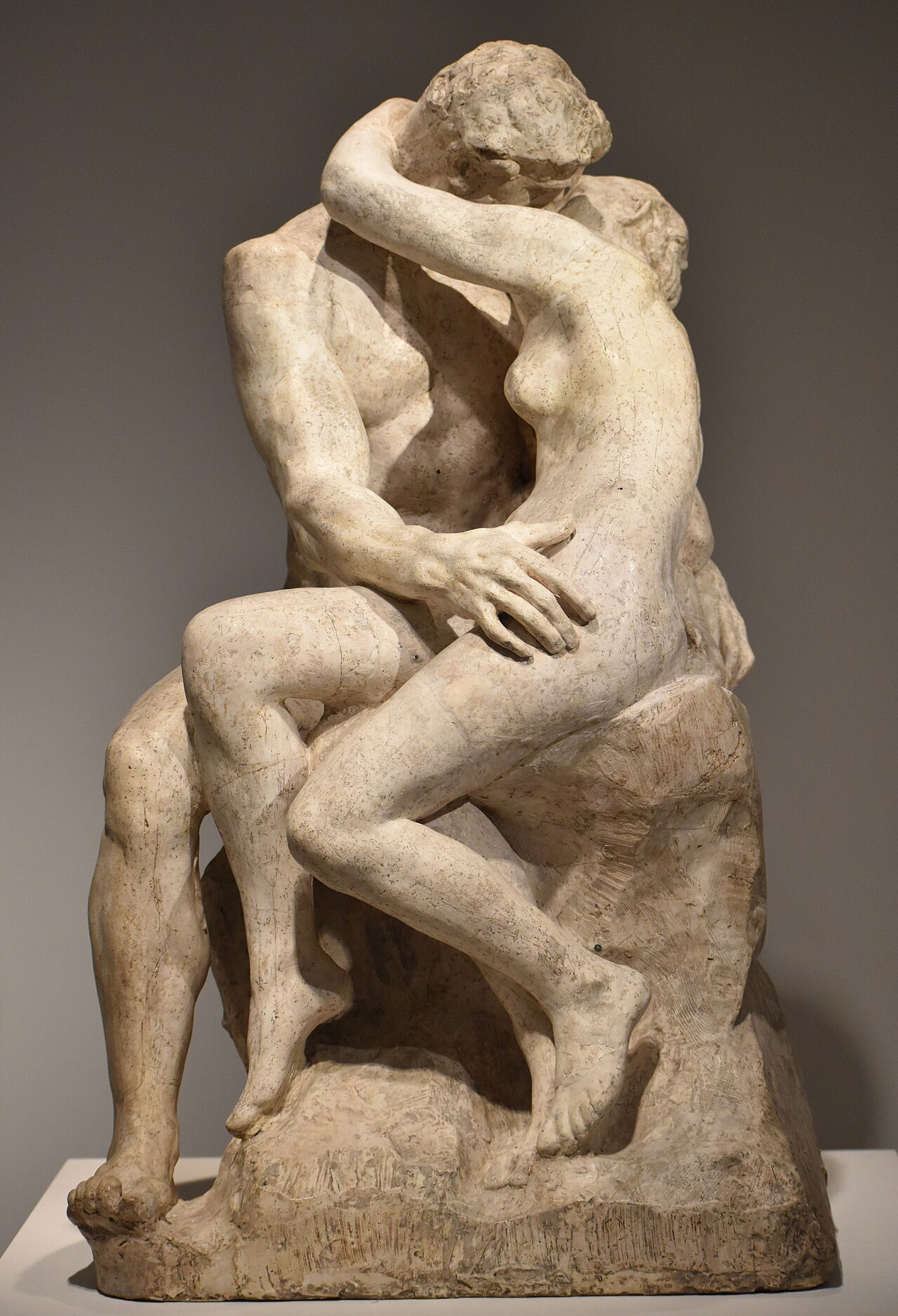
The Kiss
Auguste Rodin · 1882
Free account
Read every Auguste Rodin source
Sign up free →
Ready when you are
Start chatting with Auguste Rodin now.
20 messages free · No credit card · Available in 50+ languages.