


Primary sourceDocument1976
South Dakota v. Opperman
Thurgood Marshall · 1976
A 1976 Supreme Court dissent by Thurgood Marshall, joined by Justices Brennan and Stewart, opposing police inventory searches of closed compartments in impounded cars.
Marshall wrote this dissent as a Supreme Court justice, showing his protective view of Fourth Amendment privacy in car searches.
About this source
What it is
This is a dissenting opinion by Justice Thurgood Marshall in South Dakota v. Opperman (1976), reported as 428 U.S. 364. Marshall wrote it with Justices Brennan and Stewart joining. The opinion objects to a holding that allows a routine police inventory search of the closed glove compartment of a locked car impounded for ordinary traffic violations. The text is listed on Wikisource, which holds a transcription rather than the original document.
Why it matters
The case concerns the Fourth Amendment, which protects people against unreasonable searches. Marshall argues that the Court's holding allows searches without asking the owner for consent and without a particular reason to think the car holds contraband, evidence, or valuables. He says the decision conflicts with established Fourth Amendment principles. The dissent shows how the justices of the 1970s disagreed about the limits of police power over ordinary drivers.
Look closer
- What does the Court's holding allow police to do without consent or a particular reason?
- Which privacy interest of the car owner does Marshall set against the government's interest?
- What does this text leave out about the police side of the argument?
This document is part of the curated material that grounds the AI version of Thurgood Marshall on Humy.ai — when students ask about related events, the AI can quote it and cite it.
More Thurgood Marshall sources
Meet the AI Thurgood Marshall →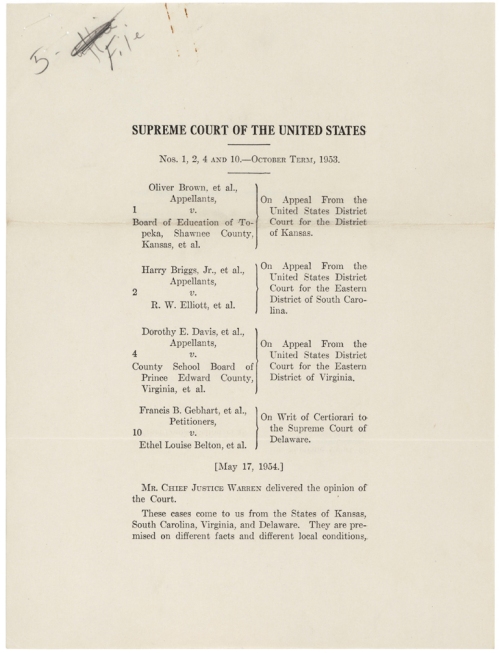 Document
Primary source
Brown v. Board of Education
Earl Warren · 17 May 1954
 Painting
Primary source
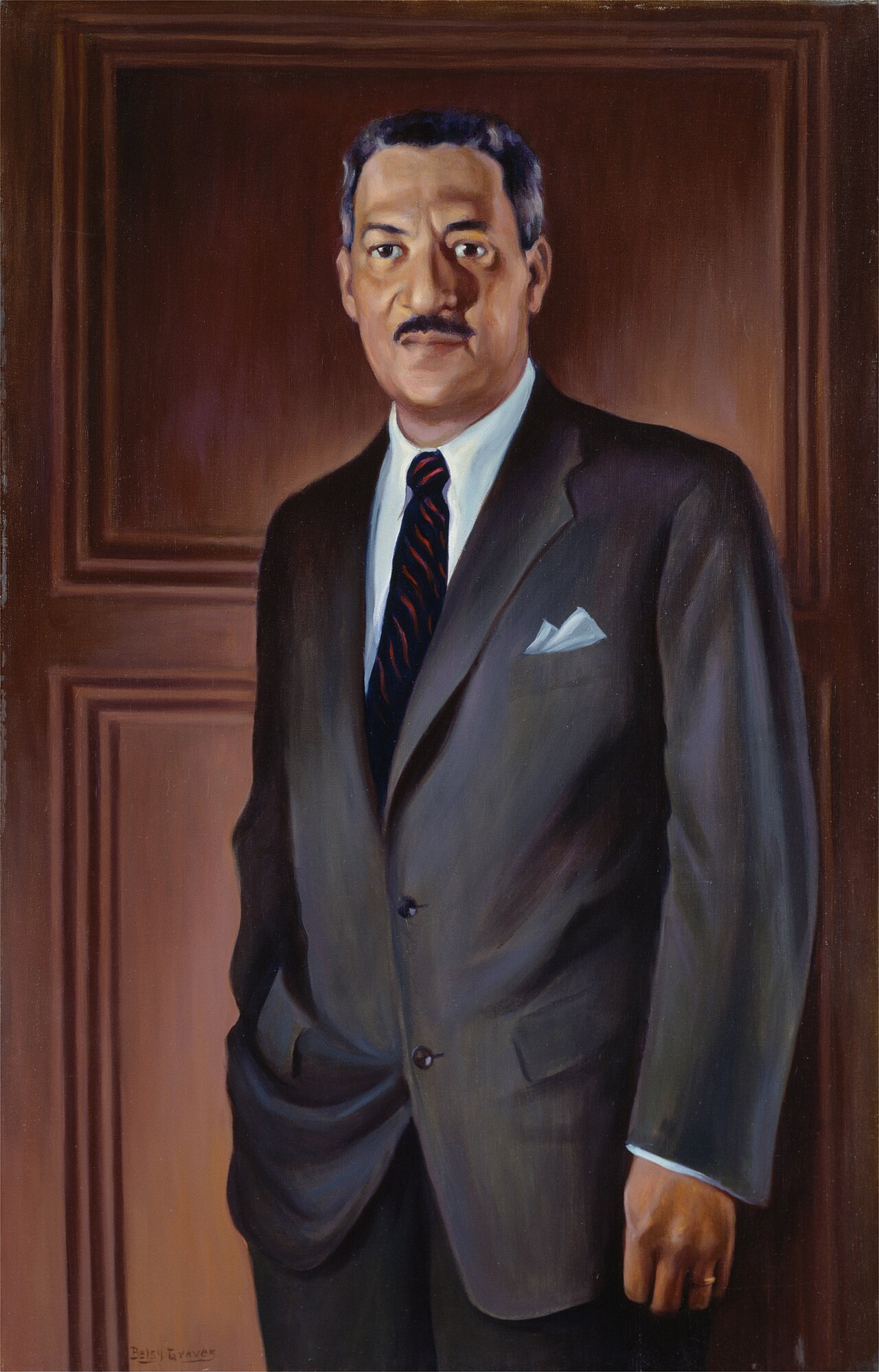
Thurgood Marshall
Betsy Graves Reyneau · 1956
 Photograph
Primary source
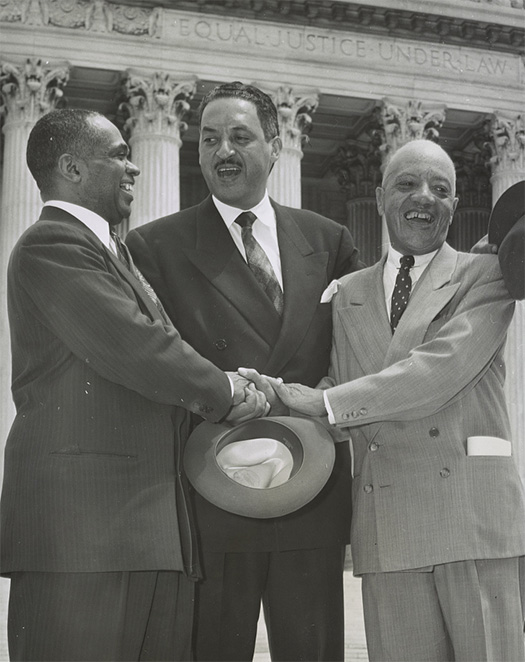
George Edward Chalmer Hayes, Thurgood Marshall, and James Nabrit in 1954 winning Brown case
1954
 Photograph
Primary source
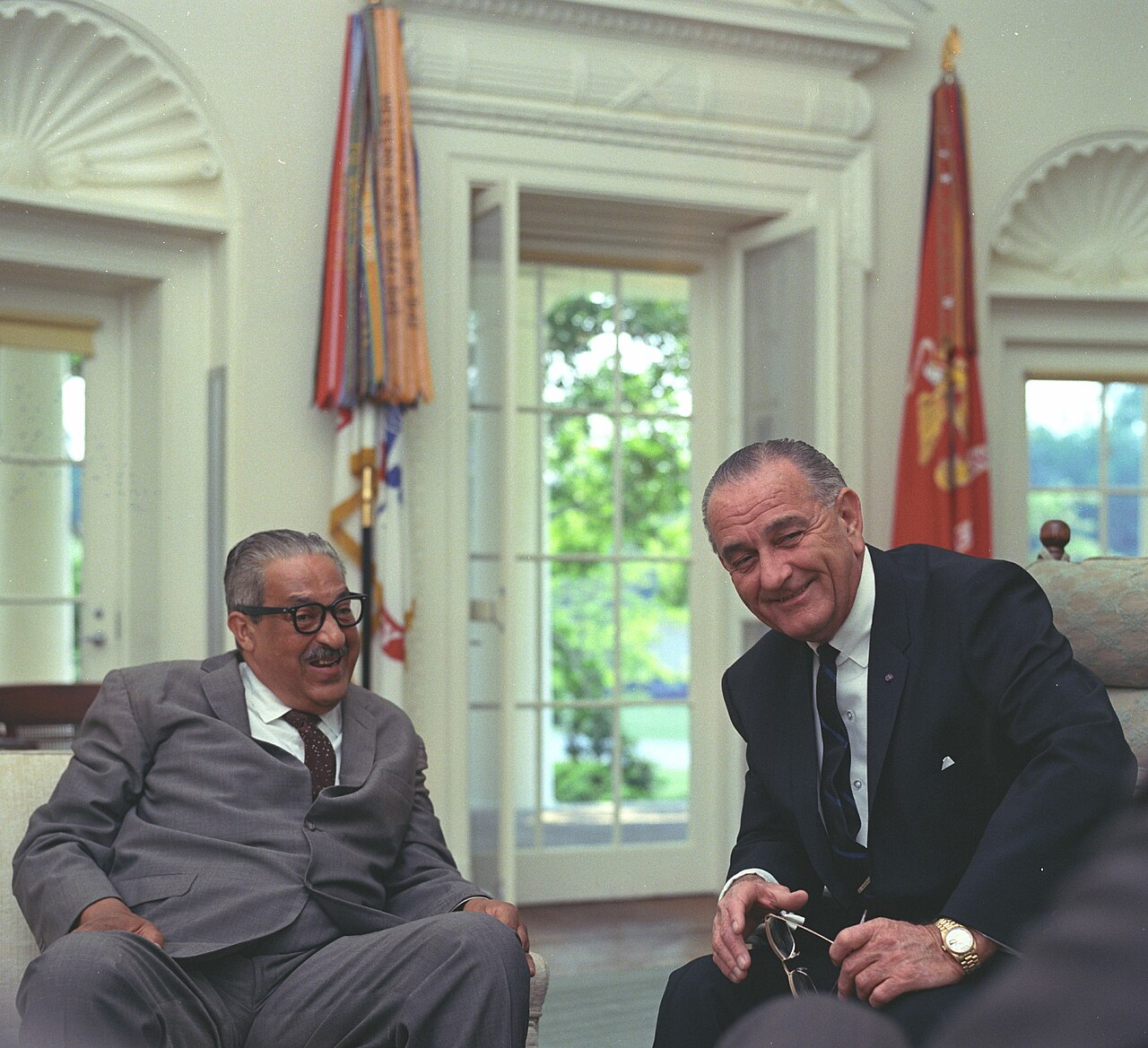
Thurgood Marshall and President Lyndon B. Johnson, June 13, 1967
Frank Wolfe · 13 June 1967
Primary source
Cooper v. Aaron
12 September 1958
Ready when you are
Start chatting with Thurgood Marshall now.
20 messages free · No credit card · Available in 50+ languages.