


Primary sourceArtifact1881-82
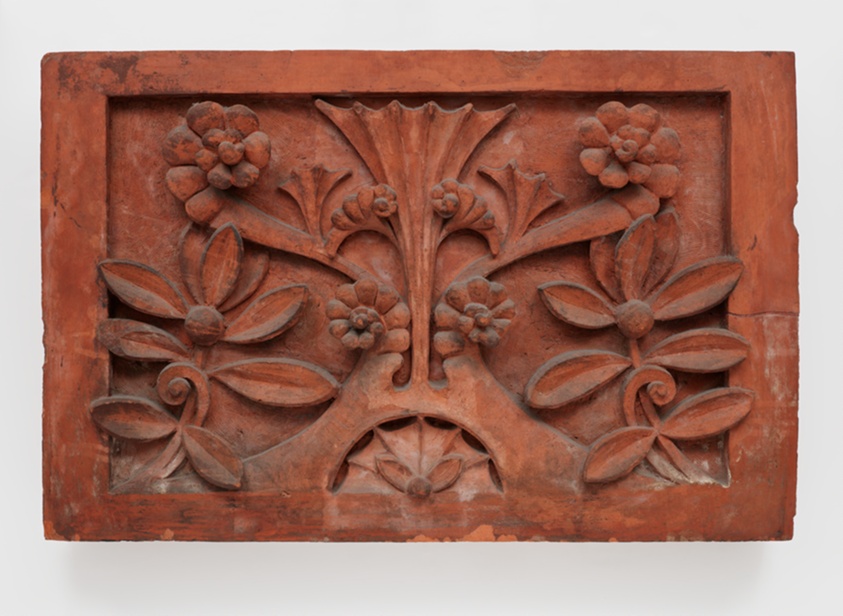
Spandrel Panel from the Rosenfeld Building
Adler & Sullivan, Architects · 1881-82
A terracotta ornamental panel designed by Adler & Sullivan for Chicago's Rosenfeld Building, demolished in 1958.
Designed by Sullivan's firm, this panel is physical evidence of his early ornamental style for commercial buildings.
About this source
What it is
This is a terracotta spandrel panel made by the architecture firm Adler & Sullivan, led by Dankmar Adler and Louis Sullivan, for the Rosenfeld Building in Chicago, built in 1881-82. The building was demolished in 1958, but this panel survives and is now held by the Art Institute of Chicago.
Why it matters
Panels like this show Sullivan's interest in rich, flowing ornament covering the surfaces of modern commercial buildings. Terracotta was a practical, fireproof material that could be molded into intricate relief designs, letting architects decorate buildings cheaply and durably. This piece is a rare physical trace of a building that no longer exists.
Look closer
- What kind of shapes and patterns can you see in the relief carving?
- Why might a building's owners want decorative ornament even on functional parts like the space between windows (a spandrel)?
- What does the survival of this piece after demolition tell us about how museums preserve architecture?
This artifact is part of the curated material that grounds the AI version of Louis Sullivan on Humy.ai — when students ask about related events, the AI can quote it and cite it.
More Louis Sullivan sources
Meet the AI Louis Sullivan →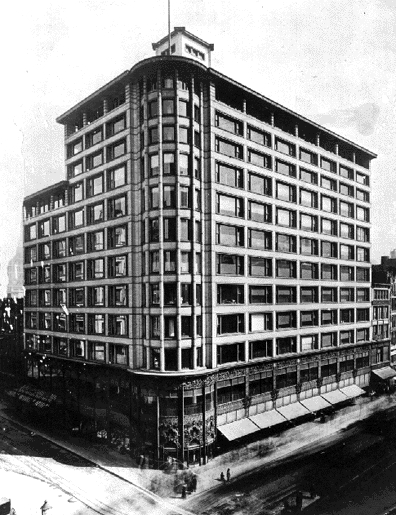 Artifact
Primary source
Sullivan Center
Louis Sullivan · 1899–1907
 Artifact
Primary source
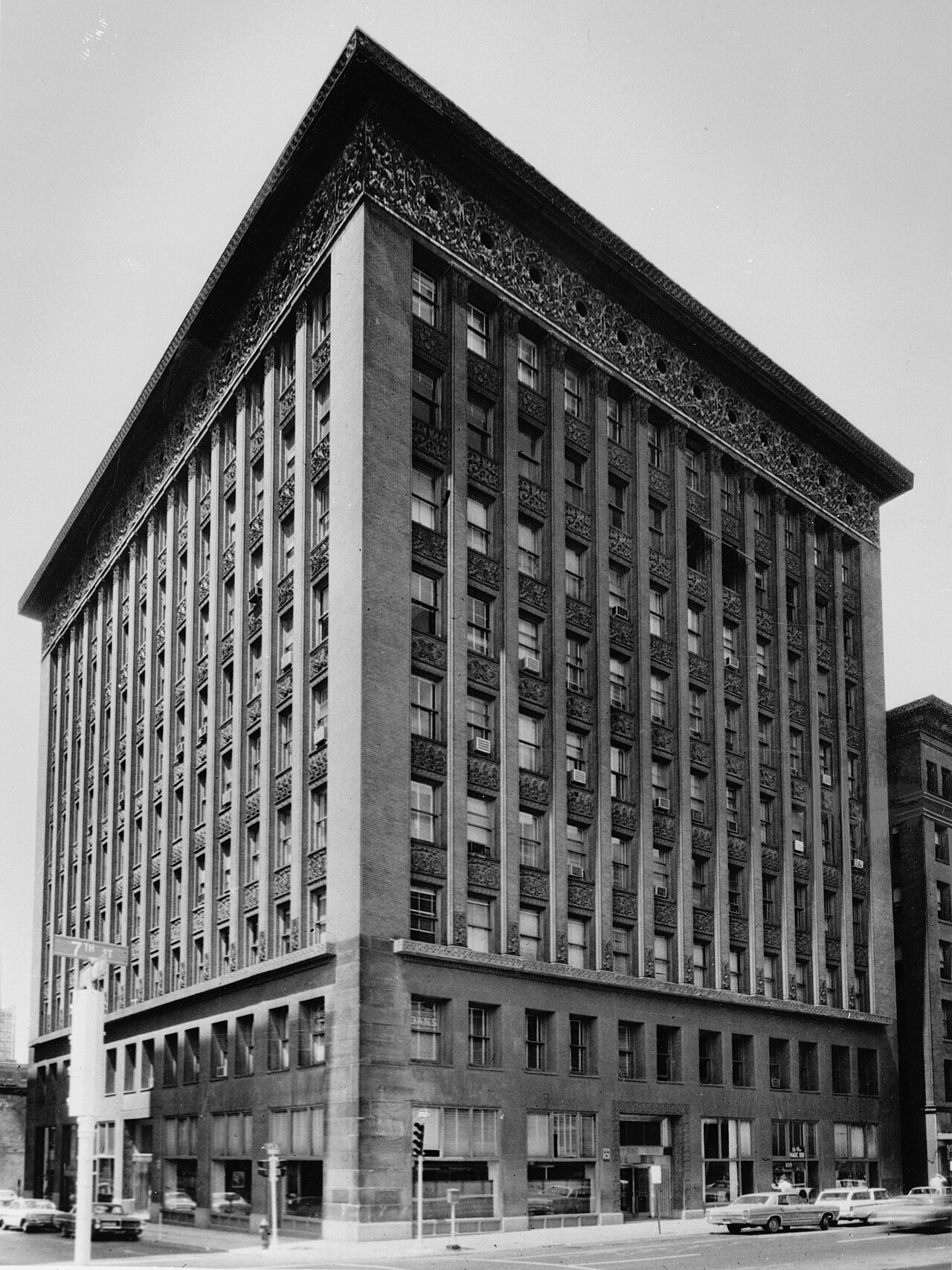
Wainwright Building
Adler & Sullivan · 1890–1891
 Artifact
Primary source
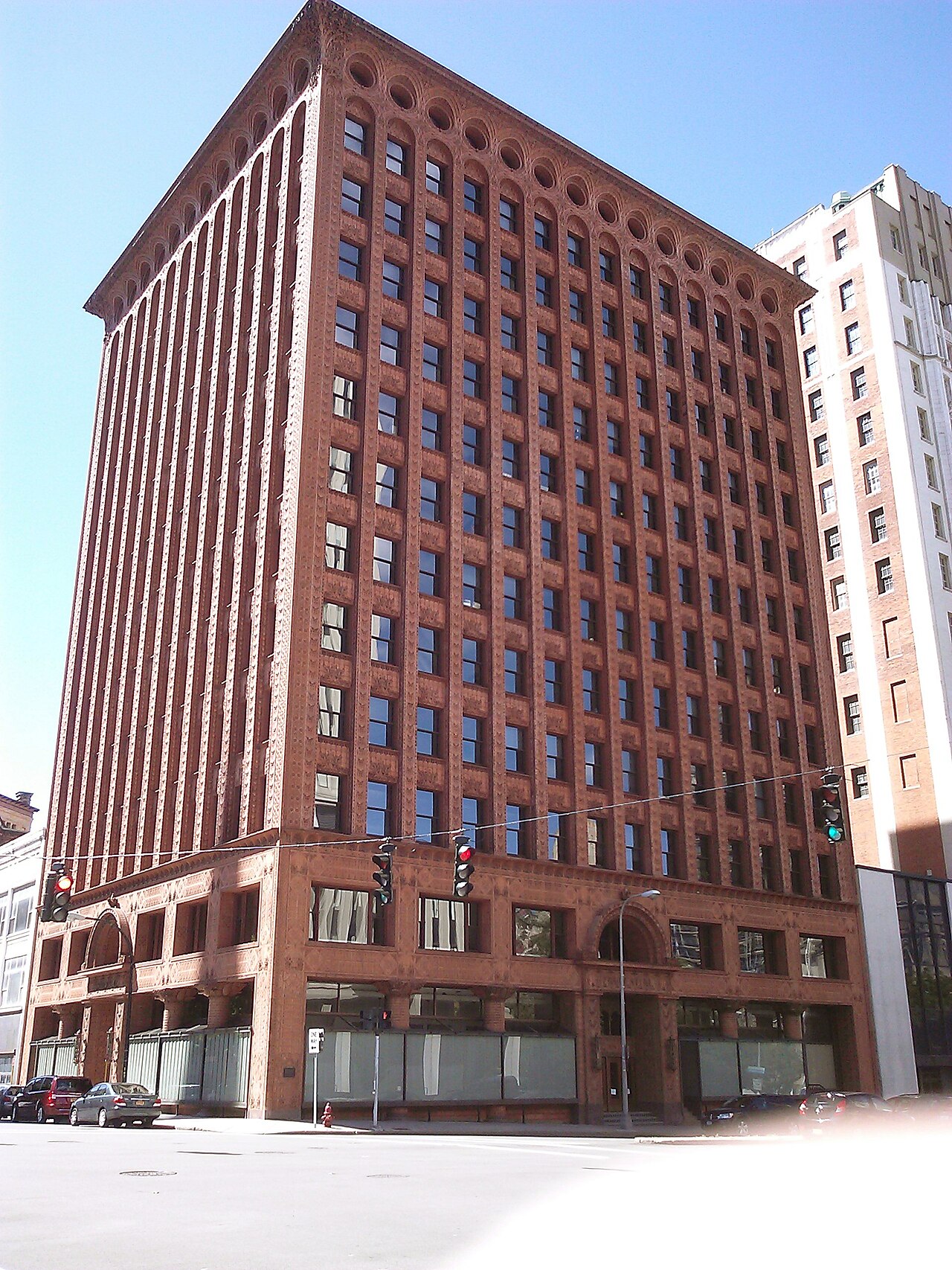
Guaranty Building
Louis Sullivan and Dankmar Adler · 1896
 Artifact
Primary source
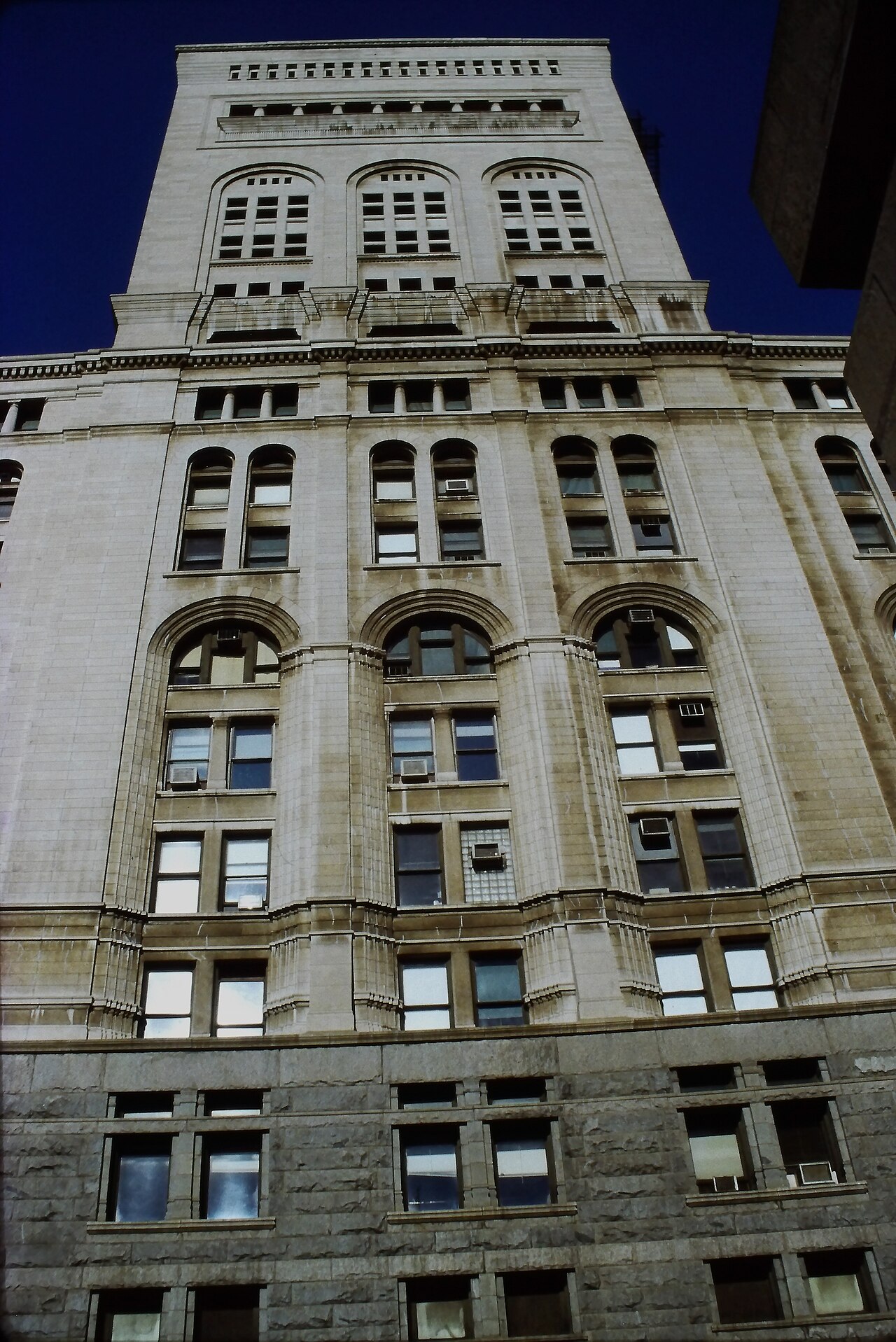
Auditorium Building, Chicago
Adler & Sullivan · 1886–1889
Primary source
The Autobiography of an Idea
Louis Sullivan · 1924
Ready when you are
Start chatting with Louis Sullivan now.
20 messages free · No credit card · Available in 50+ languages.