


Primary sourceArtifactc. 1492–1473 BCE
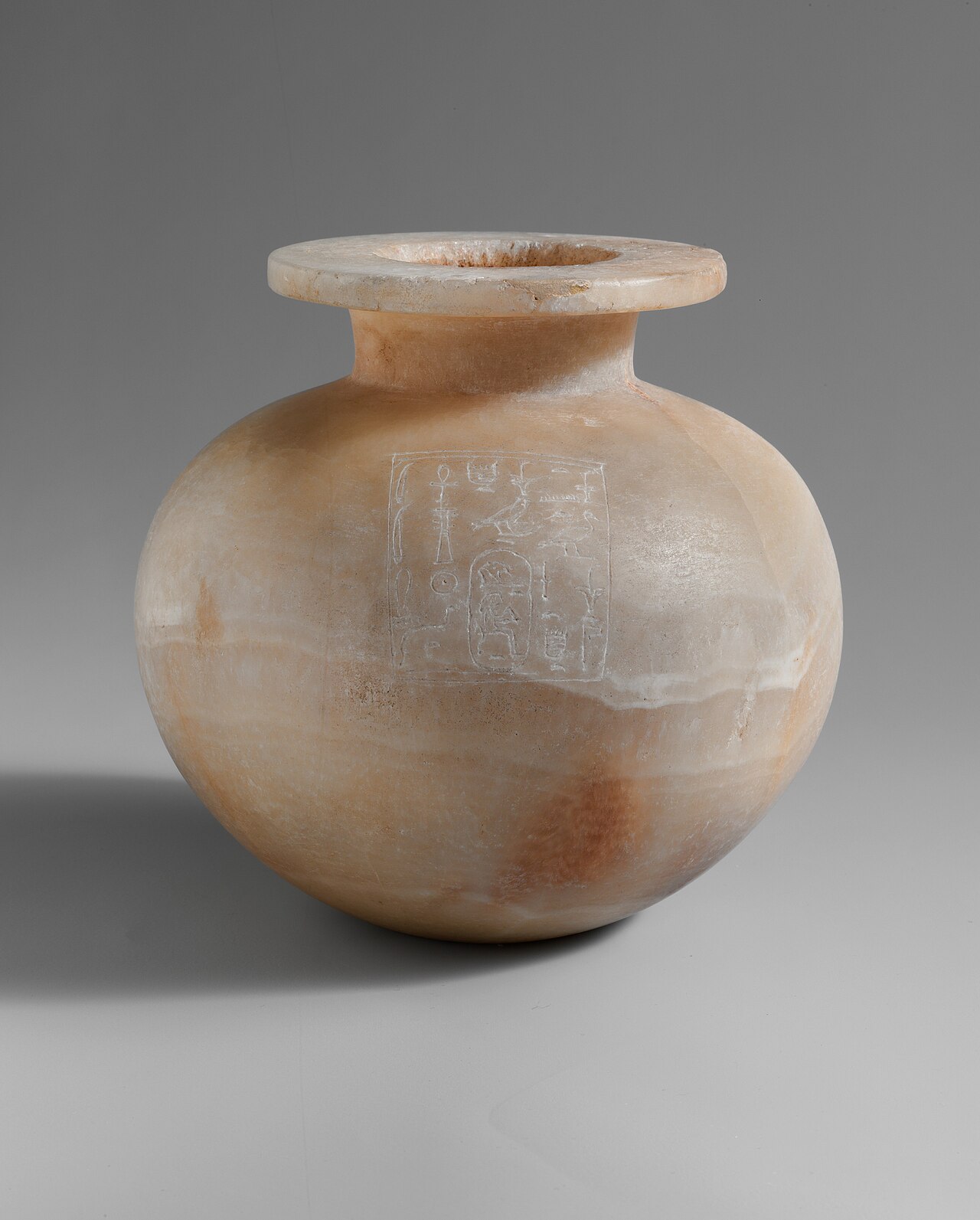
Spherical Jar Inscribed with Hatshepsut's Titles as Queen
c. 1492–1473 BCE
An alabaster jar carved with hieroglyphic titles naming Hatshepsut as queen, from before she became pharaoh.
This jar is inscribed with Hatshepsut's titles from her time as queen, before she became pharaoh.
About this source
What it is
This is a spherical alabaster jar with a wide flat rim and short neck, dating from around 1492–1473 BCE, early in the Eighteenth Dynasty. A rectangular panel on its side is carved with hieroglyphic signs, including a cartouche-like sign, naming Hatshepsut's titles.
Why it matters
At this point in her life, Hatshepsut held the title of queen rather than pharaoh. Objects like this jar, inscribed with her name and titles, are direct evidence of her status before she took the throne, helping historians trace how her position changed over time.
Look closer
- What might this jar have been used for in daily or ceremonial life?
- Why would someone carve a ruler's titles onto an everyday object like a jar?
- How does this object differ from the sculptures that show Hatshepsut as pharaoh?
This artifact is part of the curated material that grounds the AI version of Hatshepsut on Humy.ai — when students ask about related events, the AI can quote it and cite it.
More Hatshepsut sources
Meet the AI Hatshepsut →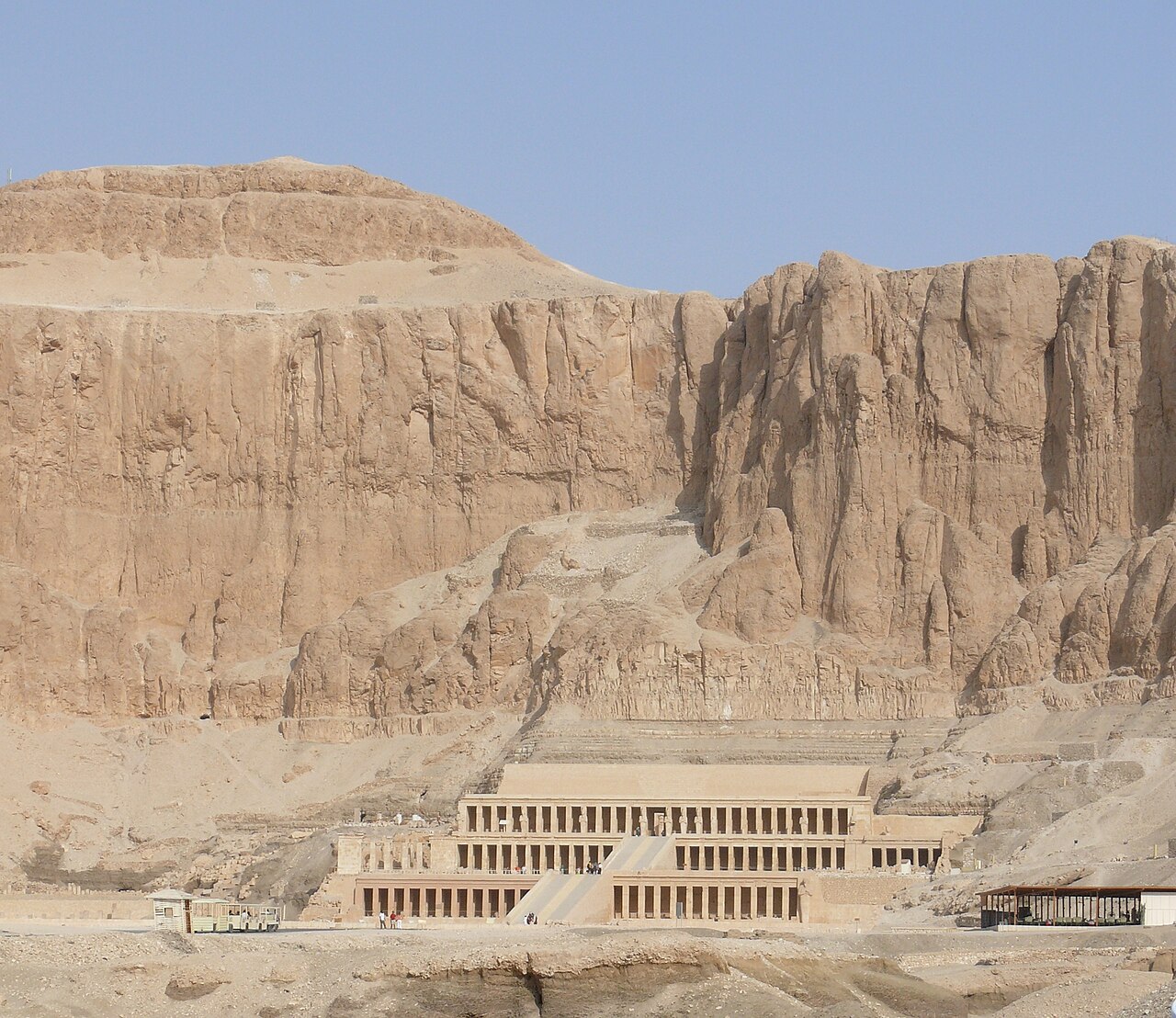 Artifact
Primary source
Mortuary Temple of Hatshepsut
Senenmut and/or Hapuseneb (attributed) · c. 1479–1458 BCE
 Photograph
Secondary source
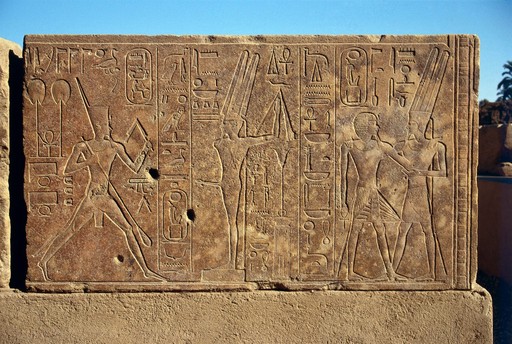
Hatshepsut Dancing Before Min, Karnak Relief
Carole Reeves · 1989
 Sculpture
Primary source
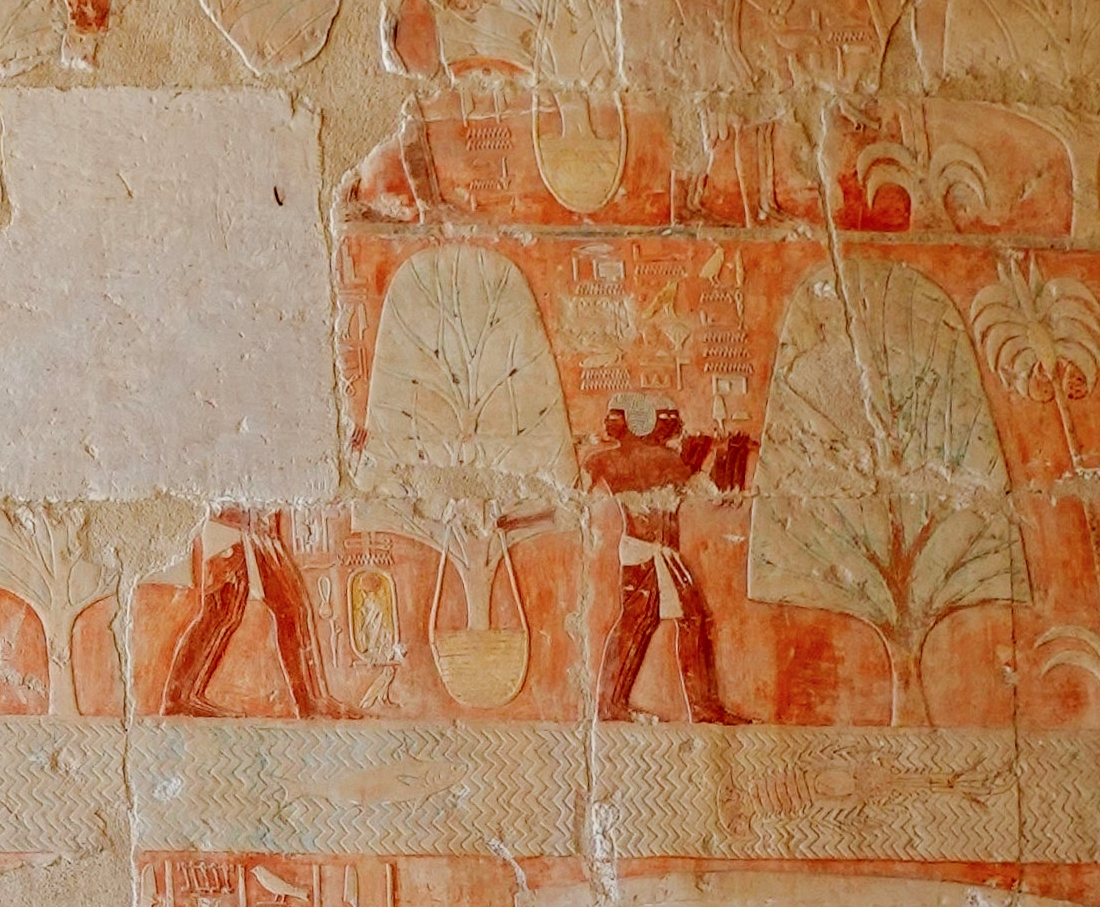
Punt Expedition Reliefs
Royal workshops of Hatshepsut · c. 1470 BCE
 Sculpture
Primary source
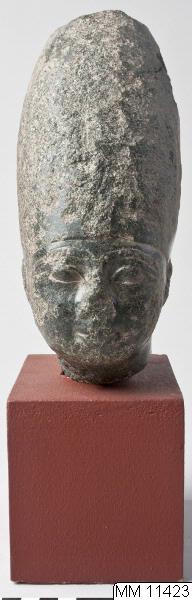
Sculpture Head Probably of Hatshepsut
 Sculpture
Primary source
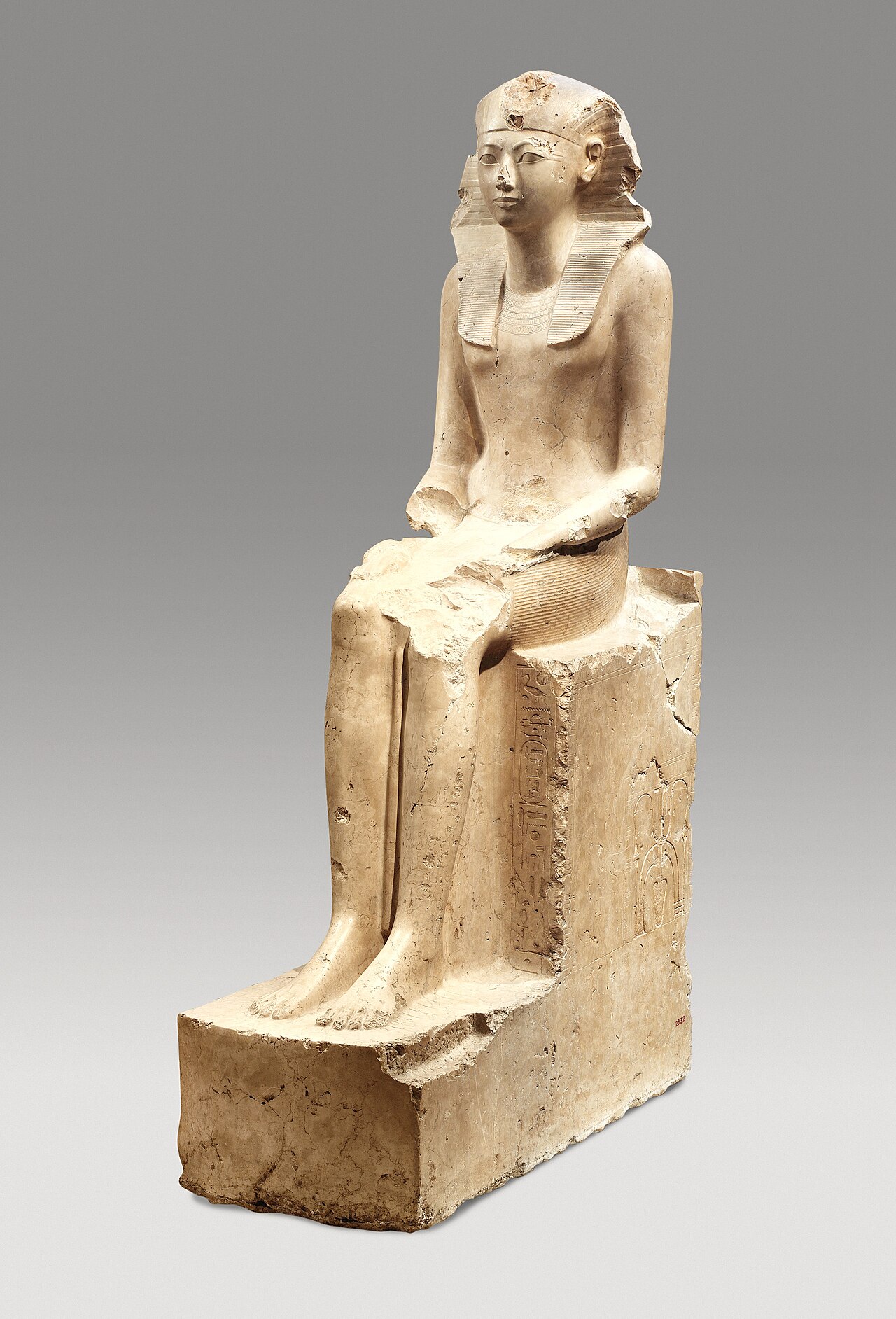
Seated Statue of Hatshepsut
c. 1466 BCE
Ready when you are
Start chatting with Hatshepsut now.
20 messages free · No credit card · Available in 50+ languages.