


Secondary sourceArtifact12th century, strengthened after 1242
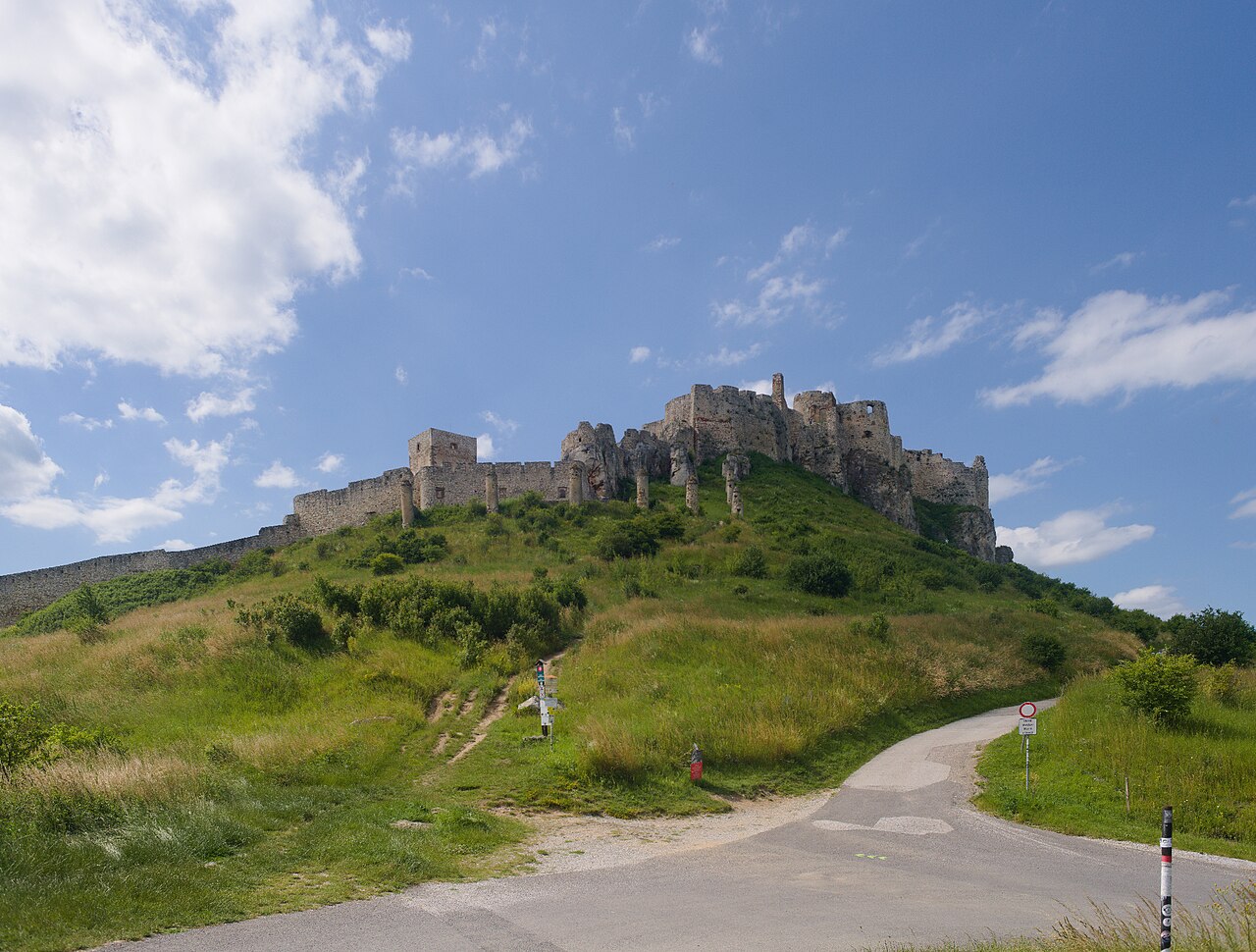
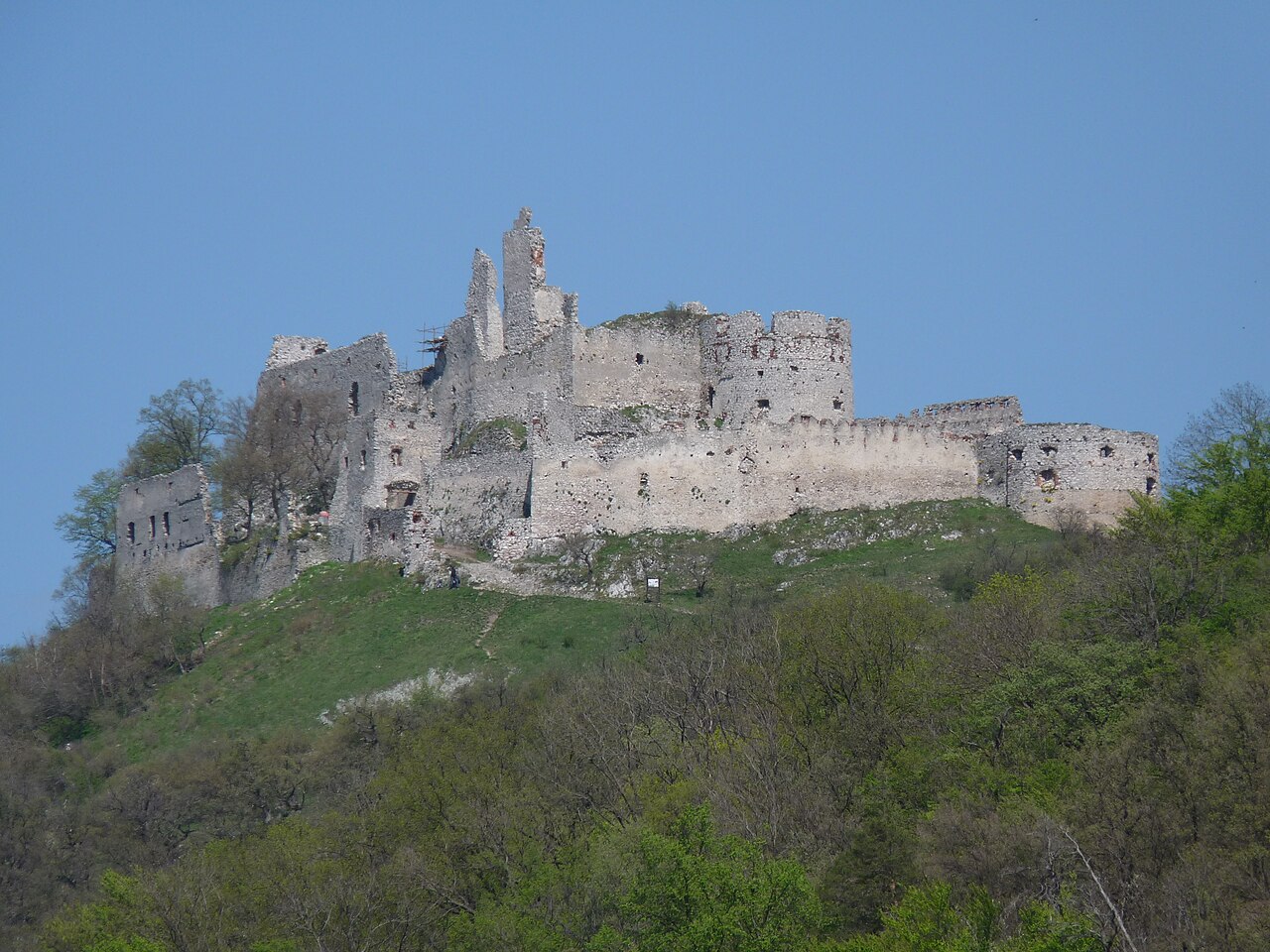
Spiš Castle
12th century, strengthened after 1242
A massive hilltop castle in eastern Slovakia, strengthened in the stone-fortress building programme that Béla IV promoted after the Mongol invasion.
The castle's post-1242 strengthening illustrates Béla IV's kingdom-wide programme of stone fortress building after the Mongol invasion.
Free Humy account · No credit card · 120,288 sources to read
About this source
What it is
Spiš Castle is a ruined medieval castle complex in eastern Slovakia, originally dating to the beginning of the 12th century. It stood as a border fort of the Kingdom of Hungary and later became the administrative centre of Szepes county. Today it is managed as a museum site and is part of a UNESCO World Heritage listing.
Why it matters
The castle's stone defences withstood the Mongol invasion of 1241-1242, an experience that shaped King Béla IV's later policy. After the devastation caused by the Mongols, Béla encouraged the building and strengthening of stone fortresses across his kingdom, and Spiš Castle is an example of this programme. It shows how a single military crisis changed the landscape of an entire kingdom.
Look closer
- What features of the castle's design would have helped it survive an attack?
- Why might a king want many stone castles built across his territory rather than relying on wooden ones?
- What does the castle's long history after Béla's reign tell us about why it was valued for centuries?
This artifact is part of the curated material that grounds the AI version of Béla IV of Hungary on Humy.ai — when students ask about related events, the AI can quote it and cite it.
More Béla IV of Hungary sources
Browse all 66 →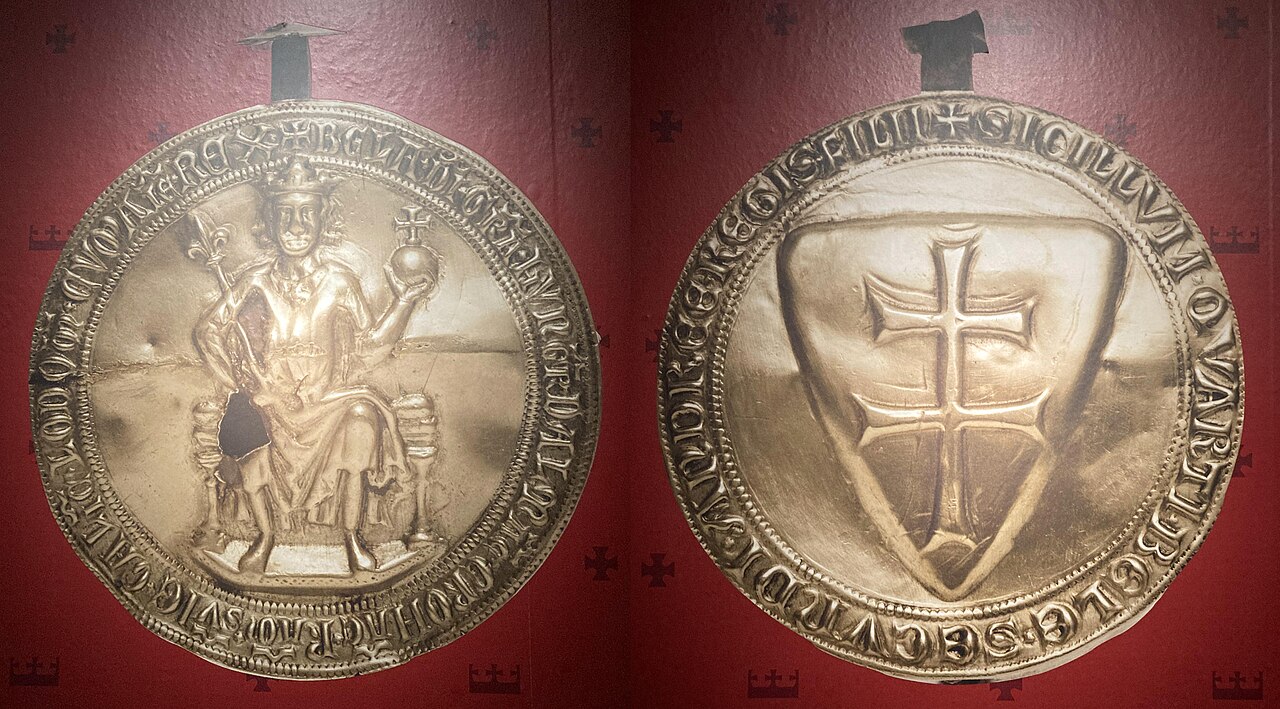 Artifact
Primary source
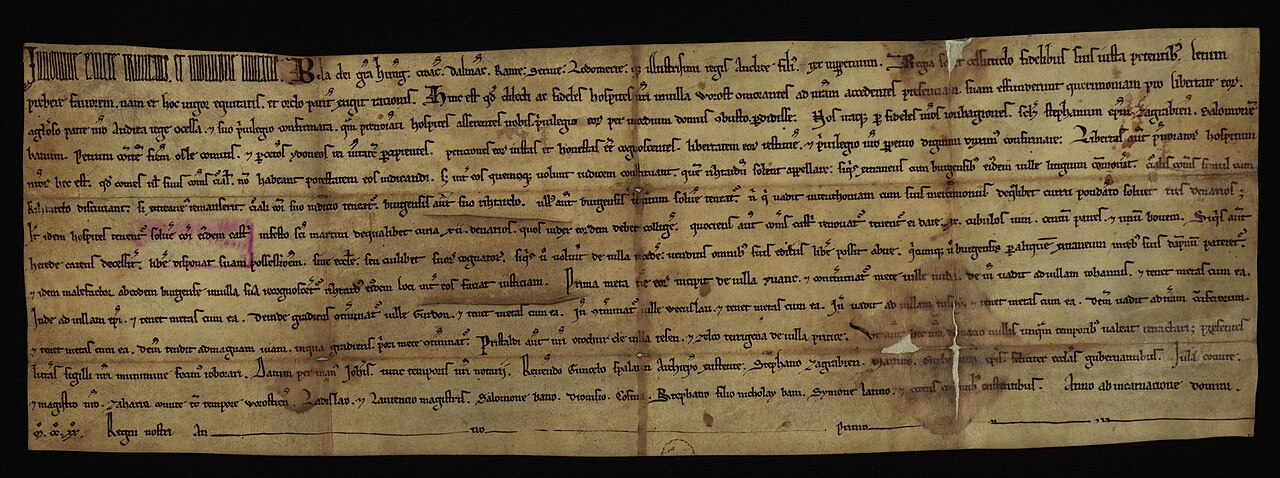
Golden Seal of Béla IV
1235–1270
 Artifact
Primary source
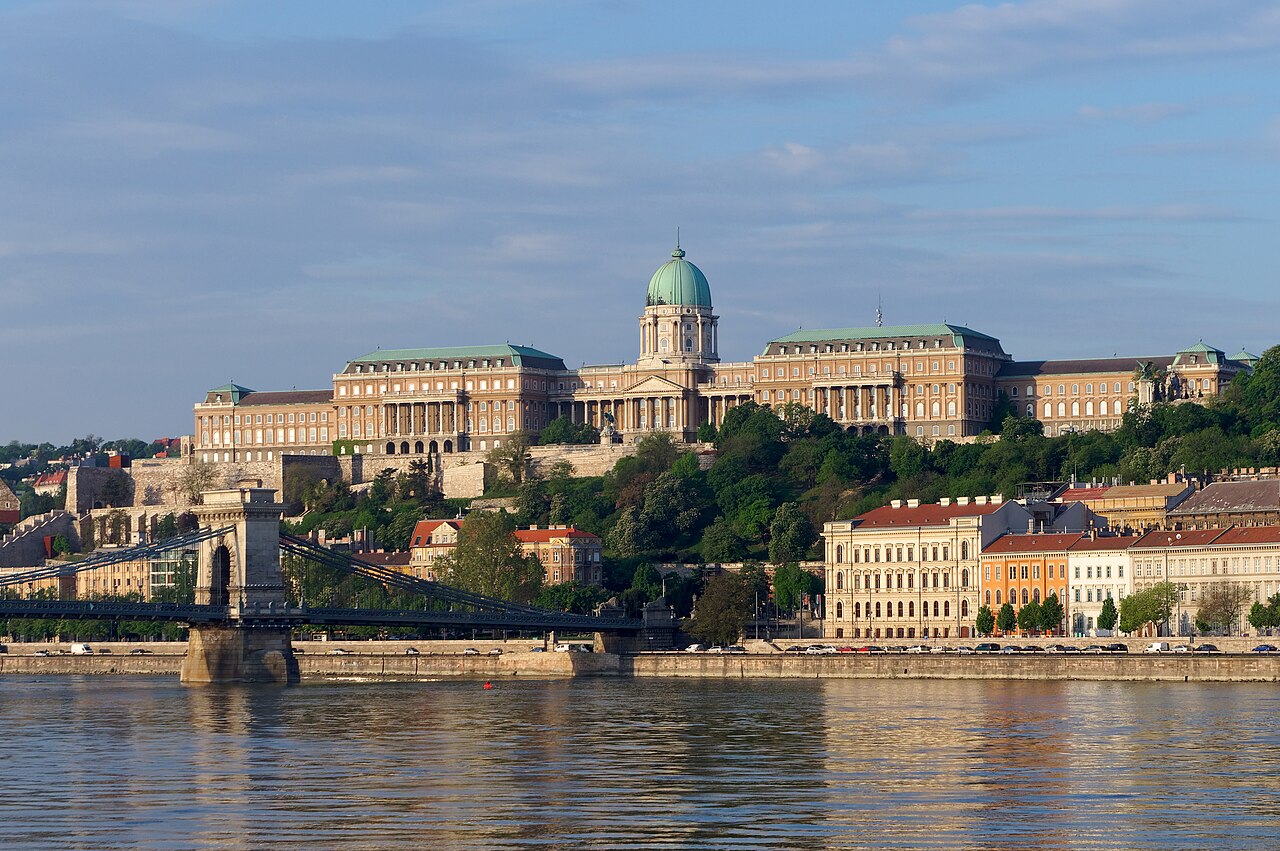
Buda Castle
1244 (rebuilt under Matthias after 1476)
 Artifact
Secondary source
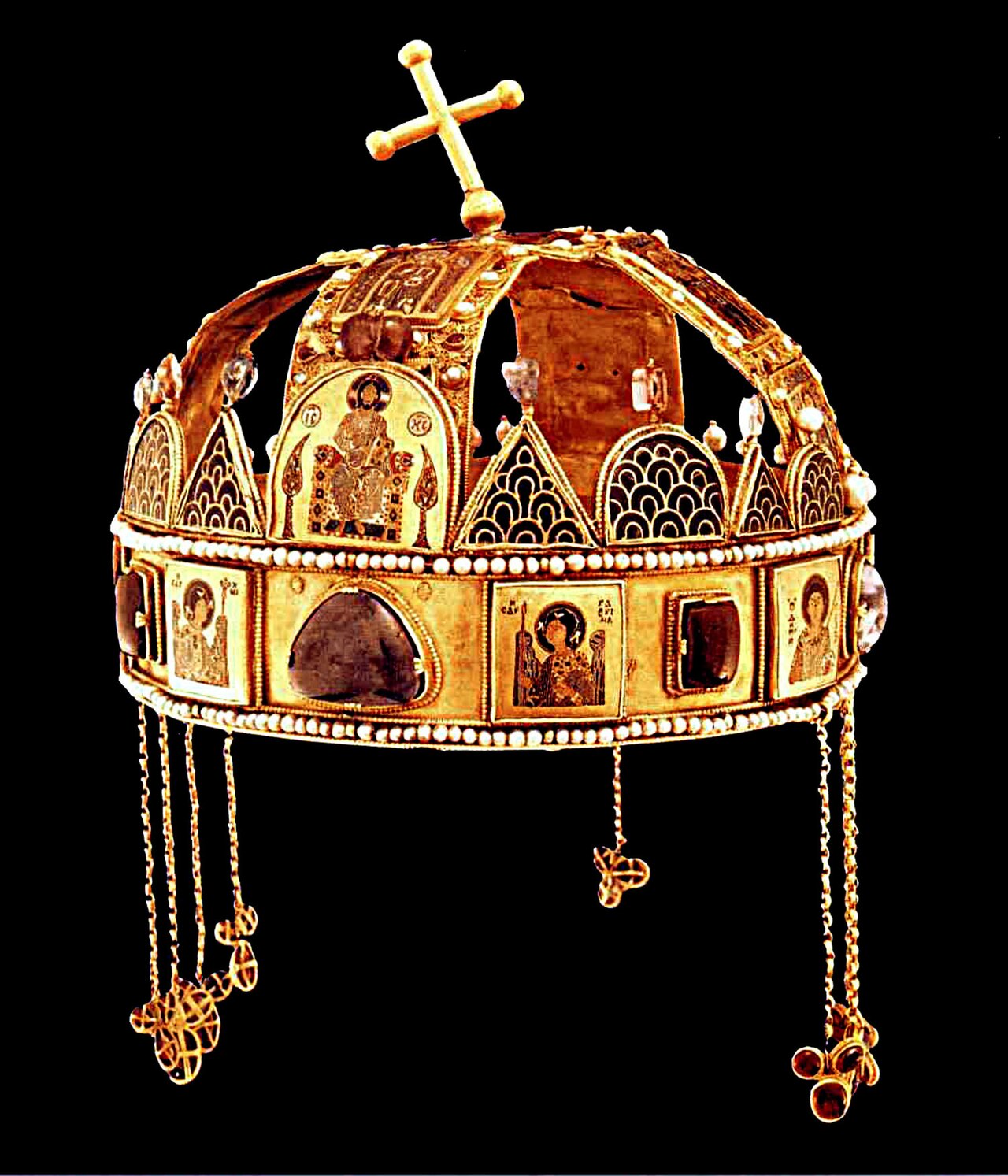
Holy Crown of Hungary
1070s, present form c. late 12th century
 Artifact
Primary source
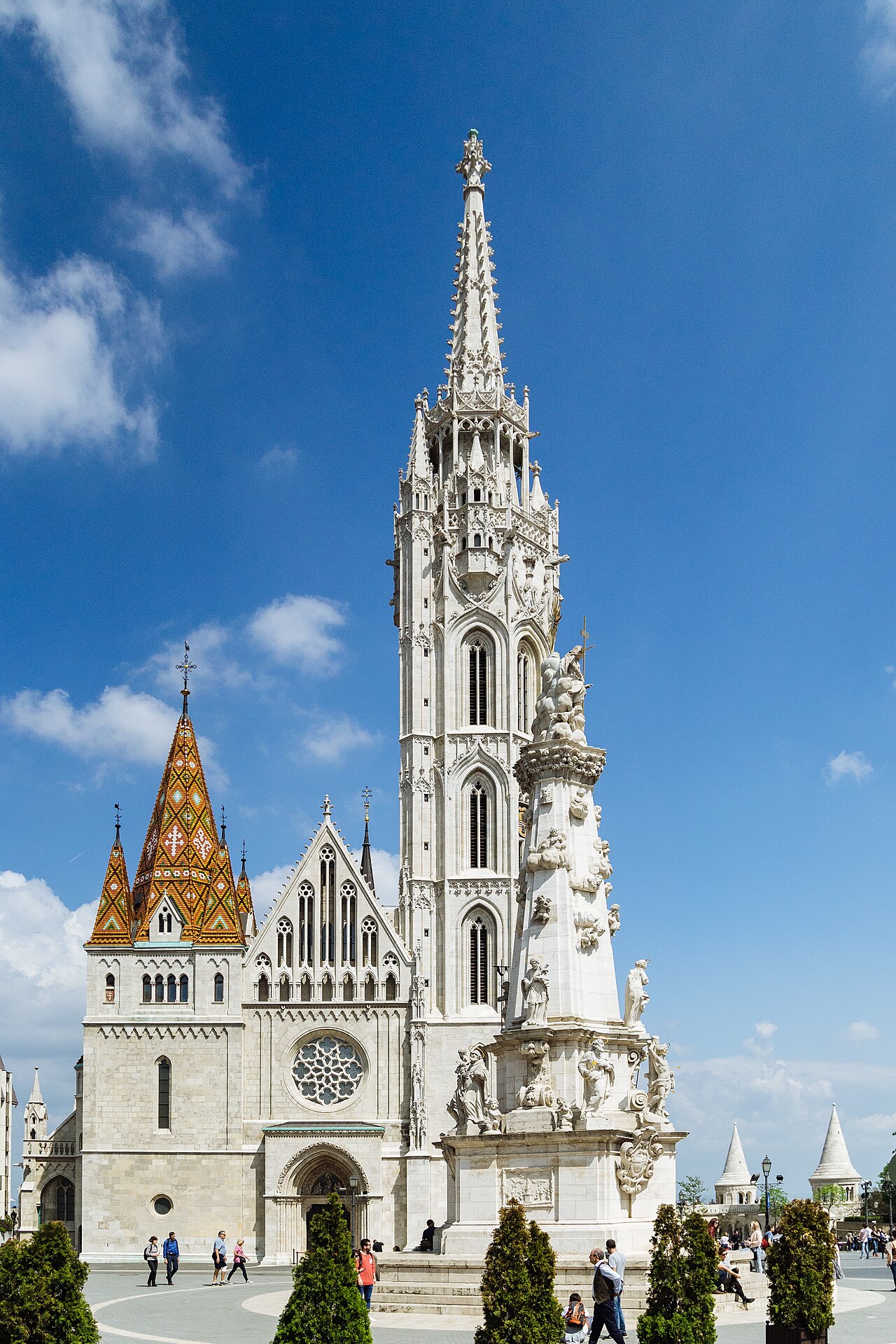
Matthias Church
1255
Free account
Read every Béla IV of Hungary source
Sign up free →
Ready when you are
Start chatting with Béla IV of Hungary now.
20 messages free · No credit card · Available in 50+ languages.