


Secondary sourceArtifact
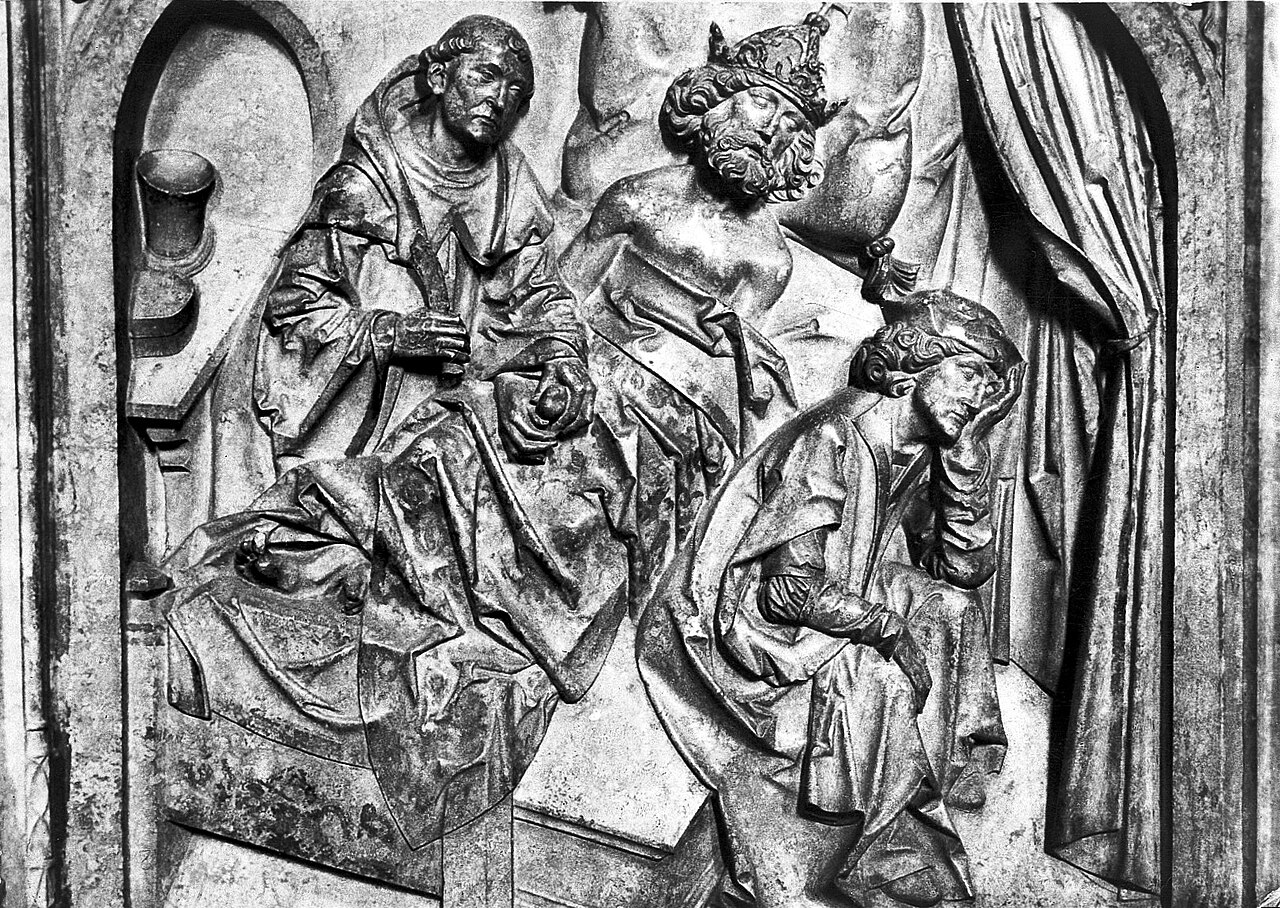
St Benedict Removing a Bladder-Stone from Emperor Henry II
Timan Riemenschneider
A photograph of a carved relief showing the legend of Benedict healing Emperor Henry II, reflecting his later cult as a healer.
This legend of Benedict healing an emperor shows the growth of his posthumous cult as a miraculous healer.
About this source
What it is
This is a black-and-white photograph of a carved stone relief depicting a medieval legend in which Benedict removes a bladder-stone from the sleeping Emperor Henry II, with a doctor also shown asleep nearby. The image is part of the Wellcome Images collection.
Why it matters
The legend, set long after Benedict's death, shows how his reputation grew into that of a miracle-worker and protector of rulers. Such stories reveal how saints' cults were used to connect monastic communities to royal power and to medicine in the medieval imagination.
Look closer
- What details in the carving suggest this is a miracle rather than an ordinary medical scene?
- Why might a story about healing an emperor be useful to the monks who told it?
- How reliable is this image as evidence about the real Benedict, who lived centuries earlier?
This artifact is part of the curated material that grounds the AI version of Saint Benedict on Humy.ai — when students ask about related events, the AI can quote it and cite it.
More Saint Benedict sources
Meet the AI Saint Benedict →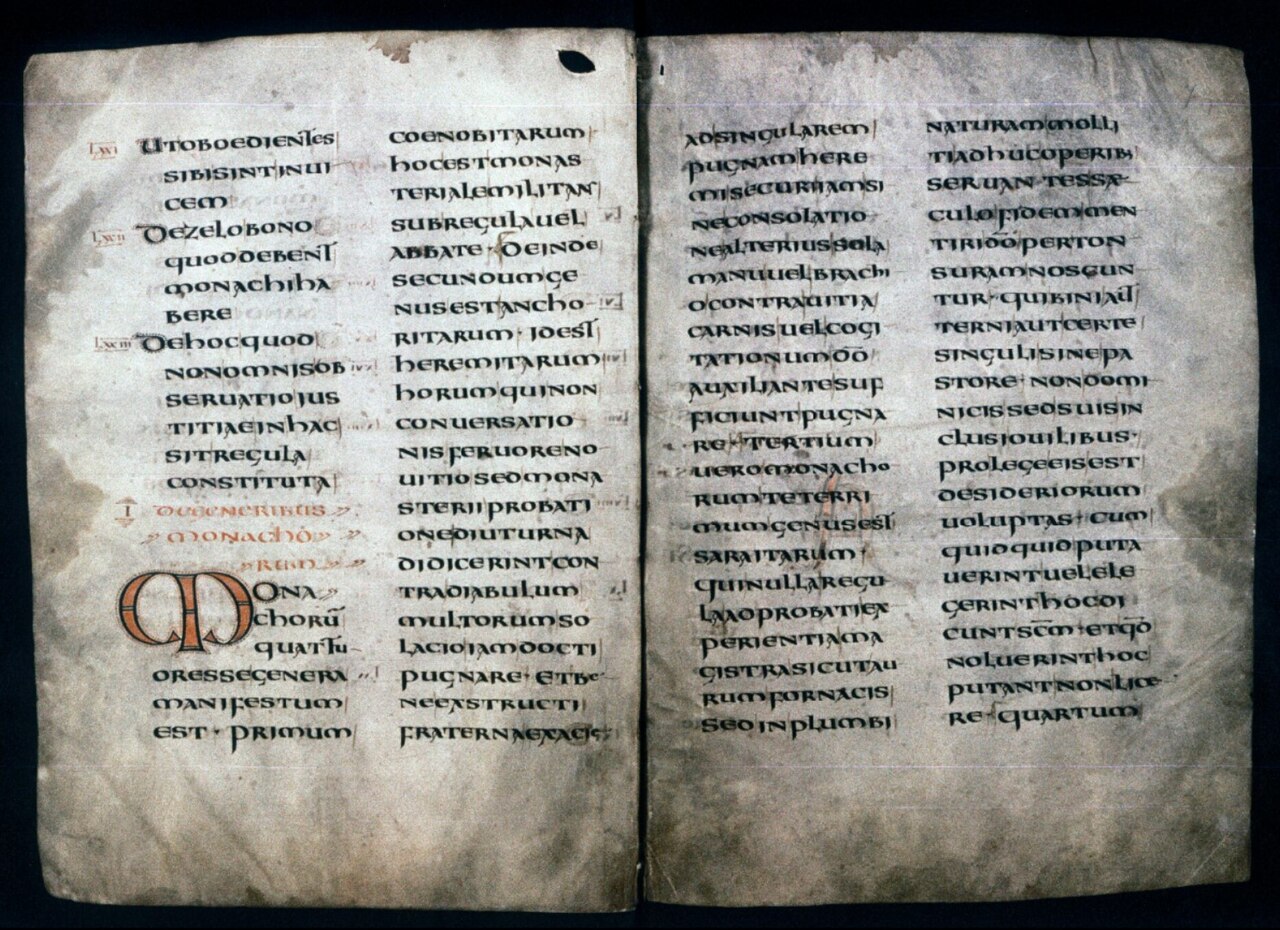 Book
Primary source
Rule of Saint Benedict
Benedict of Nursia · c. 600
 Artifact
Secondary source
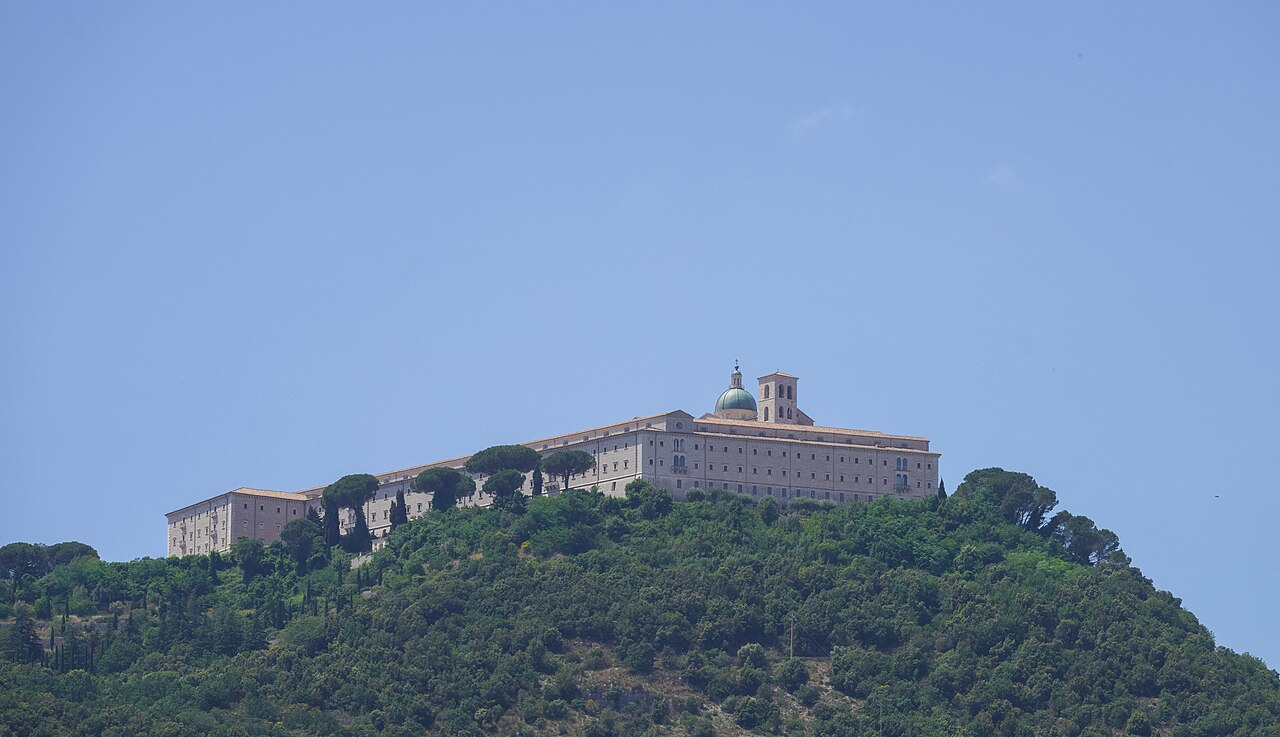
Monte Cassino
founded c. 529/530
 Painting
Secondary source
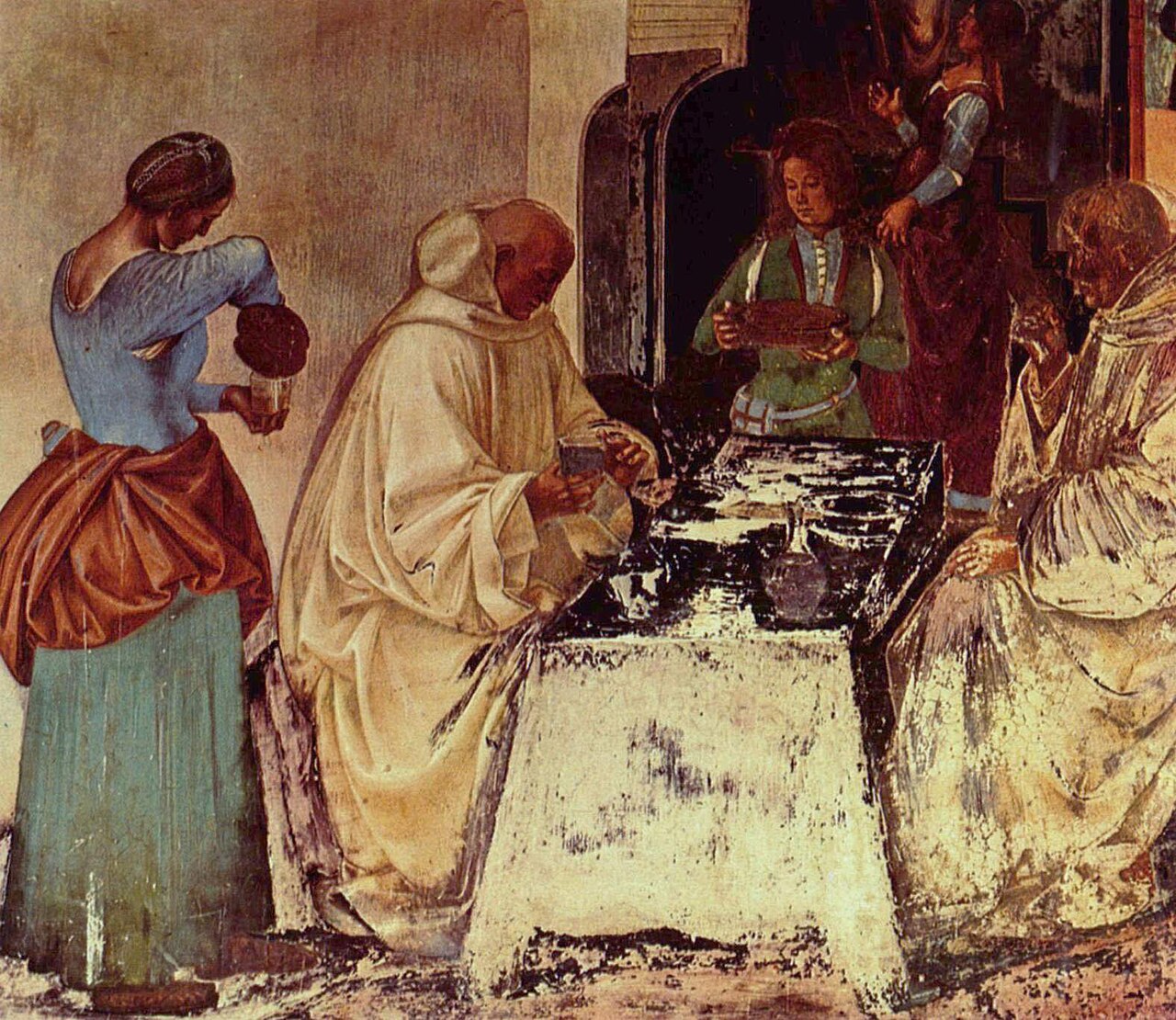
Fresco Cycle of the Life of St Benedict at Monte Oliveto Maggiore
Luca Signorelli and Sodoma · 1497-1505 (fresco cycle); abbey founded 1313
 Artifact
Secondary source
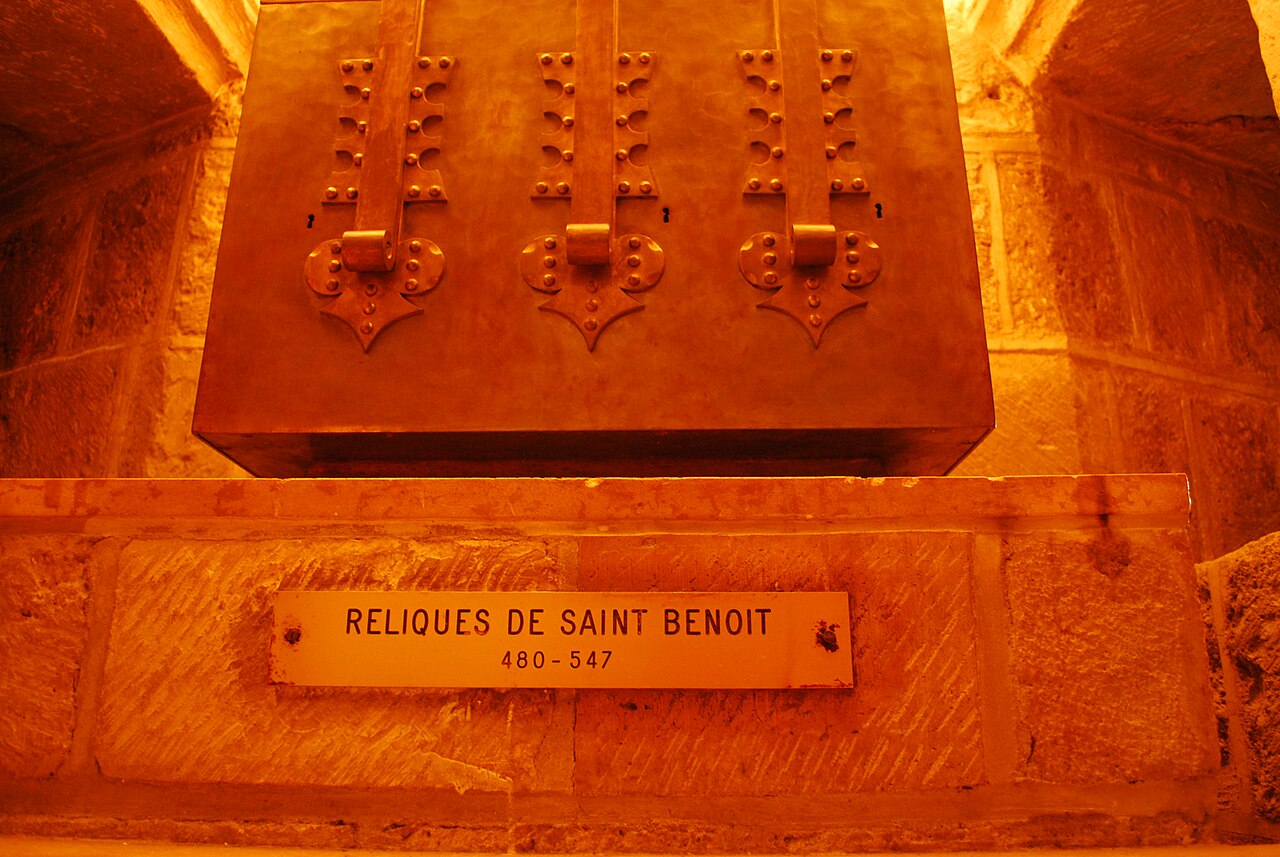
Reliquary of Saint Benedict at Fleury
 Artifact
Secondary source
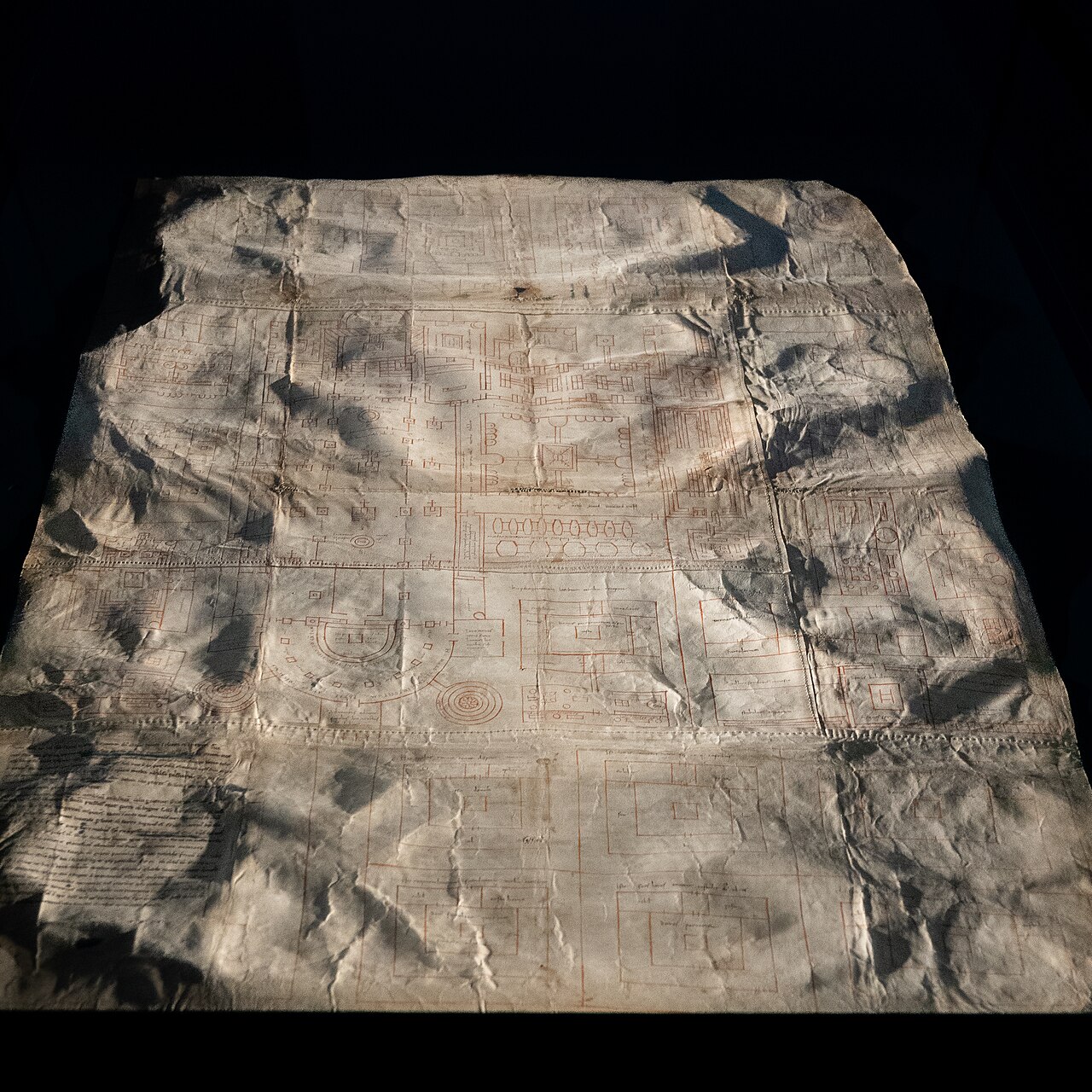
Plan of Saint Gall
c. 820-830
Ready when you are
Start chatting with Saint Benedict now.
20 messages free · No credit card · Available in 50+ languages.