


Primary sourcePainting1911
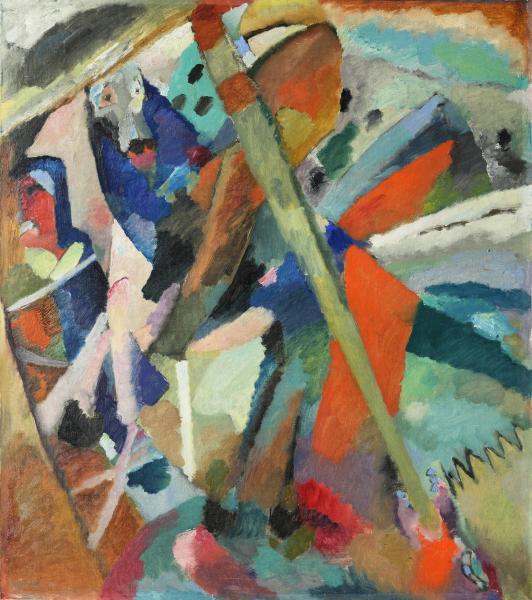
St. George (II)
Wassily Kandinsky · 1911
A 1911 painting by Wassily Kandinsky on the dragon-slayer theme, reduced to near-abstract shapes. It is linked to the Blue Rider emblem he used with his circle of artists.
A painting by Kandinsky on the St. George theme, a motif he returned to and linked to the Blue Rider emblem.
About this source
What it is
This is a painting by Wassily Kandinsky, made in 1911. It shows bold, fragmented shapes in blue, orange, green and brown. A diagonal green-yellow band runs across the canvas, with a pale figure with a dark head on the left and a large orange triangular shape on the right. The work is held by the Russian Museum in Saint Petersburg.
Why it matters
The curator notes that Kandinsky returned again and again to the image of St. George, the dragon-slayer. This motif is connected to the Blue Rider emblem, the name of the group of artists Kandinsky founded with Franz Marc. Here the saint's story has been reduced to near-abstract signs, which shows how far Kandinsky was moving from representing subjects toward pure form.
Look closer
- Can you find the figure of the saint in this painting, and how has the artist simplified him?
- Why might an artist return to the same subject many times, as Kandinsky did with St. George?
- What parts of the story of St. George are missing from the picture?
This painting is part of the curated material that grounds the AI version of Wassily Kandinsky on Humy.ai — when students ask about related events, the AI can quote it and cite it.
More Wassily Kandinsky sources
Browse all 93 →Primary source
Concerning the Spiritual in Art
Wassily Kandinsky · 1911 (dated 1912)
 Painting
Primary source
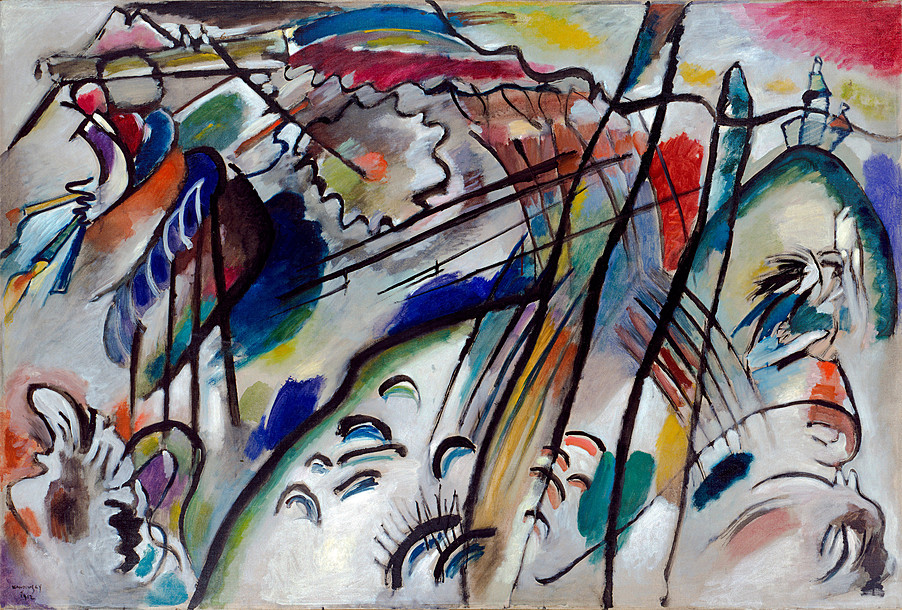
Improvisation 28 (second version)
Wassily Kandinsky · 1912
 Painting
Primary source
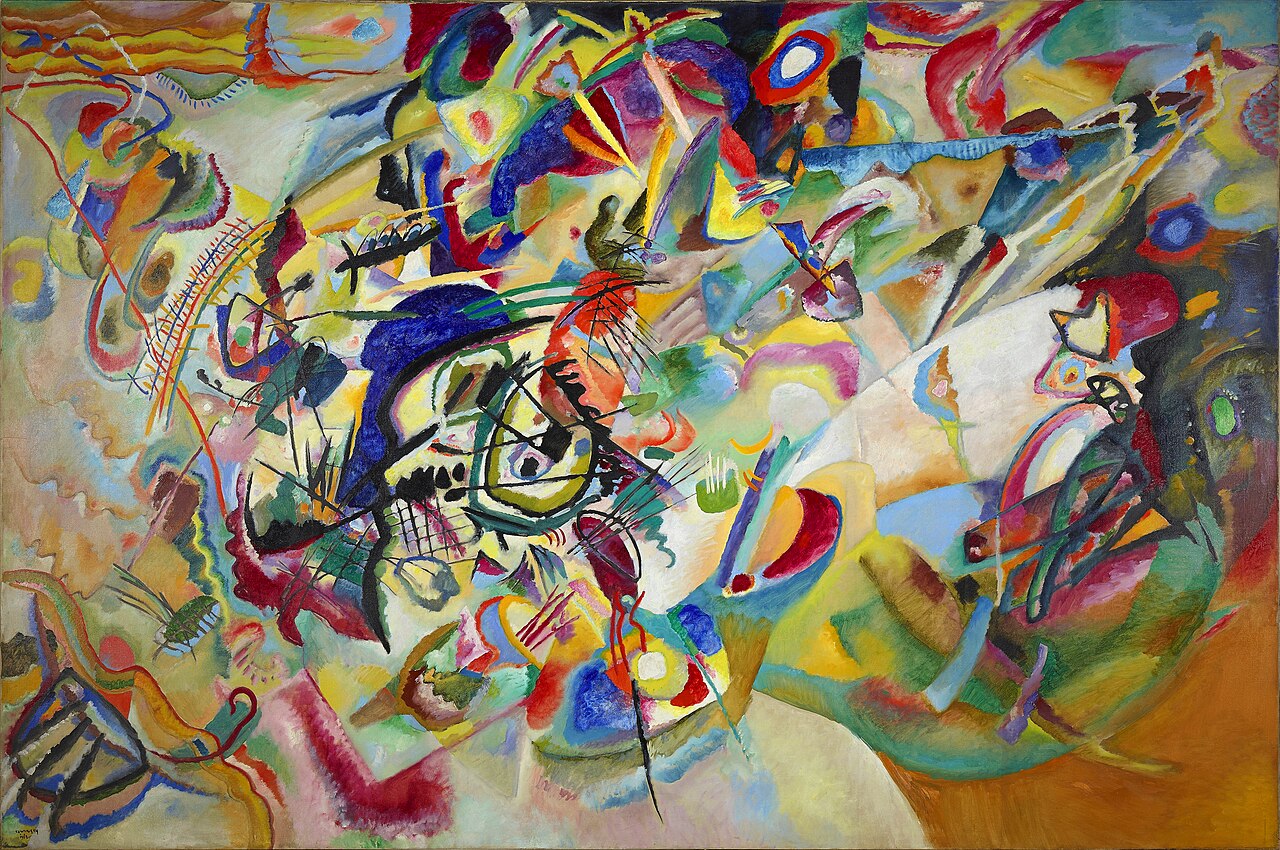
Composition VII
Wassily Kandinsky · 1913
 Painting
Primary source
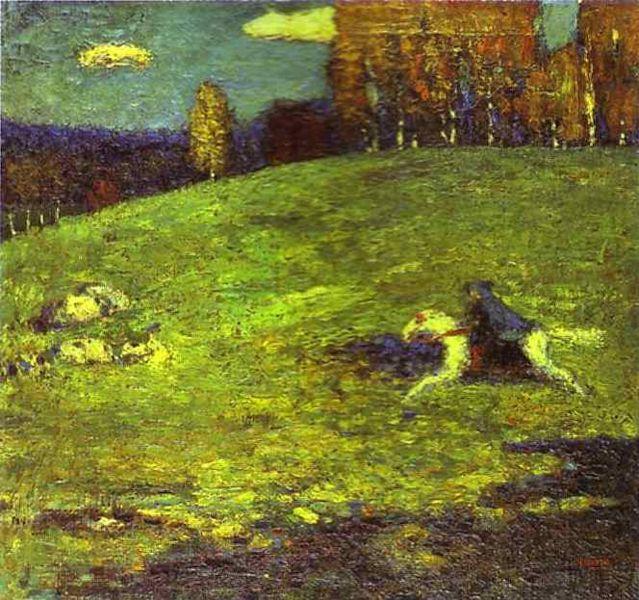
The Blue Rider
Wassily Kandinsky · 1903
Free account
Read every Wassily Kandinsky source
Sign up free →
Ready when you are
Start chatting with Wassily Kandinsky now.
20 messages free · No credit card · Available in 50+ languages.