


Secondary sourceArtifact1377-1384
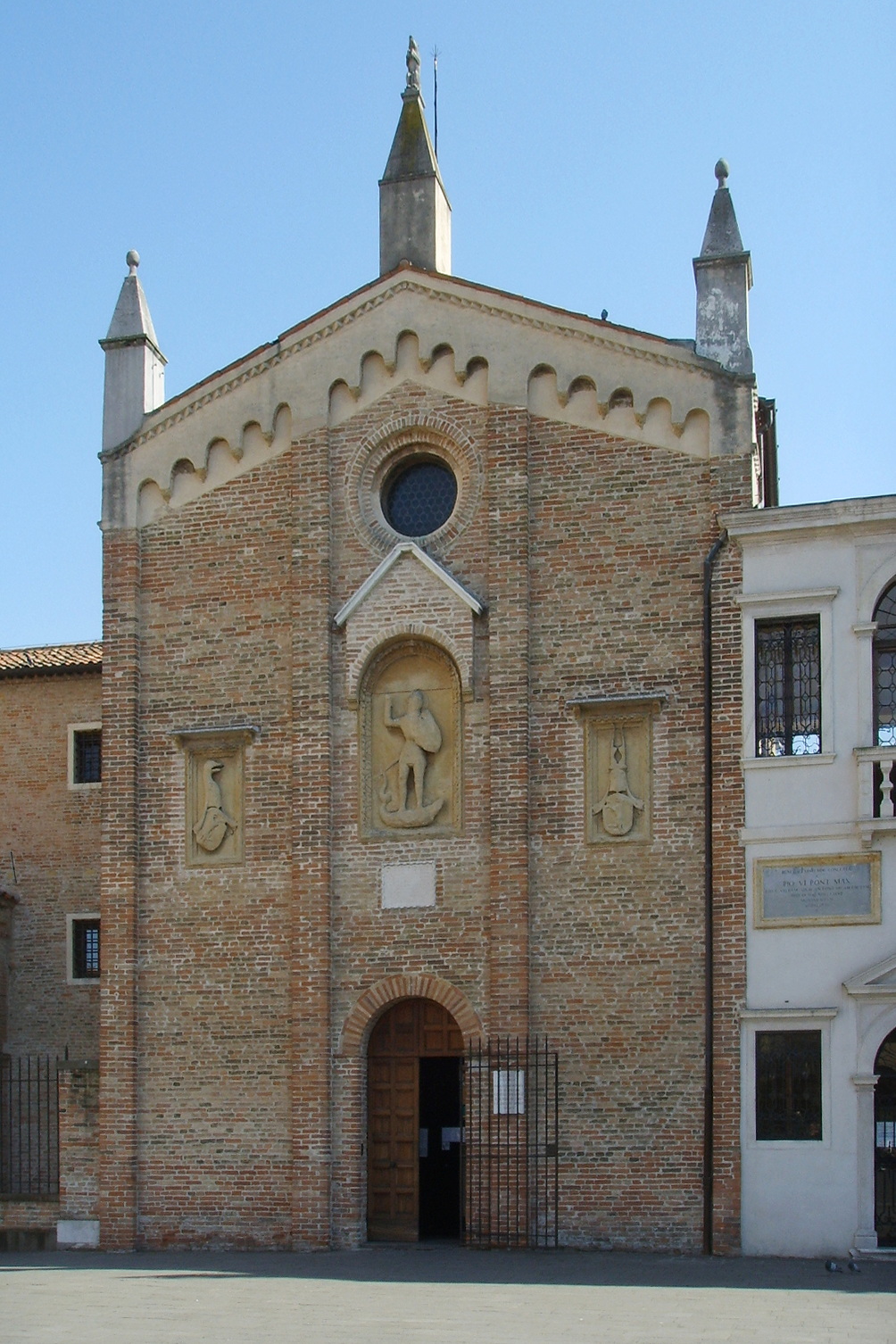
St. George's Oratory
Jacopo d'Avanzi · 1377-1384
A Gothic prayer hall in Padua with 14th-century frescoes, including a cycle depicting the life and martyrdom of Saint Lucy.
This Padua oratory contains a 14th-century fresco cycle narrating Lucy's life and martyrdom.
About this source
What it is
St. George's Oratory is a Gothic chapel in Padua, built in 1376 as a funerary chapel for the Marquis Raimondino de' Lupi. Its interior is covered with narrative frescoes completed by 1384 by Altichiero da Zevio and his associates, including Jacopo d'Avanzi, depicting the lives of Saint George, Saint Catherine of Alexandria, Saint Lucy, and Jesus Christ.
Why it matters
The fresco cycle is recognized as part of a UNESCO World Heritage Site for its importance in 14th-century monumental painting. Lucy's scenes, alongside those of other saints, show how patrons like de' Lupi used art to express devotion and secure prestige. The frescoes were whitewashed over during the Napoleonic Wars and only rediscovered in 1837, showing how fragile such artworks can be.
Look closer
- Why might a wealthy family choose to decorate their funerary chapel with scenes from saints' lives?
- What does the whitewashing and later rediscovery of these frescoes tell you about how art can be lost and found?
- How does the artist use architectural details to frame the different scenes?
This artifact is part of the curated material that grounds the AI version of Saint Lucy on Humy.ai — when students ask about related events, the AI can quote it and cite it.
More Saint Lucy sources
Browse all 93 →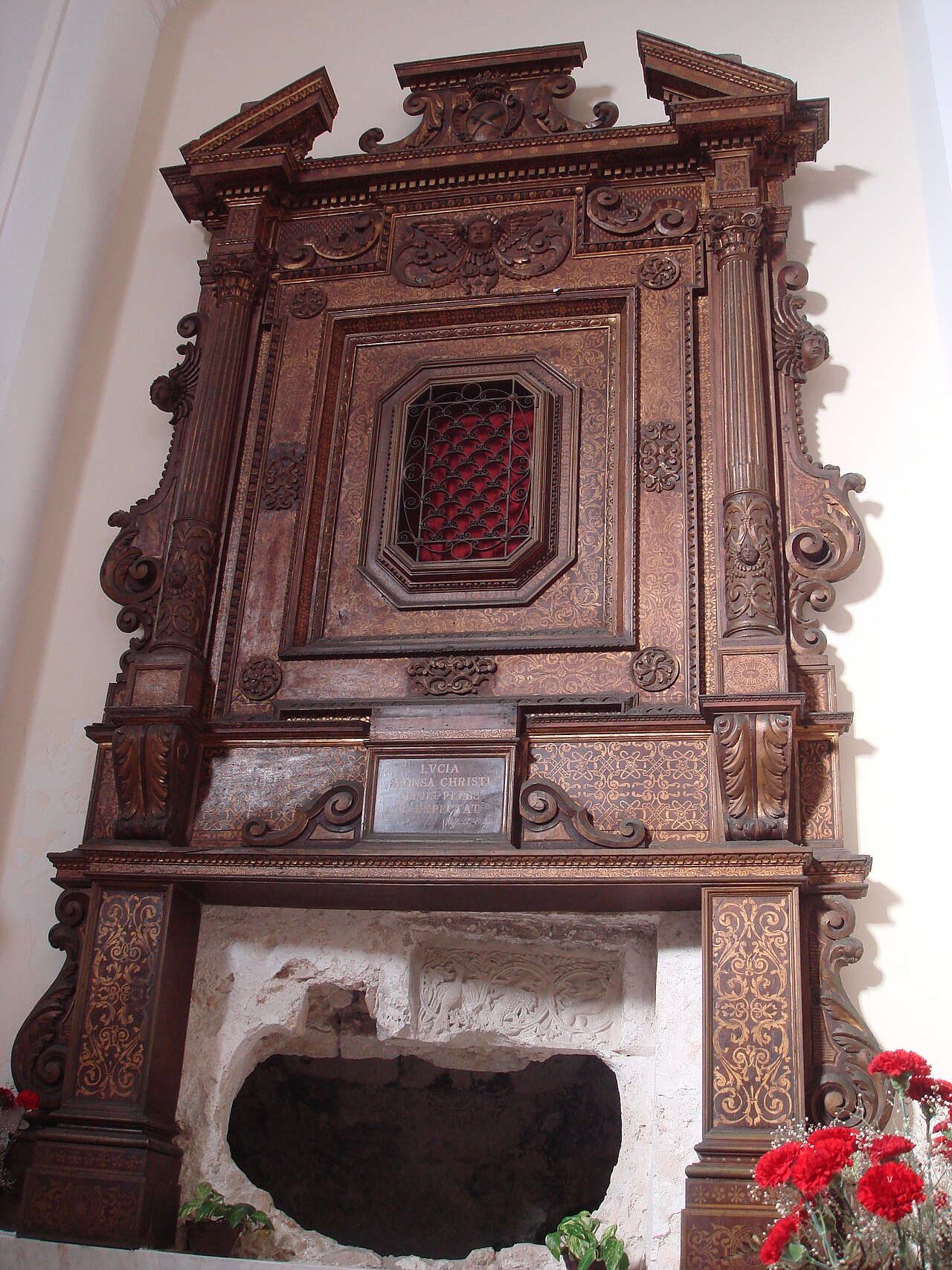 Artifact
Secondary source
First Grave of Santa Lucia
 Artifact
Secondary source
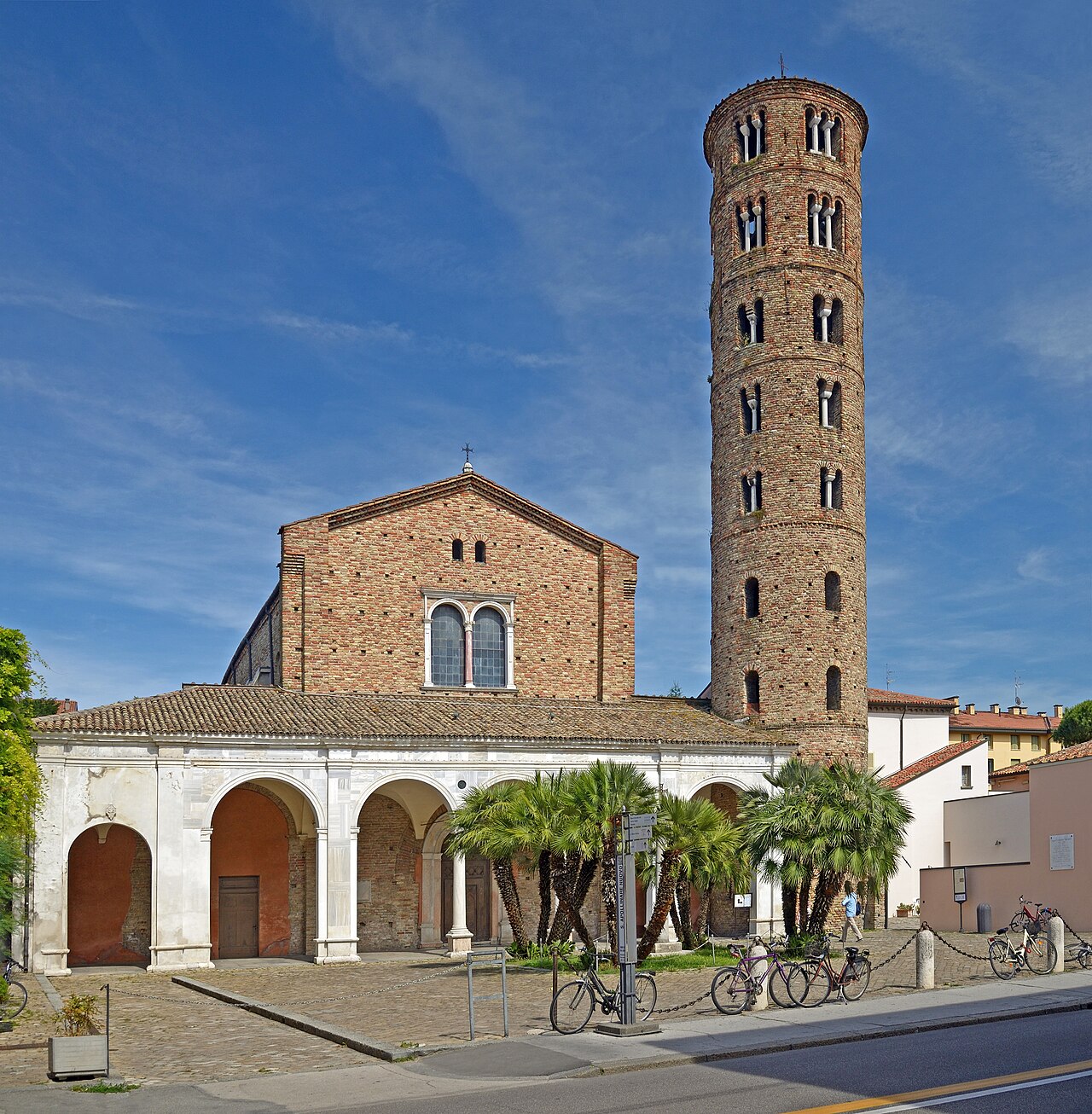
Basilica of Sant'Apollinare Nuovo
505
 Book
Secondary source
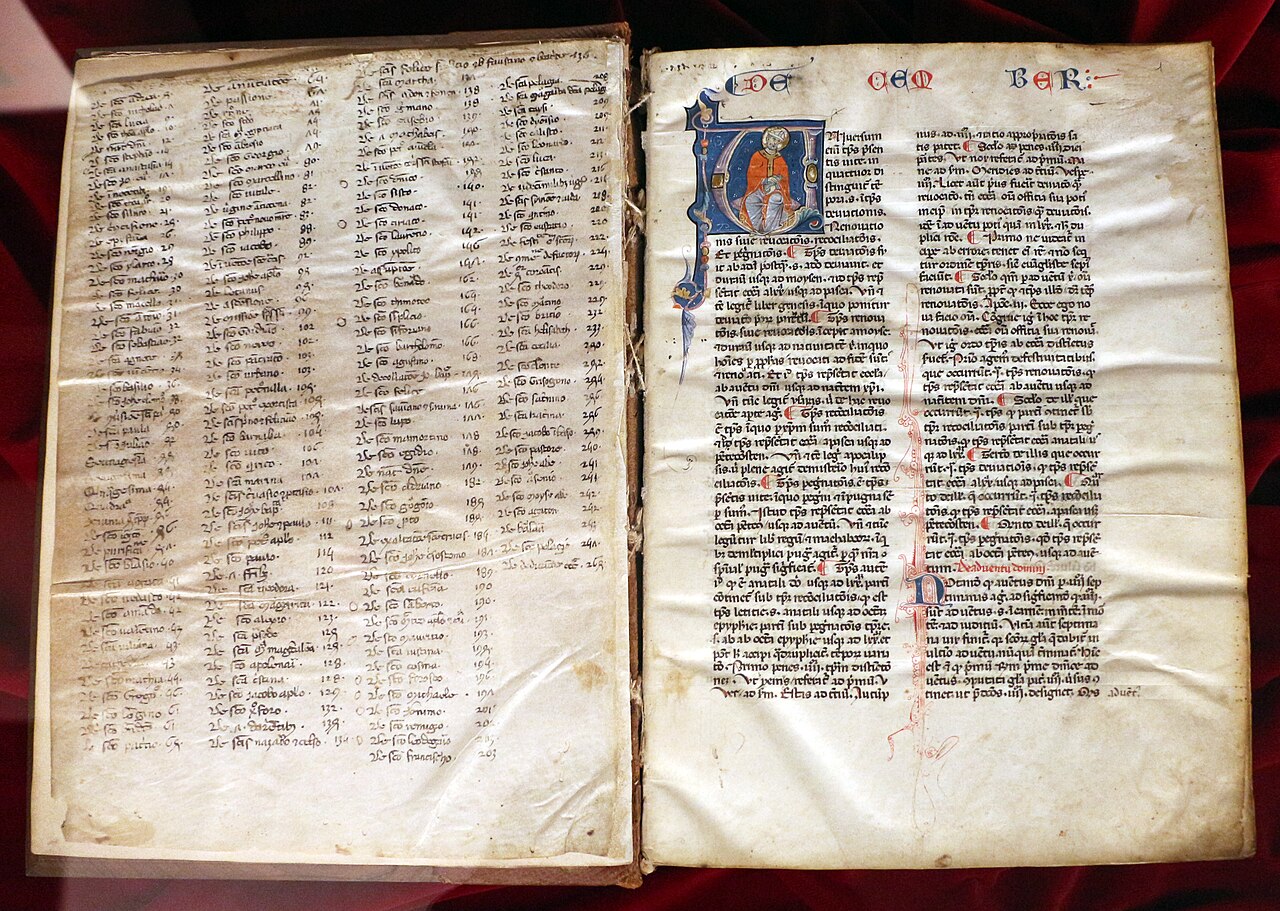
Golden Legend
Jacobus de Voragine · c. 1259–1266
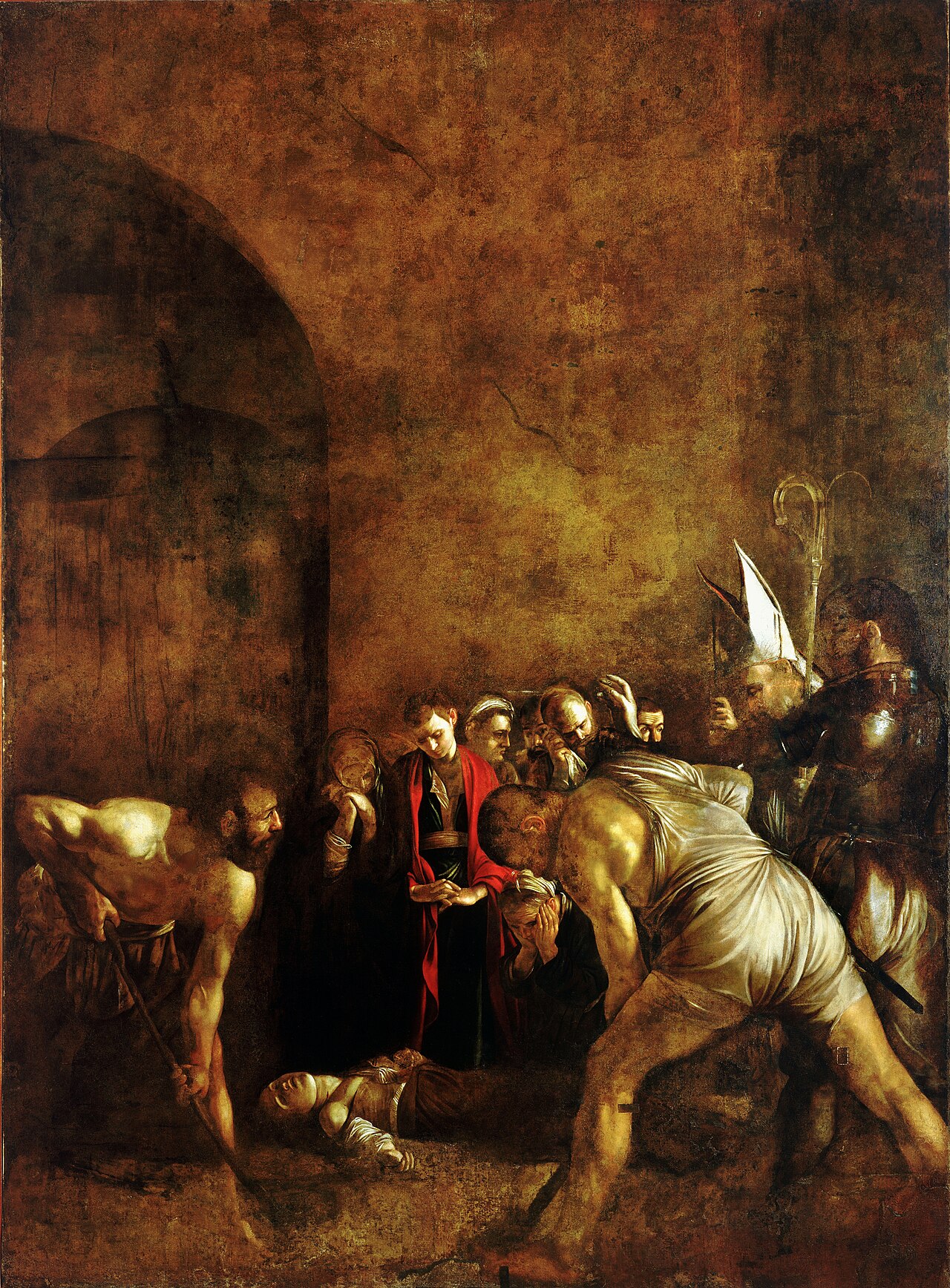 Painting
Primary source
The Burial of Saint Lucy
Caravaggio · 1608
Free account
Read every Saint Lucy source
Sign up free →
Ready when you are
Start chatting with Saint Lucy now.
20 messages free · No credit card · Available in 50+ languages.