


Secondary sourcePaintingdesign 1510–1515; published 1548
St. John Descending into His Burial Vault
Lucas Cranach the Elder · design 1510–1515; published 1548
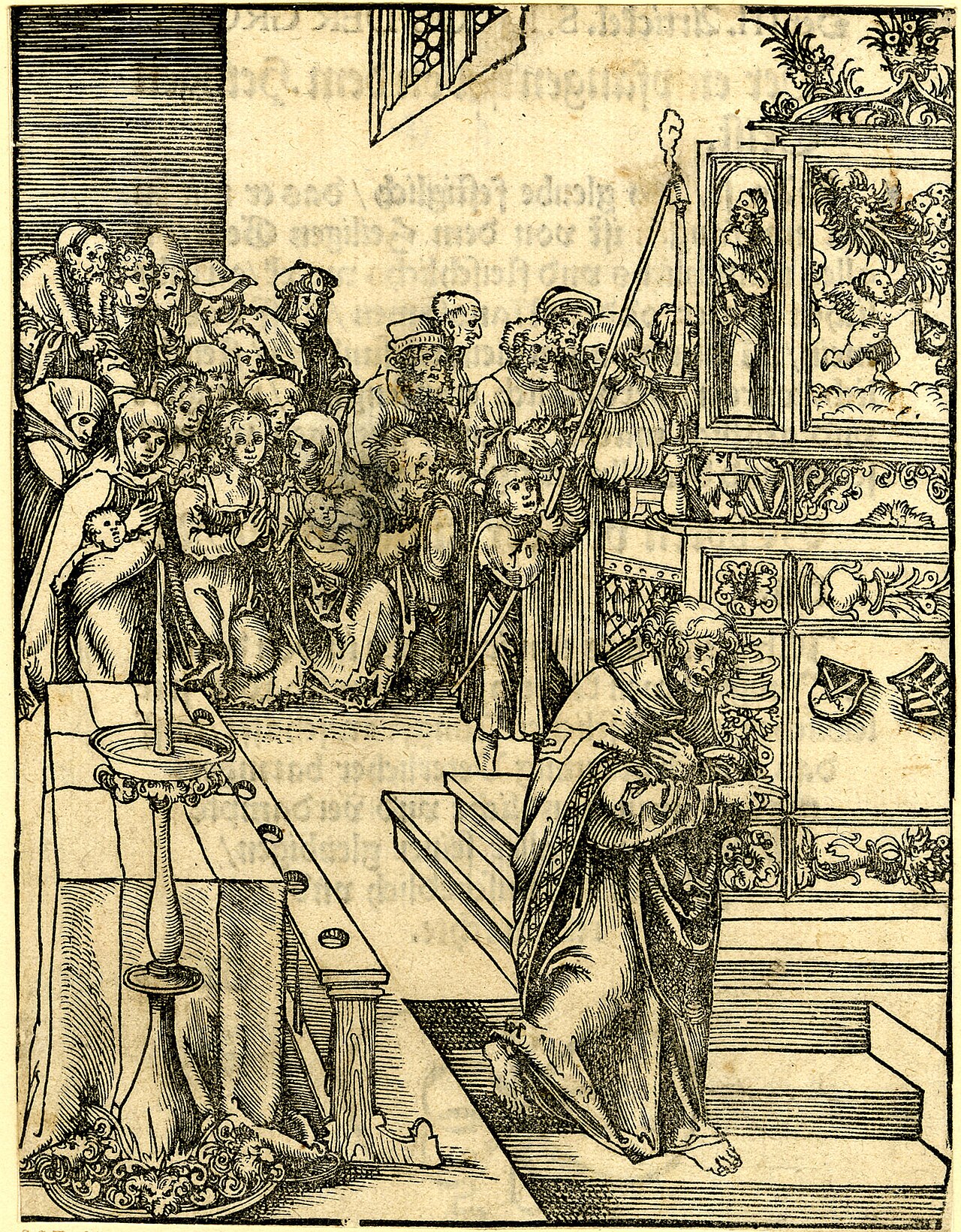
A 1548 woodcut by Lucas Cranach the Elder, printed in Martin Luther's Symbolum. It shows a legend about John's burial, not a contemporary record.
It shows a later legend about John's burial, a story told in the Reformation-era book that reprinted this woodcut.
About this source
What it is
This is a black-and-white woodcut by Lucas Cranach the Elder. Its design is dated 1510 to 1515, and it was published in 1548 in Martin Luther's book Das Symbolum der Heiligen Aposteln, printed in Wittenberg by Georg Rhau. The woodcut shows St. John the Evangelist going down into his burial vault behind an ornate altar. A crowd in period dress watches from the left, and a tall candlestick stands in front of them. Two Saxon shields appear behind the altar. Another print of the woodcut is held by the National Gallery in Washington.
Why it matters
The scene comes from a legend that John did not die but was placed in a vault to wait for Christ's return. It is not a record of events from his lifetime. The print shows how sixteenth-century German Protestants used images in religious teaching. Luther published the book, and Cranach's workshop designed the image. The inclusion of Saxon shields ties the religious scene to the local setting of its makers.
Look closer
- Who is shown in the crowd, and how does their clothing suggest the time the print was made?
- Why might the artist have placed the burial scene behind an altar in a church?
- What does the print leave out, and how would it differ if it were based on a historical record?
This painting is part of the curated material that grounds the AI version of John the Apostle on Humy.ai — when students ask about related events, the AI can quote it and cite it.
More John the Apostle sources
Browse all 87 →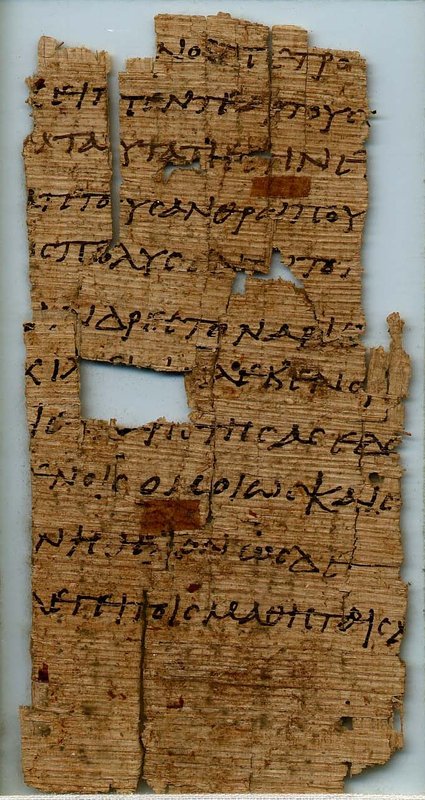 Book
Secondary source
Gospel of John
John the Evangelist · c. AD 90-100
 Book
Primary source
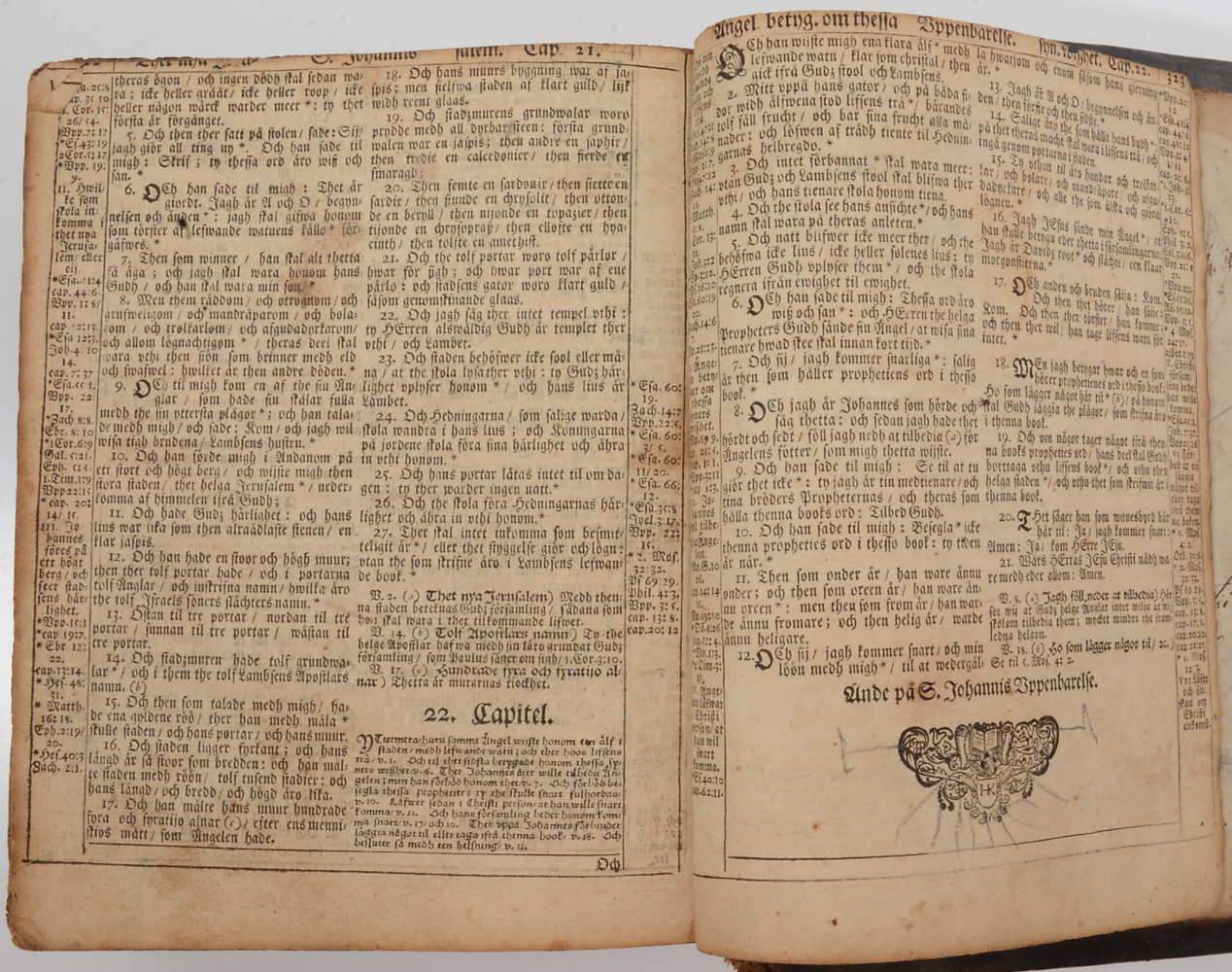
Book of Revelation
John of Patmos · c. 95 AD
 Letter
Secondary source
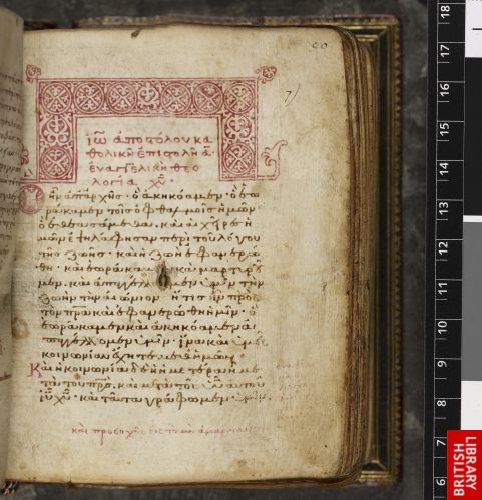
First Epistle of John
John the Presbyter · c. 95-110 AD
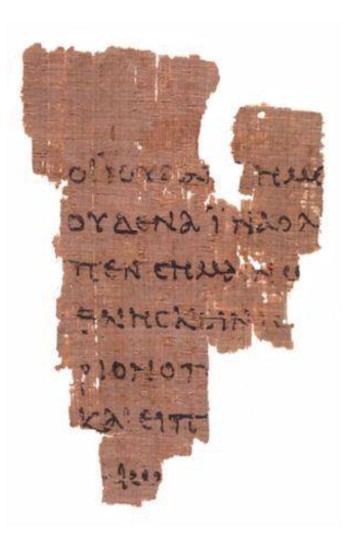 Document
Secondary source
Rylands Library Papyrus P52
c. 125-175 AD
Free account
Read every John the Apostle source
Sign up free →
Ready when you are
Start chatting with John the Apostle now.
20 messages free · No credit card · Available in 50+ languages.