


Secondary sourceArtifact1799 (chapel c. 1660)
St. Mark's Church in-the-Bowery
Stuyvesant family / Petrus Stuyvesant (great-grandson) · 1799 (chapel c. 1660)
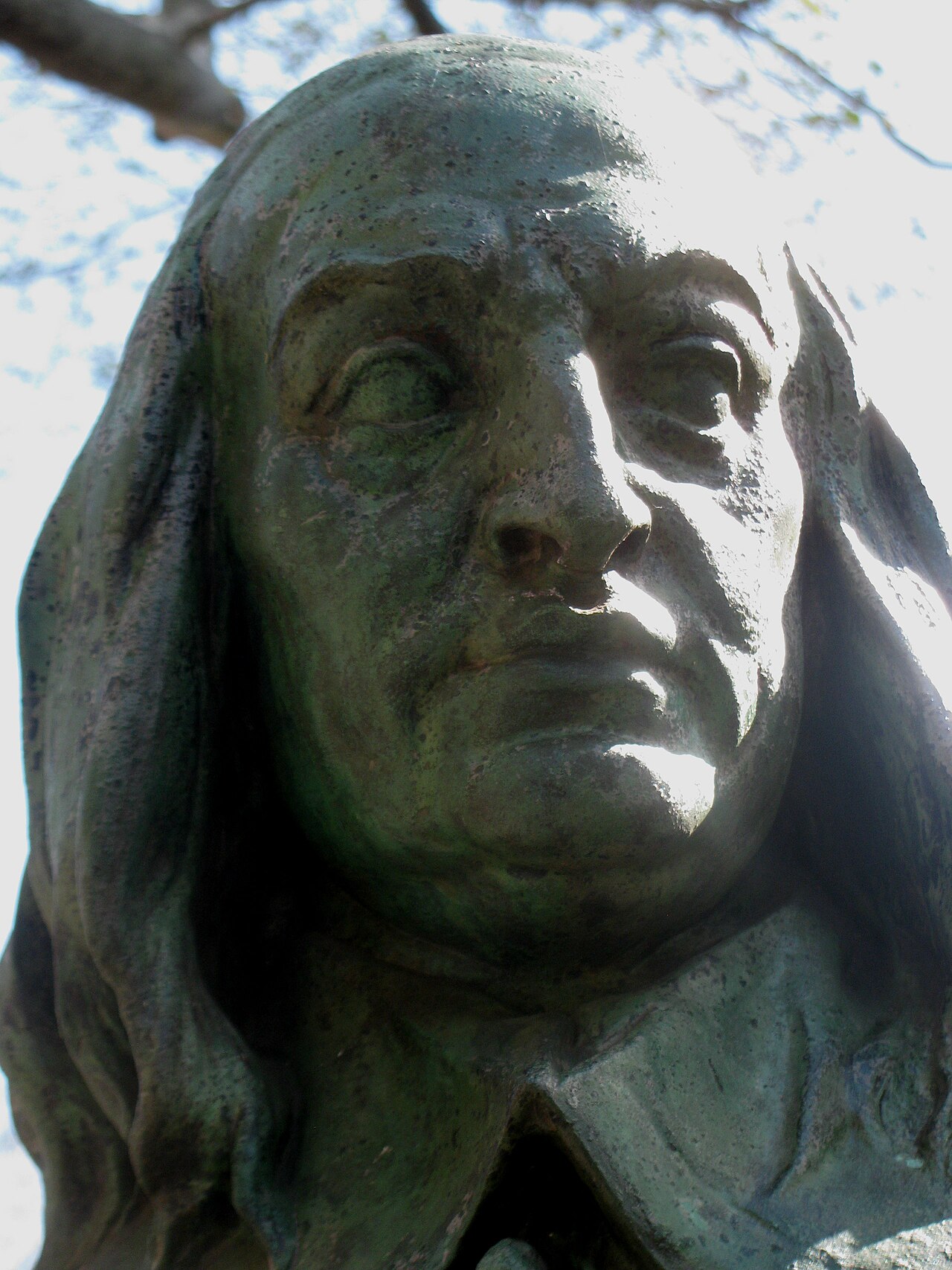
A church built in 1799 on the site of Peter Stuyvesant's private chapel, holding his burial vault.
This church stands on the site of Stuyvesant's own chapel and holds his burial vault.
About this source
What it is
St. Mark's Church in-the-Bowery was built in 1799 on the site of Peter Stuyvesant's family chapel, which dated from around 1660. The church, in New York City, still contains Stuyvesant's burial vault.
Why it matters
The church connects the colonial Dutch past of Manhattan to the later American city. Stuyvesant, the last Dutch director-general of New Netherland, built his private chapel on his own farmland, and his descendants later built the church on the same spot, keeping his memory tied to this one location for centuries.
Look closer
- Why might a family choose to build a church on the site of an ancestor's private chapel?
- What does it suggest about Stuyvesant's status that his burial place became a landmark?
- What does the image (a statue head) suggest about how later generations wanted him remembered?
This artifact is part of the curated material that grounds the AI version of Peter Stuyvesant on Humy.ai — when students ask about related events, the AI can quote it and cite it.
More Peter Stuyvesant sources
Meet the AI Peter Stuyvesant →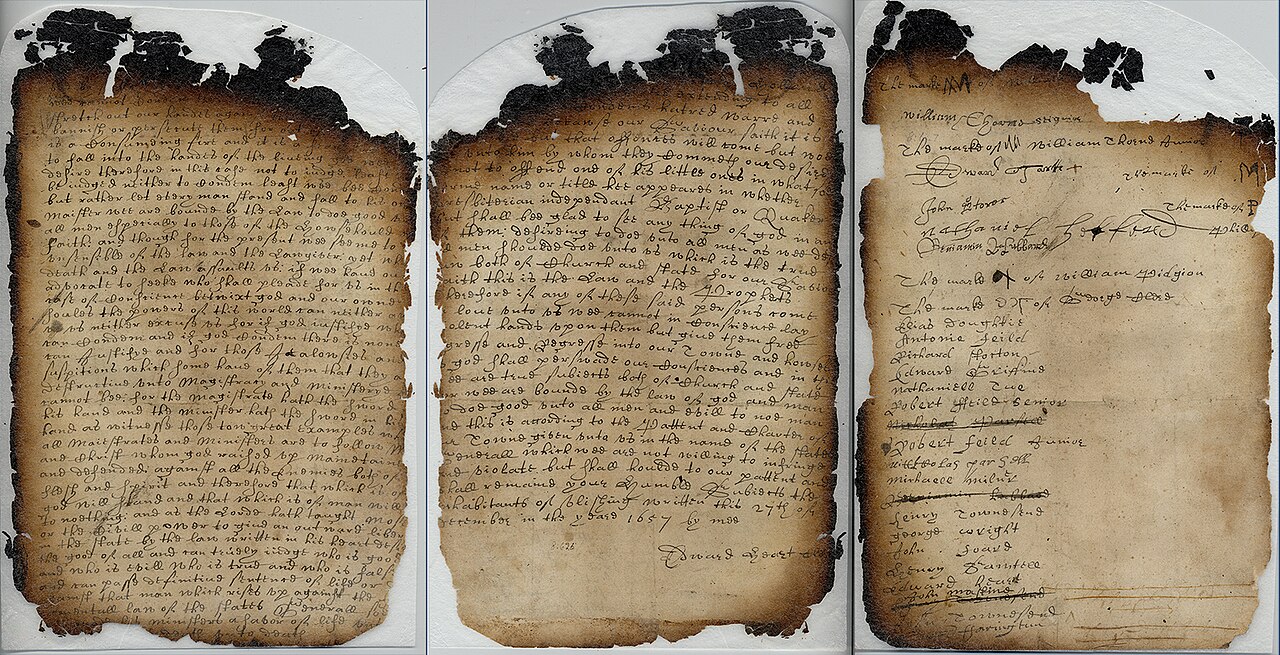 Document
Primary source
Flushing Remonstrance
Edward Hart · 27 December 1657
 Document
Primary source
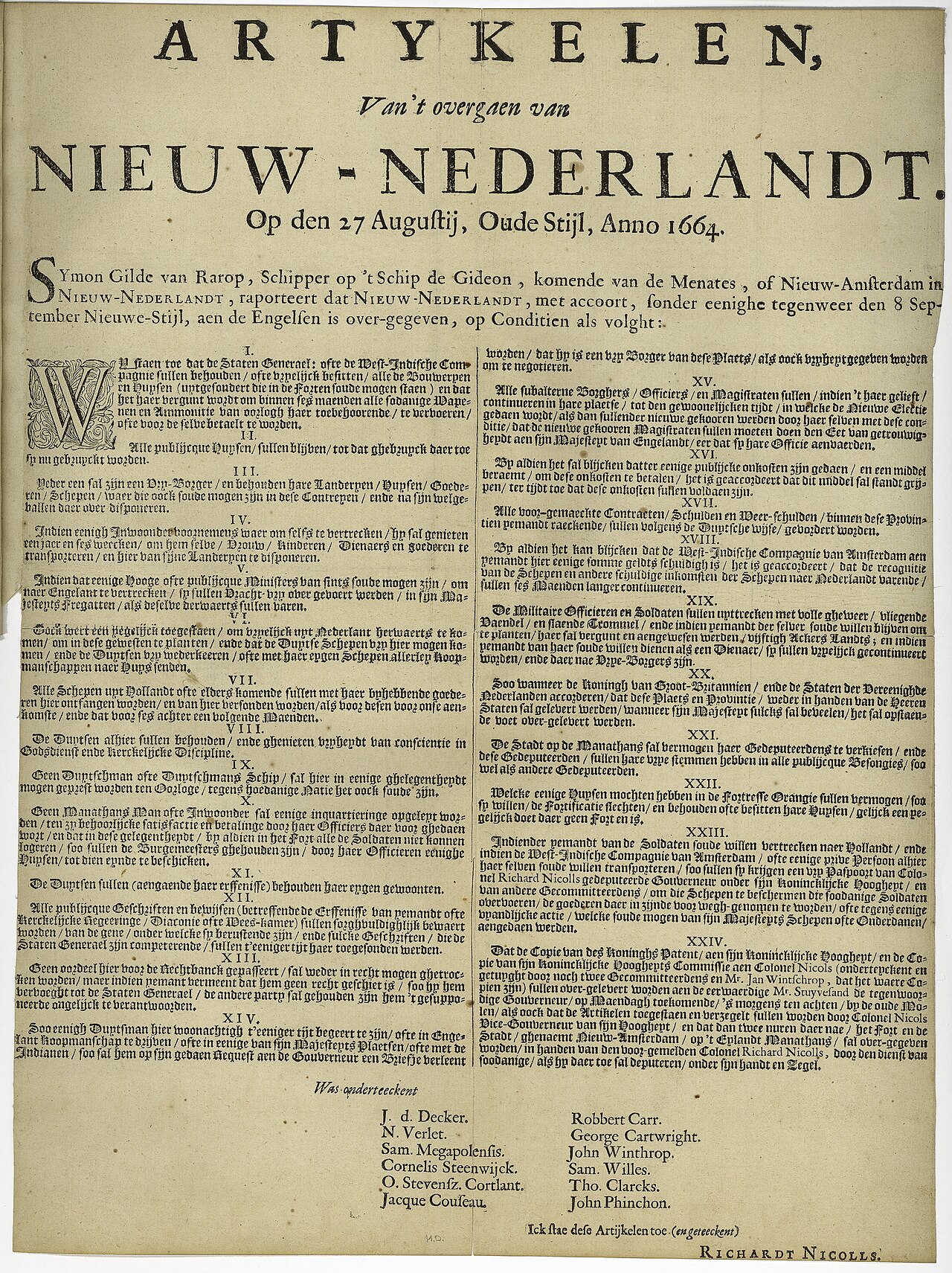
Articles of Capitulation on the Reduction of New Netherland
29 September 1664
 Painting
Primary source
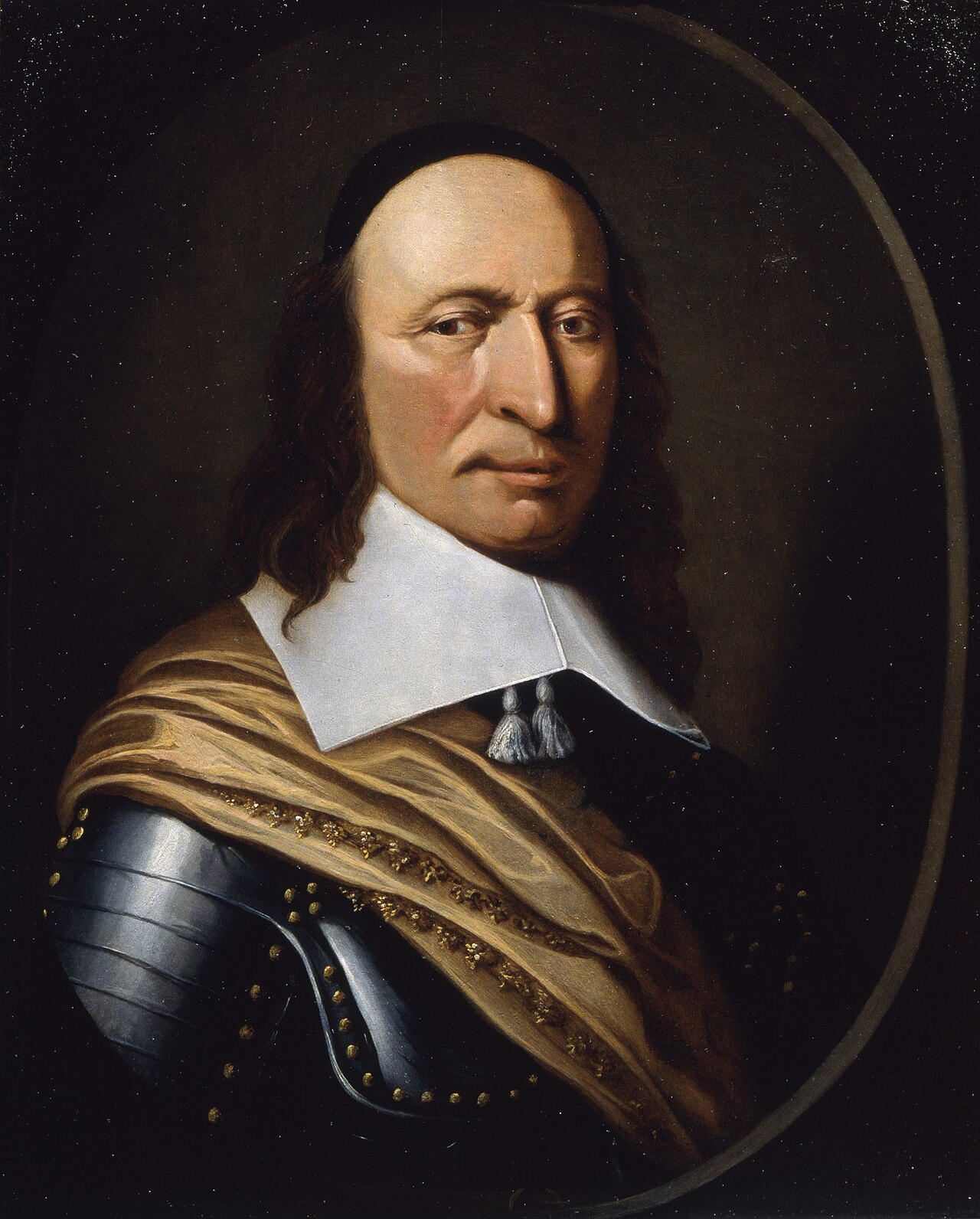
Petrus (Peter) Stuyvesant
Hendrick Couturier (attributed) · 1652
Secondary source
Laws and Ordinances of New Netherland, 1638–1674
E. B. O'Callaghan · 1647–1664 (compiled 1868)
 Artifact
Primary source
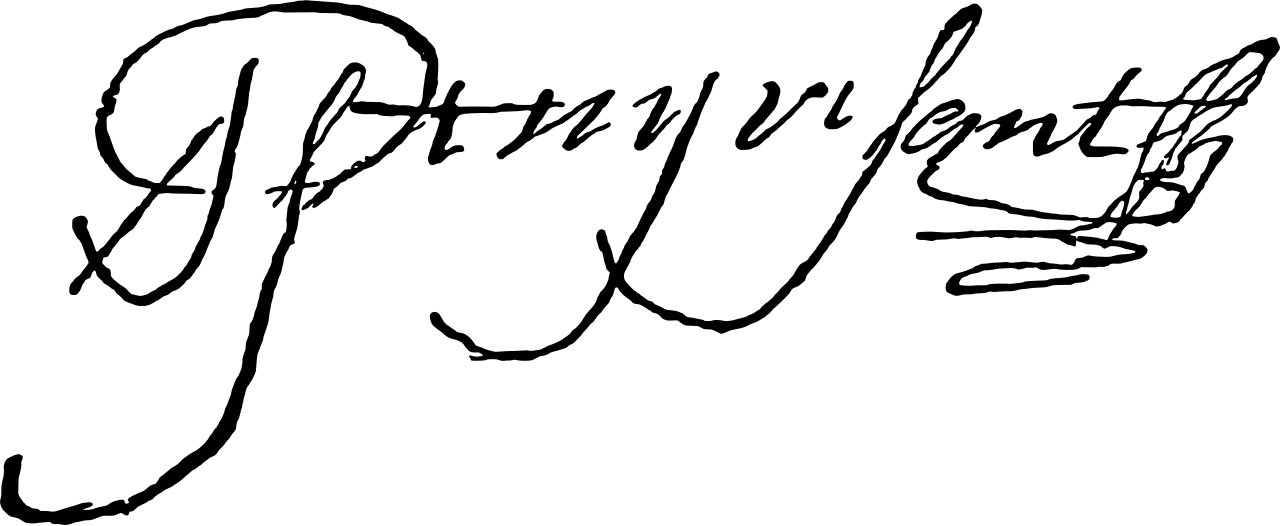
Signature of Peter Stuyvesant
Peter Stuyvesant
Ready when you are
Start chatting with Peter Stuyvesant now.
20 messages free · No credit card · Available in 50+ languages.