


Secondary sourcePainting1603
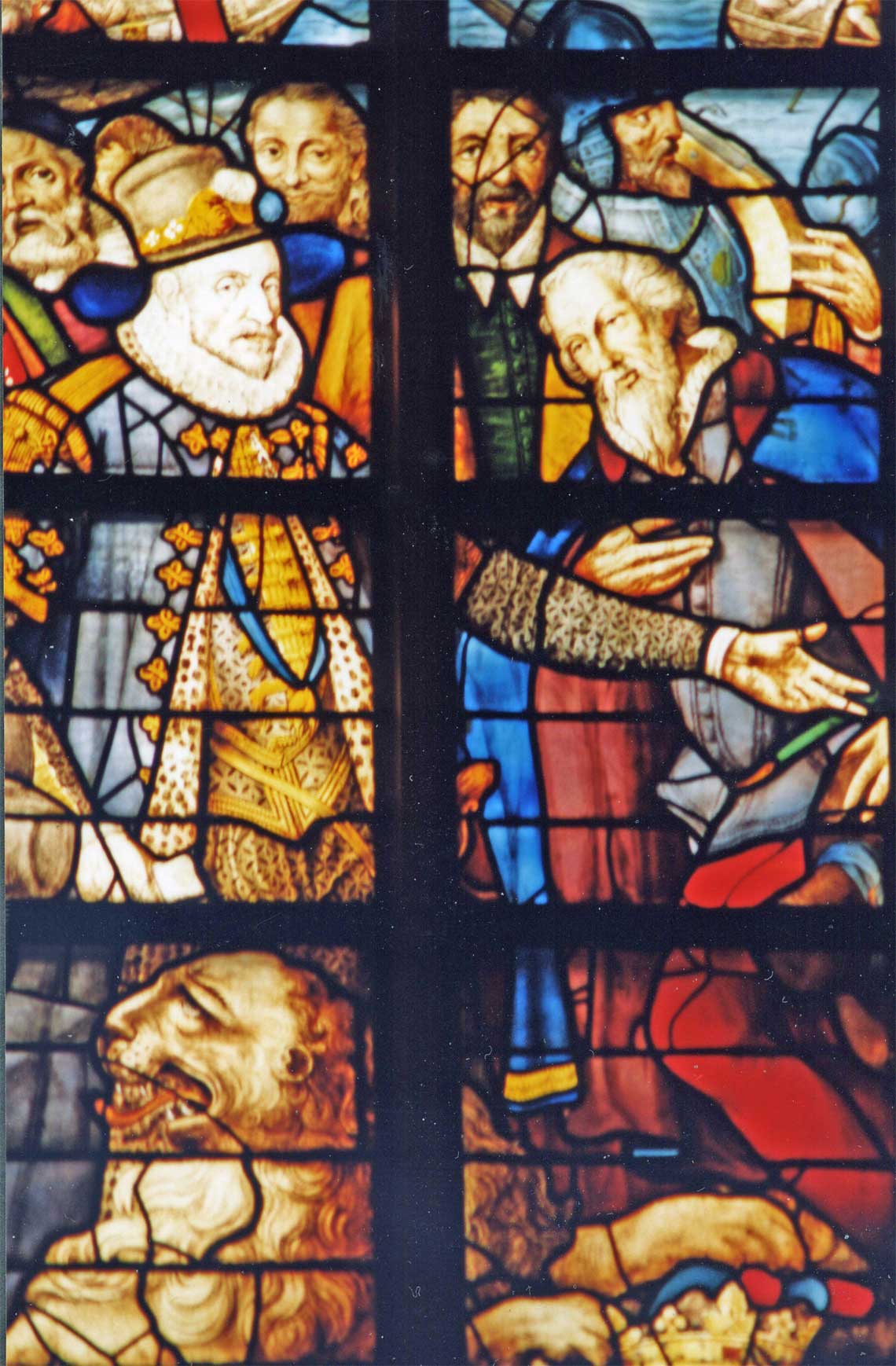
Stained glass of the Relief of Leiden with William of Orange
Dirck Verheyden and Dirck van Douwe, after a design by Ysaac Claesz Swanenburg · 1603
A 1603 stained glass panel in St. John's Church, Gouda, showing William of Orange in the Relief of Leiden, made after his death.
It shows William in the Relief of Leiden, a church window made after his death that keeps his role in the revolt in public memory.
About this source
What it is
This stained glass panel is part of St. John's Church in Gouda. The Commons record names the makers as Dirck Verheyden and Dirck van Douwe, working from a design by Ysaac Claesz Swanenburg, and dates it to 1603. The panel shows the Relief of Leiden, with an image of William of Orange. The record does not describe the rest of the scene in detail.
Why it matters
The panel was made about nineteen years after William's death in 1584. It shows that the events of the revolt were still being honoured in church windows in the early 1600s. It reveals how the Dutch people wanted to remember William as a leader of the successful defence of Leiden.
Look closer
- How does the artist show William, and what does his placement in the scene suggest?
- Why might a church choose to display an event from a war against Spain?
- What does the panel leave out about the suffering of the people of Leiden during the siege?
This painting is part of the curated material that grounds the AI version of William the Silent on Humy.ai — when students ask about related events, the AI can quote it and cite it.
More William the Silent sources
Browse all 93 →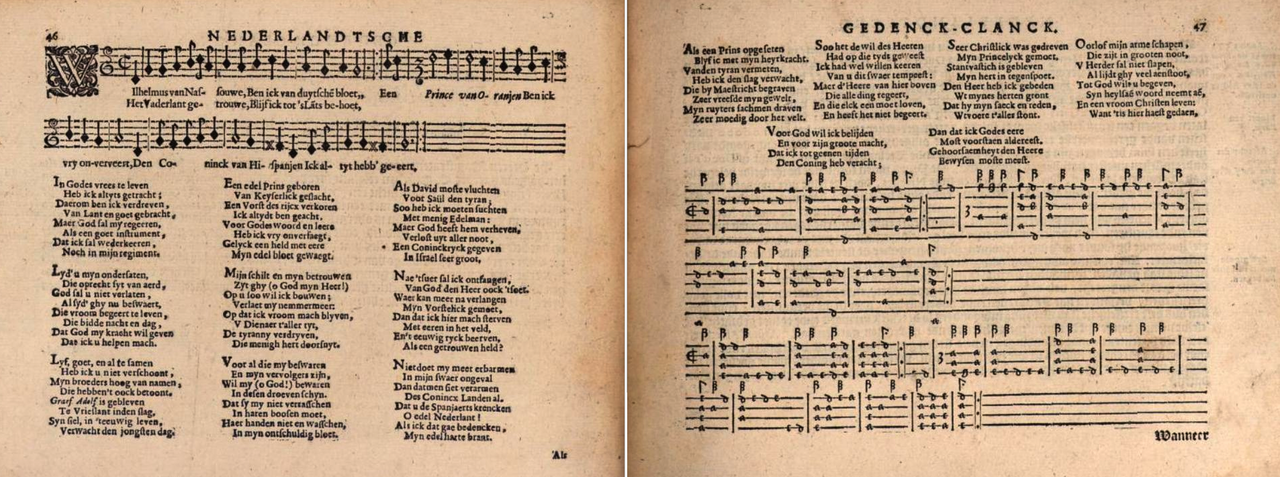 Document
Secondary source
Wilhelmus
Adrianus Valerius · 1572 (text); printed with music 1626
 Document
Primary source
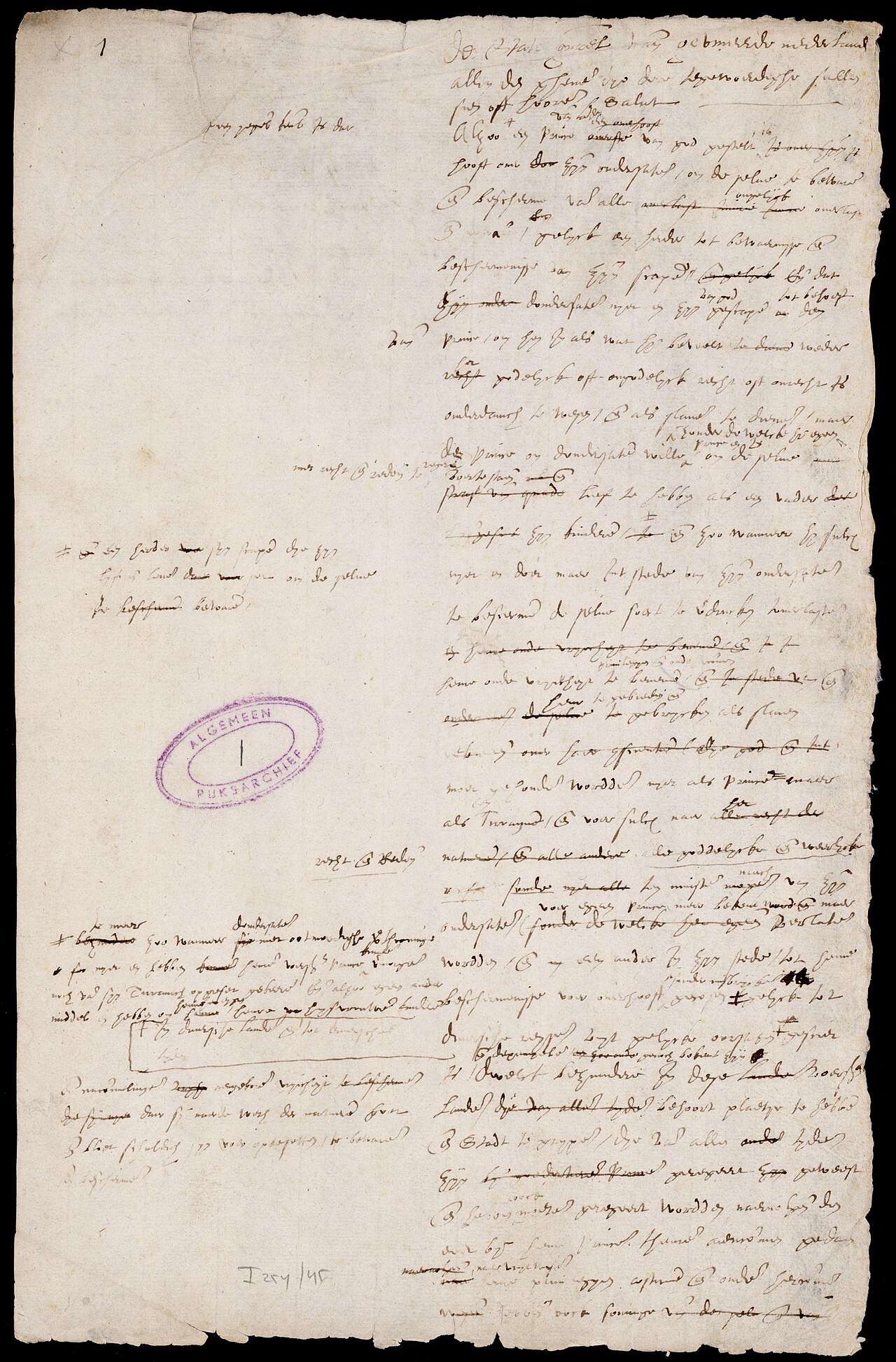
Act of Abjuration
Jan van Asseliers · 26 July 1581
 Artifact
Primary source
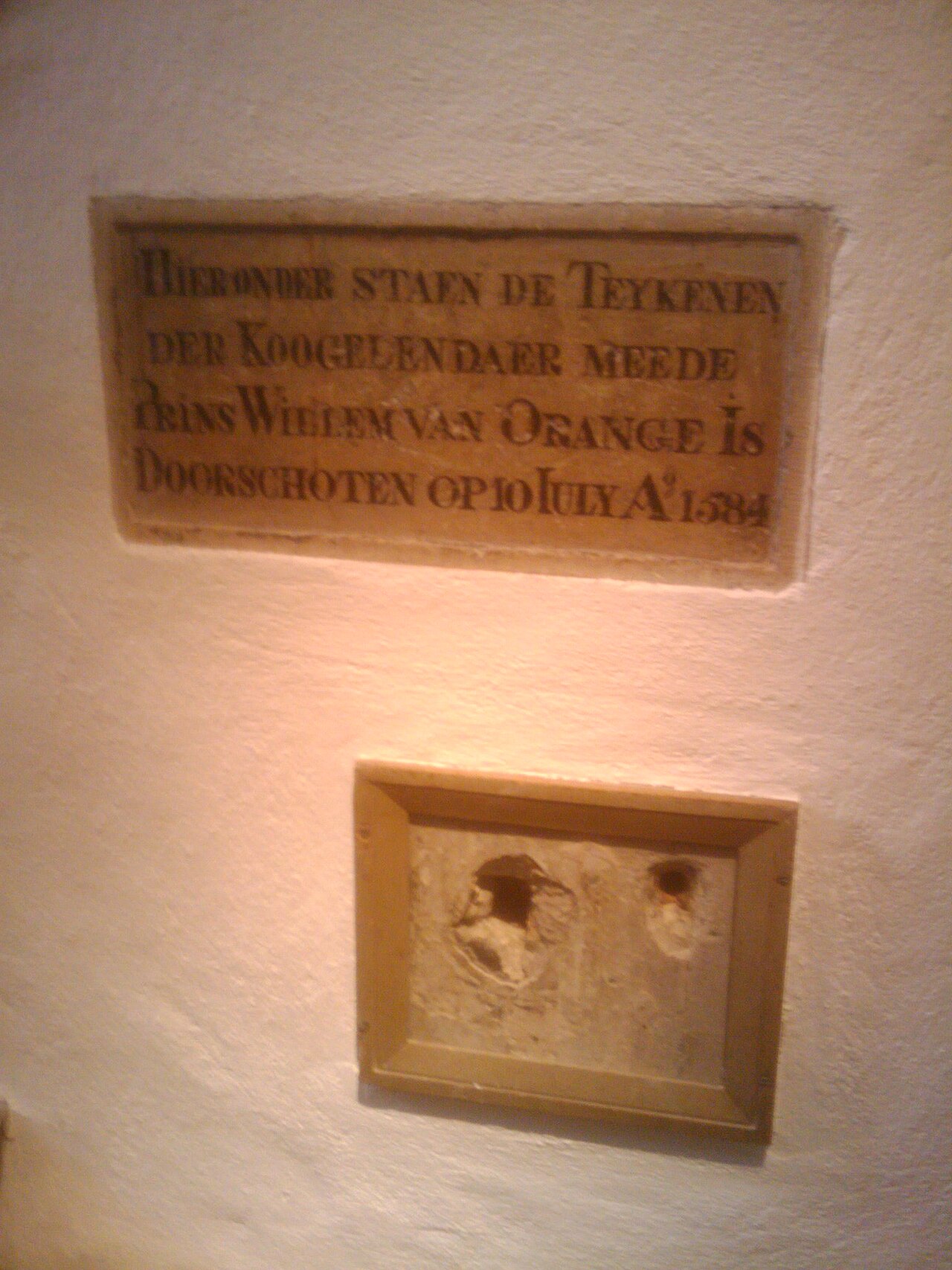
Prinsenhof, Delft
15th century (building); residence 1572–1584
 Painting
Primary source
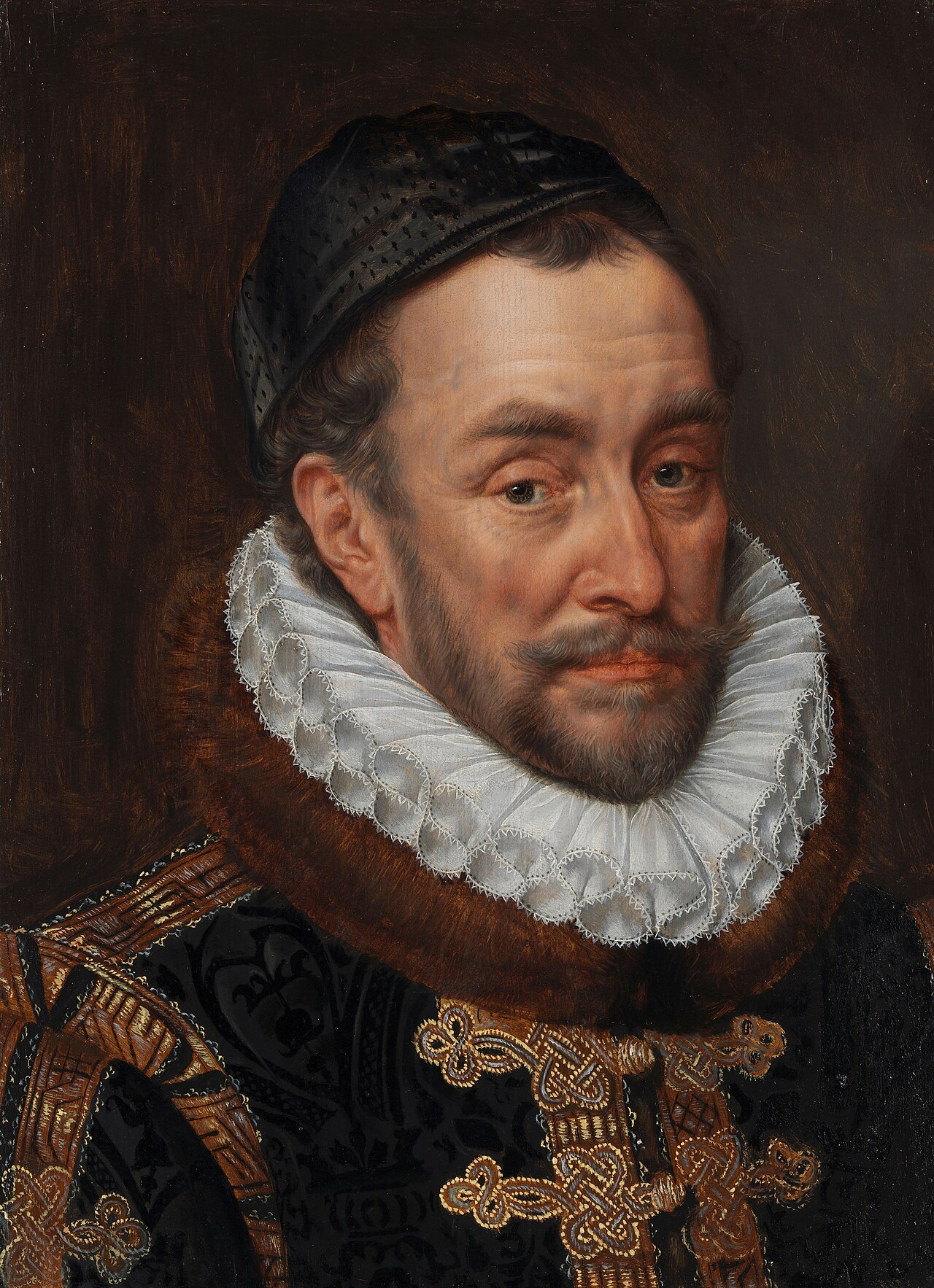
William I, Prince of Orange
Adriaen Thomasz. Key · 1579
Free account
Read every William the Silent source
Sign up free →
Ready when you are
Start chatting with William the Silent now.
20 messages free · No credit card · Available in 50+ languages.