


Primary sourceDocument1765
Stamp Act 1765
Parliament of Great Britain · 1765
A 1765 British law taxing printed materials in the American colonies; passed early in George III's reign, it sparked the 'no taxation without representation' crisis.
Passed early in George III's reign and later repealed with his support, it opened the tax dispute that defined his American troubles.
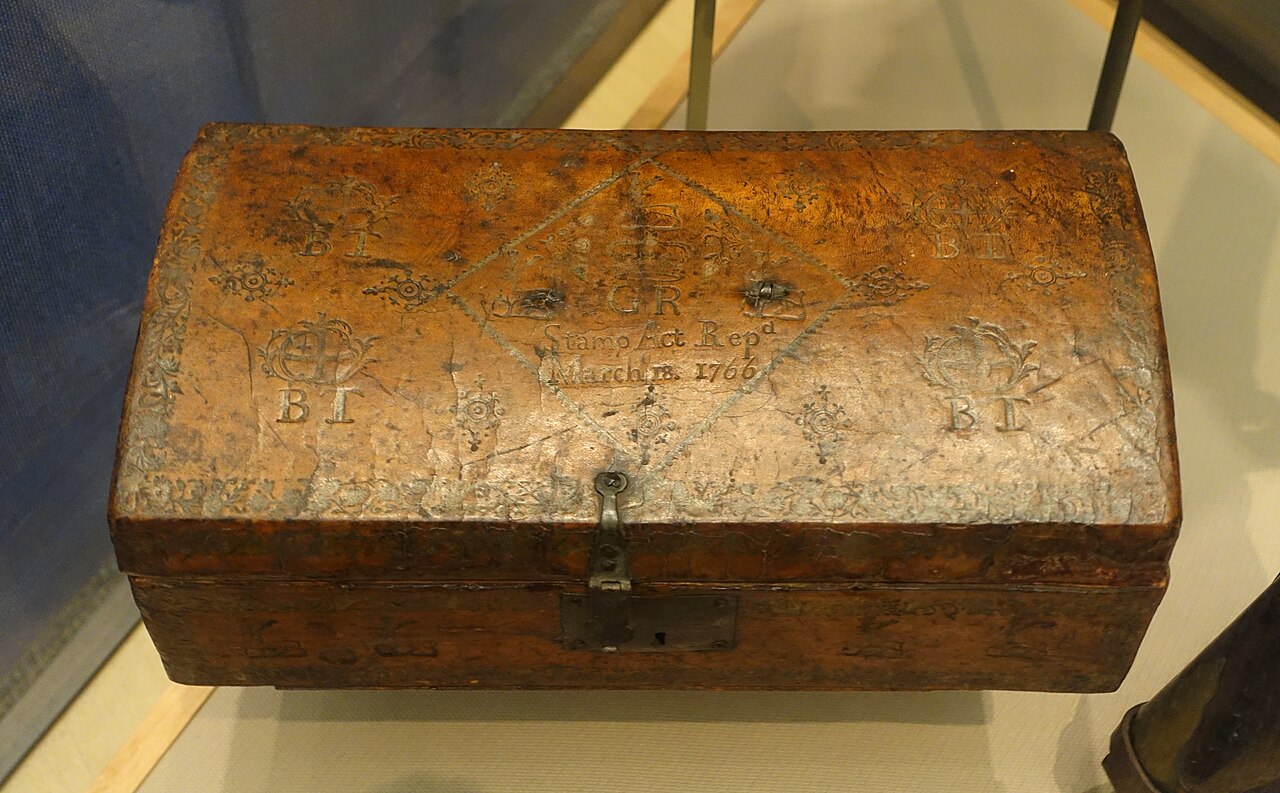
About this source
What it is
The Stamp Act 1765 was a law of the Parliament of Great Britain that taxed printed materials in the American colonies, requiring them to be produced on stamped paper from London. It was passed in 1765 to help pay for British troops stationed in America.
Why it matters
Colonists objected that they were being taxed without any say in Parliament, coining the slogan "no taxation without representation". Protests, boycotts and the Stamp Act Congress forced Parliament to repeal the act in 1766, though it insisted it still had full power to legislate for the colonies. The dispute begun here grew into the grievances later listed against King George III in the Declaration of Independence, and eventually into the American Revolution.
Look closer
- Why might Parliament have expected the colonies to pay for troops they didn't ask for?
- What does the surviving decorated box commemorating the repeal tell us about how people felt when the act was overturned?
- Whose voices are missing from this official document?
This document is part of the curated material that grounds the AI version of George III and Thomas Hutchinson on Humy.ai — when students ask about related events, the AI can quote it and cite it.
More George III sources
Meet the AI George III →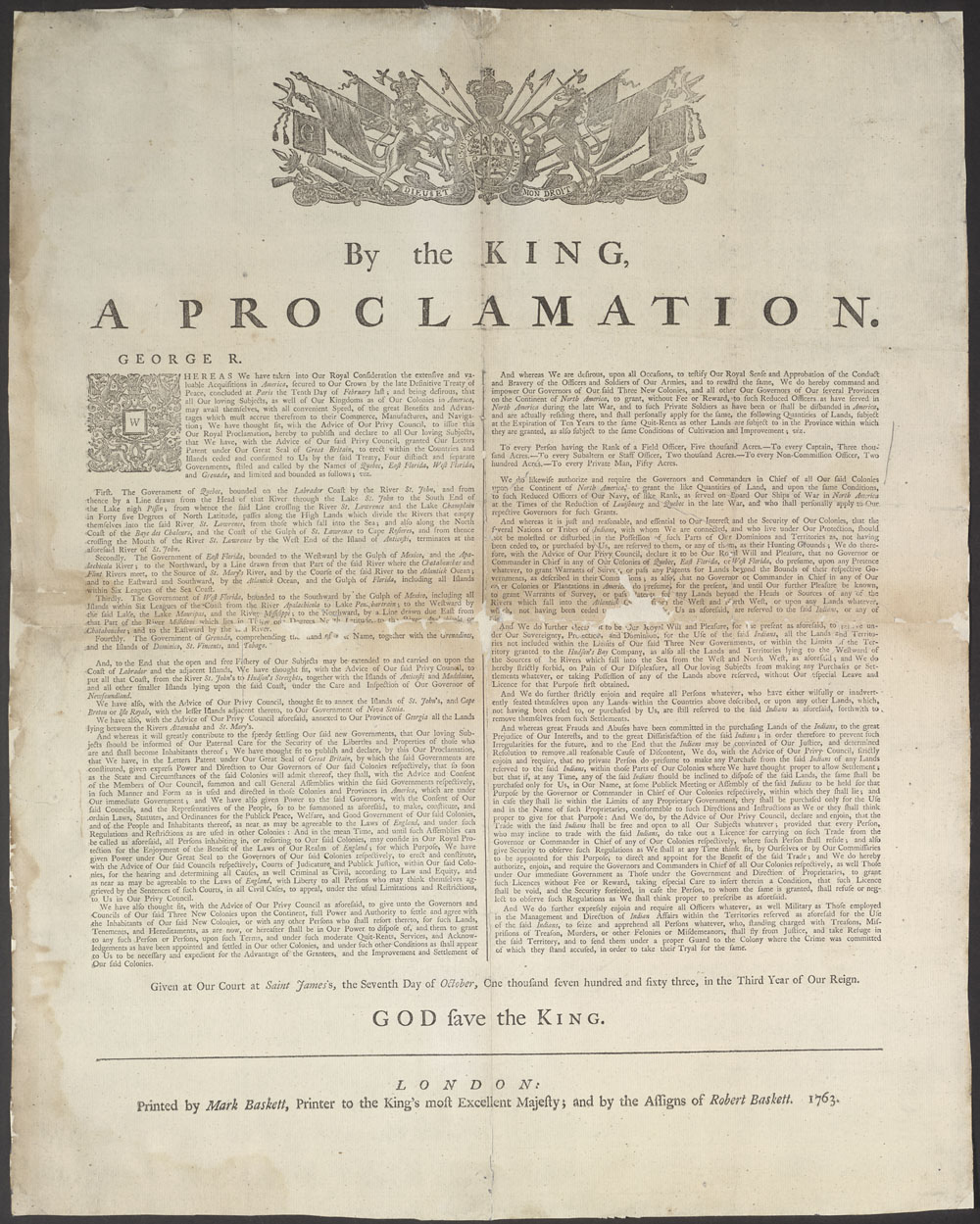 Document
Primary source
Royal Proclamation of 1763
7 October 1763
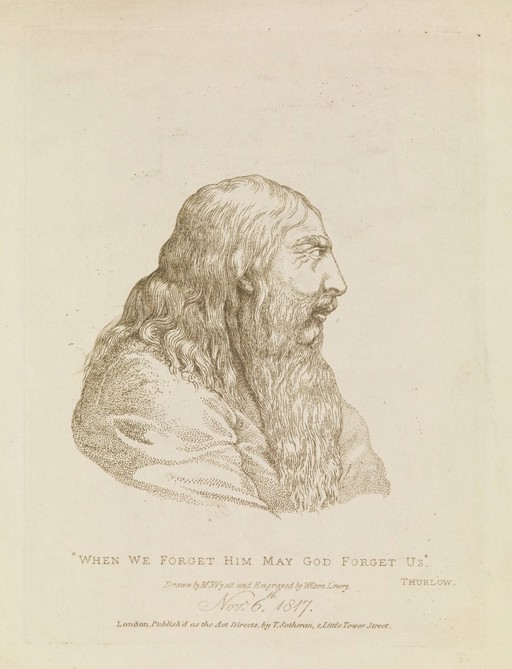 Painting
Primary source
King George III, Etching by Wilson Lowry after M. C. Wyatt
Matthew Coates Wyatt · 6 November 1817
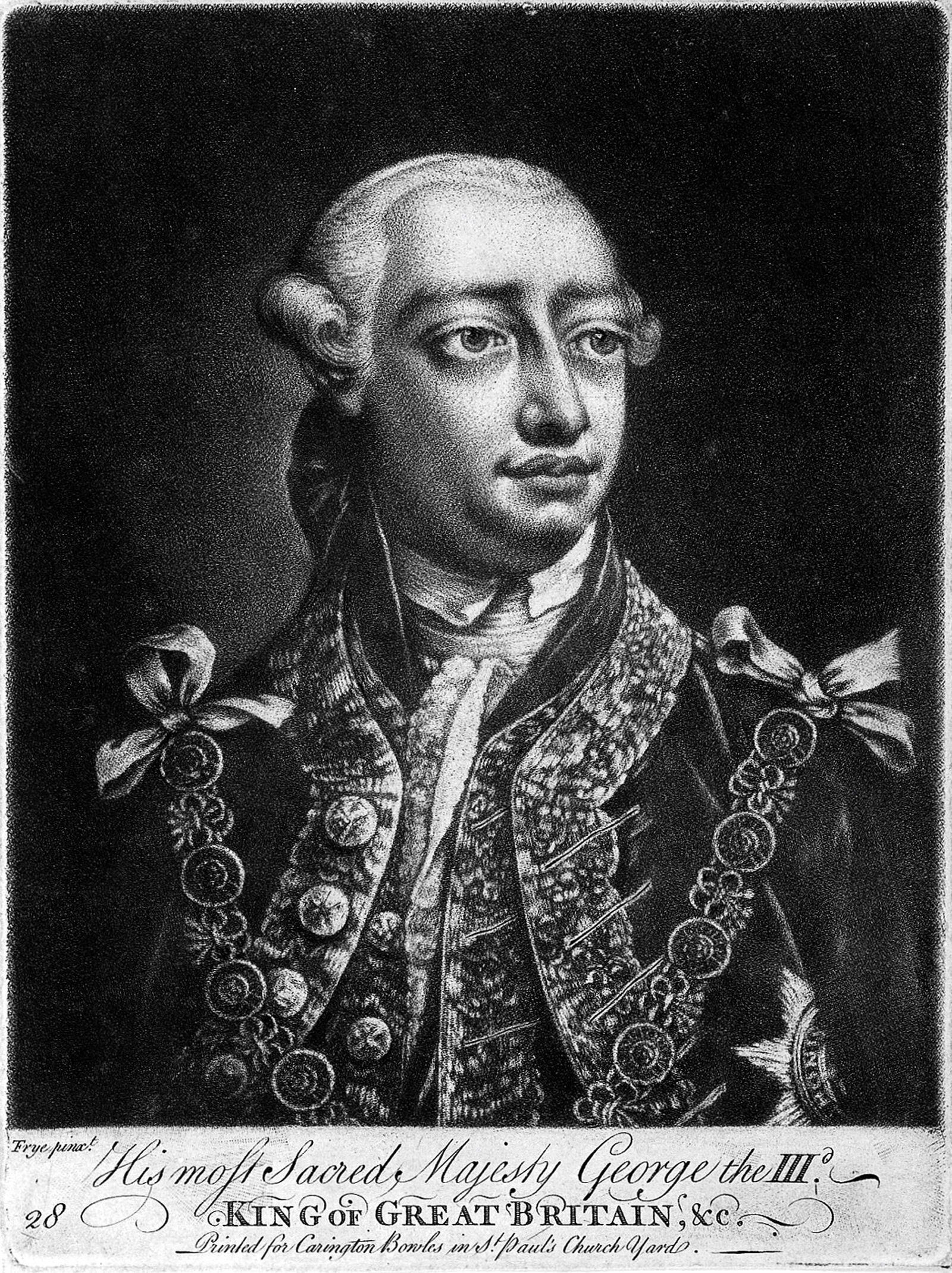 Painting
Primary source
King George III, Mezzotint after Thomas Frye
Thomas Frye · not later than 1762
 Document
Primary source
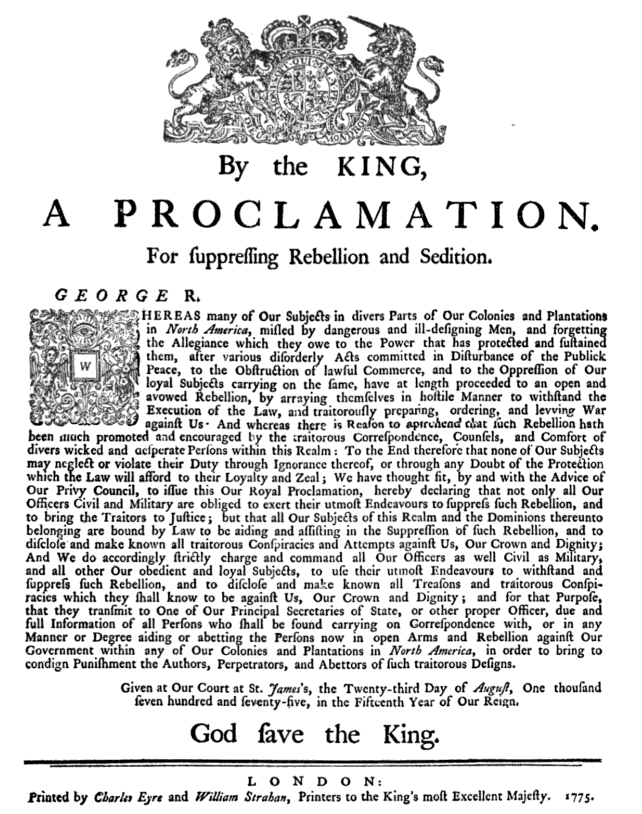
Proclamation of Rebellion
George III of Great Britain · 23 August 1775
 Document
Primary source
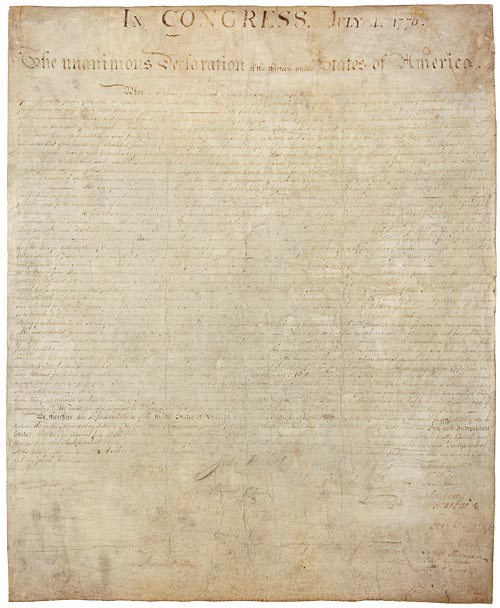
Declaration of Independence
Continental Congress (drafted by Thomas Jefferson) · 1776
Ready when you are
Start chatting with George III now.
20 messages free · No credit card · Available in 50+ languages.