


Secondary sourceSculpture1914
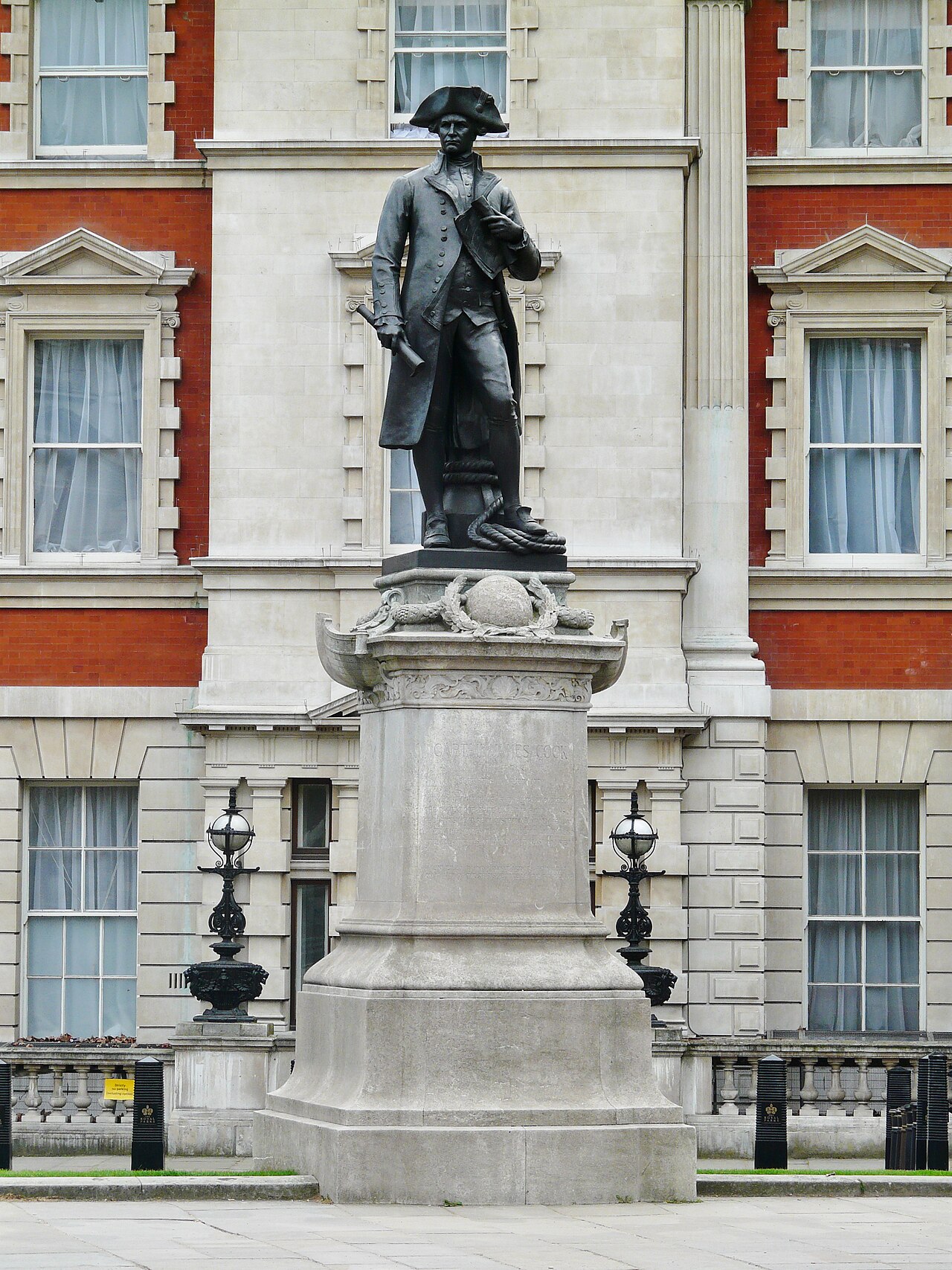
Statue of Captain James Cook, The Mall
Thomas Brock · 1914
Thomas Brock's 1914 bronze statue of Cook near Admiralty Arch in London, marking his place in imperial memory.
This statue commemorates Cook as a symbol of British imperial achievement in the early 20th century.
About this source
What it is
This bronze statue of James Cook, by sculptor Thomas Brock, stands on The Mall near Admiralty Arch in London. It was completed and unveiled in 1914, after the idea was proposed by Joseph Carruthers, a former premier of New South Wales who noted London lacked a monument to Cook.
Why it matters
The statue shows how, by the early twentieth century, Cook had become a symbol of British imperial achievement, with colonial figures like Carruthers pushing for his recognition in the heart of the empire.
Look closer
- Why might someone from Australia want a statue of Cook built in London?
- What does Cook's pose and uniform suggest about how he was meant to be remembered?
- What is left out of a statue that a letter or diary might tell us?
This sculpture is part of the curated material that grounds the AI version of James Cook on Humy.ai — when students ask about related events, the AI can quote it and cite it.
More James Cook sources
Meet the AI James Cook →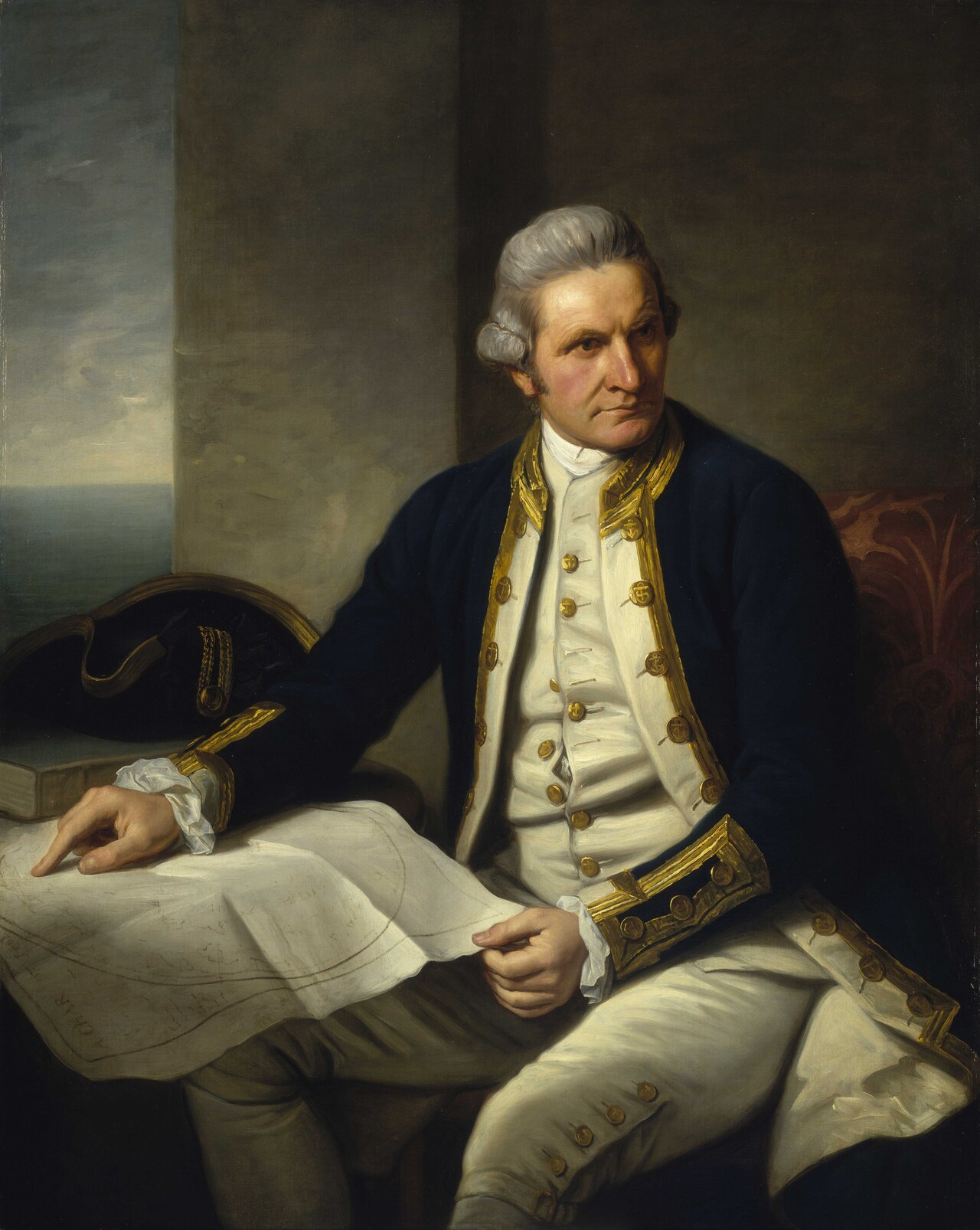 Painting
Primary source
Captain James Cook, 1728-79
Nathaniel Dance-Holland · c. 1775-1776
 Painting
Secondary source
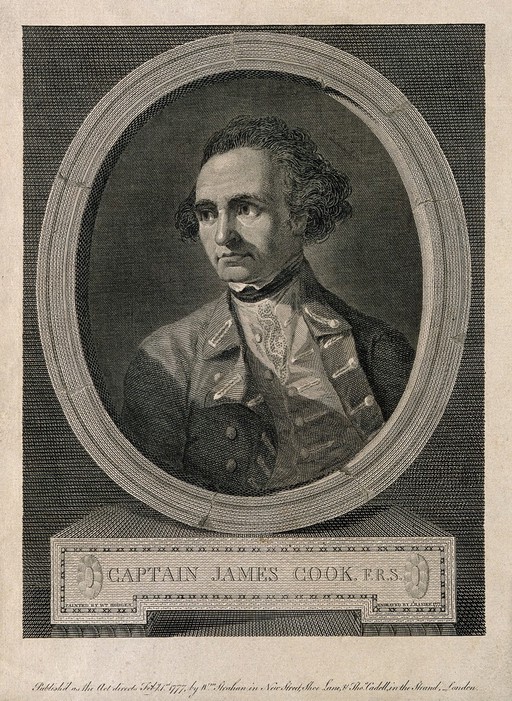
James Cook, line engraving by Basire after Hodges
William Hodges · 1777
 Document
Primary source
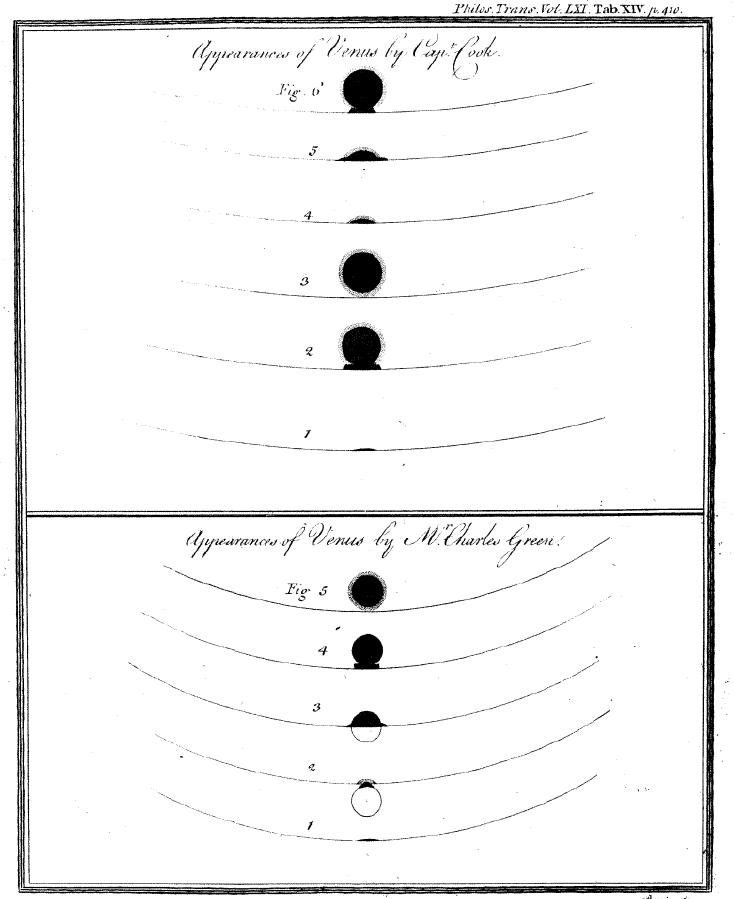
Sketchings of the 1769 Venus Transit
James Cook and Charles Green · 1769
 Painting
Primary source
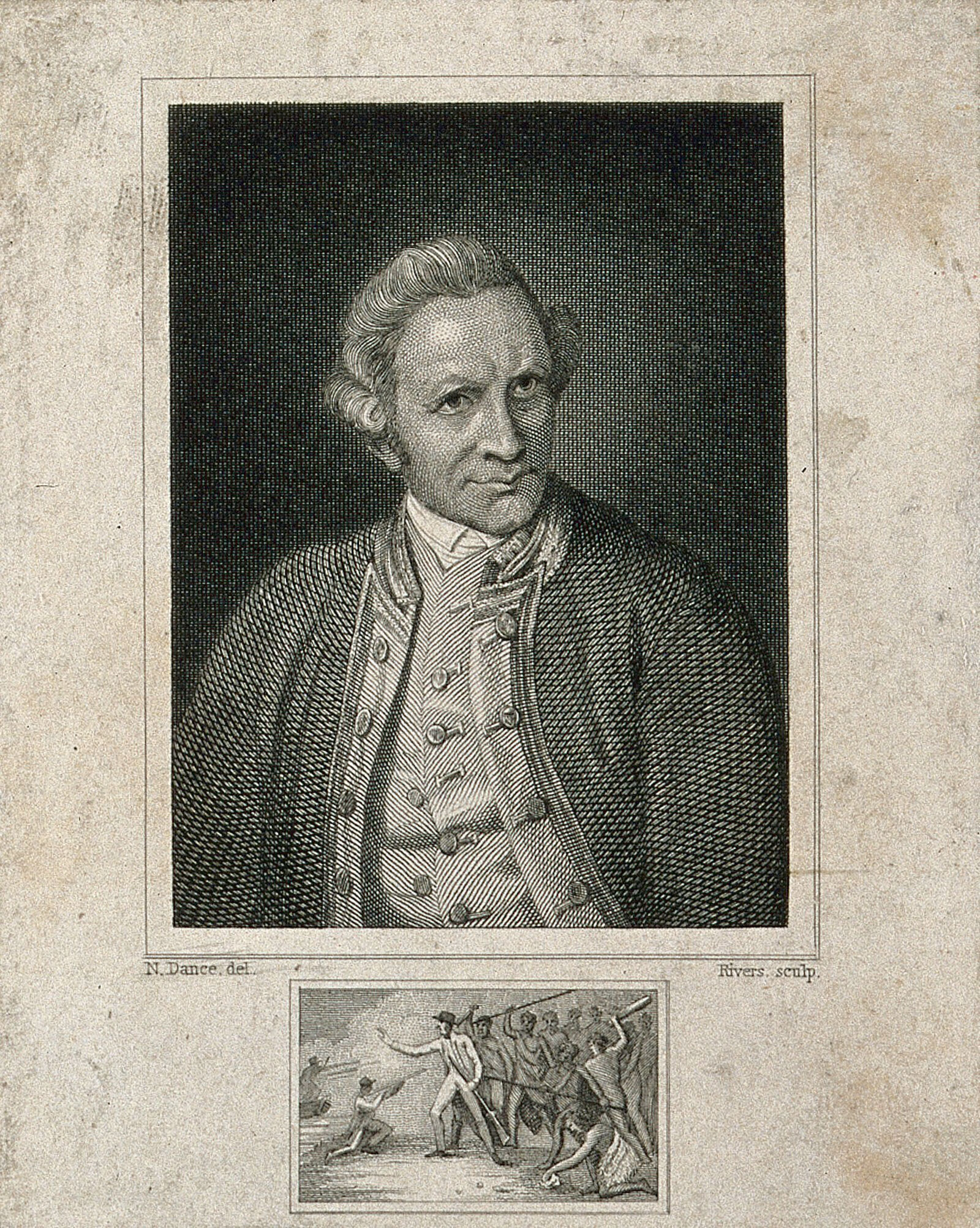
James Cook, engraving by Rivers after Dance-Holland
Nathaniel Dance-Holland · 1776
 Document
Primary source
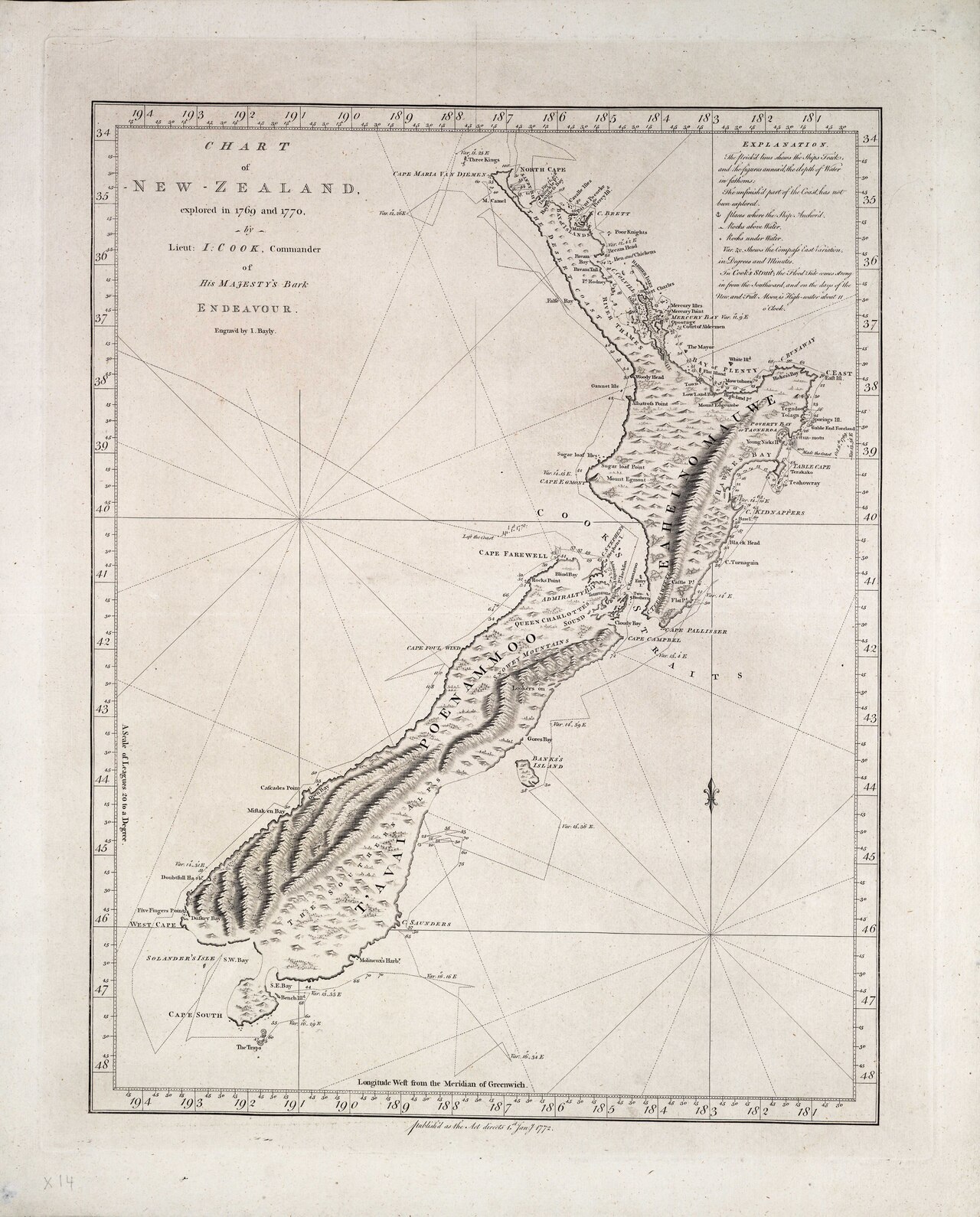
Chart of New Zealand, explored in 1769 and 1770
James Cook · 1770
Ready when you are
Start chatting with James Cook now.
20 messages free · No credit card · Available in 50+ languages.