


Secondary sourceSculpture1905
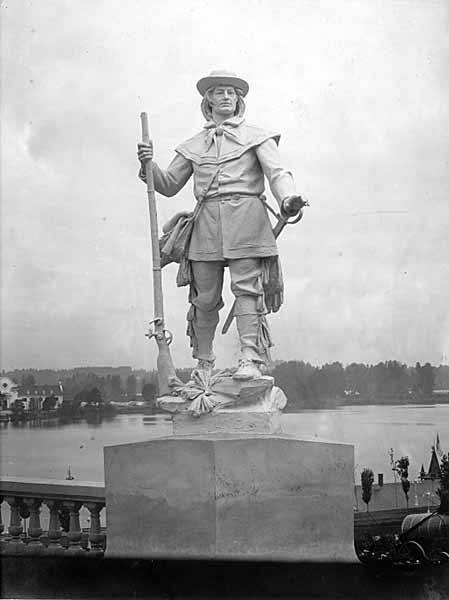
Statue of Captain William Clark by Frederick Ruckstuhl
Frederick Ruckstuhl · 1905
A photograph of a 1905 statue of William Clark made for the Lewis and Clark Centennial Exposition in Portland, showing him with a rifle and a sword.
This 1905 statue commemorates Clark's role on the expedition and his exchanges with Native peoples.
About this source
What it is
This is a black-and-white photograph of a plaster statue of William Clark, created by sculptor Frederick Ruckstuhl for the Lewis and Clark Centennial Exposition held in Portland in 1905. The statue shows Clark in frontier clothing, holding a rifle, with a sword at his side — a sword he is said to have given to a Walla Walla chief in exchange for a horse and assistance.
Why it matters
The statue was made a century after the expedition, as part of a large fair celebrating the Pacific Northwest and the Lewis and Clark journey. It shows how Clark was remembered and honored long after his death, and reflects the stories told about his dealings with Native peoples.
Look closer
- Why might organizers of the exposition choose to commemorate Clark with a statue?
- What does the detail about the sword suggest about relationships between Clark and Native peoples?
- What is left out of a monument like this that a journal entry might include?
This sculpture is part of the curated material that grounds the AI version of William Clark on Humy.ai — when students ask about related events, the AI can quote it and cite it.
More William Clark sources
Meet the AI William Clark →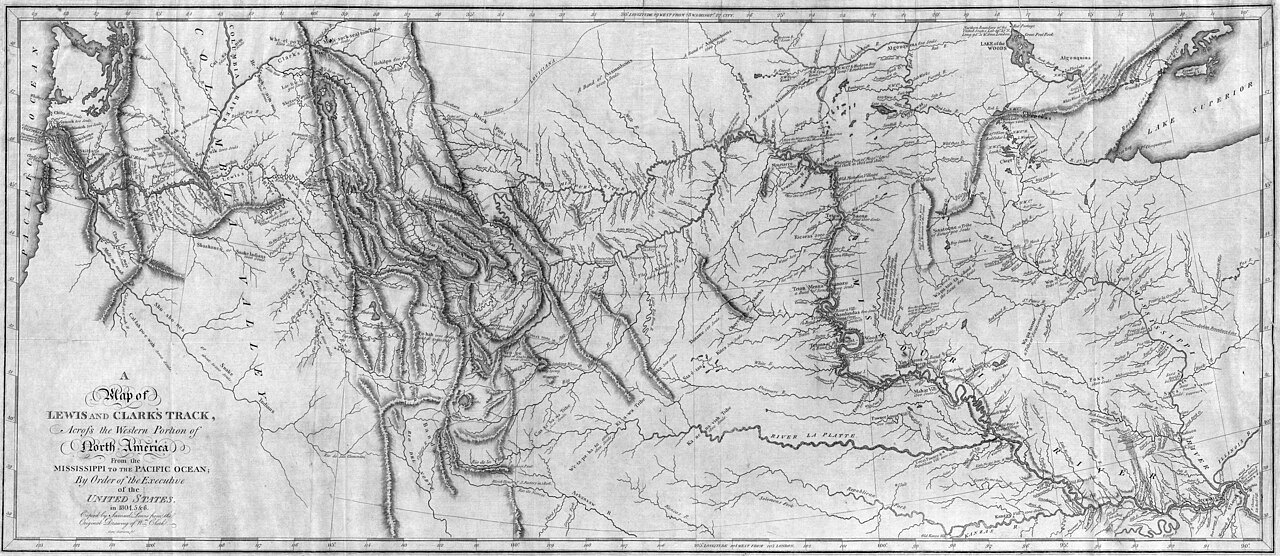 Document
Primary source
A Map of Lewis and Clark's Track Across the Western Portion of North America
William Clark · 1814
 Document
Primary source
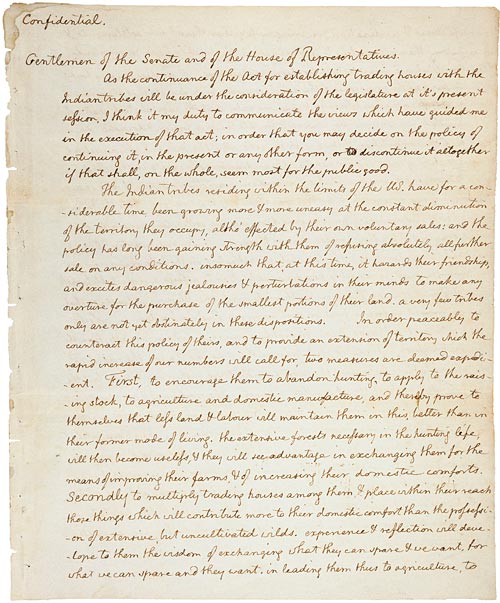
Jefferson's Secret Message to Congress Regarding the Lewis and Clark Expedition
Thomas Jefferson · 18 January 1803
Primary source
Louisiana Purchase Treaty
30 April 1803
 Painting
Primary source
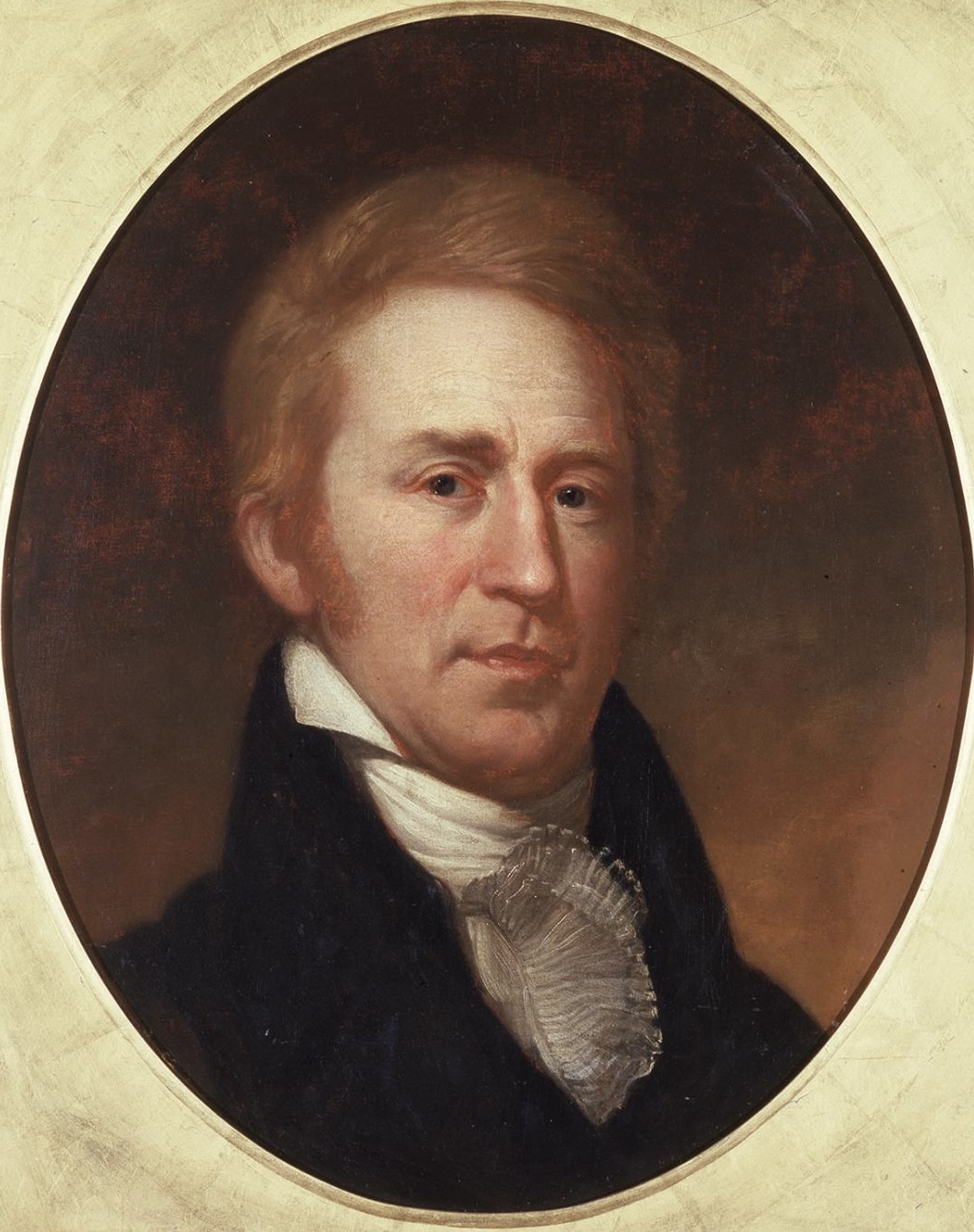
Portrait of William Clark
Charles Willson Peale
 Photograph
Primary source
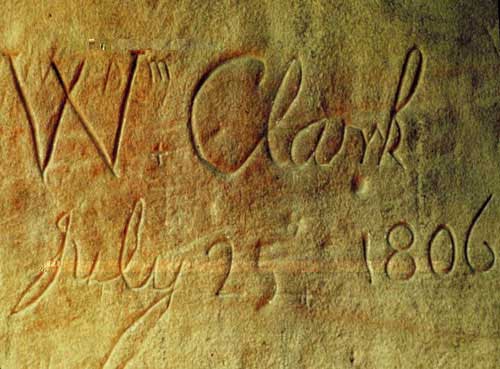
Clark's Signature at Pompeys Pillar
25 July 1806
Ready when you are
Start chatting with William Clark now.
20 messages free · No credit card · Available in 50+ languages.