


Secondary sourceSculpture1902
Statue of Charles Sumner (Harvard Square, Cambridge)
Anne Whitney · 1902
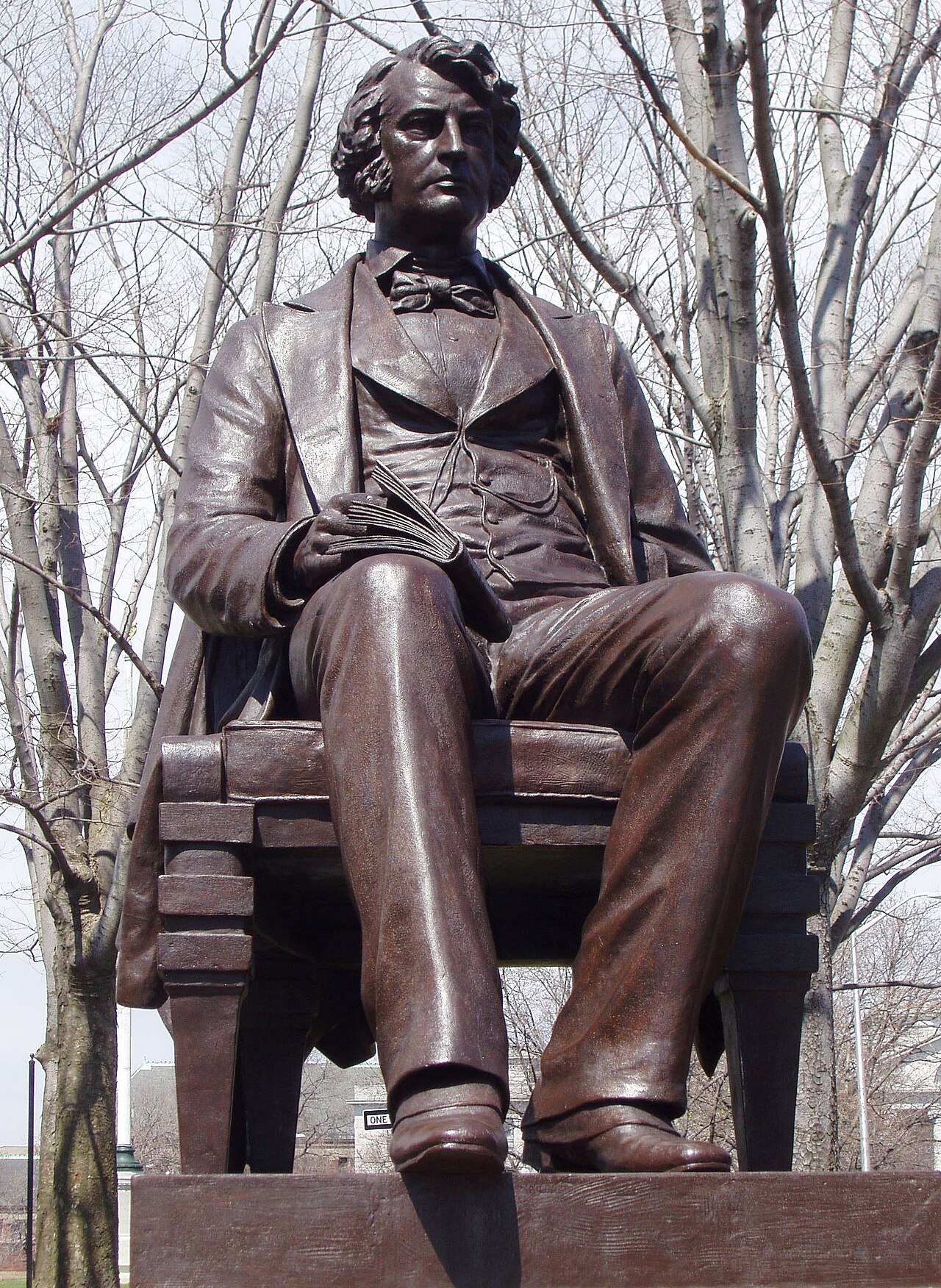
A bronze statue of Charles Sumner seated with a book, by Anne Whitney. Her design won an 1875 Boston competition but was rejected because she was a woman.
Shows that Sumner's memorial was first designed by a woman whose work was rejected, a story that connects to his own commitment to equal rights.
About this source
What it is
This bronze statue of Charles Sumner is by the sculptor Anne Whitney. It shows Sumner seated in a chair, holding an open book on his lap, on a stone pedestal in General MacArthur Square by Harvard Square in Cambridge, Massachusetts. The statue was cast in 1902 with funding from an anonymous donor. Friends of Sumner arranged its installation. A plaster model of the statue is on display indoors at the Watertown public library.
Why it matters
Whitney knew Sumner through her brother Alexander, who had been a classmate of his. In 1875 the Boston Art Committee held a competition for model sculptures of Sumner, and Whitney's design won. When the judges learned that a woman had made it, they decided it was not appropriate for a woman to sculpt a man's legs and rejected it. They chose Thomas Ball's design instead. Whitney exhibited her model at the Centennial Exposition of 1876 in Philadelphia and elsewhere. A newspaper of the time mocked the judges' decision, which shows that many people in the period questioned it. The statue reveals how gender shaped who could become a public artist.
Look closer
- Why do you think the sculptor chose to show Sumner seated and holding a book rather than standing?
- Who rejected this design in 1875, and what reasons did they give in the sources you can read?
- Whose voices are missing from this story, and how would you find out more about them?
This sculpture is part of the curated material that grounds the AI version of Charles Sumner on Humy.ai — when students ask about related events, the AI can quote it and cite it.
More Charles Sumner sources
Meet the AI Charles Sumner →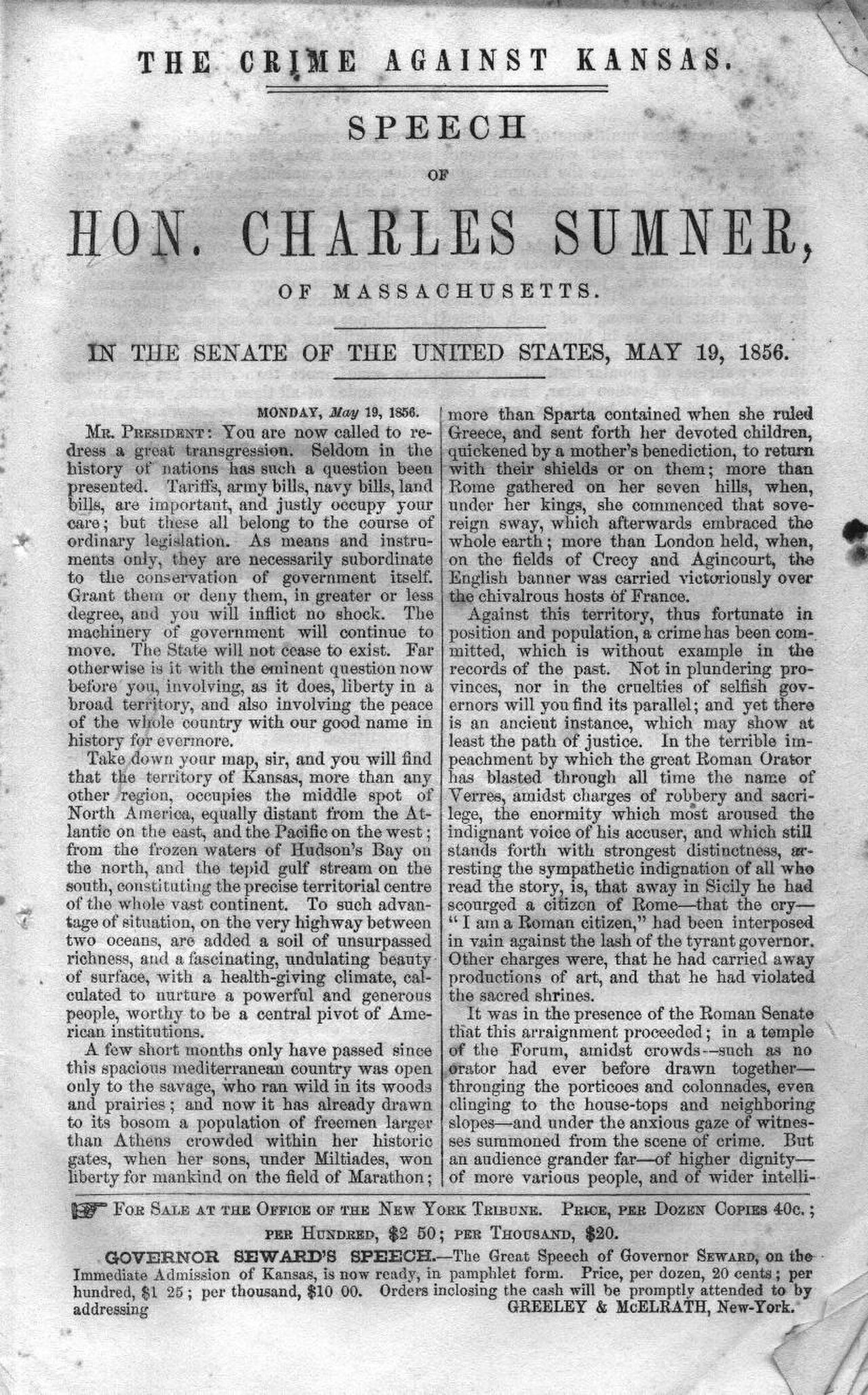 Speech
Primary source
The Crime Against Kansas
Charles Sumner · 19-20 May 1856
 Painting
Primary source
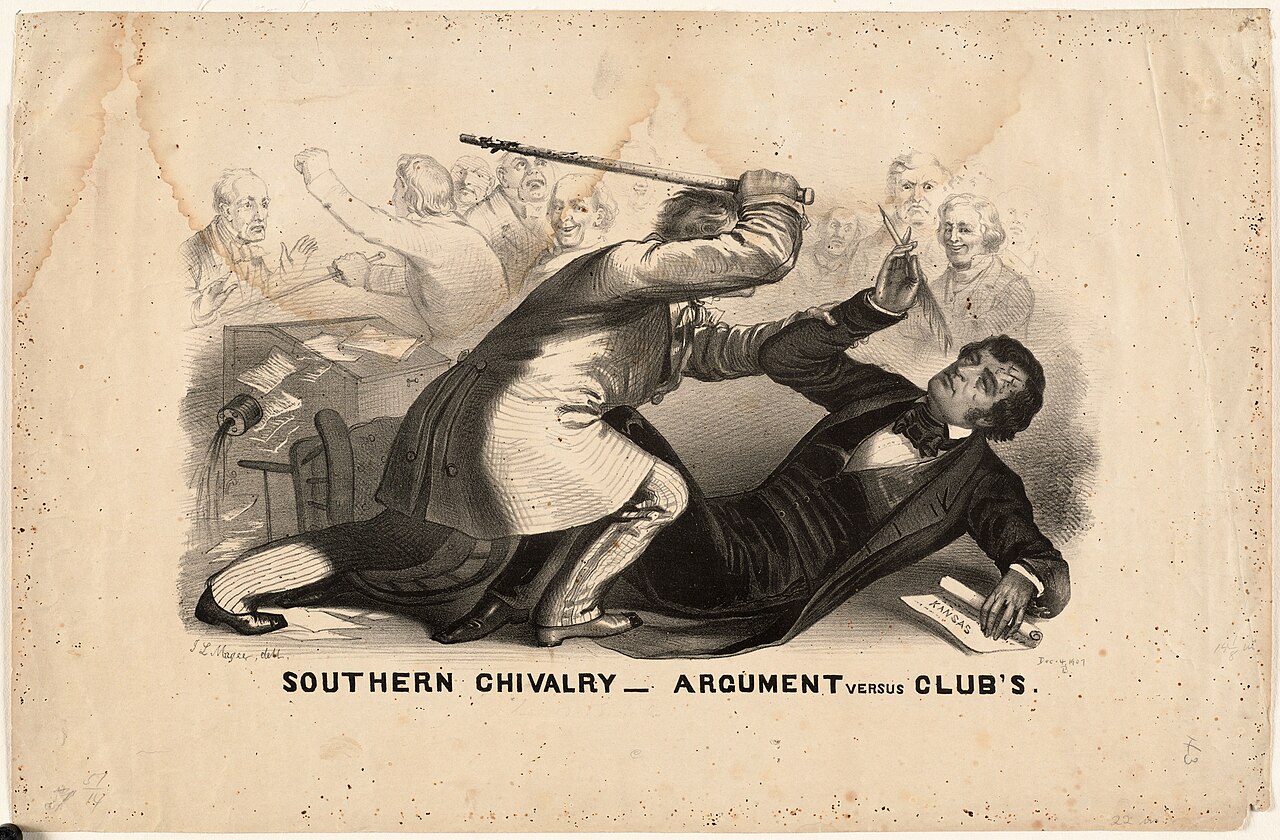
Southern Chivalry – Argument versus Club's
John L. Magee · 1856
 Document
Primary source
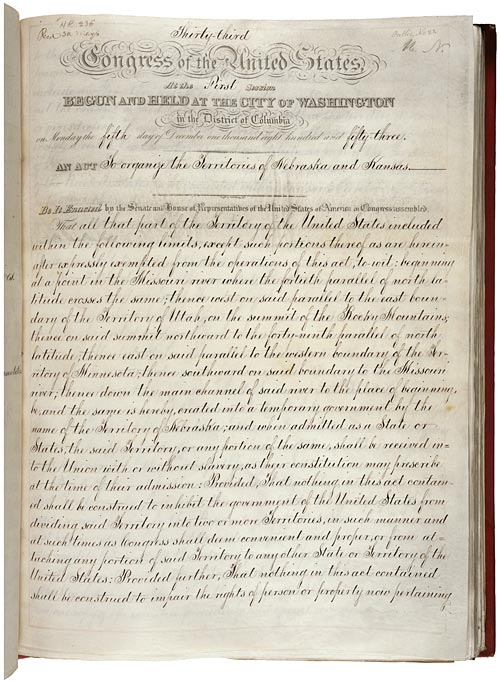
Kansas-Nebraska Act
United States Congress · 1854
 Speech
Primary source
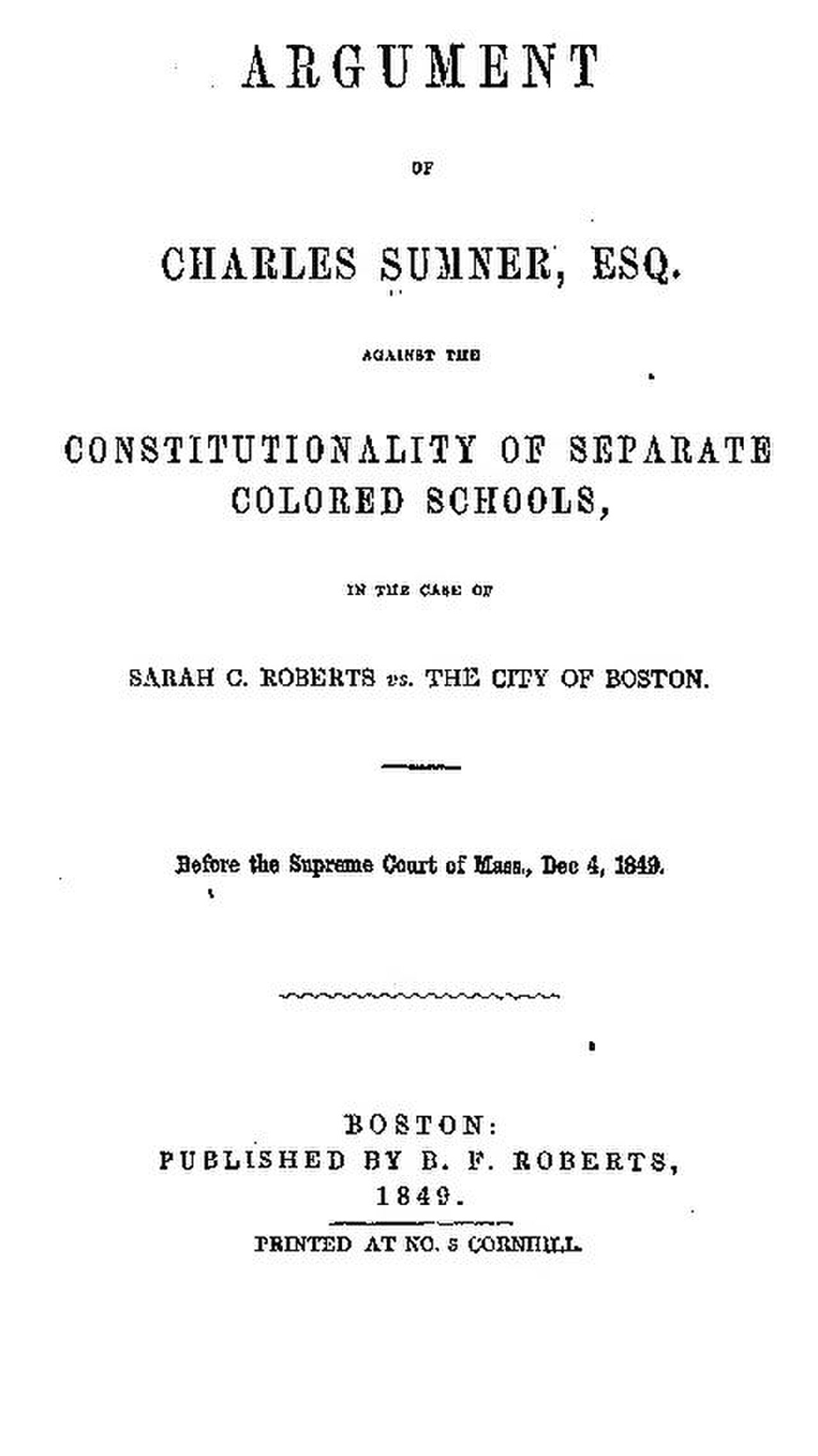
Argument of Charles Sumner against the Constitutionality of Separate Colored Schools
Charles Sumner · 4 December 1849
 Document
Primary source
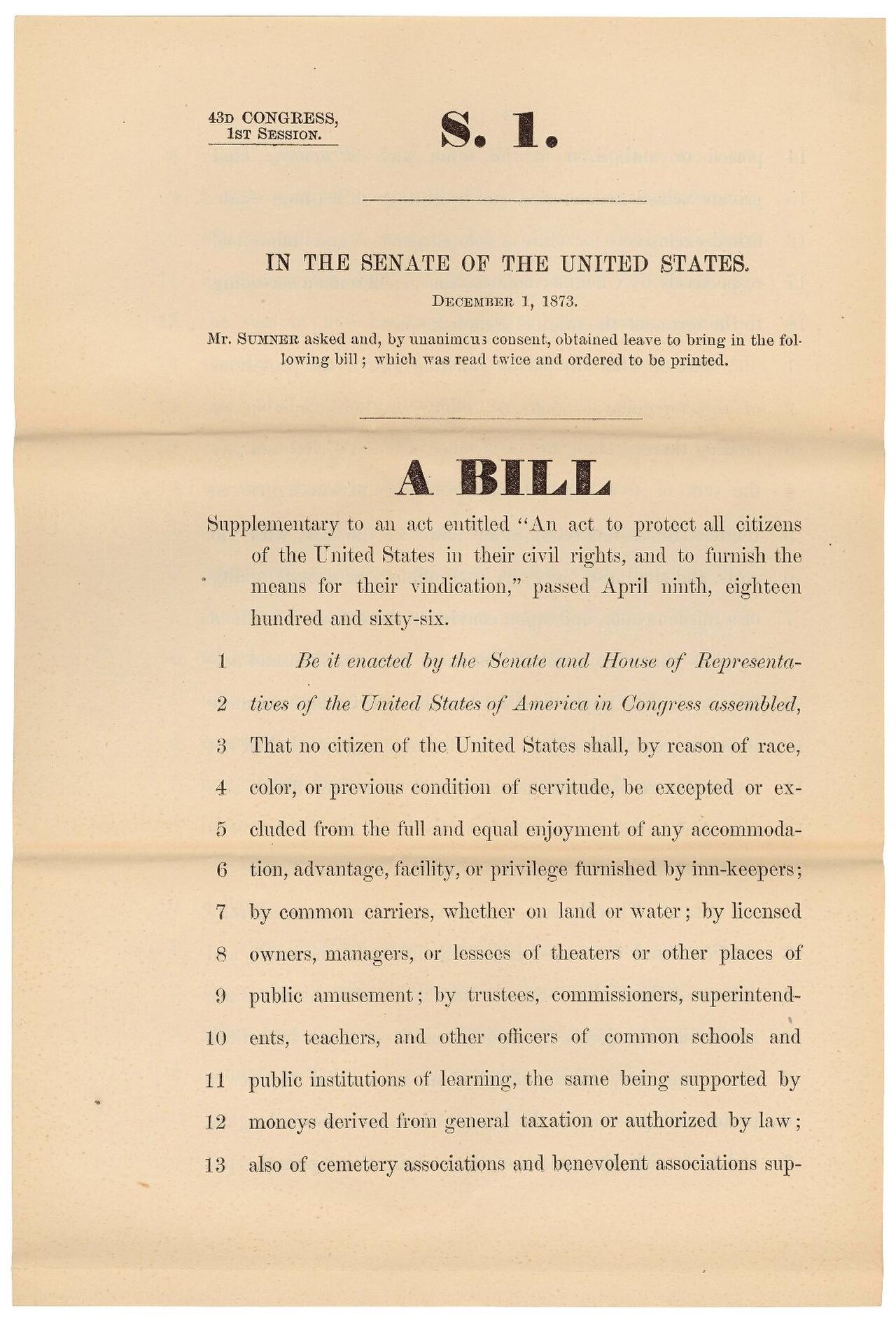
Civil Rights Act of 1875
United States Congress · 1 March 1875
Ready when you are
Start chatting with Charles Sumner now.
20 messages free · No credit card · Available in 50+ languages.