


Primary sourceSculpture40 AD
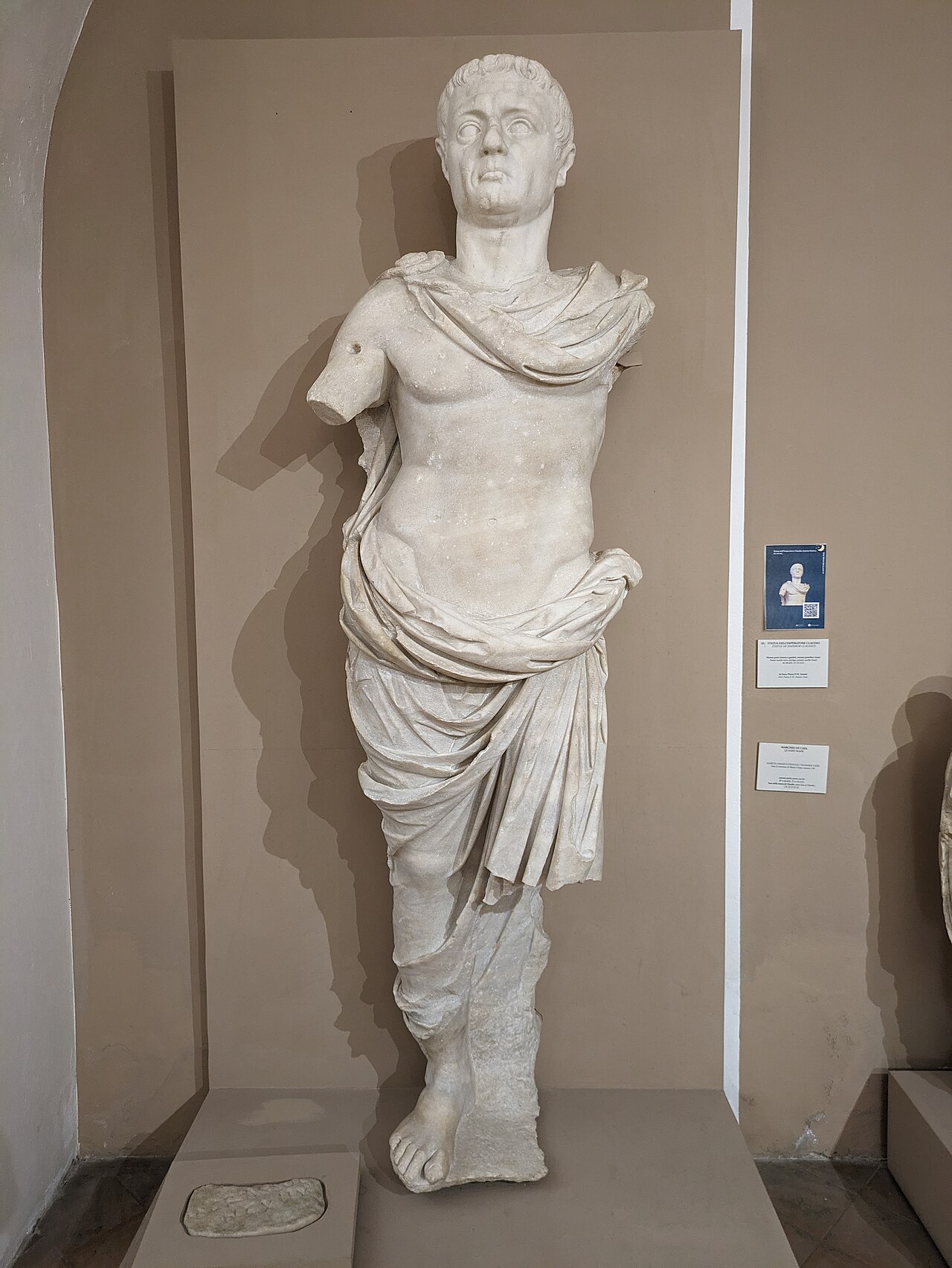
Statue of Claudius
40 AD
A marble statue of Emperor Claudius wearing a Roman toga, found in the Italian town of Fano.
This statue shows the public, civic image of Claudius as displayed in an Italian town during his reign.
About this source
What it is
This is an ancient Roman marble statue of Emperor Claudius, dated to around AD 40, now held in the Museo Archeologico in Fano, Italy. The figure is shown standing in a draped toga, in the formal civic style used for official statues of emperors.
Why it matters
Statues like this were set up in towns across the Roman Empire to make the emperor's presence felt even where he never visited in person. The togate pose was meant to show Claudius as a dignified Roman citizen-ruler rather than a distant autocrat. Its presence in Fano shows how Roman emperors used public art to project authority throughout Italy.
Look closer
- What does the toga and pose suggest the sculptor wanted viewers to think about Claudius?
- Why might a statue be damaged — missing an arm and part of a leg — after so many centuries?
- What can't a statue like this tell us about Claudius as a person?
This sculpture is part of the curated material that grounds the AI version of Claudius on Humy.ai — when students ask about related events, the AI can quote it and cite it.
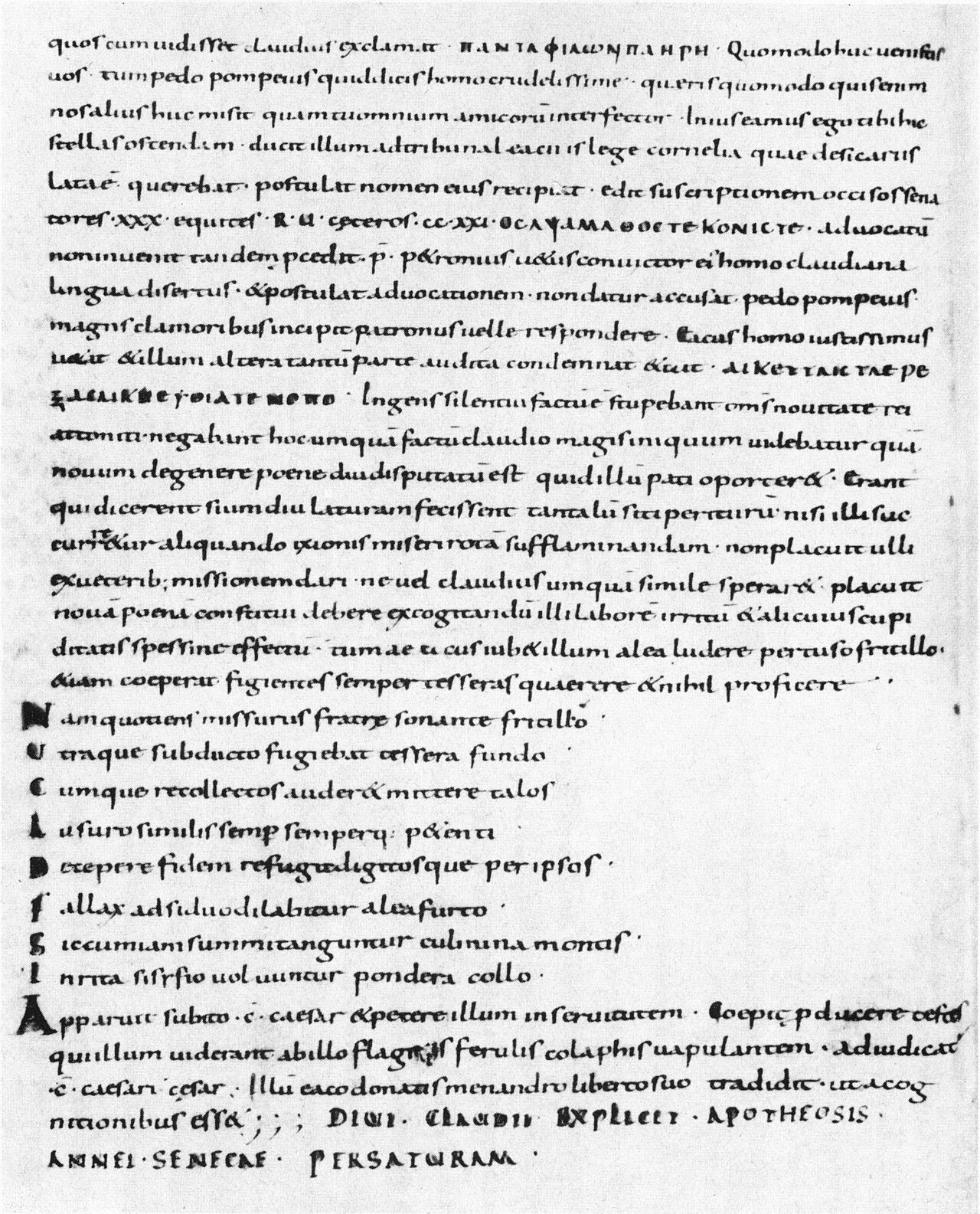
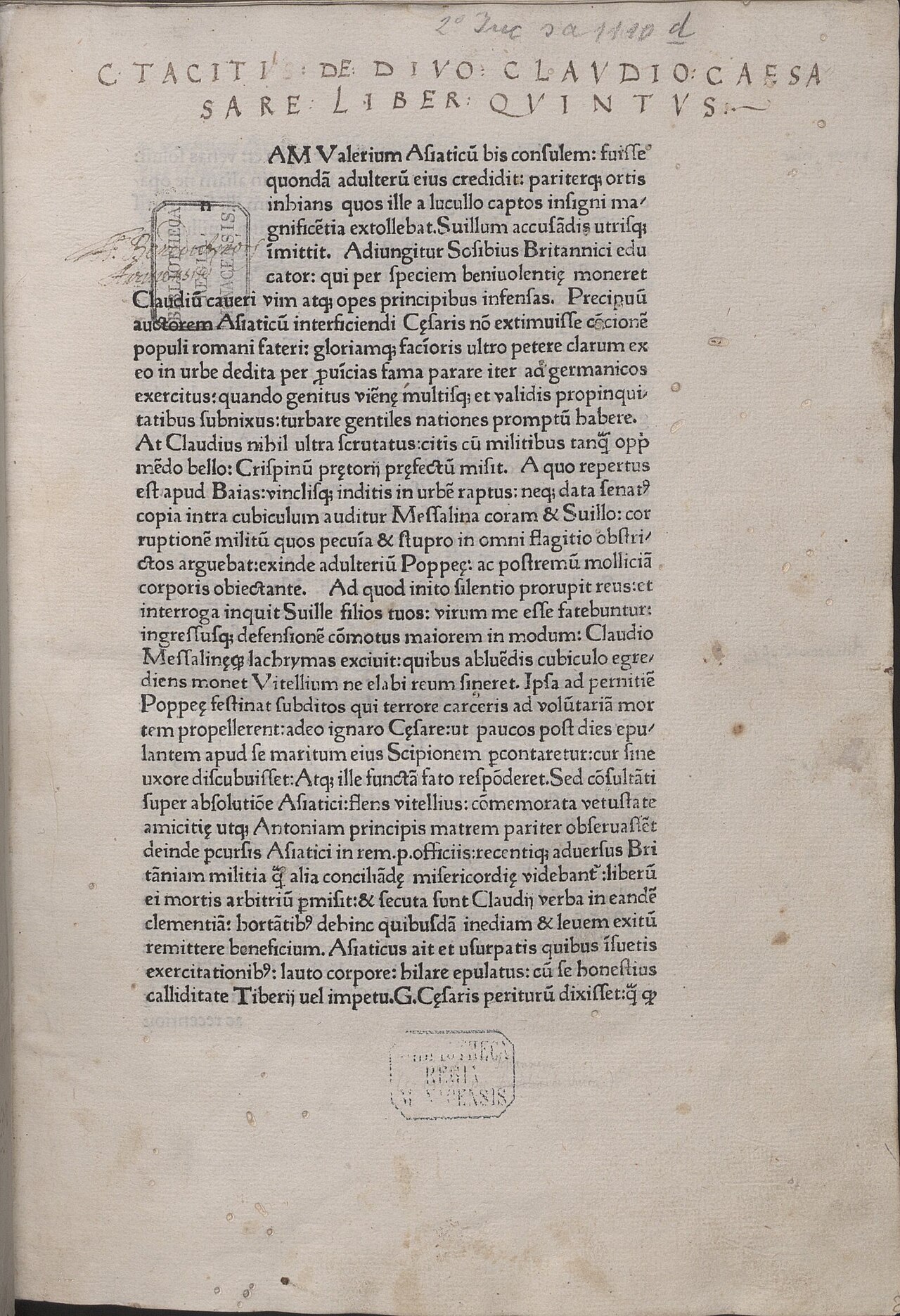
More Claudius sources
Browse all 87 →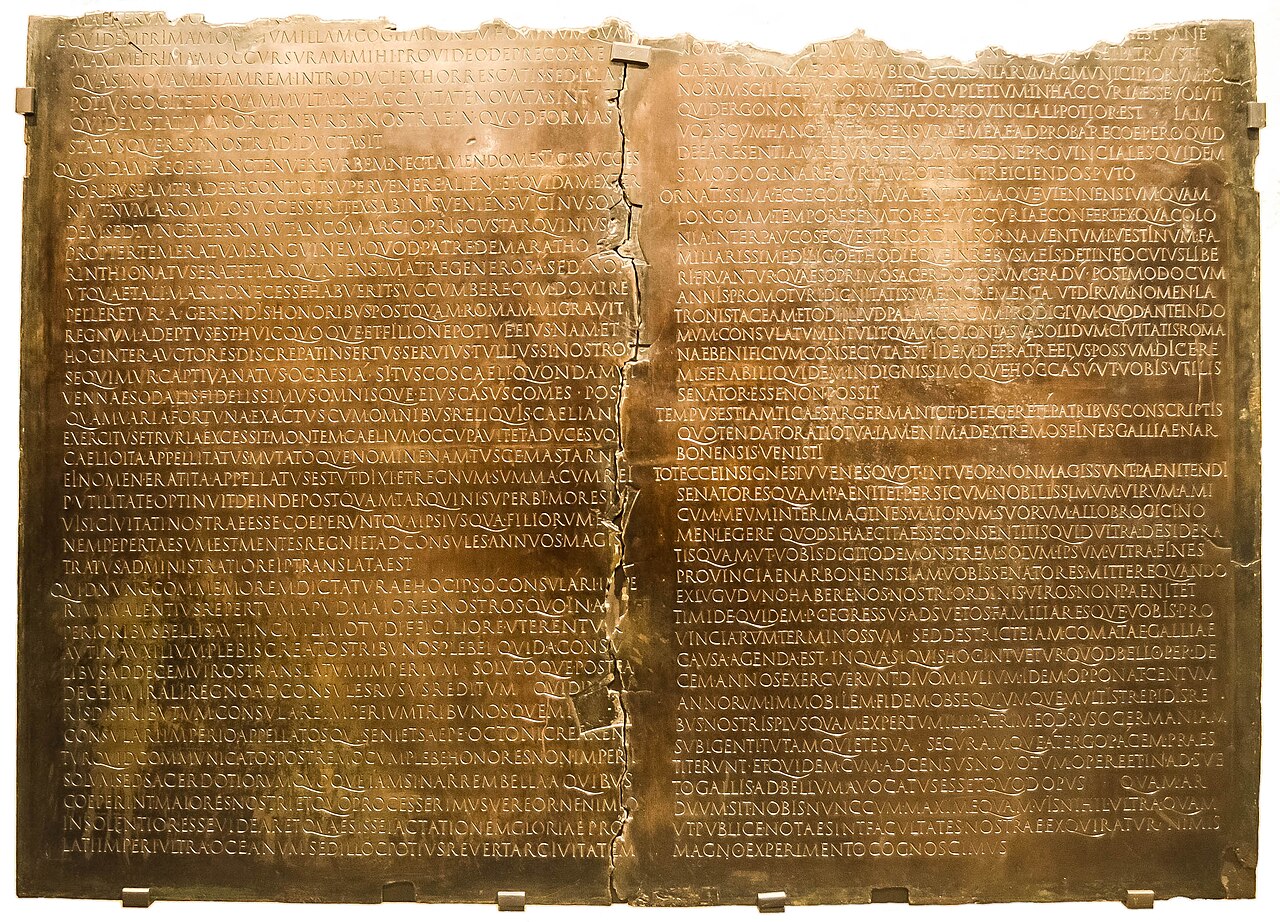
Ready when you are
Start chatting with Claudius now.
20 messages free · No credit card · Available in 50+ languages.