


Primary sourceSculpture
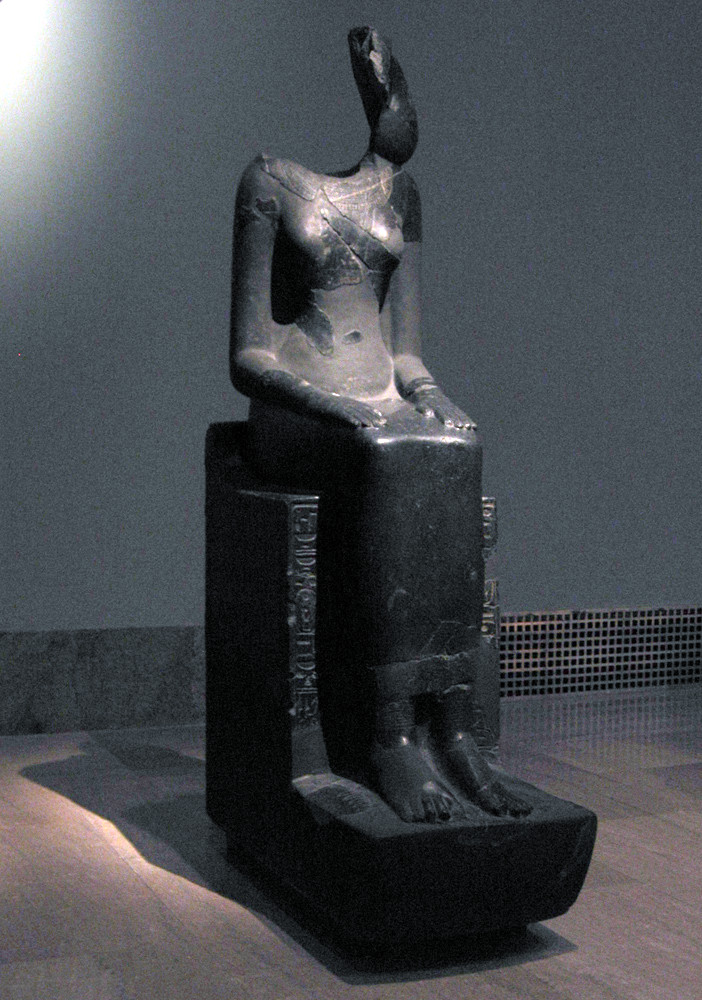
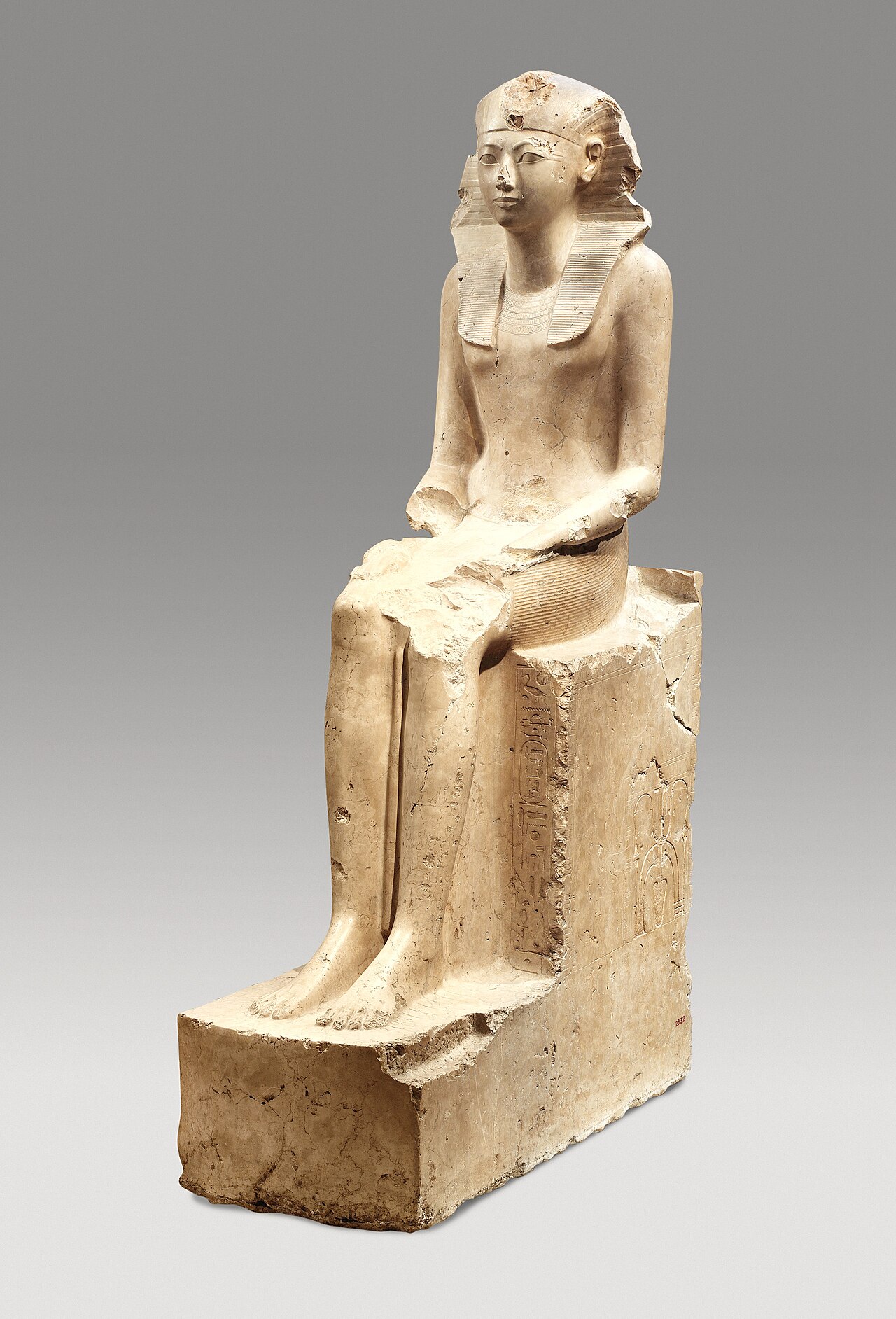
Statue of Hatshepsut Wearing the Khat Headdress
A black granite statue of Hatshepsut shown with a female body and clothing, one of only two statues from her temple depicting her this way.
This rare statue shows Hatshepsut with a female body, offering evidence of how her gender was depicted alongside her kingship.
About this source
What it is
This black granite statue shows Hatshepsut wearing the khat headdress, but with a female body and draped feminine clothing. It was found at her funerary temple at Deir el-Bahari in Thebes and is now held at the Metropolitan Museum of Art. Inscriptions on the statue suggest it was dedicated to the god Amun and the temple of Karnak.
Why it matters
Most statues of Hatshepsut show her with the body and dress of a male king, following pharaonic tradition. This statue is one of only two from her temple that depict her with a female form, giving historians rare evidence of how her gender and kingship were both represented in official art.
Look closer
- Why might most statues of Hatshepsut show her as male, while this one shows her as female?
- What has happened to the top of the statue's head, and why might that be?
- What do the inscriptions suggest about the statue's original purpose?
This sculpture is part of the curated material that grounds the AI version of Hatshepsut on Humy.ai — when students ask about related events, the AI can quote it and cite it.
More Hatshepsut sources
Meet the AI Hatshepsut →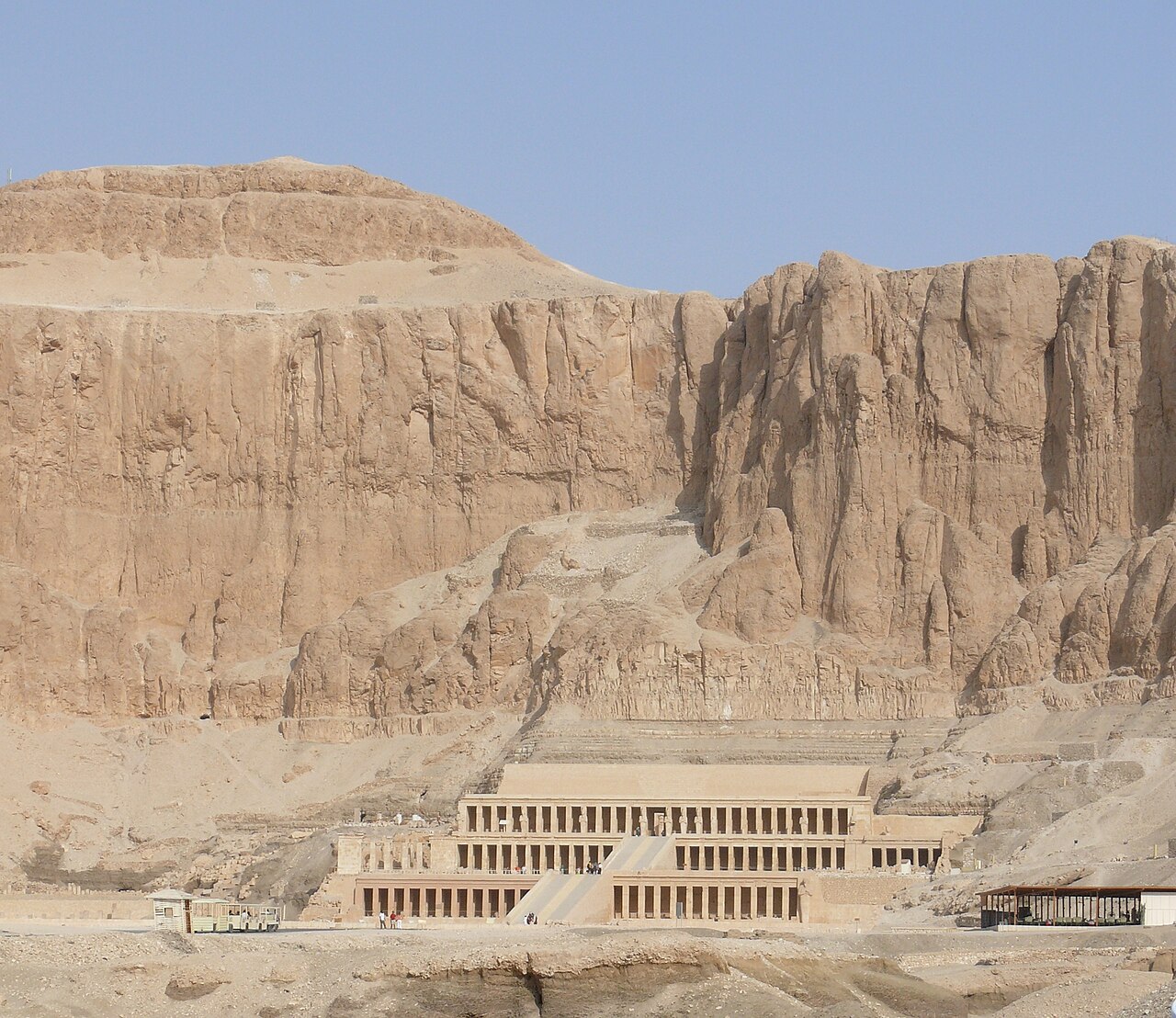 Artifact
Primary source
Mortuary Temple of Hatshepsut
Senenmut and/or Hapuseneb (attributed) · c. 1479–1458 BCE
 Photograph
Secondary source
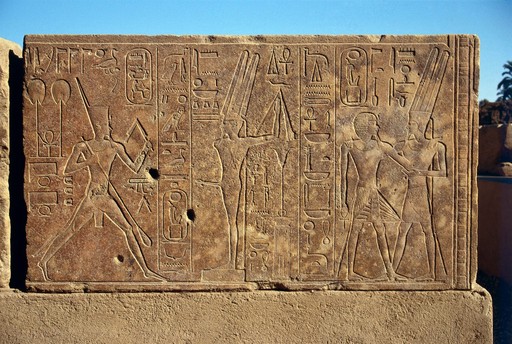
Hatshepsut Dancing Before Min, Karnak Relief
Carole Reeves · 1989
 Sculpture
Primary source
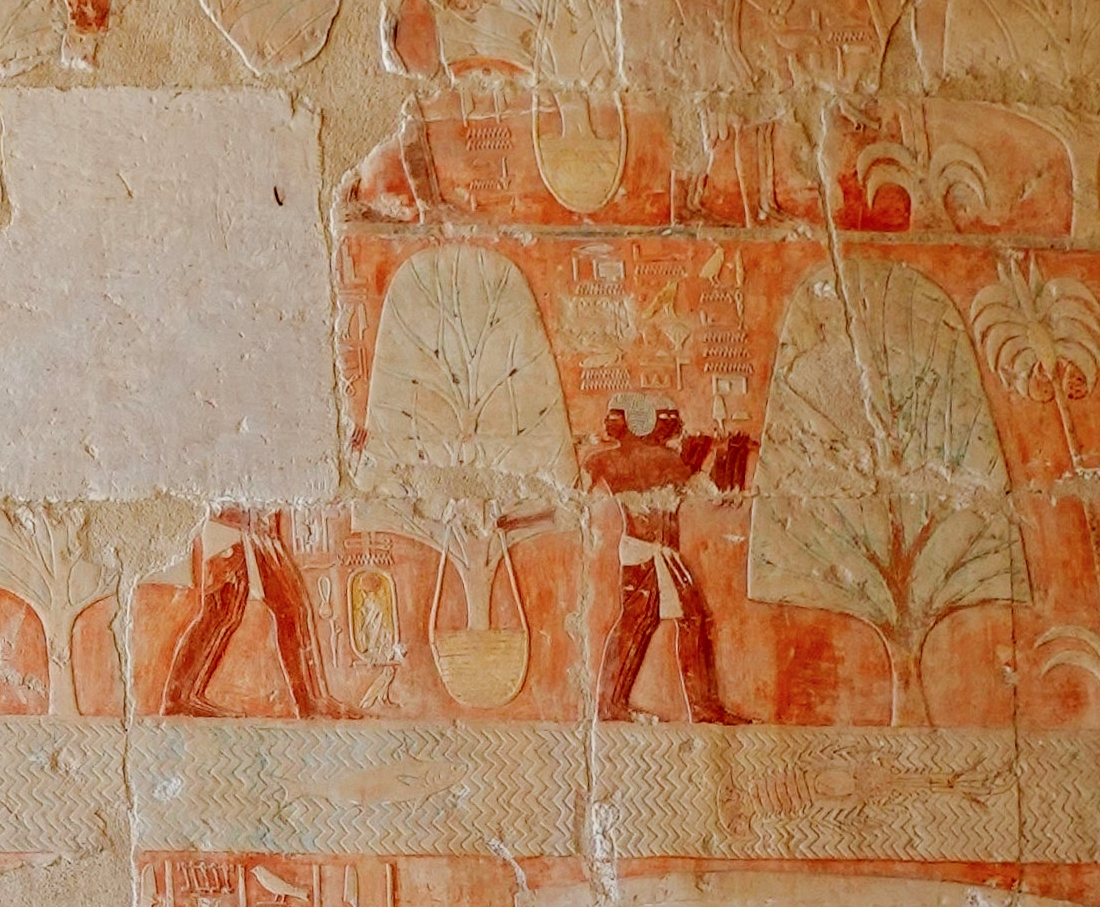
Punt Expedition Reliefs
Royal workshops of Hatshepsut · c. 1470 BCE
 Sculpture
Primary source
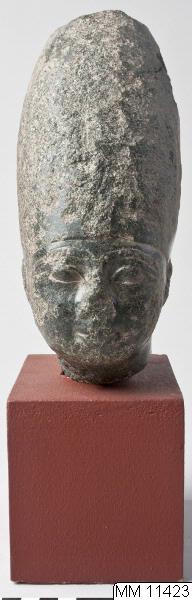
Sculpture Head Probably of Hatshepsut
 Sculpture
Primary source
Seated Statue of Hatshepsut
c. 1466 BCE
Ready when you are
Start chatting with Hatshepsut now.
20 messages free · No credit card · Available in 50+ languages.