


Secondary sourceSculpture
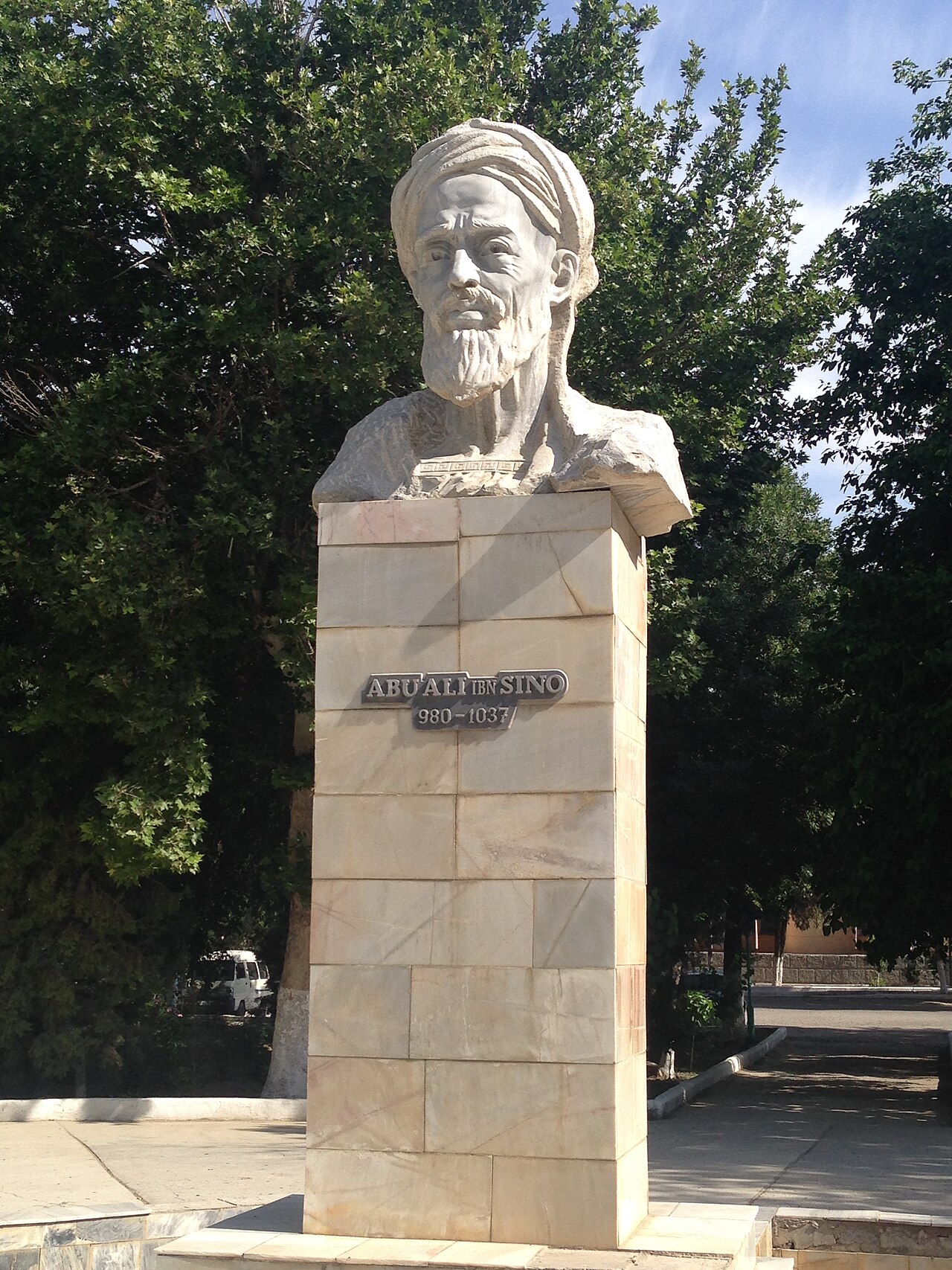
Statue of Ibn Sina, Bukhara
A photographed stone bust of Ibn Sina (Avicenna) in Bukhara, mounted on a tall stacked-stone pedestal. It is a later memorial, not a work from his lifetime.
Shows how Ibn Sina is remembered in Bukhara today, which helps students see the gap between his lifetime and later commemoration.
About this source
What it is
This is a photograph, taken on 15 May 2017, of a modern stone bust of Ibn Sina in Bukhara. The bust shows a bearded man wearing a turban. It sits on a tall pedestal made of stacked stone, and a plaque reads 'ABU ALI IBN SINO 980-1037'. Trees and a blue sky are behind it. The sculptor and the date the statue was made are not given in the facts. The photograph was made by Davide Mauro.
Why it matters
Ibn Sina, known in Europe as Avicenna, lived from about 980 to 1037. He was active in Bukhara, and many later cities honour him with statues. A memorial like this shows how his reputation has been kept alive in the places connected with his life. It tells us about the people who chose to remember him, not about his own time.
Look closer
- What does the bust and its pedestal suggest about how the scholar is honoured today?
- Who would have decided to put up this statue, and what might they want visitors to think about Ibn Sina?
- Because this is a modern photograph of a later statue, what can it tell us about Ibn Sina's own life, and what can it not tell us?
This sculpture is part of the curated material that grounds the AI version of Avicenna on Humy.ai — when students ask about related events, the AI can quote it and cite it.
More Avicenna sources
Meet the AI Avicenna →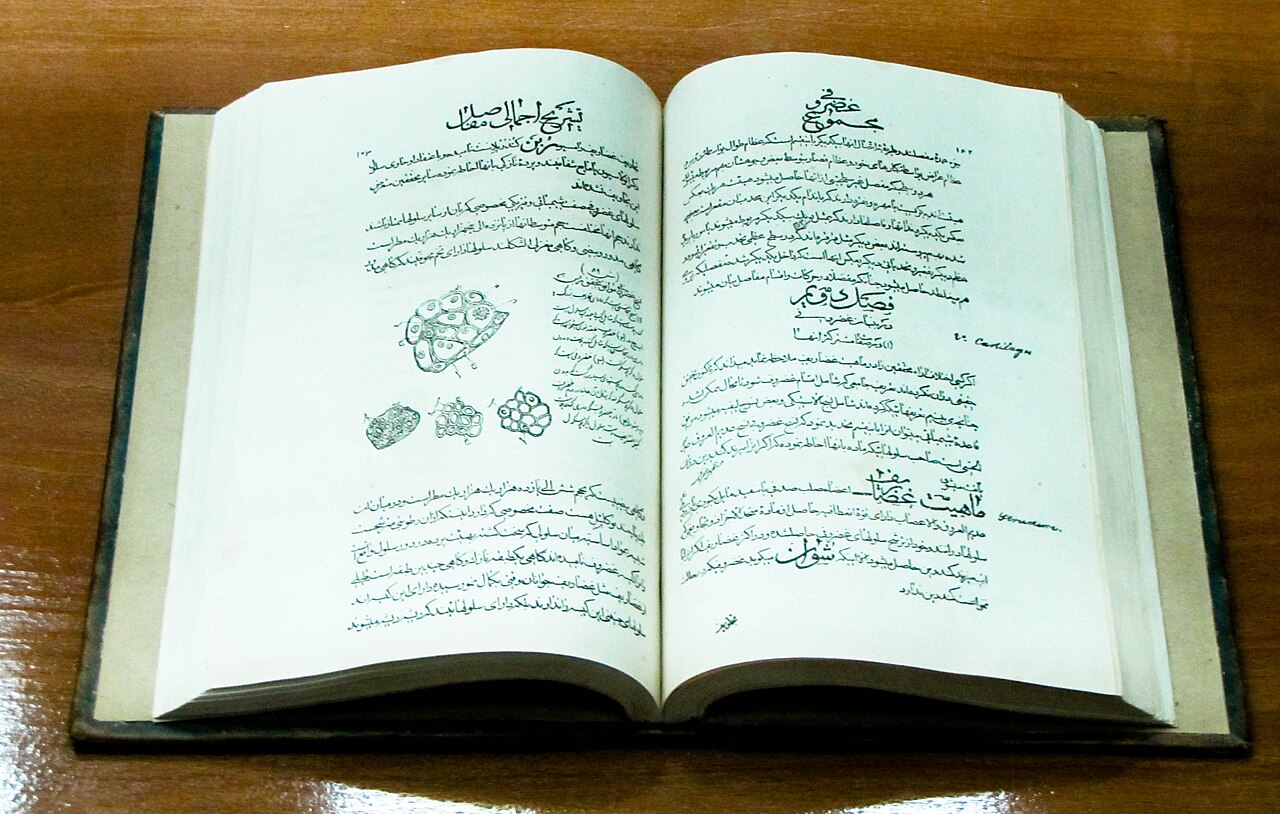 Book
Secondary source
Canon of Medicine
Avicenna · 1025
 Book
Primary source
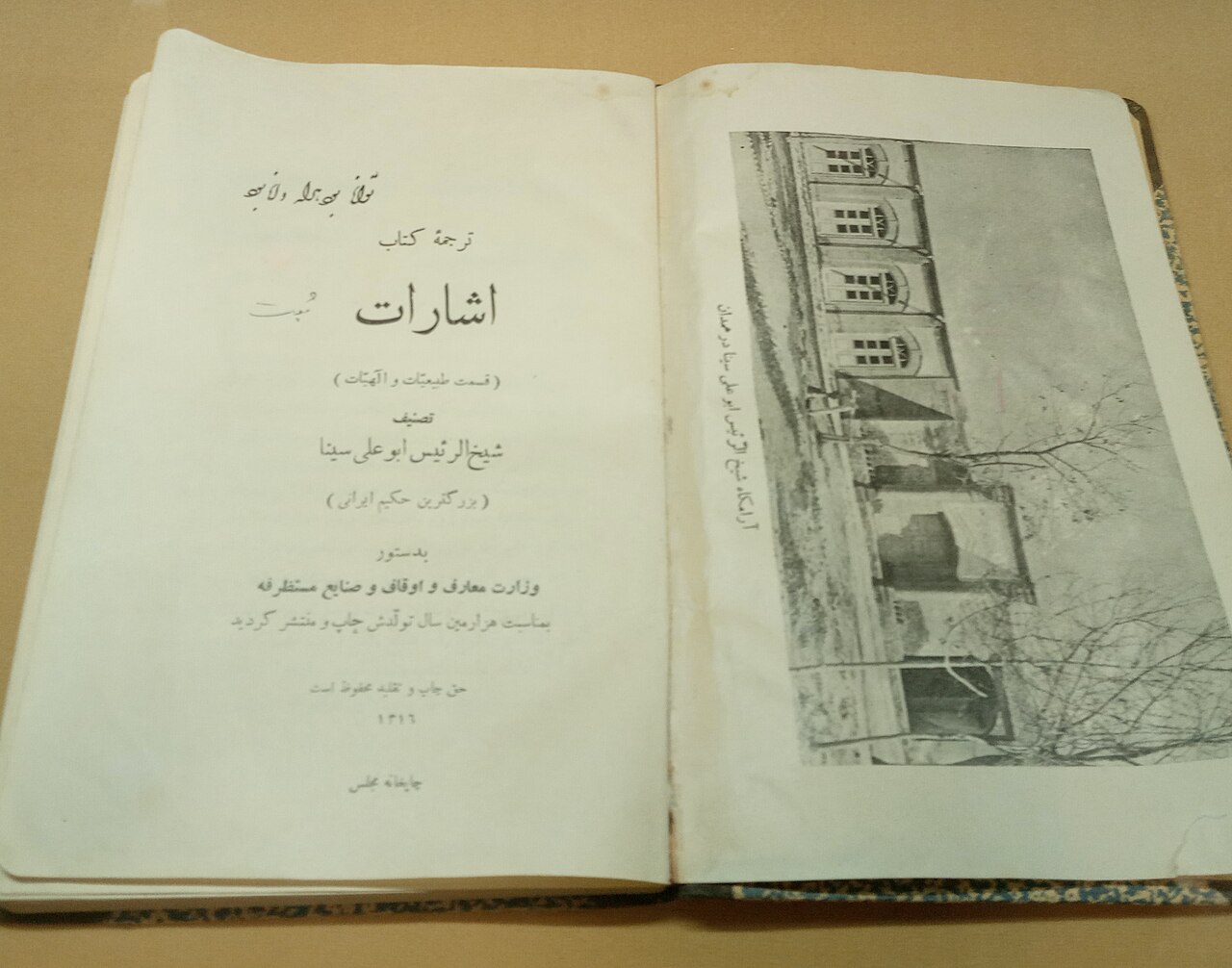
Al-Isharat wa al-Tanbihat
Avicenna
Secondary source
Commentary on Anatomy in Avicenna's Canon
Ibn al-Nafis · 13th century
 Painting
Secondary source
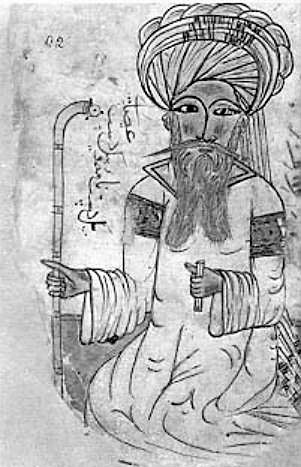
Avicenna (Subtilties of Truth manuscript image)
Beckwith · 1271
 Painting
Secondary source
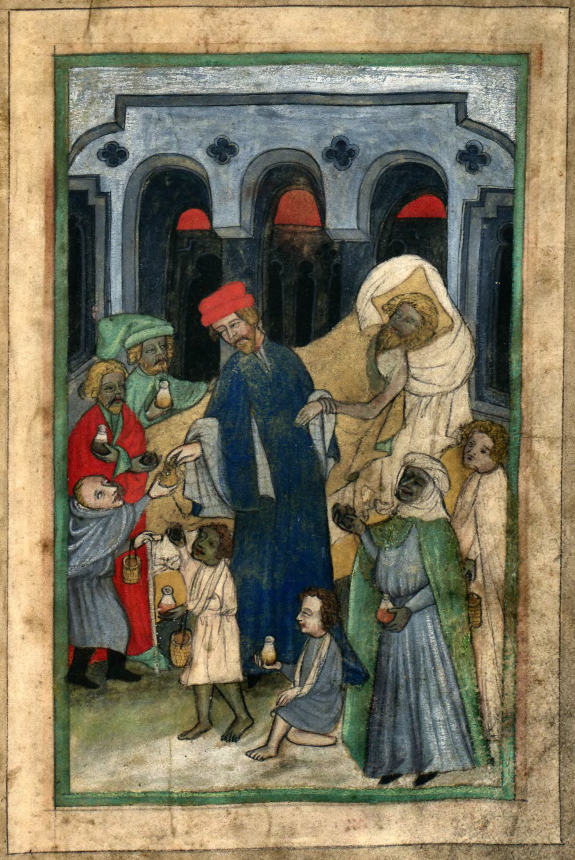
Avicenna at the Sickbed
Walenty z Pilzna · c. 1479-1480
Ready when you are
Start chatting with Avicenna now.
20 messages free · No credit card · Available in 50+ languages.