


Secondary sourceSculpture1880
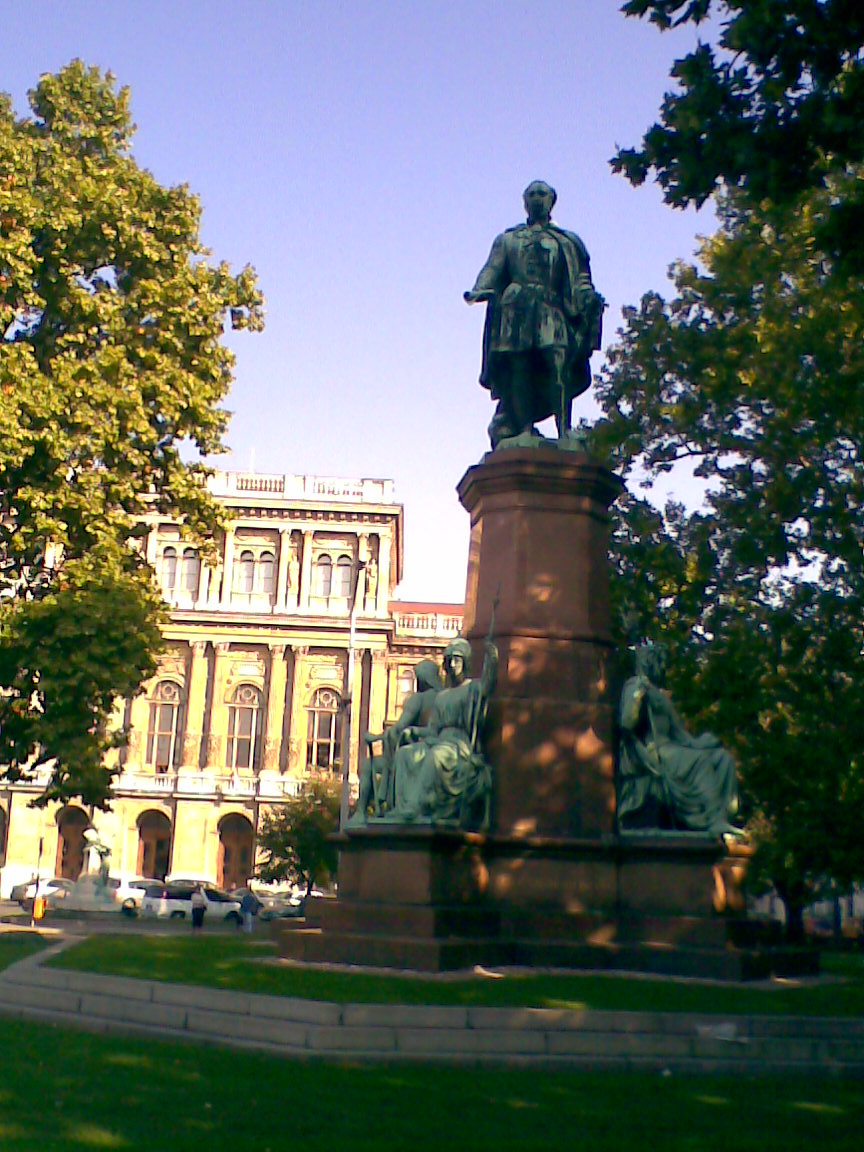
Statue of István Széchenyi, Budapest
József Engel · 1880
A bronze statue of Count István Széchenyi erected in Budapest in 1880, honoring him as a national hero.
A monumental statue erected after his death, showing how Hungarians enshrined him as a national hero.
About this source
What it is
This bronze statue of Count István Széchenyi was made by the sculptor József Engel and unveiled in 1880 in a square now named after him, near the Hungarian Academy of Sciences and the Chain Bridge in Budapest. It shows him standing in a long cloak on a tall pedestal, with two seated bronze figures below.
Why it matters
Erected two decades after Széchenyi's death, the statue shows how the next generation of Hungarians chose to remember him — not as a troubled, complicated man but as a national hero. Its location near the Academy and the bridge, both linked to his achievements, reinforces the message of his lasting legacy.
Look closer
- Why do you think this statue was placed near the Academy and the Chain Bridge?
- What does the pose and clothing of the statue suggest about how Széchenyi was meant to be seen?
- What parts of Széchenyi's real, complicated life might a heroic statue like this leave out?
This sculpture is part of the curated material that grounds the AI version of István Széchenyi on Humy.ai — when students ask about related events, the AI can quote it and cite it.
More István Széchenyi sources
Browse all 88 →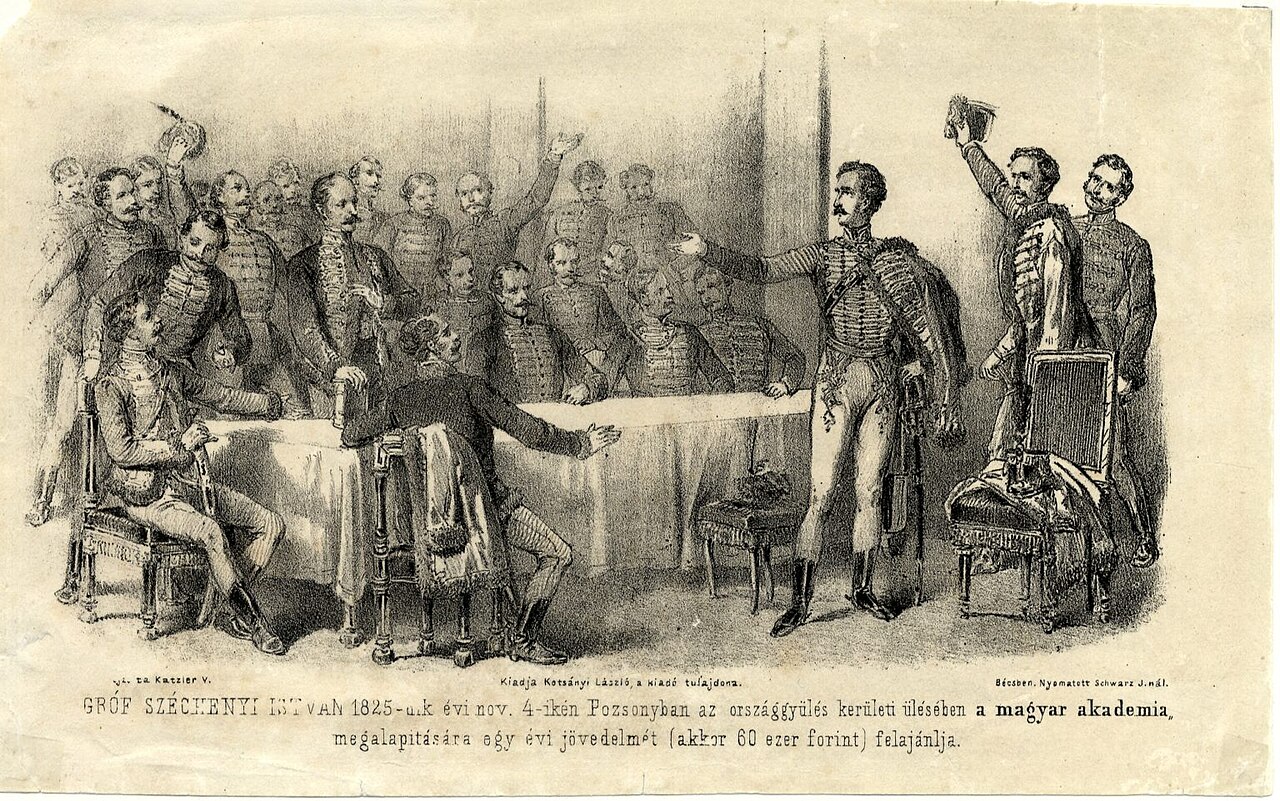 Painting
Secondary source
Széchenyi felajánlása
Vinzenz Katzler
 Artifact
Secondary source
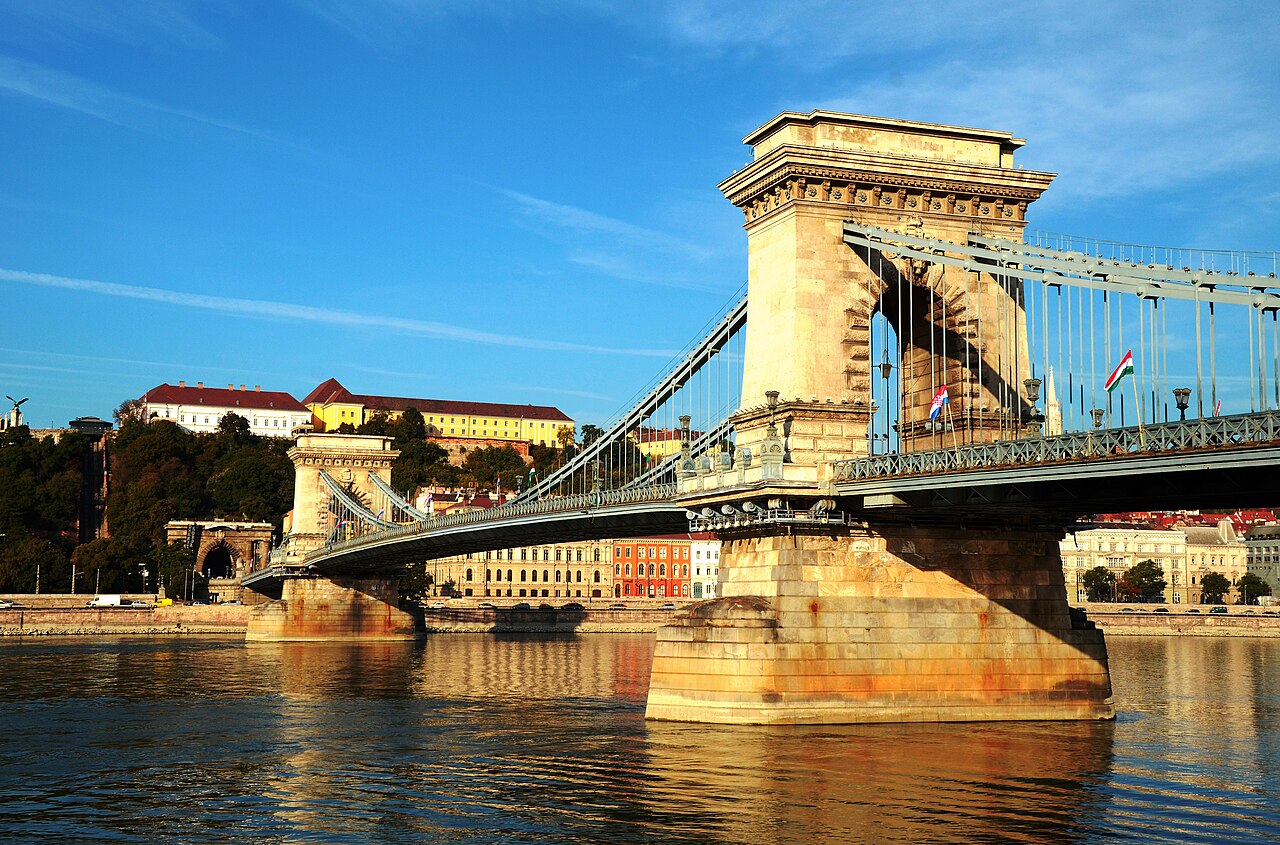
Széchenyi Chain Bridge
William Tierney Clark · 1839-1849
 Painting
Primary source
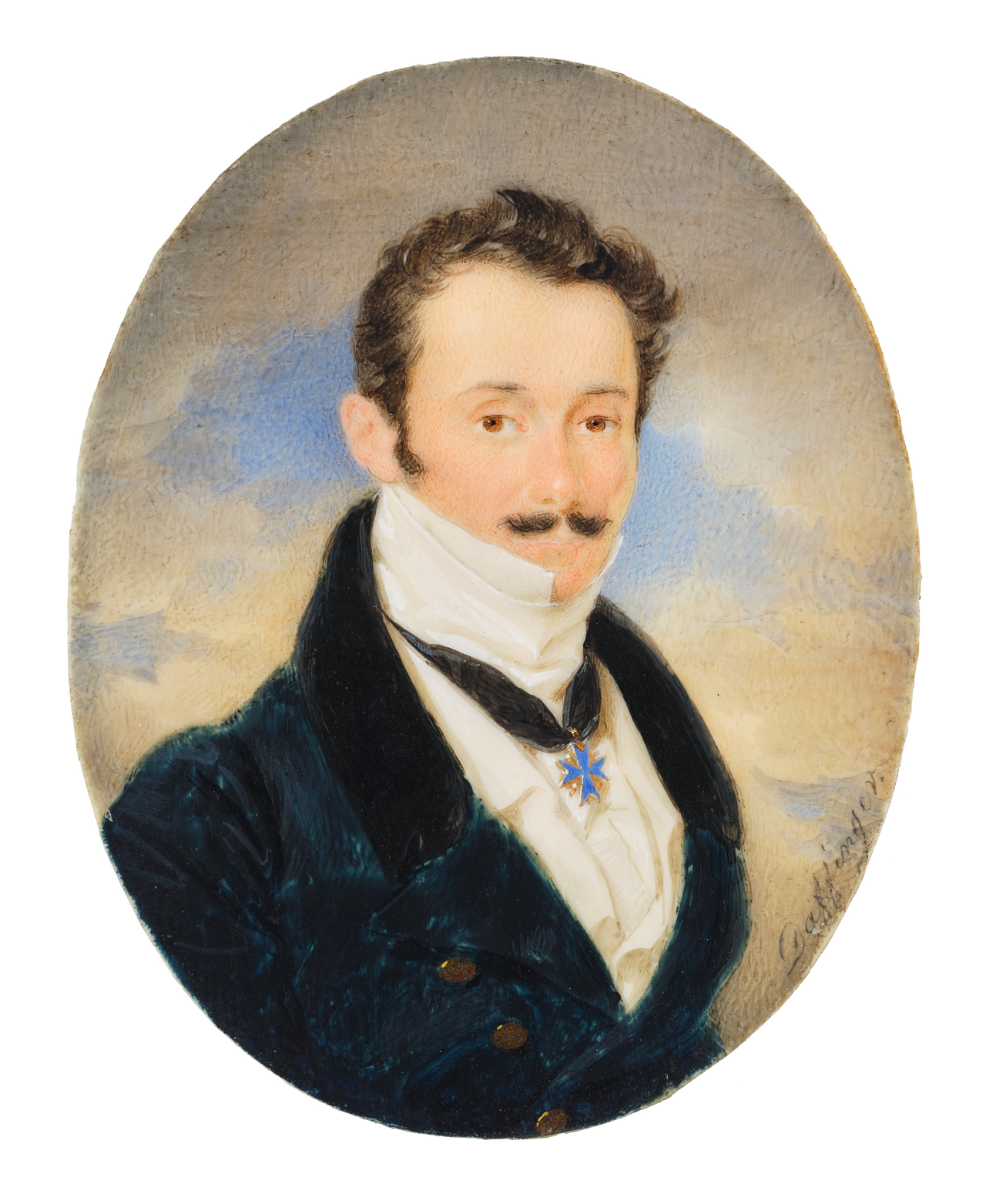
Three-quarter Length Portrait of Count István Széchenyi
Moritz Michael Daffinger · c. early 19th century
 Painting
Primary source
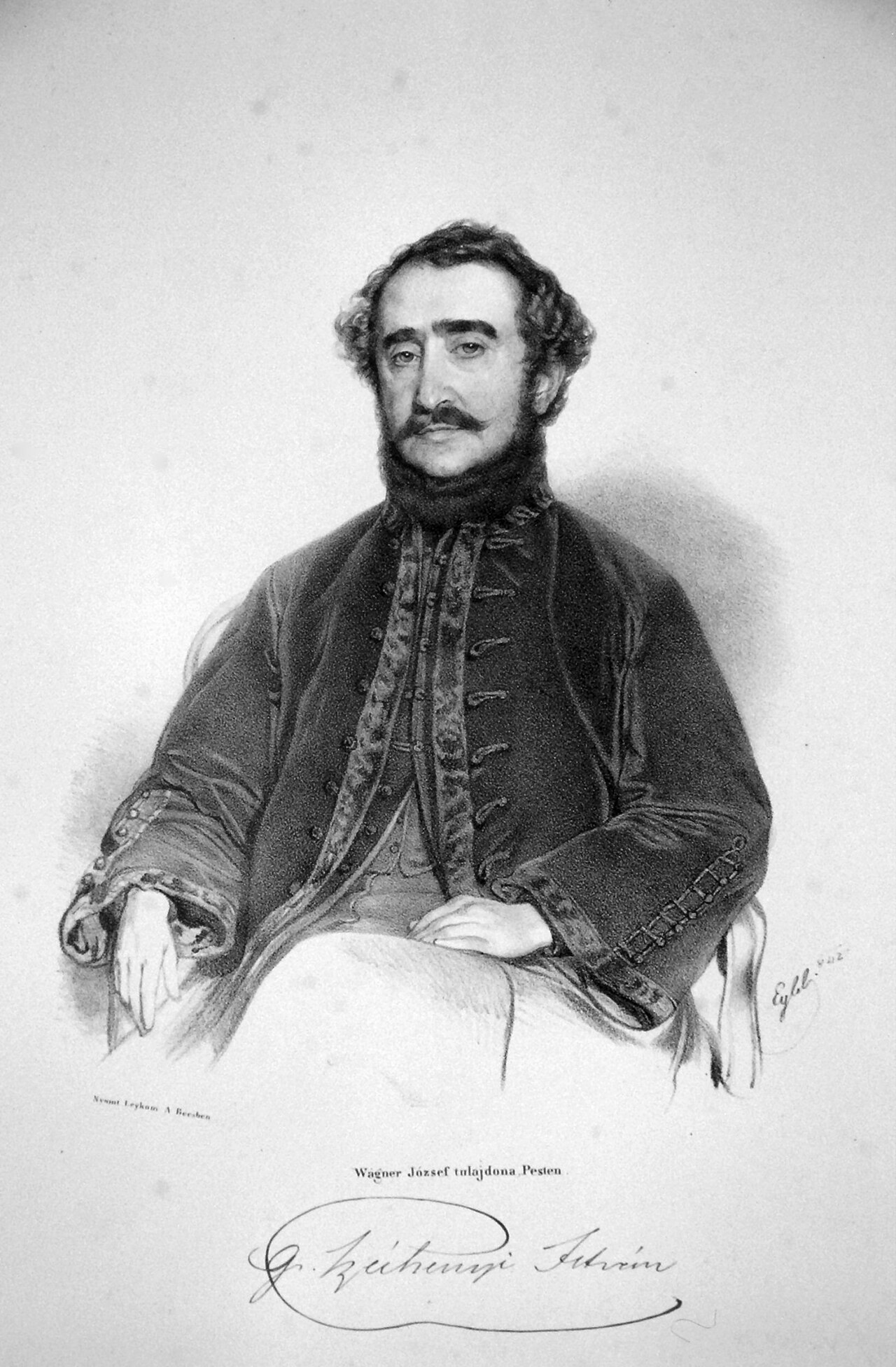
István Széchenyi, Lithograph by Franz Eybl
Franz Eybl · 1842
Free account
Read every István Széchenyi source
Sign up free →
Ready when you are
Start chatting with István Széchenyi now.
20 messages free · No credit card · Available in 50+ languages.