


Secondary sourceSculpture5th century BCE
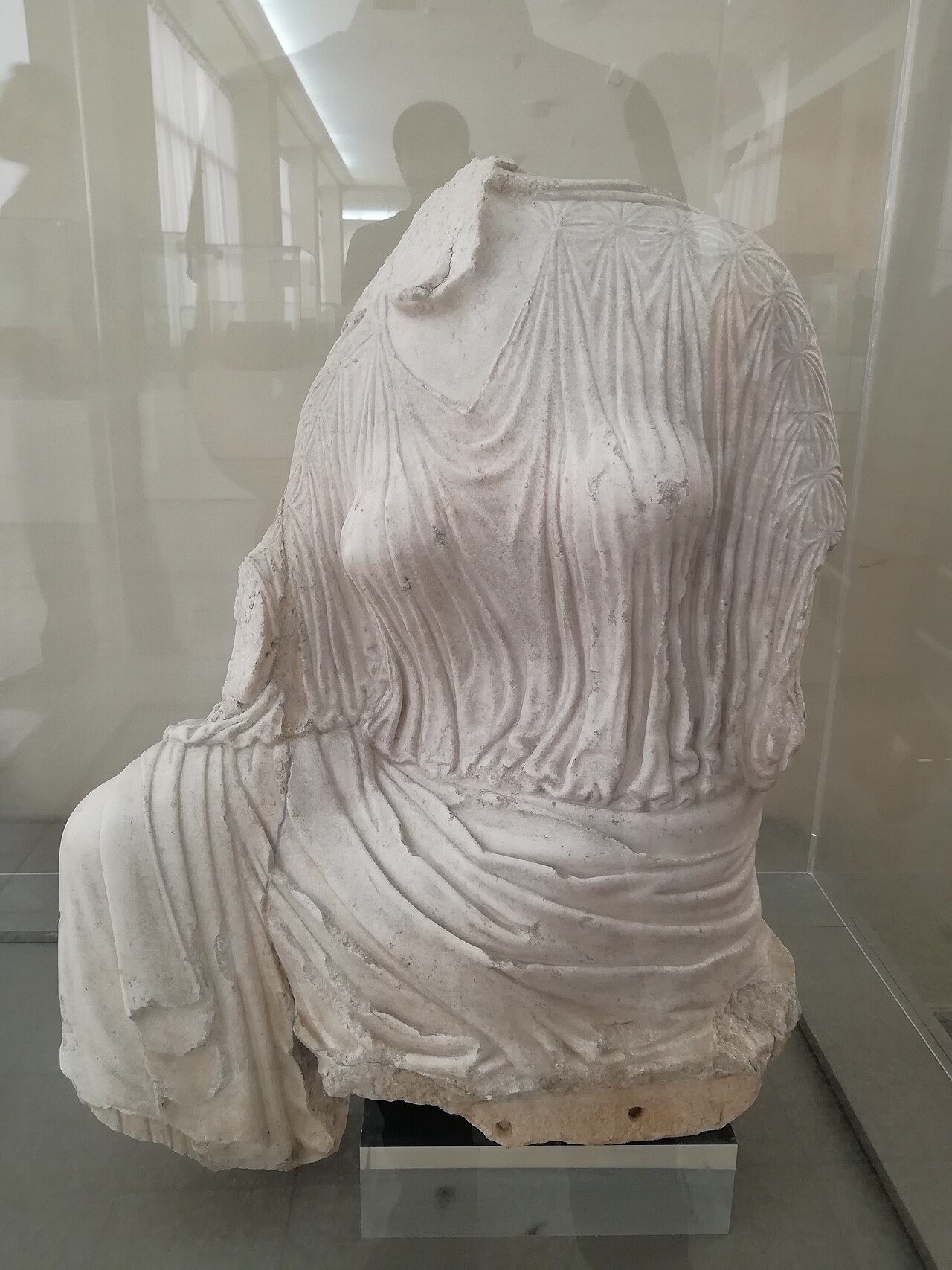
Statue of Penelope
5th century BCE
A Greek marble statue found at Persepolis, possibly brought there as plunder by Xerxes I after his campaigns against Greece.
This Greek statue, possibly seized during Xerxes' campaigns, was found in his empire's treasury at Persepolis.
About this source
What it is
This marble statue depicts Penelope, a figure from Homer's stories. It is one of only four surviving ancient statues of her, and was found broken in pieces at the Persepolis treasury. It is now kept at the National Museum of Iran.
Why it matters
Experts debate how a Greek statue ended up on Persian soil. One theory is that Xerxes I brought it back after his campaigns in Greece; another is that it was a diplomatic gift from the Greeks. Either way, it shows the connections and conflicts between Greek and Persian worlds in this period.
Look closer
- What details in the drapery and style tell experts this is Greek work, not Persian?
- Why would a king want Greek art in his own treasury?
- How might the story change depending on whether it was looted or gifted?
This sculpture is part of the curated material that grounds the AI version of Xerxes I on Humy.ai — when students ask about related events, the AI can quote it and cite it.
More Xerxes I sources
Browse all 97 →

Ready when you are
Start chatting with Xerxes I now.
20 messages free · No credit card · Available in 50+ languages.