


Secondary sourceSculpture1889
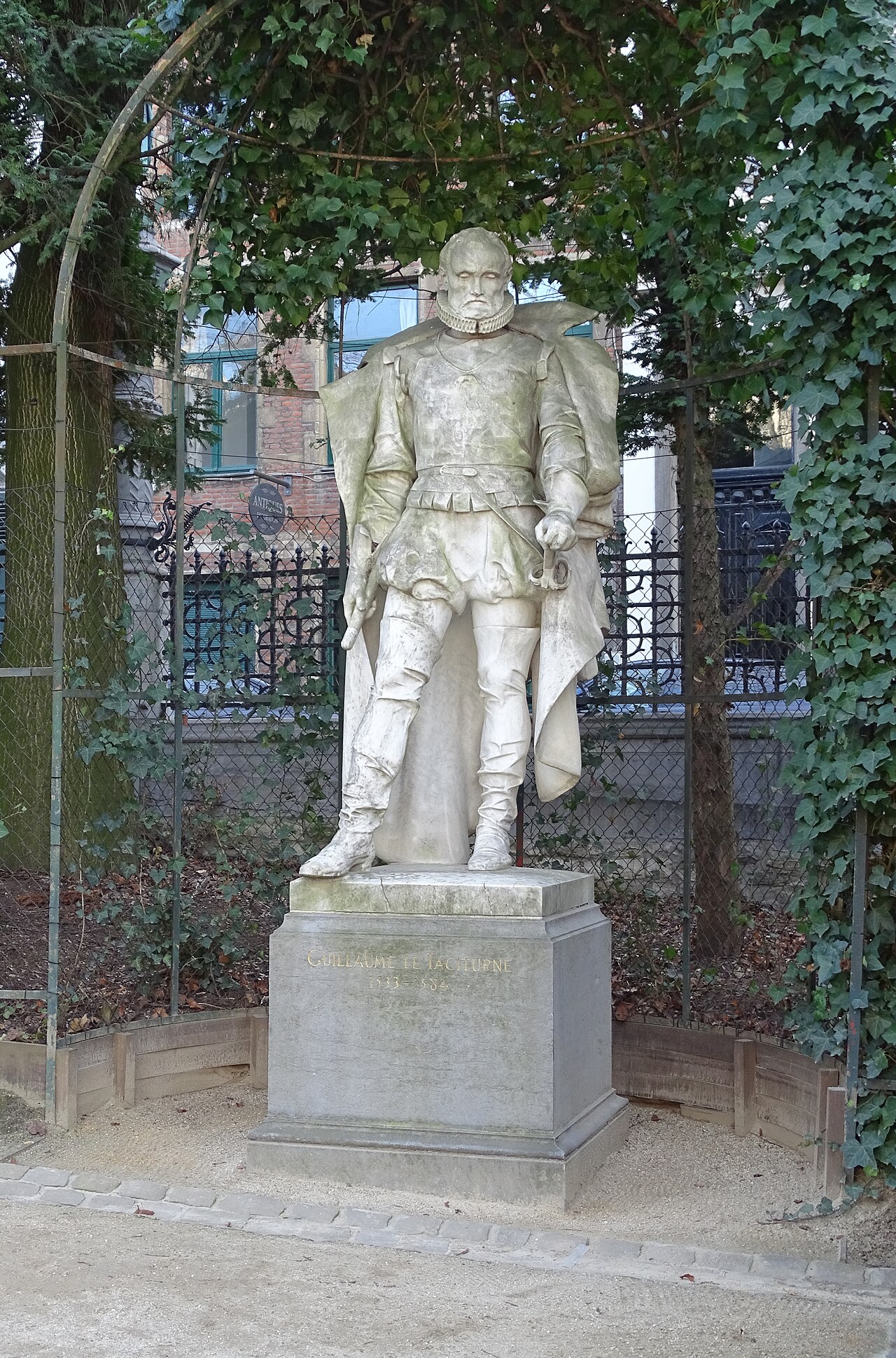
Statue of William the Silent, Petit Sablon
Charles van der Stappen · 1889
A 19th-century marble statue of William the Silent in 16th-century dress, part of a monument to the nobles of the Dutch revolt in Brussels.
This statue commemorates William as a leader of the Dutch revolt, honoured publicly long after his death.
About this source
What it is
This is a stone statue of William the Silent made by the sculptor Charles van der Stappen in 1889. It stands in the Square du Petit Sablon in Brussels, among statues honouring the nobles associated with the revolt against Spanish rule.
Why it matters
William is remembered not only in the Netherlands but also in Belgium, where this square claims him as part of its own history. The statue shows how later generations wanted to picture William: dignified, armed, and dressed as a nobleman of his century.
Look closer
- What details of clothing and posture does the sculptor use to show William's status?
- Why might Belgium, as well as the Netherlands, want to honour William with a monument?
- What does a 19th-century statue tell us about how people remembered William 300 years after his death, rather than about the man himself?
This sculpture is part of the curated material that grounds the AI version of William the Silent on Humy.ai — when students ask about related events, the AI can quote it and cite it.
More William the Silent sources
Browse all 93 →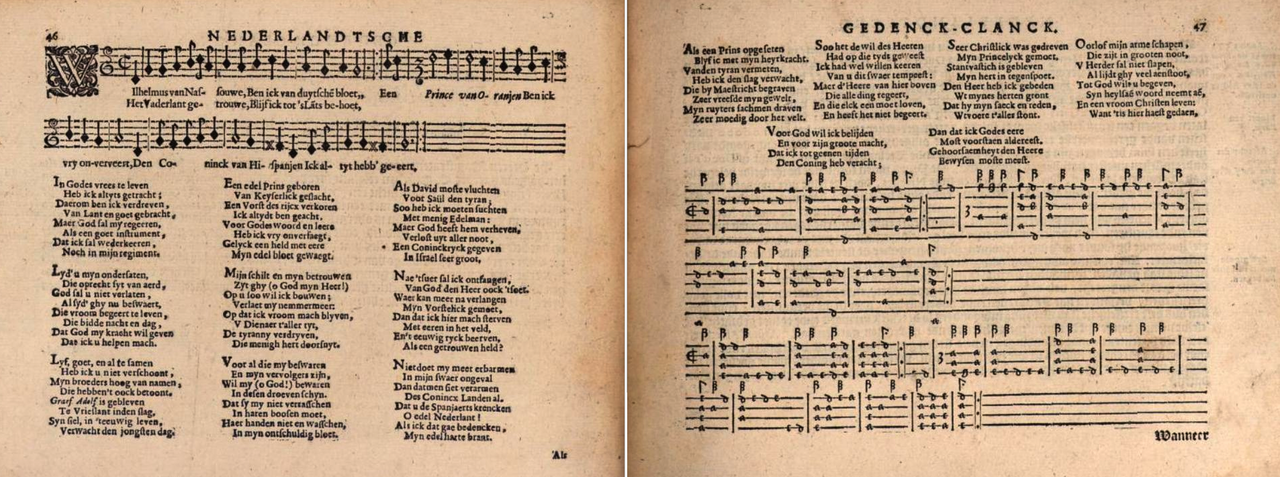 Document
Secondary source
Wilhelmus
Adrianus Valerius · 1572 (text); printed with music 1626
 Document
Primary source
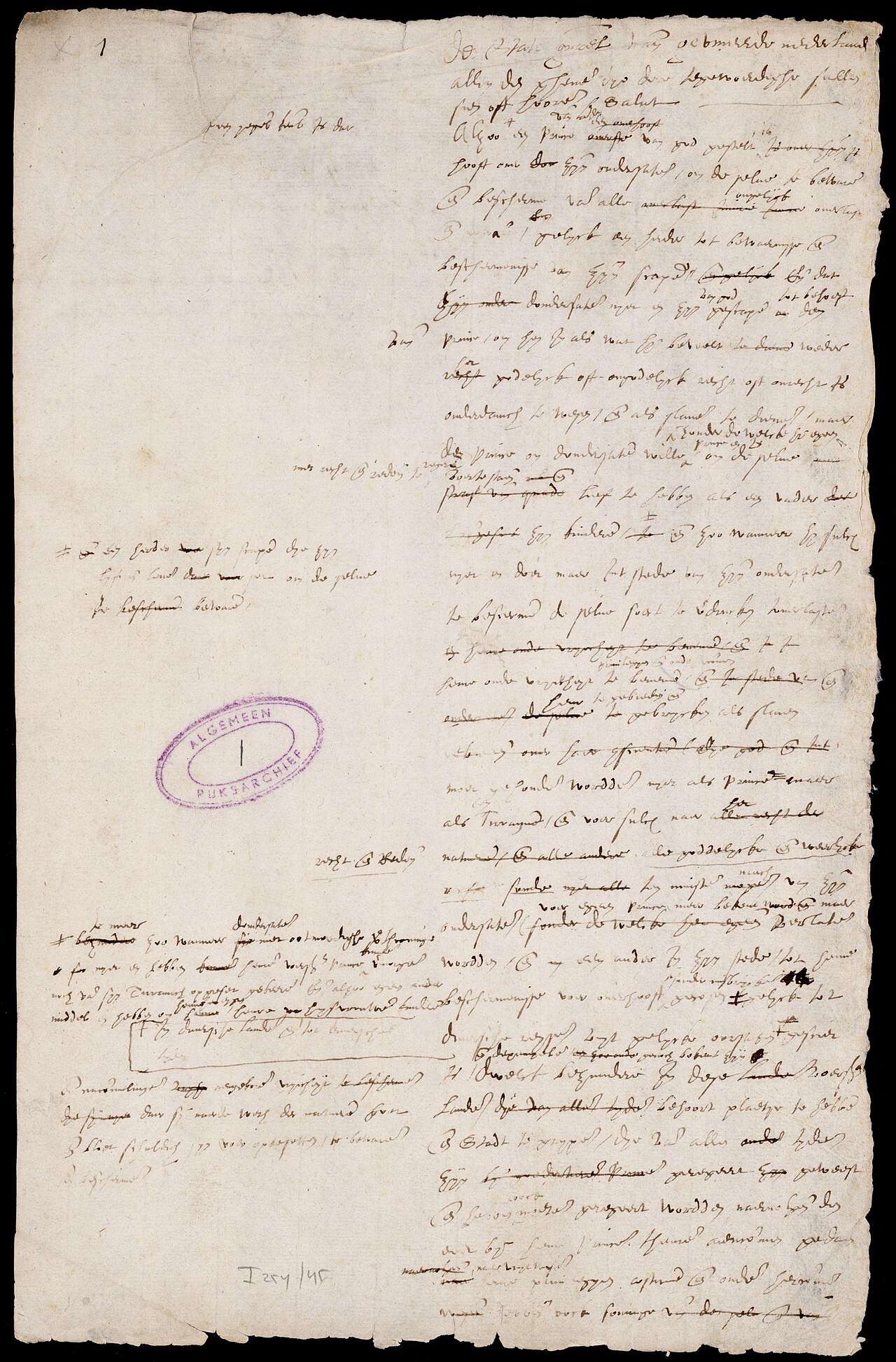
Act of Abjuration
Jan van Asseliers · 26 July 1581
 Artifact
Primary source
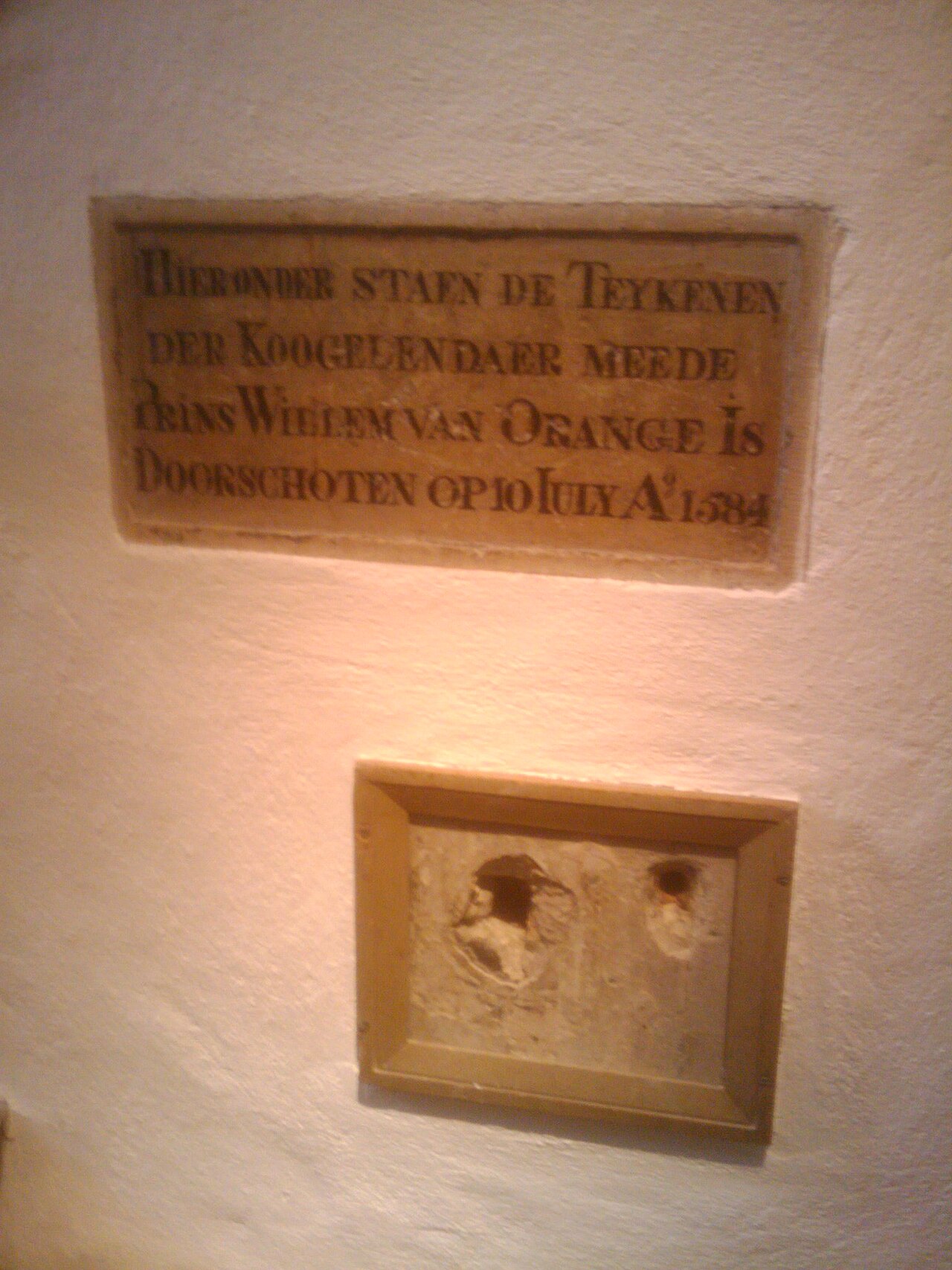
Prinsenhof, Delft
15th century (building); residence 1572–1584
 Painting
Primary source
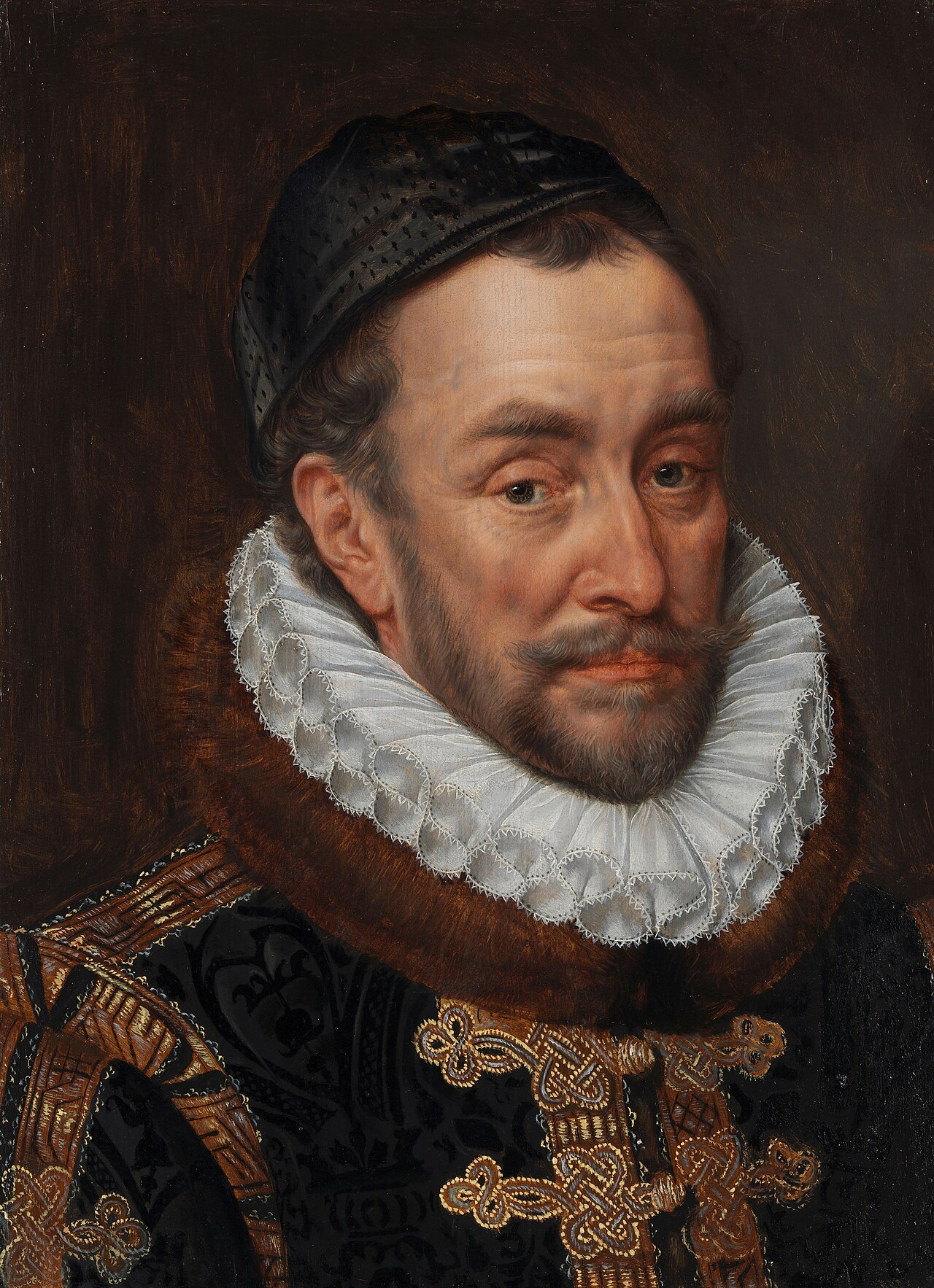
William I, Prince of Orange
Adriaen Thomasz. Key · 1579
Free account
Read every William the Silent source
Sign up free →
Ready when you are
Start chatting with William the Silent now.
20 messages free · No credit card · Available in 50+ languages.