


Primary sourceSculpturec. 1498-1483 BCE
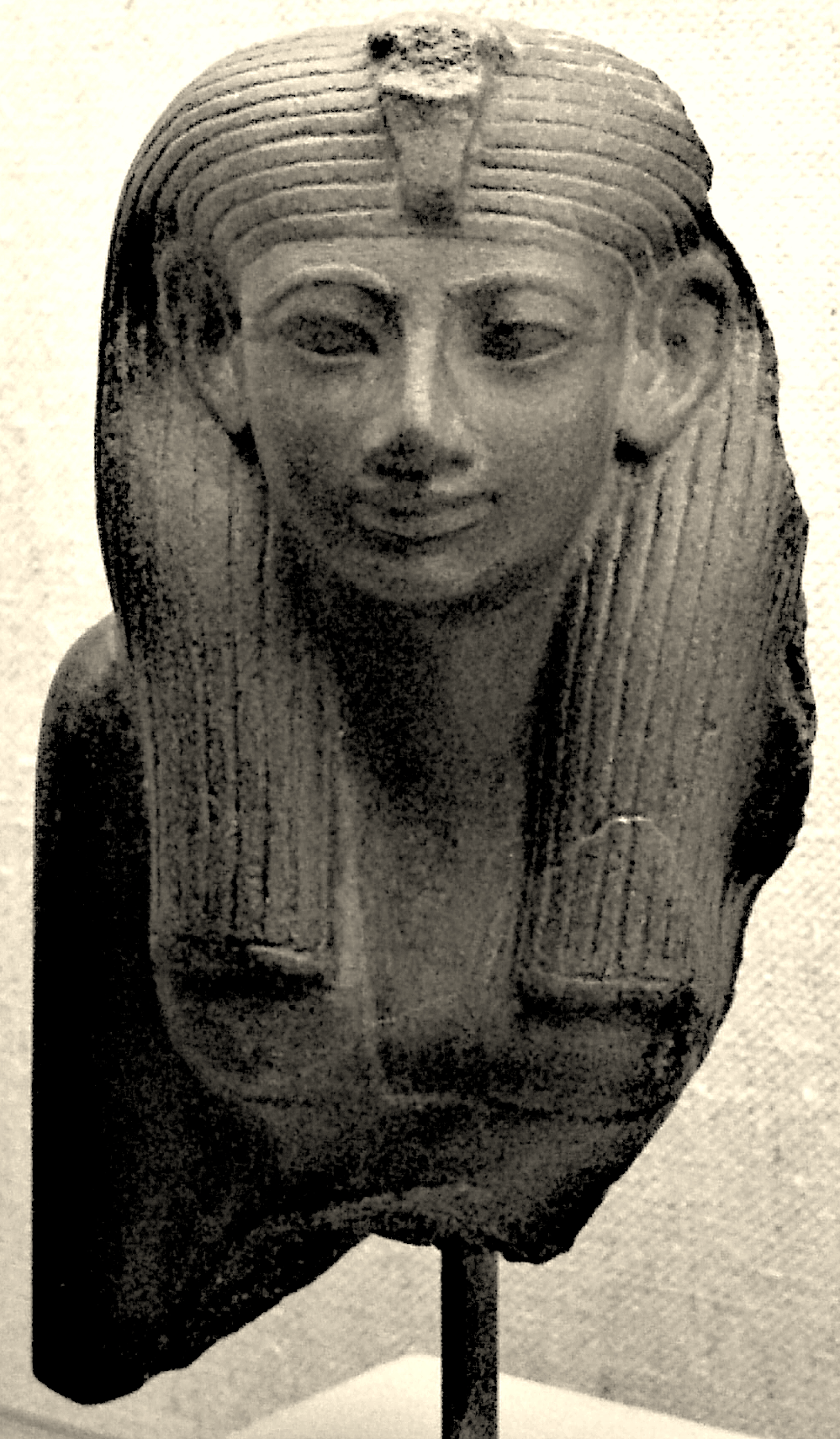
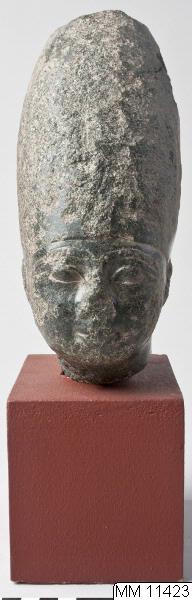
Statuette of Hatshepsut
c. 1498-1483 BCE
A fragmentary quartz diorite statue head believed to depict Hatshepsut, now in the Museum of Fine Arts, Boston.
A royal statue likeness of Hatshepsut, showing how she was portrayed with traditional pharaonic symbols.
About this source
What it is
This is a fragmentary stone statue head made of quartz diorite, dating to the 18th Dynasty, around the time of Hatshepsut's reign. It shows a striated nemes headcloth, part of a uraeus (royal cobra symbol) at the brow, and a calm expression. It is now held by the Museum of Fine Arts, Boston.
Why it matters
Royal statues like this were used to project an idealised, unchanging image of a pharaoh, often repeated across many monuments. Even as a fragment, it shows how Hatshepsut was portrayed with the same royal symbols, such as the nemes headcloth and uraeus, used for male kings before her.
Look closer
- What royal symbols can you identify on this damaged statue?
- Why might the face appear so calm and unchanging compared to a photograph of a real person?
- What might the missing parts of the statue have shown?
This sculpture is part of the curated material that grounds the AI version of Hatshepsut on Humy.ai — when students ask about related events, the AI can quote it and cite it.
More Hatshepsut sources
Meet the AI Hatshepsut →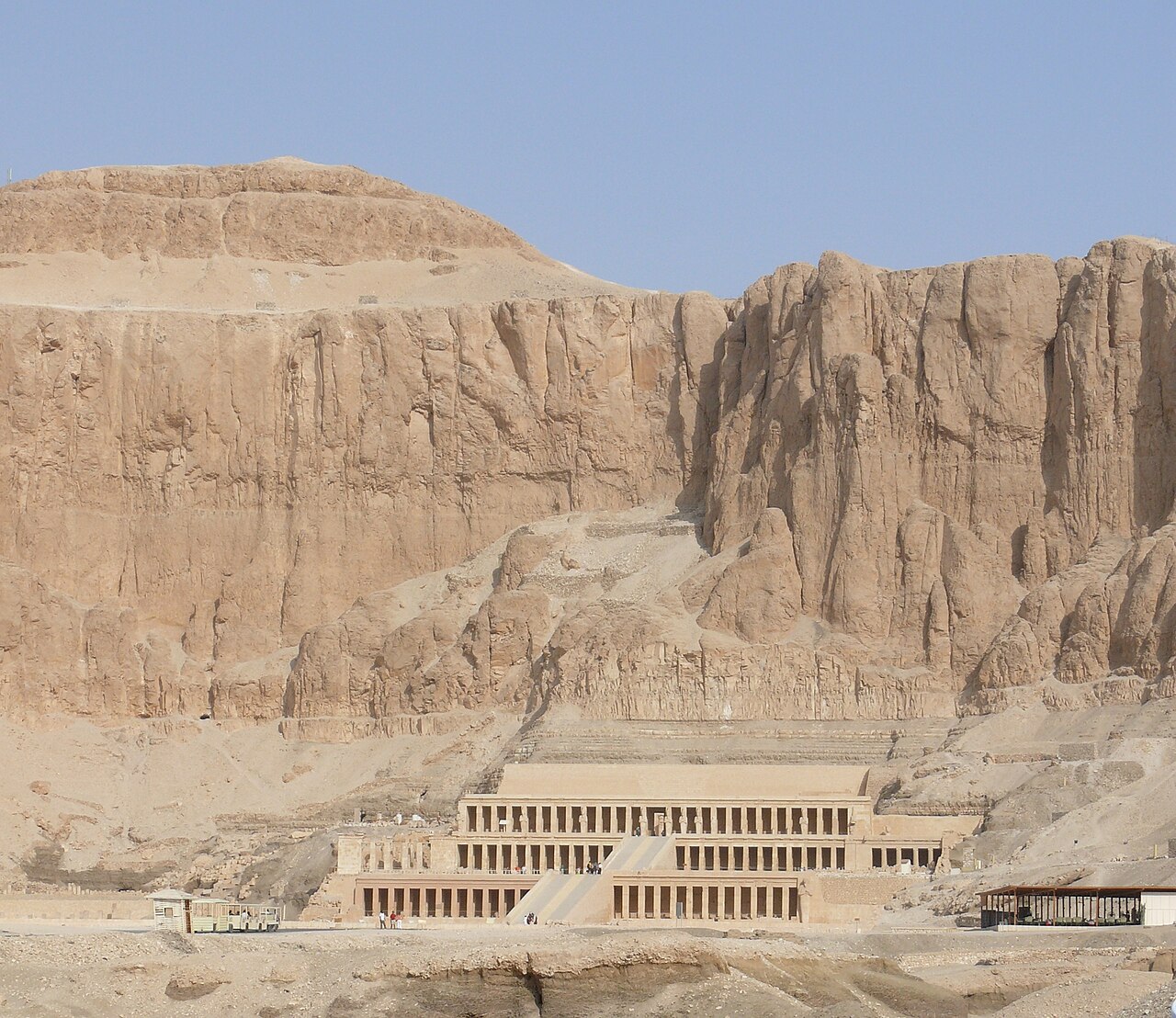 Artifact
Primary source
Mortuary Temple of Hatshepsut
Senenmut and/or Hapuseneb (attributed) · c. 1479–1458 BCE
 Photograph
Secondary source
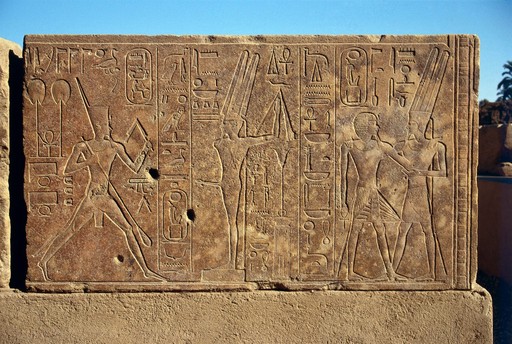
Hatshepsut Dancing Before Min, Karnak Relief
Carole Reeves · 1989
 Sculpture
Primary source
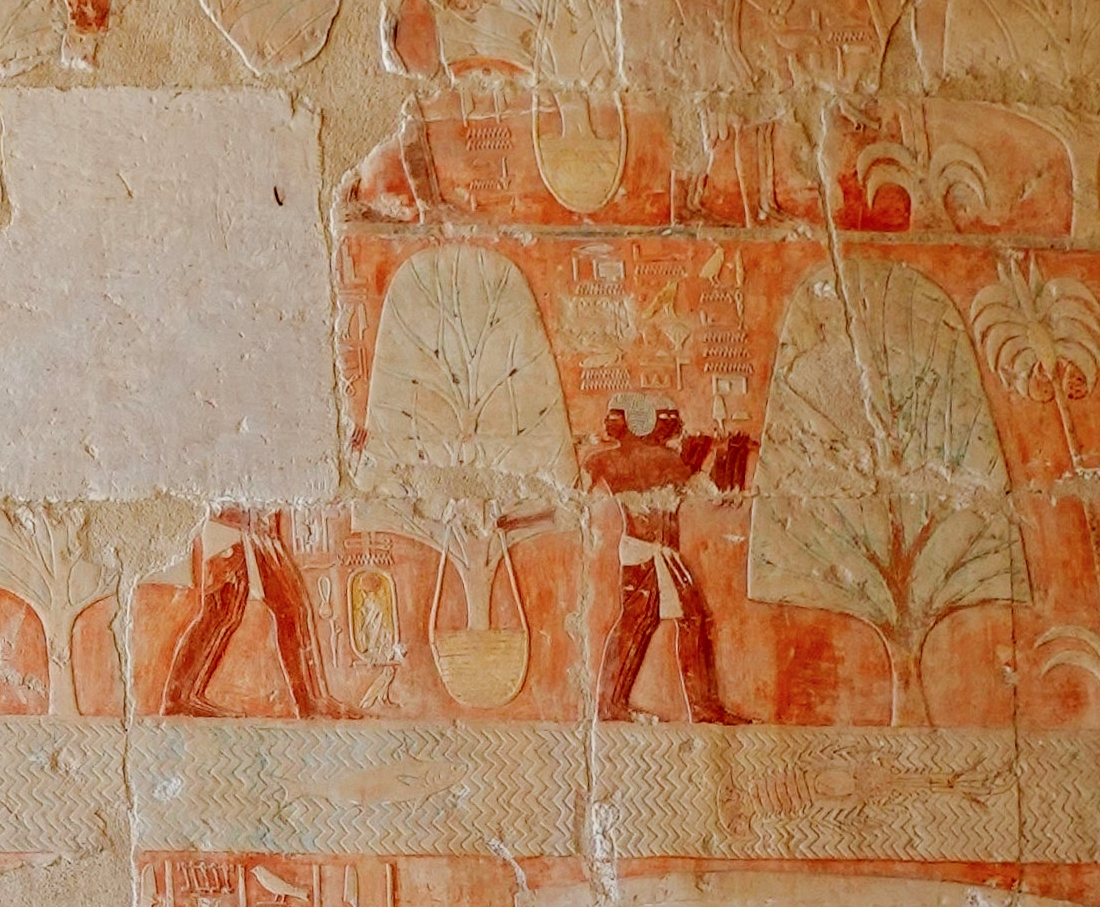
Punt Expedition Reliefs
Royal workshops of Hatshepsut · c. 1470 BCE
 Sculpture
Primary source
Sculpture Head Probably of Hatshepsut
 Sculpture
Primary source
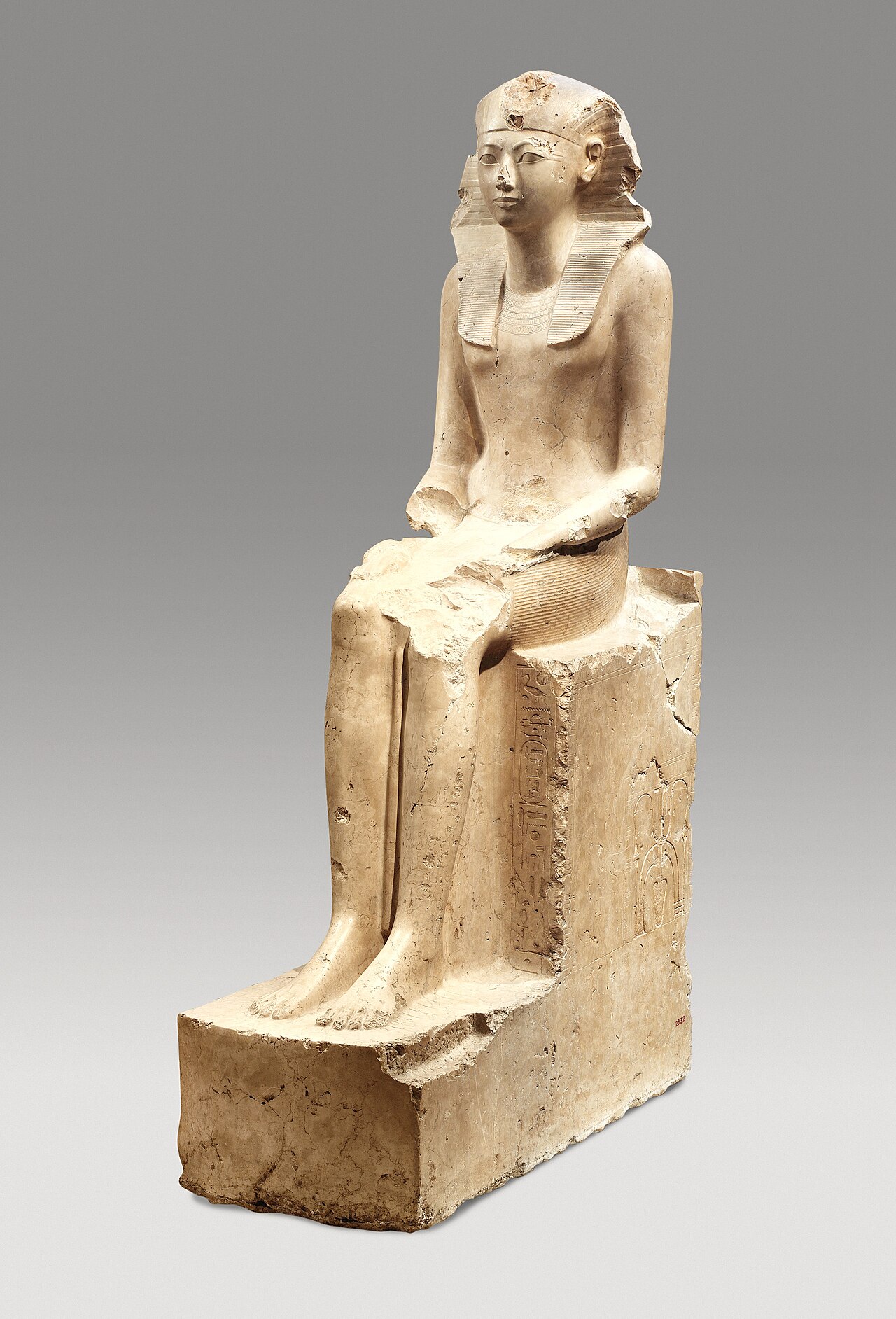
Seated Statue of Hatshepsut
c. 1466 BCE
Ready when you are
Start chatting with Hatshepsut now.
20 messages free · No credit card · Available in 50+ languages.