


Primary sourceDocument1710
Statute of Anne
1710
The world's first copyright law, enacted in 1710 during Anne's reign, giving authors legal ownership of their printed works.
Passed and granted royal assent during Anne's reign, this landmark copyright law is named after her.
Free Humy account · No credit card · 120,912 sources to read
About this source
What it is
The Statute of Anne was an act of the Parliament of Great Britain, passed in 1710 during the reign of Queen Anne. It was the first law to regulate copying of books through government and courts rather than leaving it to private printers' guilds.
Why it matters
Before this act, the Stationers' Company controlled and censored what could be printed. The new law instead gave rights to authors themselves for a limited term, after which works entered the public domain. It became a model for copyright law in other countries, including the United States, and is still cited today as a foundation of modern copyright thinking.
Look closer
- Why might giving rights to authors, rather than printers, have been seen as encouraging learning?
- What problems had the old licensing system caused that this law tried to fix?
- Why do you think the law set a time limit on copyright instead of making it permanent?
This document is part of the curated material that grounds the AI version of Anne, Queen of Great Britain on Humy.ai — when students ask about related events, the AI can quote it and cite it.
More Anne, Queen of Great Britain sources
Browse all 95 →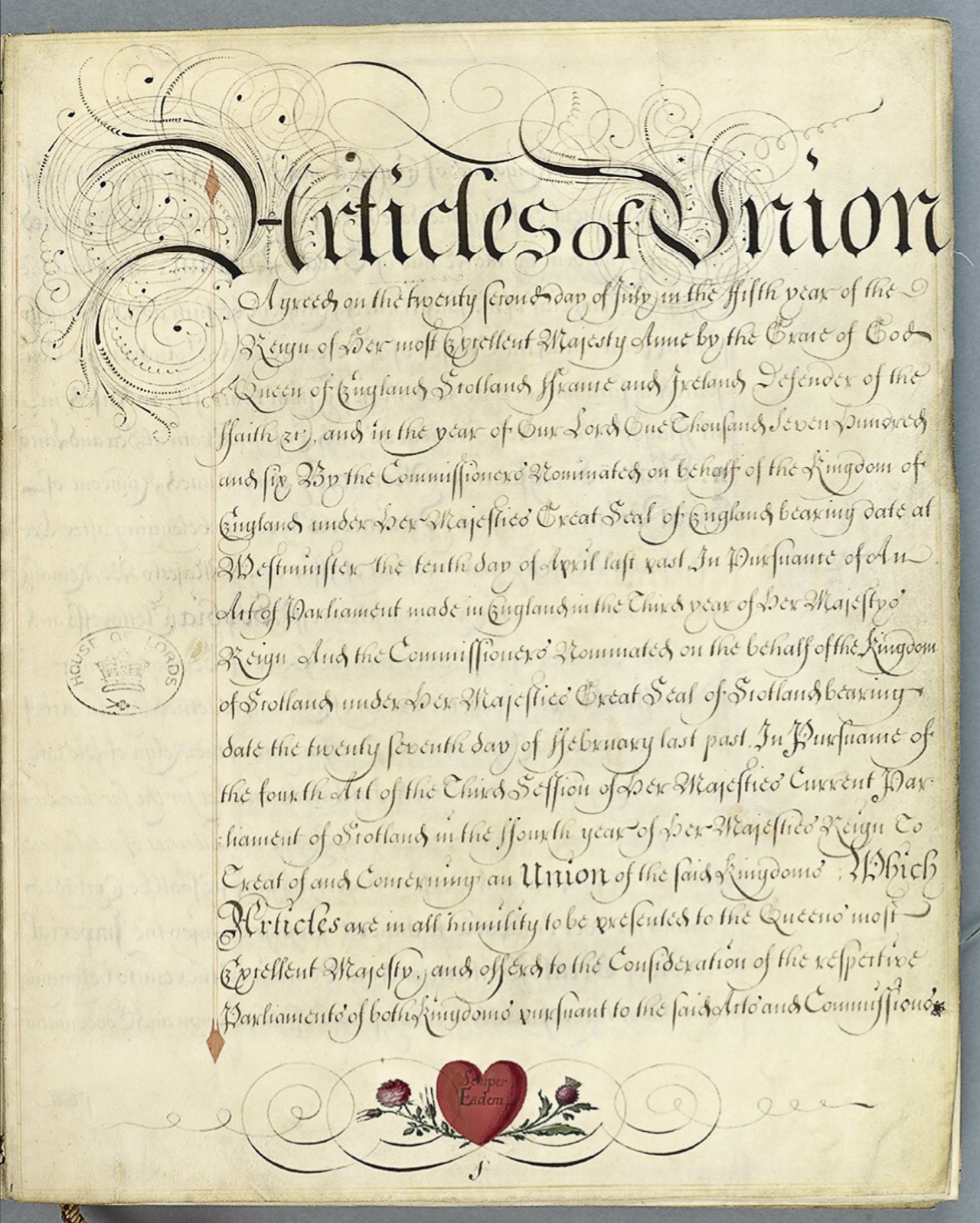
Ready when you are
Start chatting with Anne, Queen of Great Britain now.
20 messages free · No credit card · Available in 50+ languages.