


Primary sourceArtifact1916
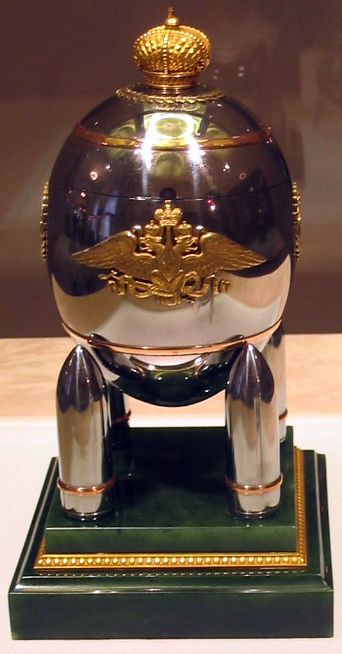
Steel Military Egg
Henrik Wigström · 1916
A sober wartime Fabergé Easter egg given on Nicholas II's behalf to Tsarina Alexandra in 1916, standing on artillery shells.
Nicholas commissioned this egg as an Easter gift to his wife while he was away commanding troops in the First World War.
About this source
What it is
This jewelled Easter egg was made by Fabergé's workshop under Henrik Wigström and delivered in 1916 to Tsarina Alexandra Fyodorovna on behalf of Nicholas II, who was away at the front during the First World War. It is made of gold and steel, stands on artillery shells, and opens to reveal a tiny painting of Nicholas and his son Alexei studying maps with officers. It is now held in the Moscow Kremlin Museums.
Why it matters
Unlike the colourful, jewel-covered eggs of earlier years, this one is plain and metallic, reflecting wartime shortages and the strain on Fabergé's workshop. It was one of the last eggs successfully delivered before the monarchy collapsed, making it a symbol of the war's effect on the imperial family and on Russian craftsmanship itself.
Look closer
- Why might the egg look so plain compared to earlier Fabergé eggs?
- What does the tiny painting inside suggest about how the family wanted the war to be remembered?
- What does the choice of materials (steel, artillery shells) tell you about the time it was made?
This artifact is part of the curated material that grounds the AI version of Tsar Nicholas II on Humy.ai — when students ask about related events, the AI can quote it and cite it.
More Tsar Nicholas II sources
Meet the AI Tsar Nicholas II →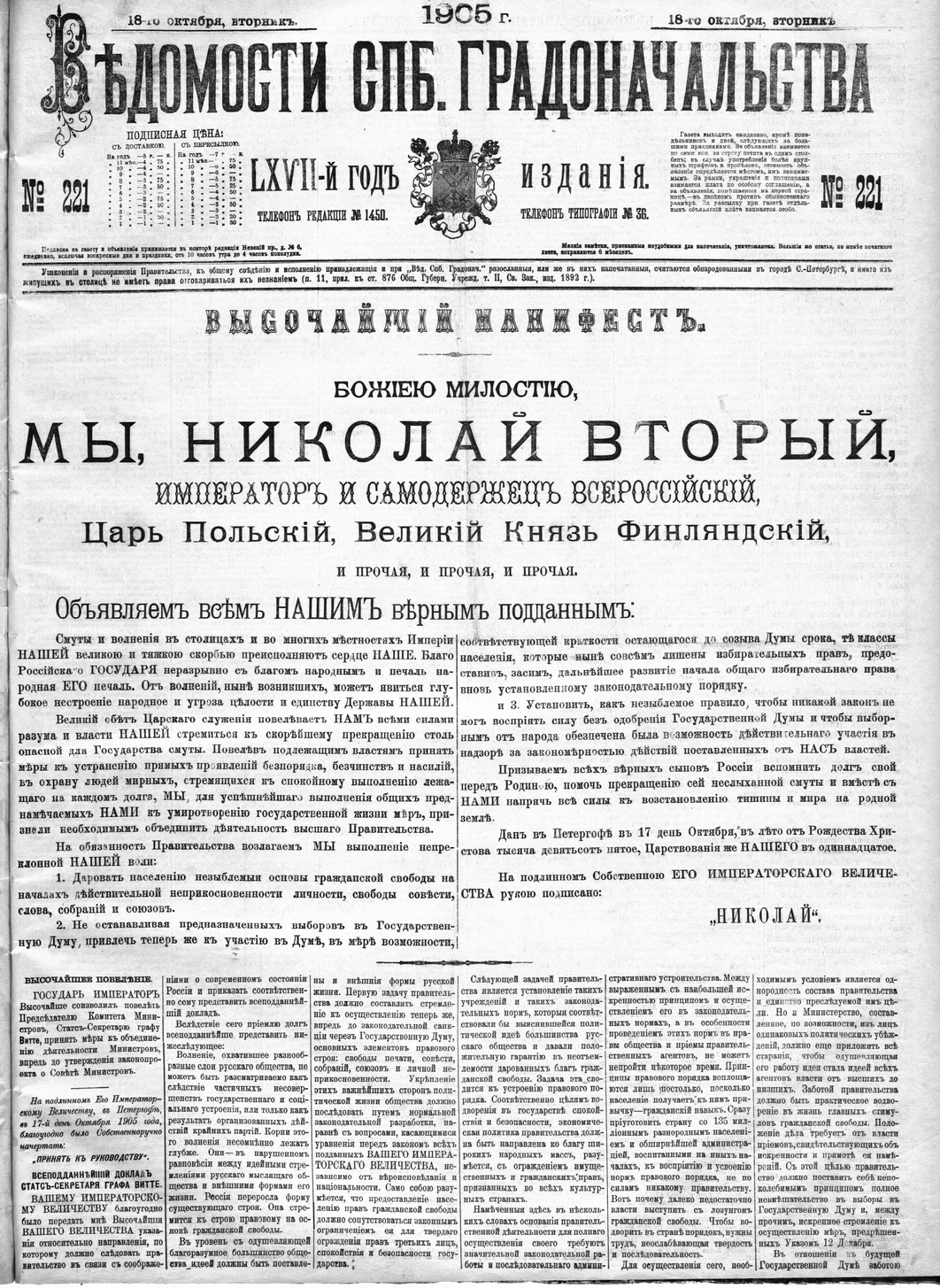 Newspaper article
Primary source
October Manifesto
Nicholas II of Russia · 30 October 1905
 Document
Primary source
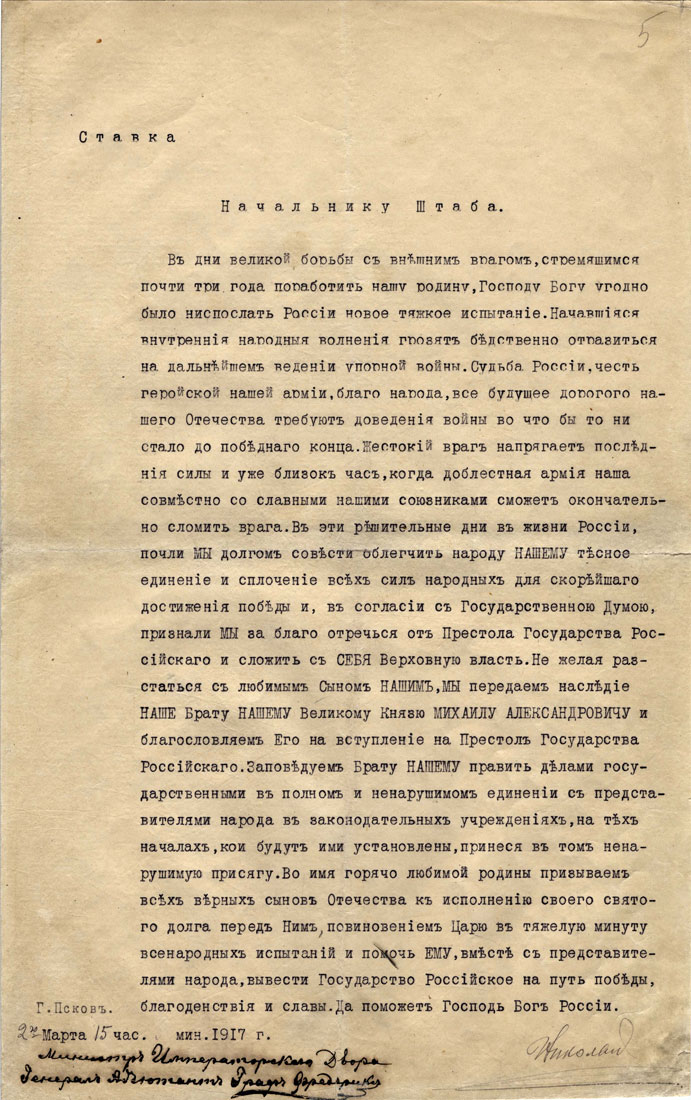
Nicholas II of Russia's abdication
Nicholas II of Russia · 2 March 1917 (O.S.) / 15 March 1917 (N.S.)
 Document
Primary source
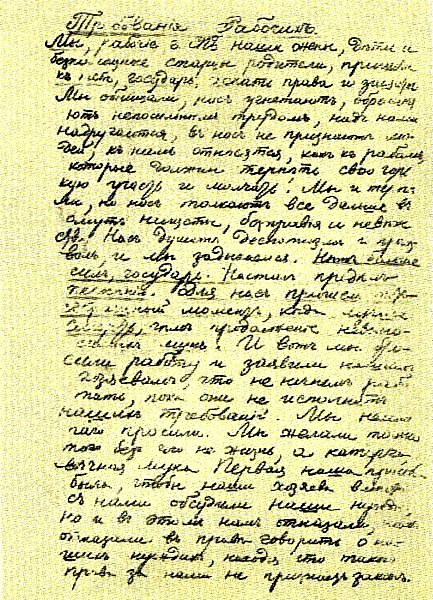
St. Petersburg Workmen's Petition to the Tsar
Georgy Gapon · January 1905
Primary source
Russian Constitution of 1906
Nicholas II of Russia · 6 May 1906
 Letter
Primary source
Willy–Nicky Correspondence
Nicholas II of Russia and Wilhelm II · July–August 1914
Ready when you are
Start chatting with Tsar Nicholas II now.
20 messages free · No credit card · Available in 50+ languages.