


Primary sourceArtifact
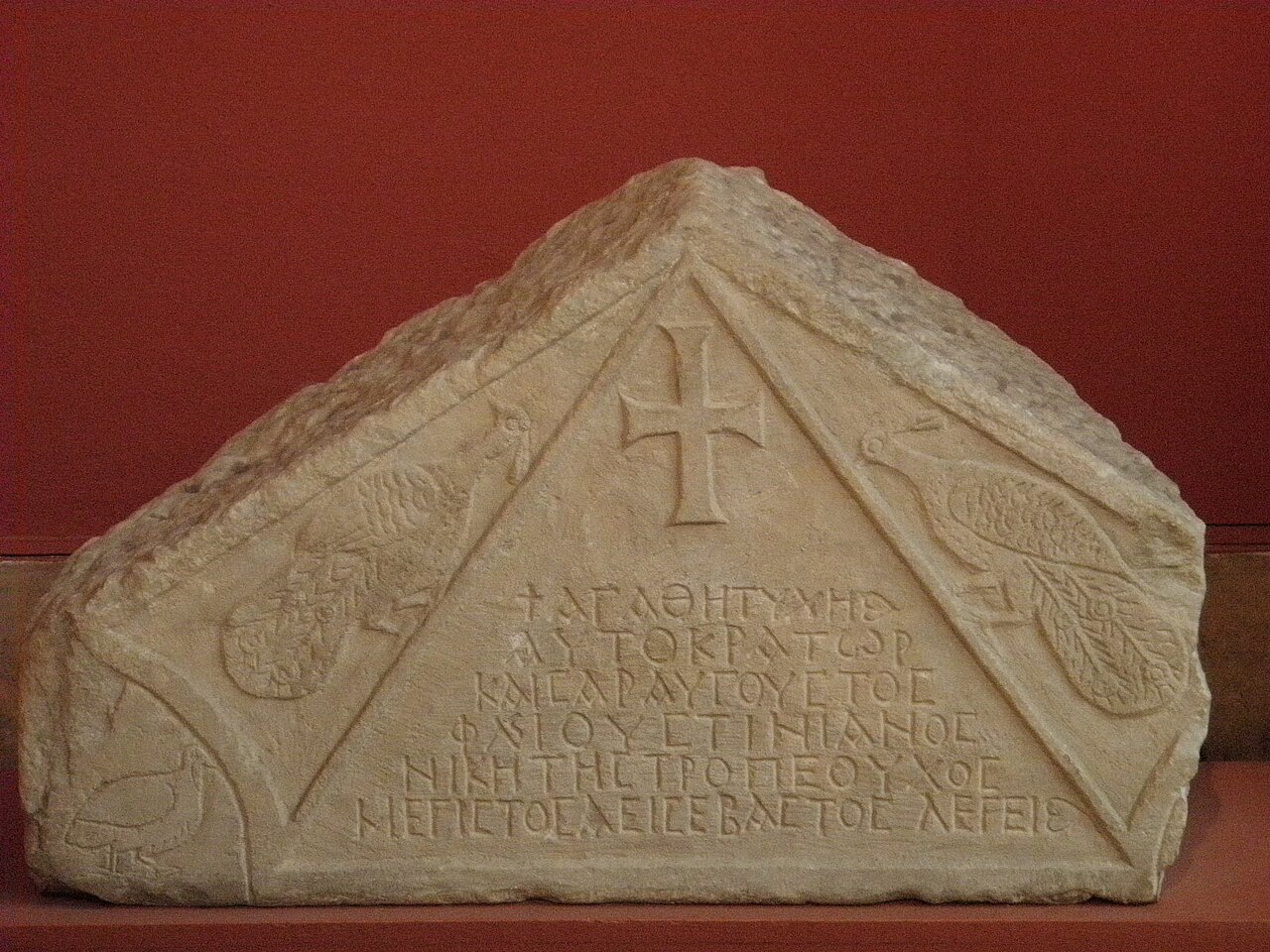
Stele Pediment with Inscription of Emperor Justinian
A carved stone stele top bearing a Greek inscription naming Emperor Justinian, now in the Pergamon Museum.
This inscribed stele records Justinian's name and authority, a surviving public monument from his reign.
About this source
What it is
This is the pediment-shaped top of a stone stele from Justinian's reign, carved with six lines of Greek inscription naming the emperor and decorated with carved birds. It is held today in the Pergamon Museum on Museum Island in Berlin.
Why it matters
Public inscriptions like this one recorded an emperor's name and authority across the territories he ruled. Objects like this stele show how Justinian's power was displayed not only through grand buildings but also in everyday public monuments bearing his name.
Look closer
- Why might a ruler want his name inscribed in a public place rather than just announced?
- What do the carved birds and the cross tell us about the beliefs of the people who made it?
- How did this stone end up in a museum in Berlin rather than where it was made?
This artifact is part of the curated material that grounds the AI version of Justinian I on Humy.ai — when students ask about related events, the AI can quote it and cite it.
More Justinian I sources
Meet the AI Justinian I →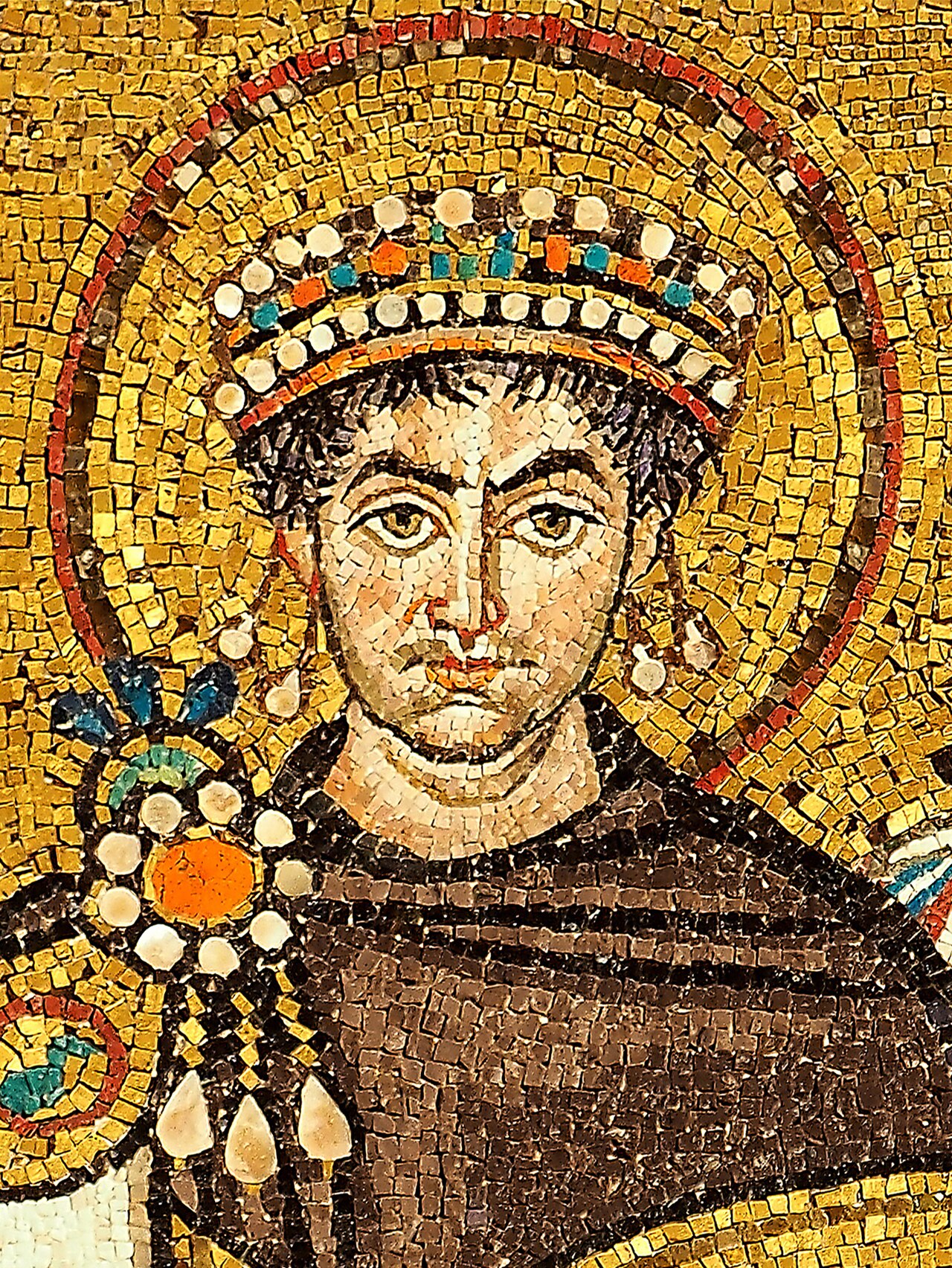 Artifact
Primary source
Portrait of Justinian I, San Vitale Mosaic
Byzantine mosaicists · c. 547
 Painting
Secondary source
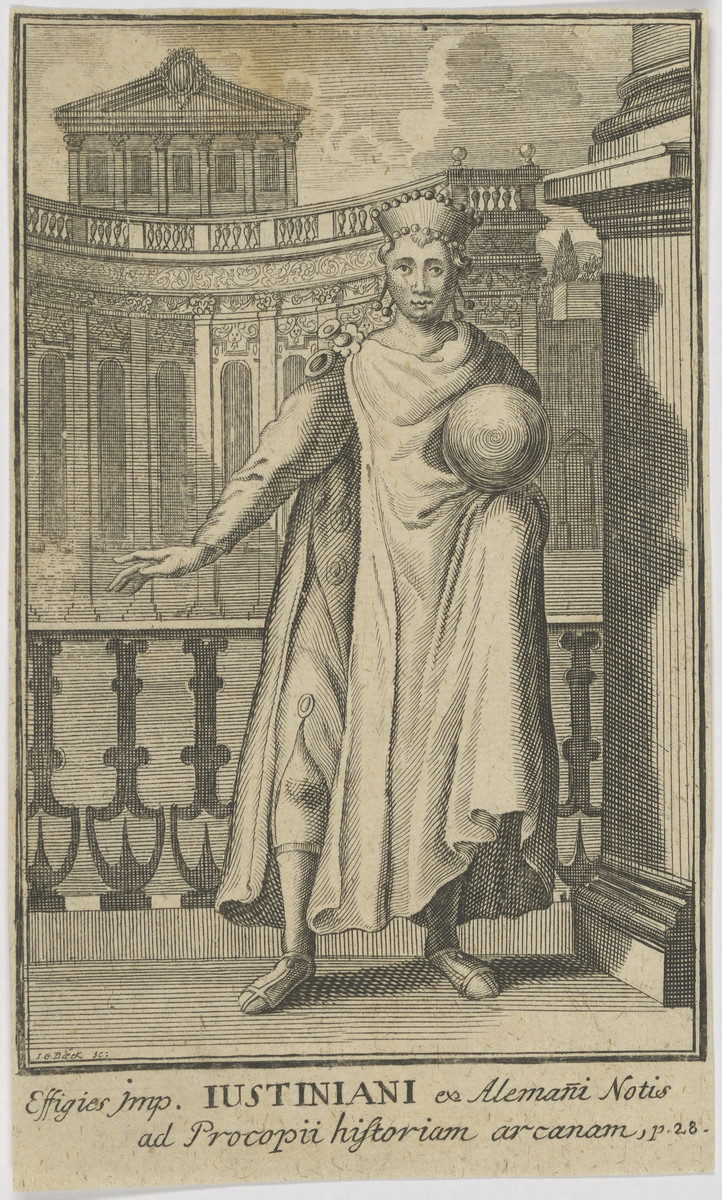
Portrait of Emperor Justinian
Johann Friedrich Böck
 Document
Primary source
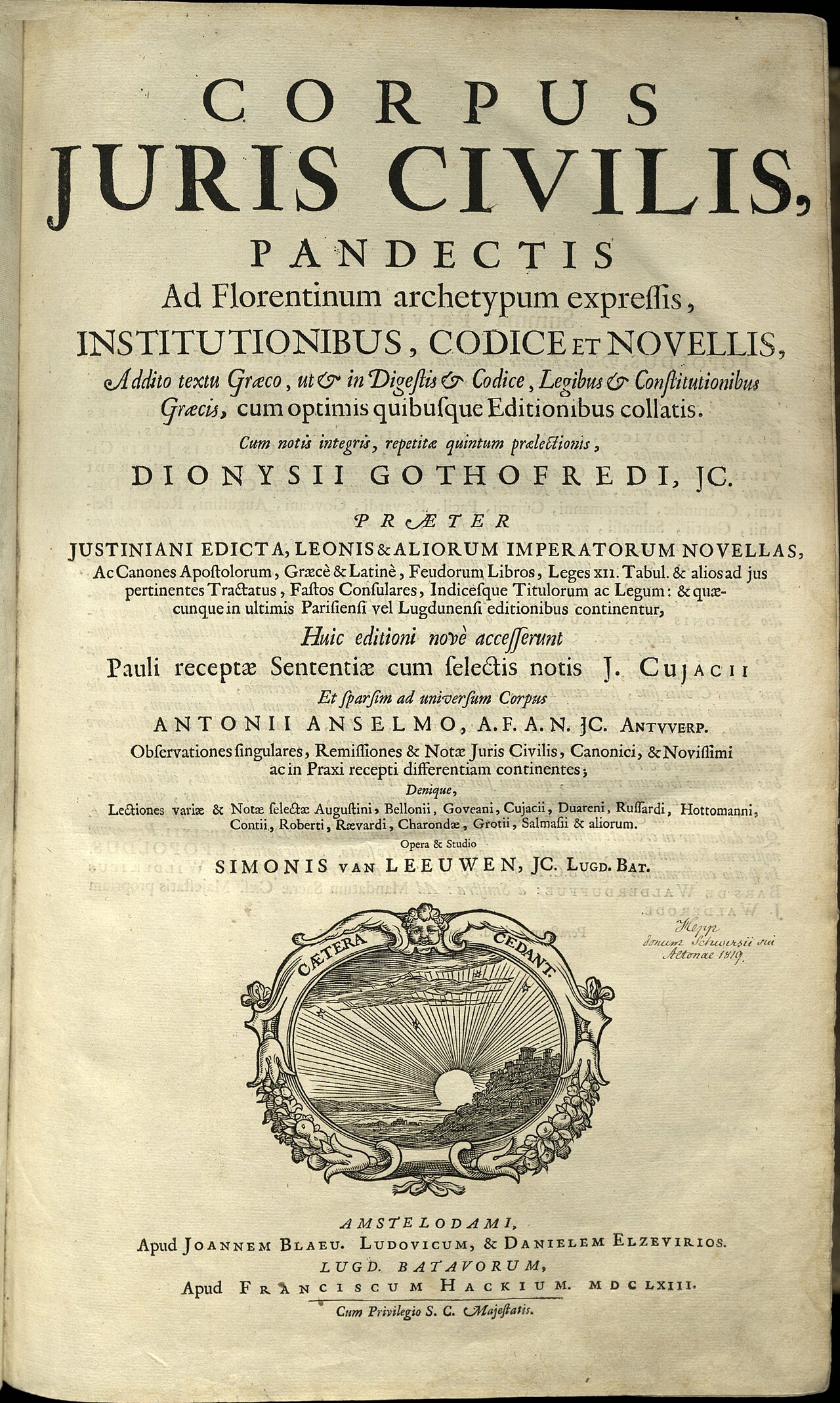
Corpus Juris Civilis
Tribonian · 528-534
 Artifact
Primary source
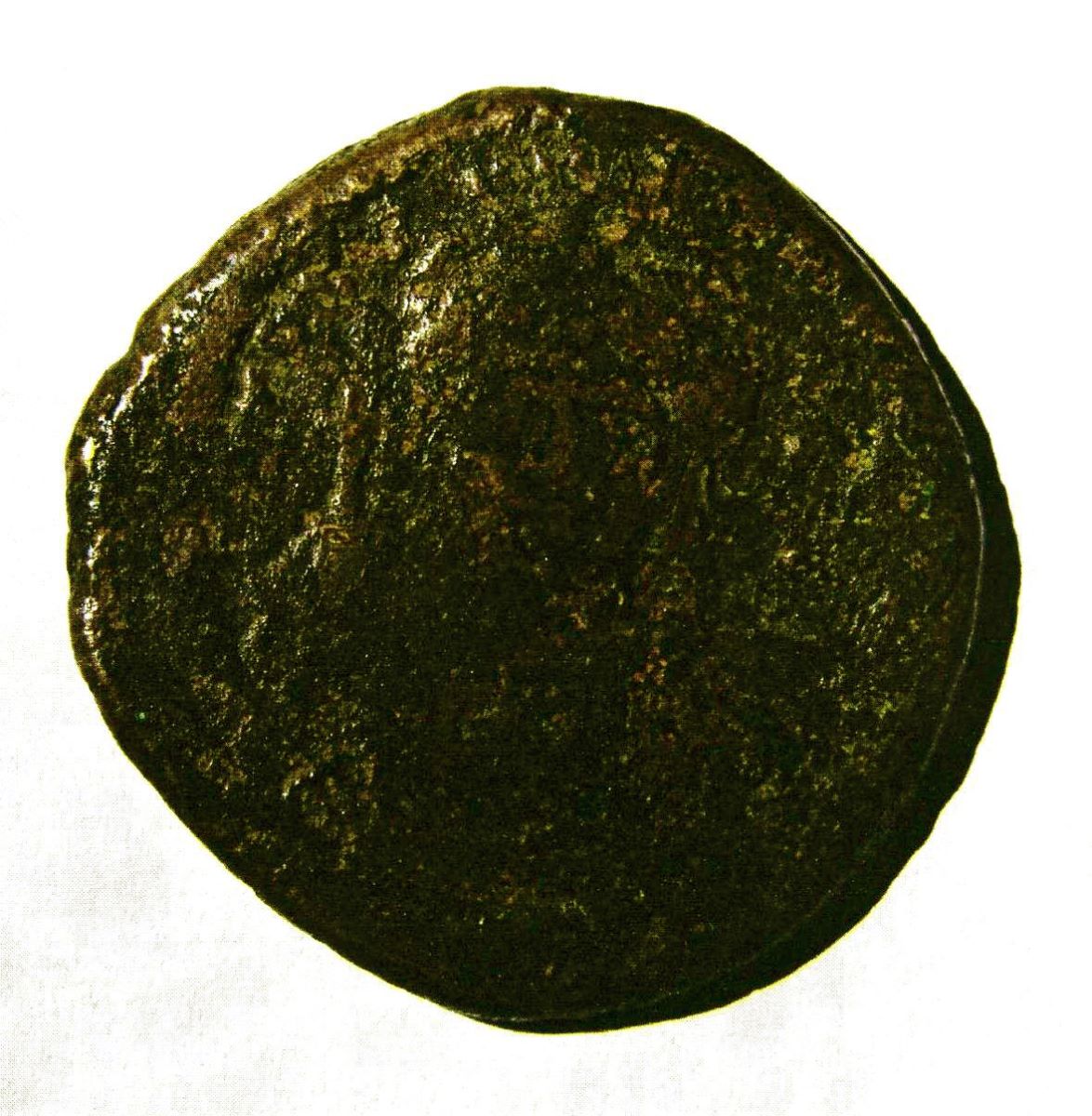
Bronze Follis of Justinian I with Globus Cruciger
 Artifact
Secondary source
Hagia Sophia
Isidore of Miletus and Anthemius of Tralles · 532-537 CE
Ready when you are
Start chatting with Justinian I now.
20 messages free · No credit card · Available in 50+ languages.