


Secondary sourcePainting1828
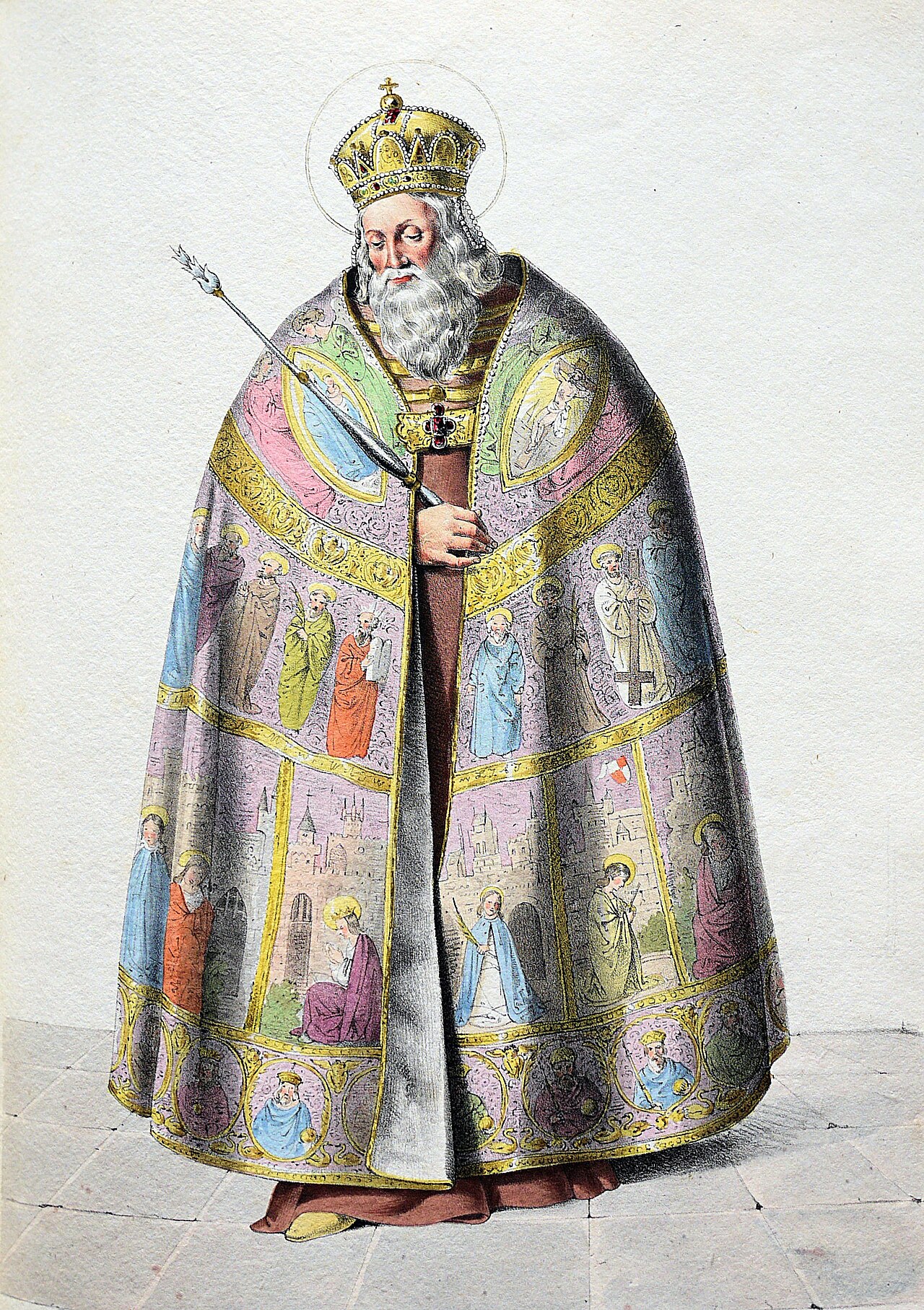
Stephen I of Hungary, Lithograph by Josef Kriehuber
Josef Kriehuber · 1828
An 1828 lithographic portrait imagining King Stephen I of Hungary as a crowned, richly robed ruler.
This 19th-century lithograph presents an imagined portrait of Stephen as part of a series honoring Hungary's rulers.
About this source
What it is
This hand-colored lithograph, made in 1828 by Josef Kriehuber after a drawing by Moritz von Schwind, shows a bearded, crowned king in an embroidered gold-and-pink cape decorated with saints in medallions, holding a scepter. It was produced as part of a series of portraits of Hungary's rulers, from early dukes up to the 19th-century Austrian emperor.
Why it matters
Made nearly 800 years after Stephen's death, this print is an imagined likeness rather than a record from his own lifetime. It shows how 19th-century artists pictured Stephen as part of a long line of Hungarian rulers, using crowns, robes, and religious imagery to present him as a founding, sanctified king.
Look closer
- What symbols in the portrait link Stephen to religion and royal authority?
- Why might a 19th-century print series want to connect Stephen to later rulers of Hungary and Austria?
- What can't this image tell us about what Stephen actually looked like?
This painting is part of the curated material that grounds the AI version of Stephen I of Hungary on Humy.ai — when students ask about related events, the AI can quote it and cite it.
More Stephen I of Hungary sources
Browse all 87 →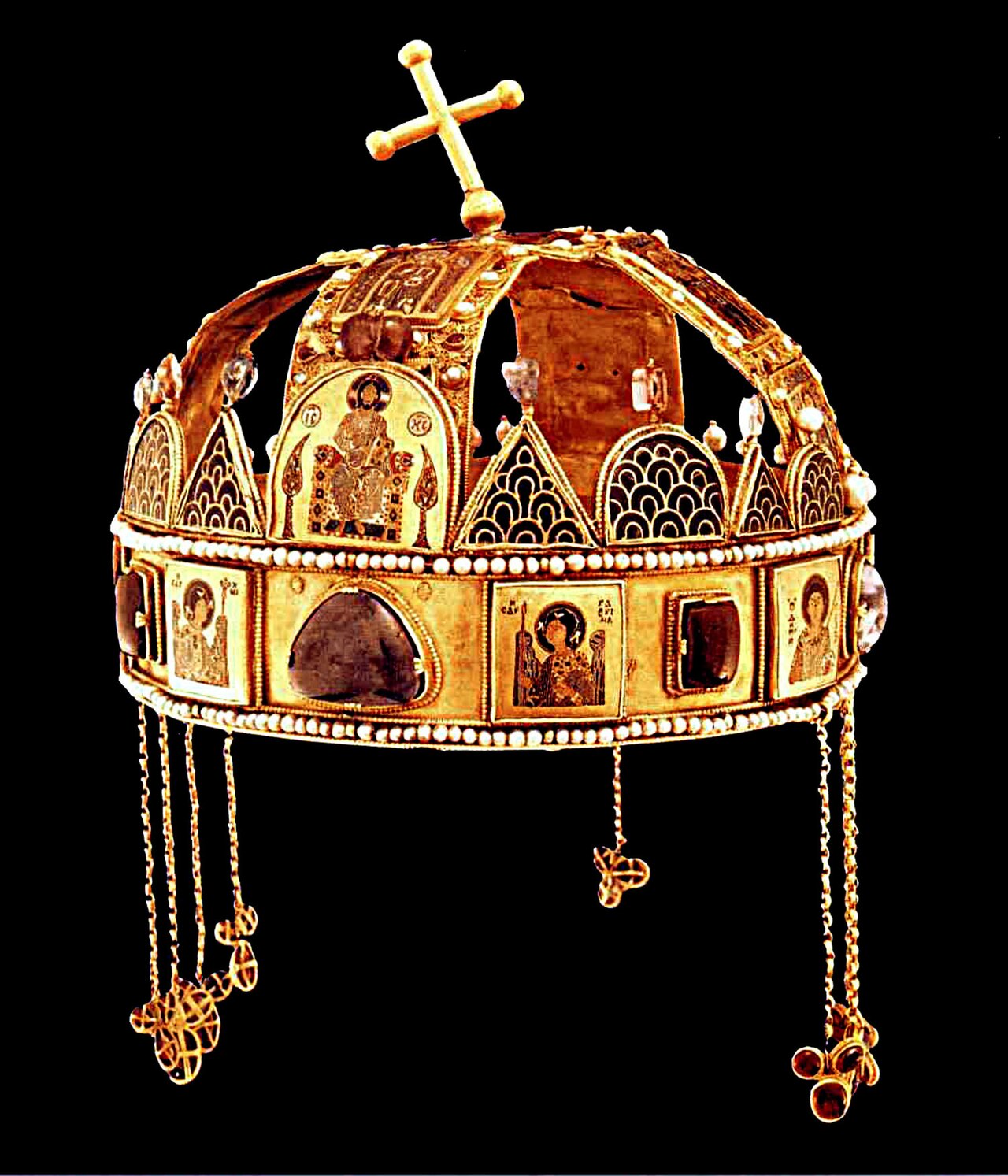 Artifact
Secondary source
Holy Crown of Hungary
1070s, present form c. late 12th century
 Document
Primary source
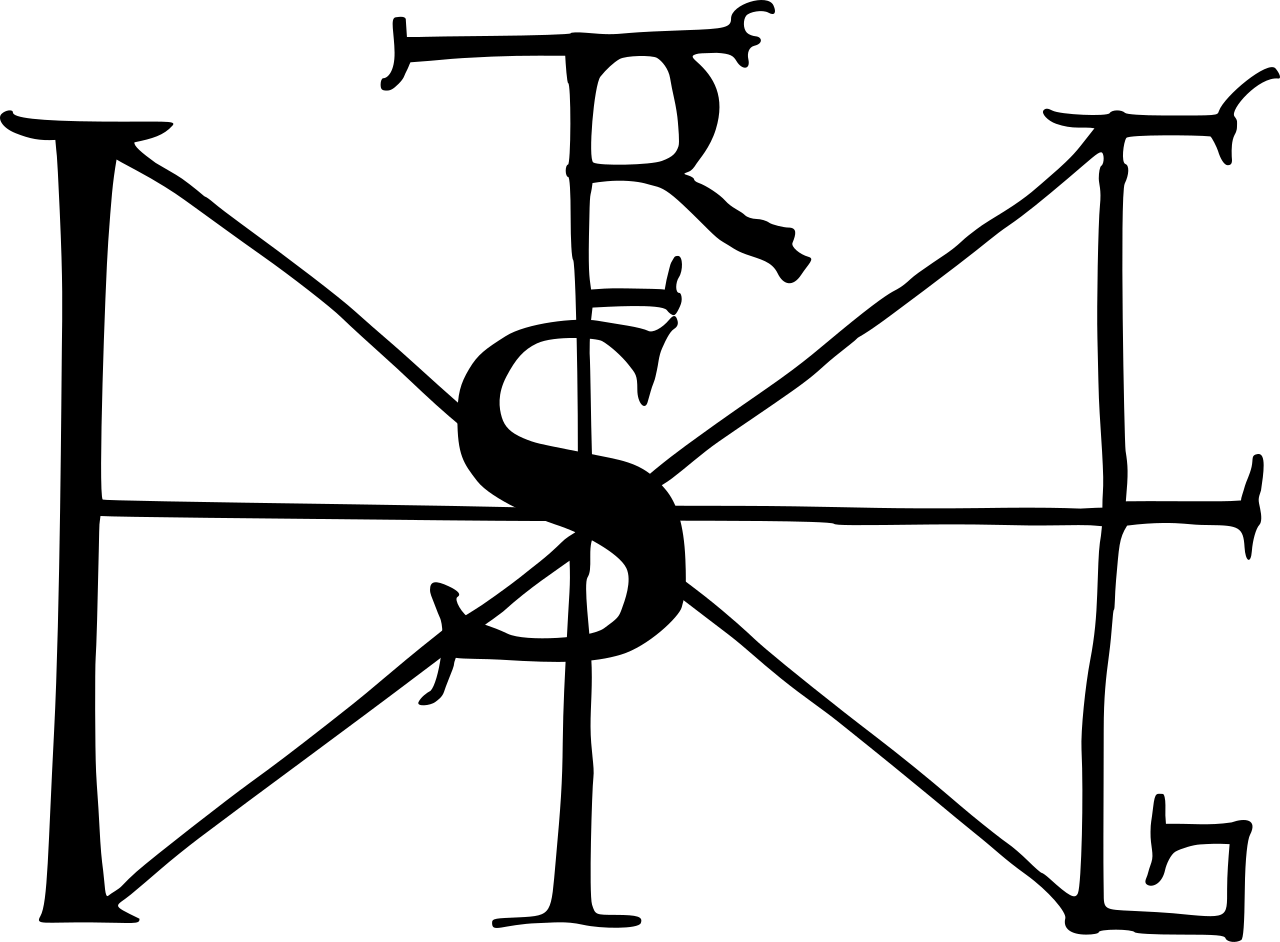
Signature of Stephen I of Hungary
Stephen I of Hungary
 Artifact
Secondary source
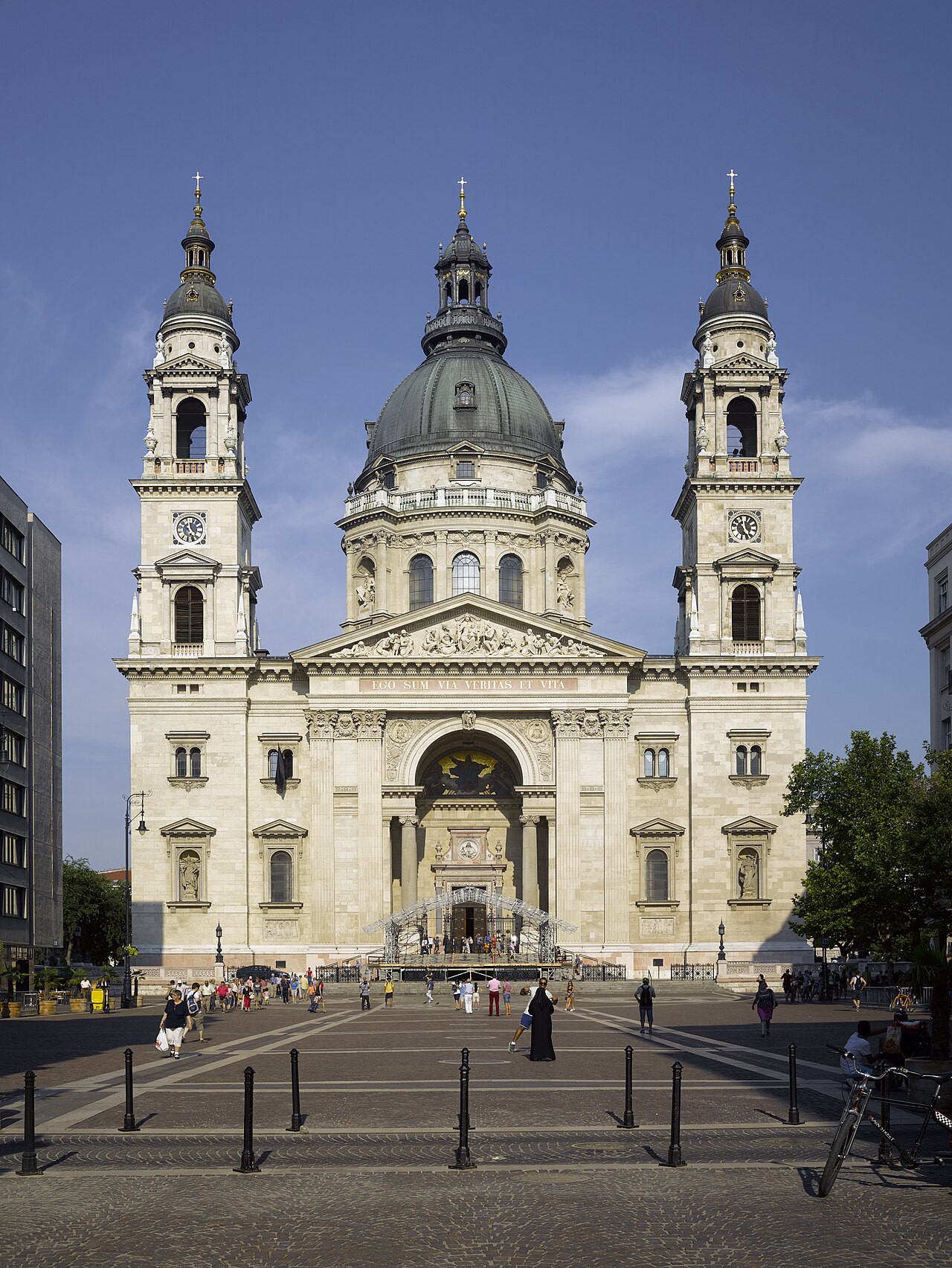
St. Stephen's Basilica
József Hild, Miklós Ybl, József Kauser · completed 1905
 Sculpture
Secondary source
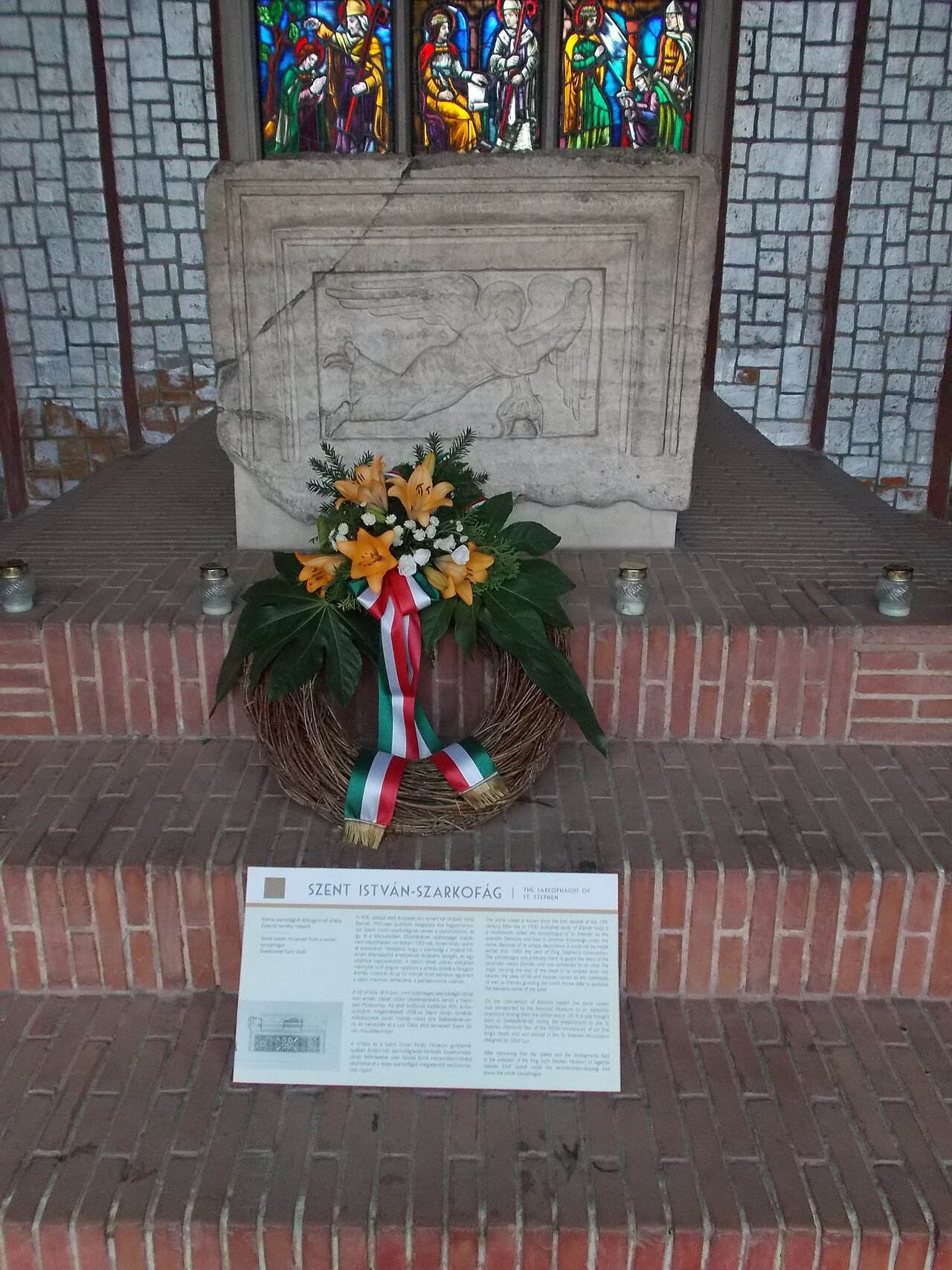
St. Stephen's Sarcophagus
Free account
Read every Stephen I of Hungary source
Sign up free →
Ready when you are
Start chatting with Stephen I of Hungary now.
20 messages free · No credit card · Available in 50+ languages.