


Primary sourceDocument22 March 1874
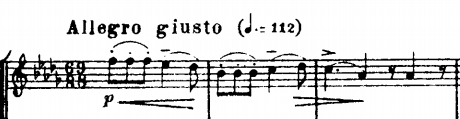
String Quartet No. 2 in F Major, Score Detail
Piotr Ilyich Tchaikovsky · 22 March 1874
A detail from the printed score of Tchaikovsky's String Quartet No. 2 in F major, 1874.
A detail from the score of Tchaikovsky's own String Quartet No. 2, composed in 1874.
About this source
What it is
This is a close-up detail from the printed score of Tchaikovsky's String Quartet No. 2 in F major, composed in 1874. It shows a passage marked Allegro giusto with a specific tempo marking, dynamics, and slurred note groupings.
Why it matters
Looking closely at how a composer notates tempo, dynamics, and phrasing shows the level of detail involved in writing for string instruments. This detail comes from Tchaikovsky's own period, when such printed scores were the standard way chamber music was shared among performers.
Look closer
- What do the dynamic markings and hairpins tell you about how loud or soft this passage should be played?
- Why might a composer specify an exact tempo in beats per minute rather than just writing 'fast'?
- What skills would a performer need to read and interpret a passage like this?
This document is part of the curated material that grounds the AI version of Pyotr Ilyich Tchaikovsky on Humy.ai — when students ask about related events, the AI can quote it and cite it.
More Pyotr Ilyich Tchaikovsky sources
Meet the AI Pyotr Ilyich Tchaikovsky →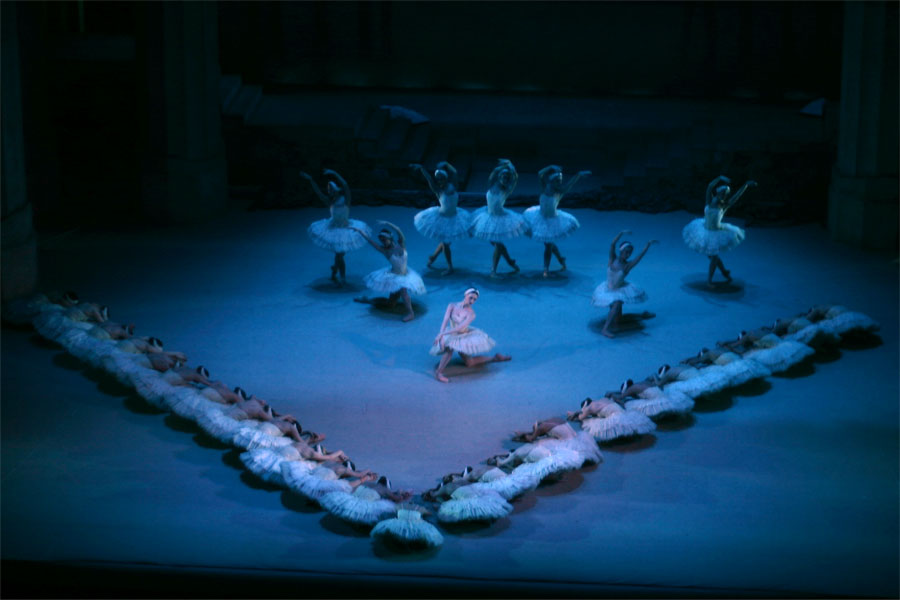 Artifact
Secondary source
Swan Lake
Pyotr Ilyich Tchaikovsky · 1875–1876
 Artifact
Secondary source
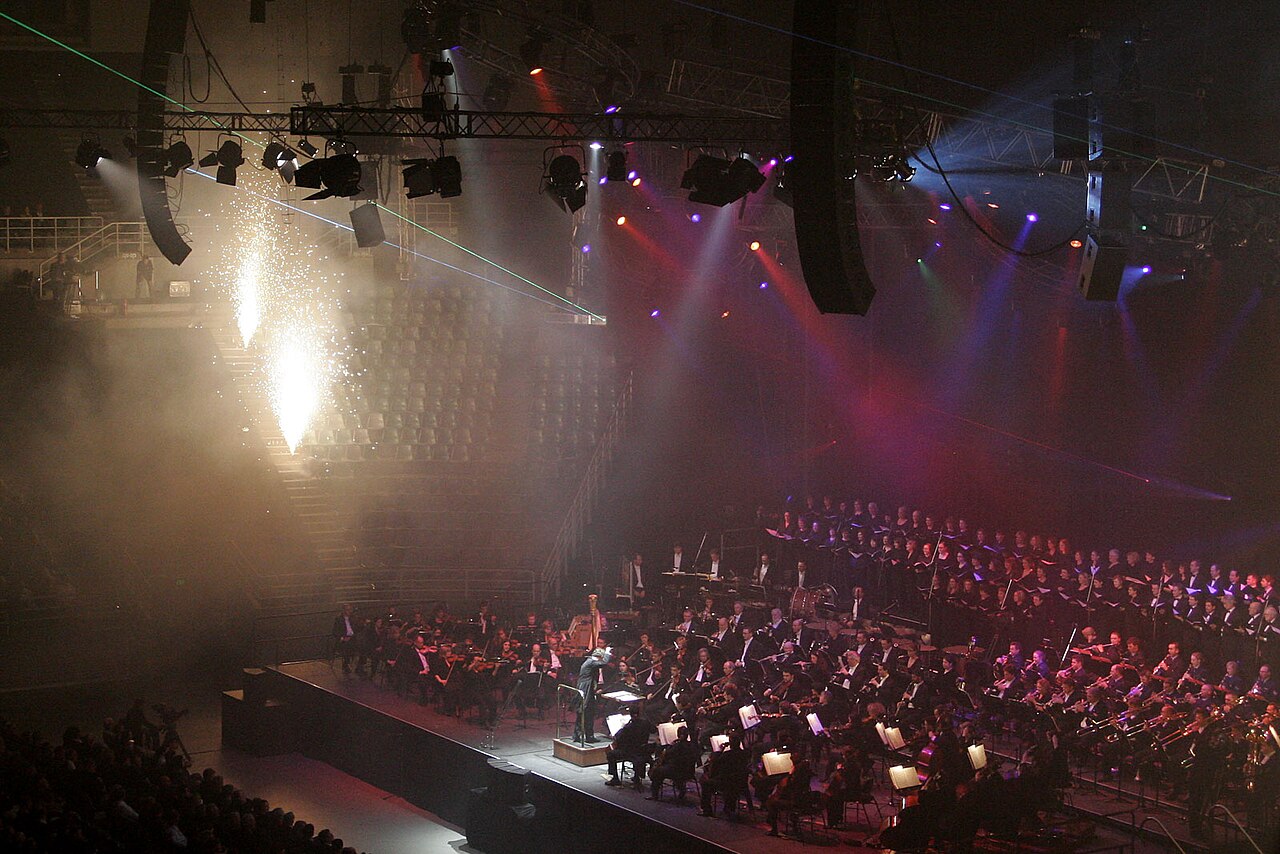
1812 Overture
Pyotr Ilyich Tchaikovsky · 1880
 Artifact
Primary source
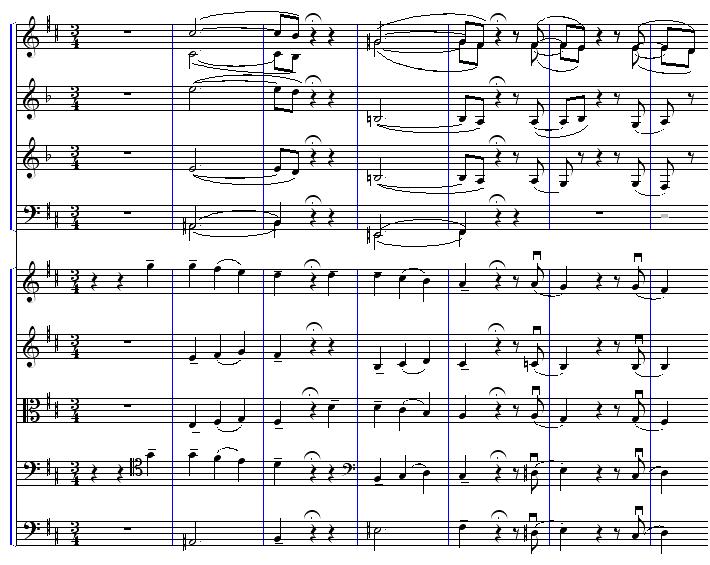
Symphony No. 6 (Pathétique)
Pyotr Ilyich Tchaikovsky · 1893
Primary source
Tchaikovsky & Anton Rubinstein & Friends
Julius Block · 1890
 Artifact
Primary source
Eugene Onegin
Pyotr Ilyich Tchaikovsky · 1877–1878
Ready when you are
Start chatting with Pyotr Ilyich Tchaikovsky now.
20 messages free · No credit card · Available in 50+ languages.