


Primary sourcePainting1511
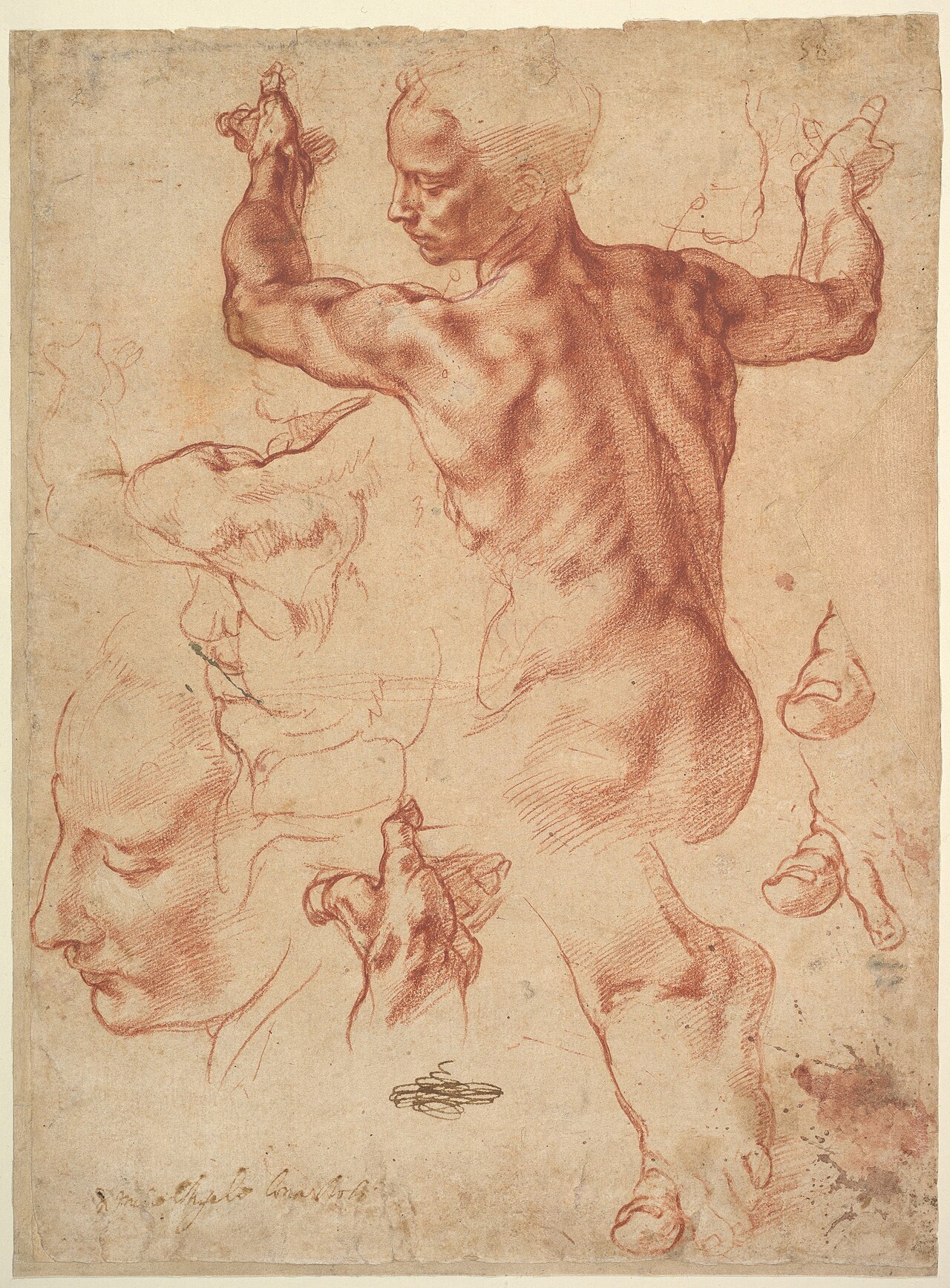
Studies for the Libyan Sibyl
Michelangelo · 1511
A red-chalk double-sided sketch by Michelangelo preparing the figure of the Libyan Sibyl for the Sistine Chapel ceiling.
A preparatory drawing by Michelangelo himself for his Sistine Chapel ceiling, showing his working method.
About this source
What it is
This 1511 drawing is a preparatory study by Michelangelo for the Libyan Sibyl, one of the figures he painted on the Sistine Chapel ceiling. It is held at the Metropolitan Museum of Art. The front shows a young male figure twisting to hold an imagined object; the finished painting turned this into a woman holding a book. The back has further studies of a seated figure, a knee, and a small figure.
Why it matters
The sheet reveals how Michelangelo built his paintings from studies of real models, almost always male, even when designing female figures. It shows his emphasis on muscular anatomy and his working process behind one of the most famous ceilings in art history.
Look closer
- Why might Michelangelo have used a male model to design a female figure?
- What do the multiple sketches on one sheet tell you about how he worked?
- What does the finished Sibyl look like compared with this study?
This painting is part of the curated material that grounds the AI version of Michelangelo Buonarroti on Humy.ai — when students ask about related events, the AI can quote it and cite it.
More Michelangelo Buonarroti sources
Meet the AI Michelangelo Buonarroti →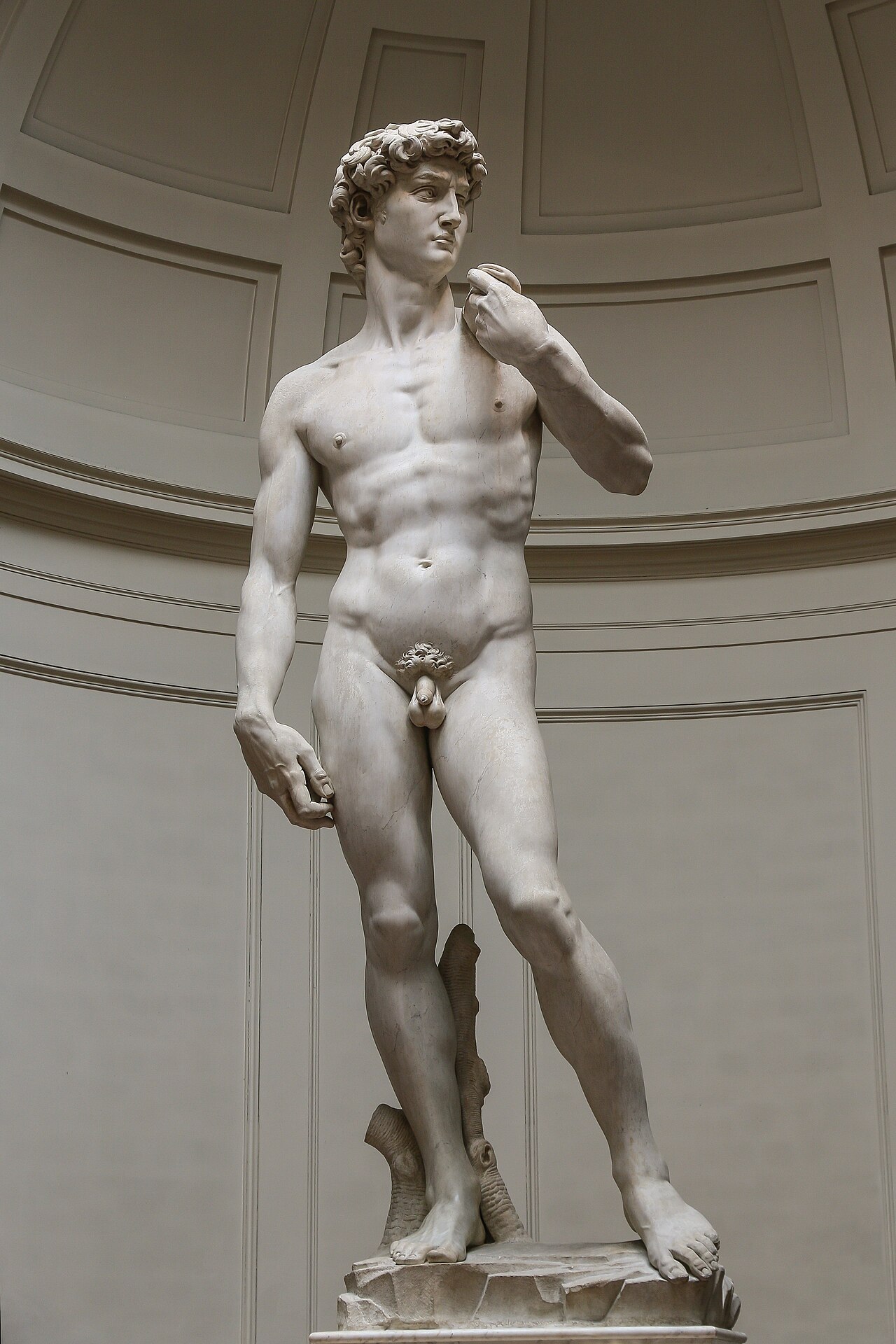 Sculpture
Primary source
David
Michelangelo · 1501-1504
 Artifact
Primary source
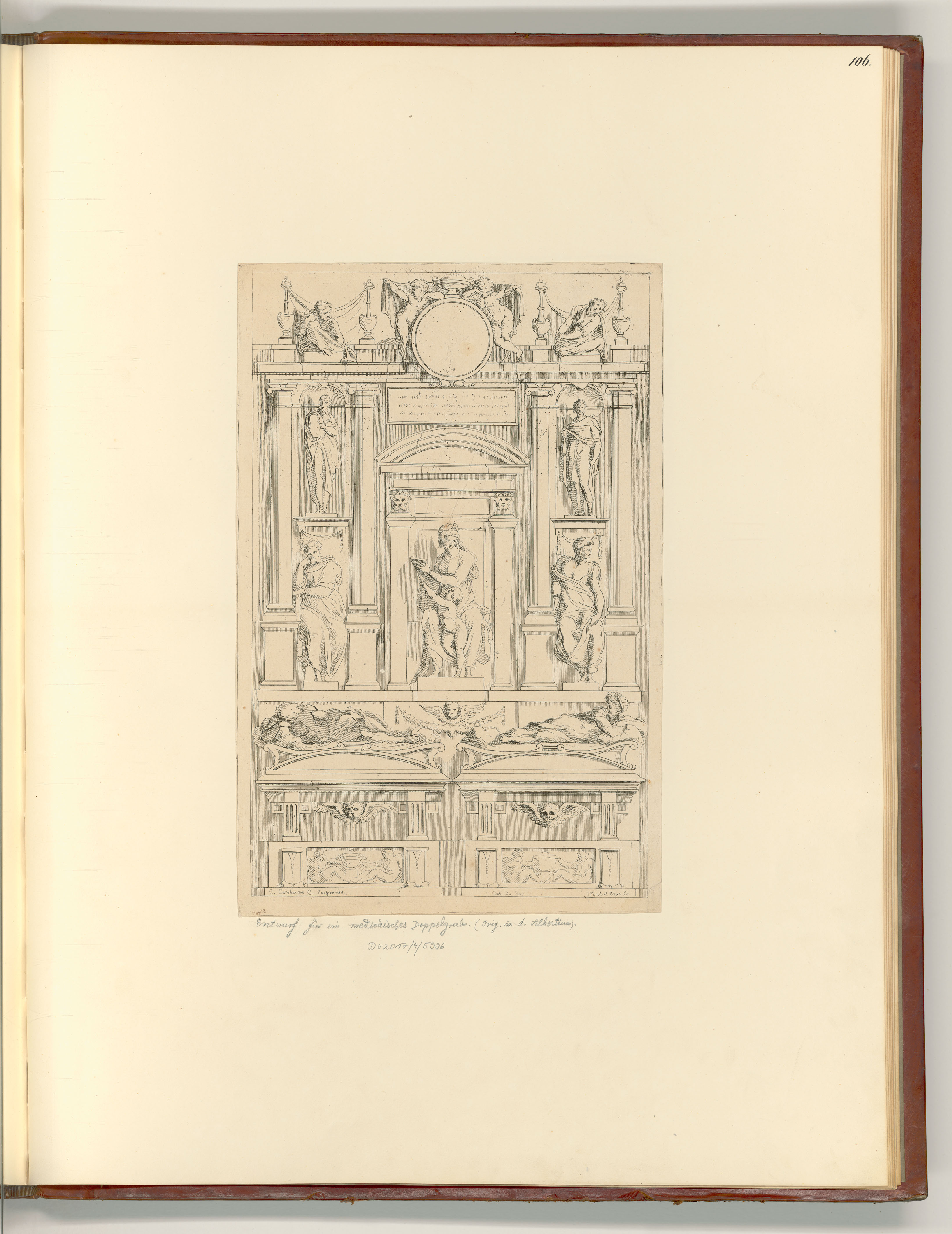
Elevation of a Planned Double Tomb for the Magnifici, Medici Chapel
unbestimmt
 Painting
Primary source
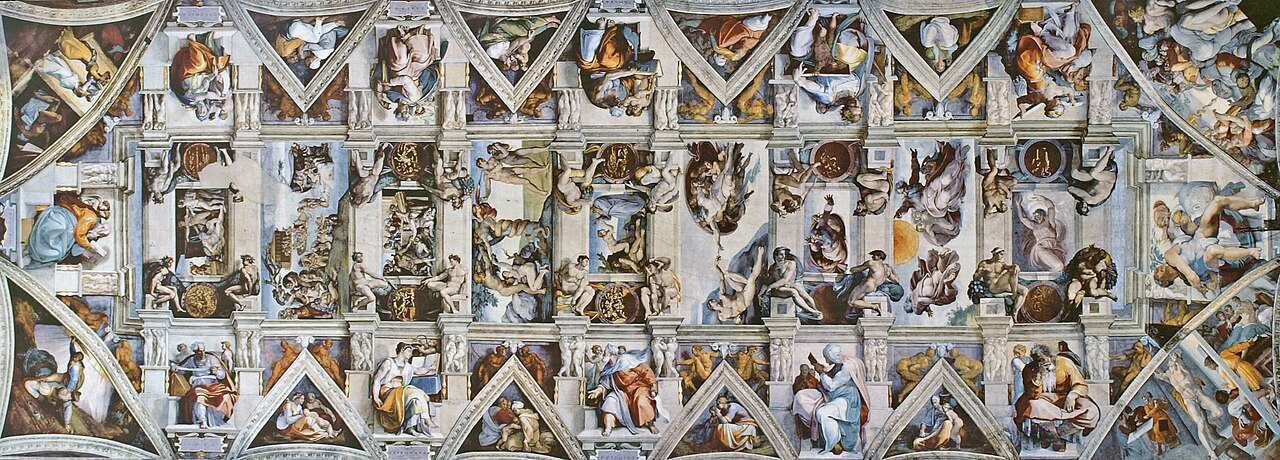
Sistine Chapel ceiling
Michelangelo · 1508-1512
 Painting
Secondary source
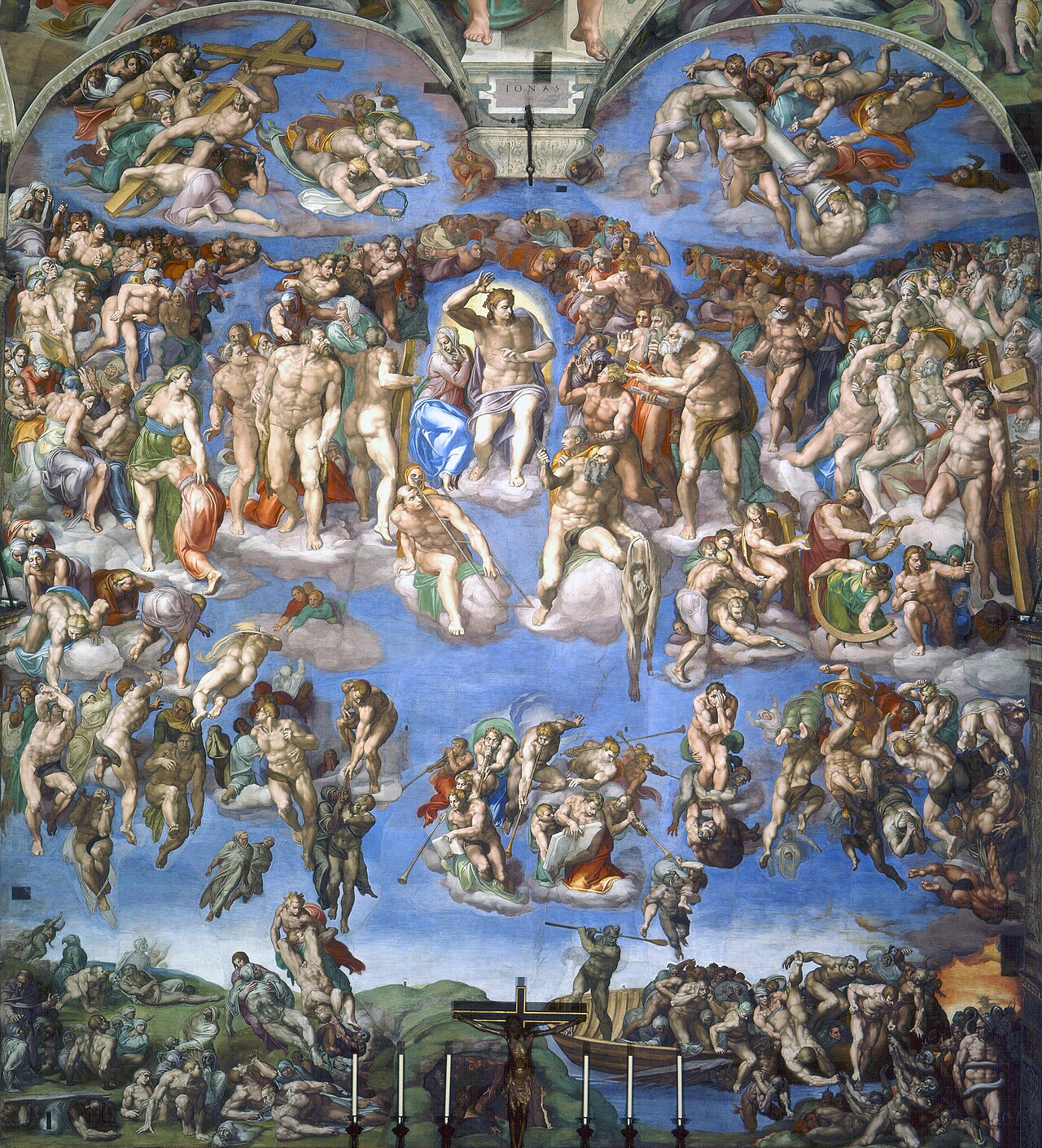
The Last Judgment
Michelangelo · 1536-1541
 Photograph
Secondary source
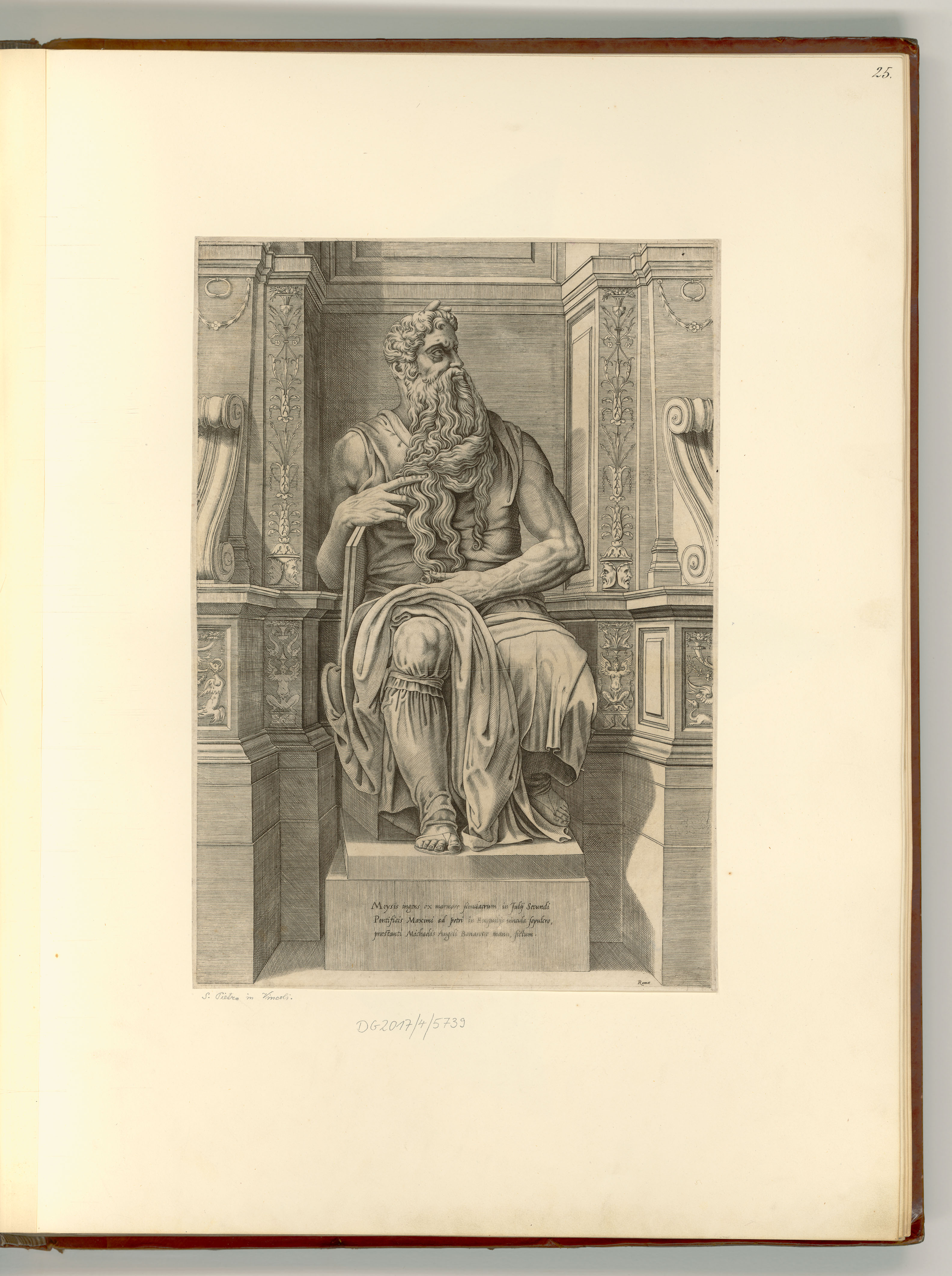
Statue of Moses by Michelangelo, San Pietro in Vincoli
unbestimmt
Ready when you are
Start chatting with Michelangelo Buonarroti now.
20 messages free · No credit card · Available in 50+ languages.