


Primary sourcePhotographc. 1647–1867
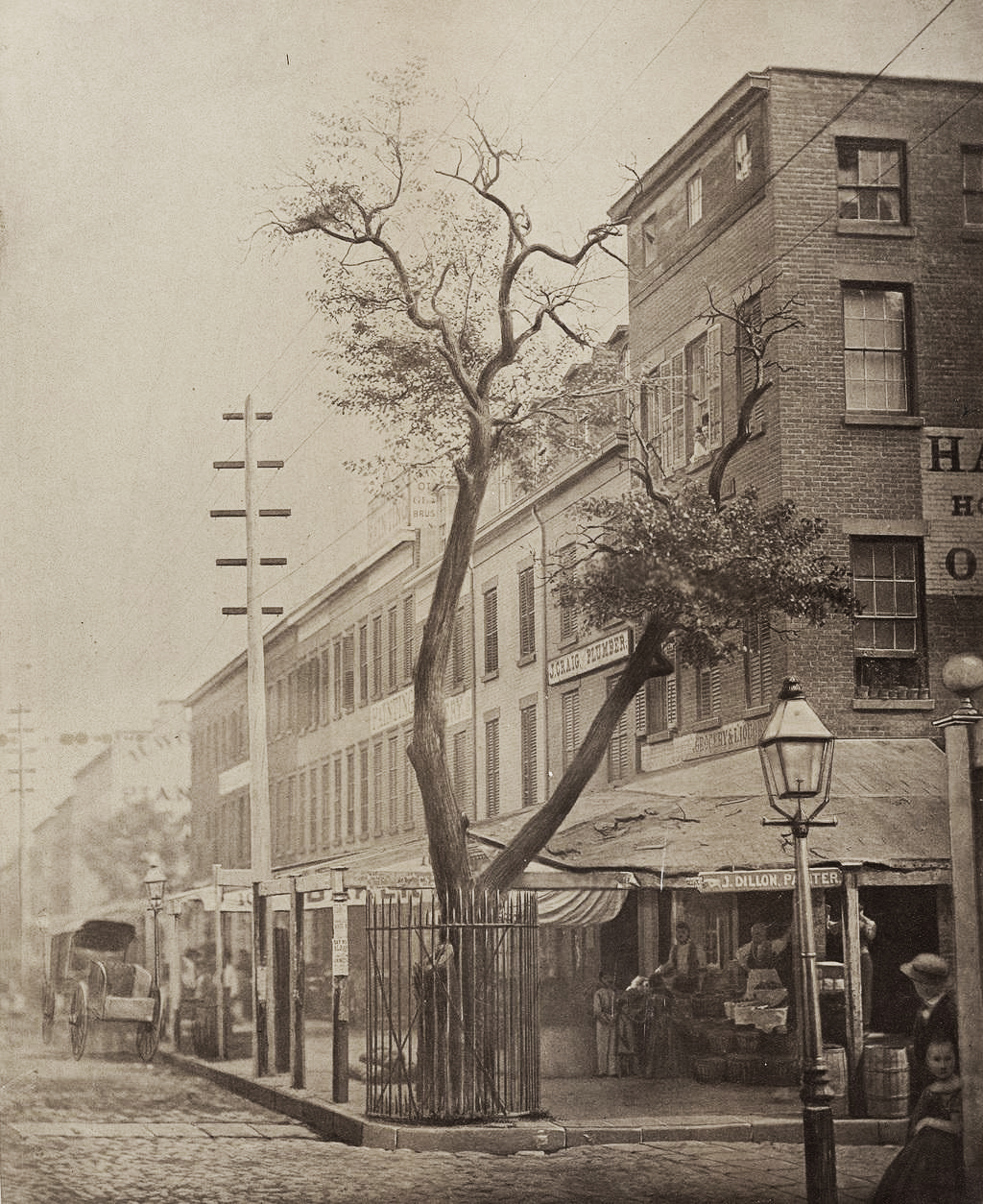
Stuyvesant Pear Tree
Peter Stuyvesant · c. 1647–1867
A pear tree reputedly brought from the Netherlands and planted by Stuyvesant around 1647, photographed before it fell in 1867.
Stuyvesant reputedly planted this tree himself around 1647, making it a direct physical link to him.
About this source
What it is
This sepia photograph by Jeremiah Gurney, taken in 1863, shows a large pear tree growing beside a brick building at a New York City street corner, enclosed by an iron fence. The tree was reputedly brought from the Netherlands and planted by Peter Stuyvesant on his farm around 1647.
Why it matters
The tree survived as a living landmark in Manhattan for over two centuries, connecting the city's 17th-century Dutch origins to the growing 19th-century city visible around it, with its cobblestones, carriages, and shops. It was damaged by a bad winter and then felled by a wagon in 1867.
Look closer
- What does the presence of this tree, still standing in a modern city street, tell you about how people remembered Stuyvesant?
- What other details in the photograph show how much the city had changed since Stuyvesant's time?
- Why might a photographer in 1863 have wanted to capture this particular tree?
This photograph is part of the curated material that grounds the AI version of Peter Stuyvesant on Humy.ai — when students ask about related events, the AI can quote it and cite it.
More Peter Stuyvesant sources
Meet the AI Peter Stuyvesant →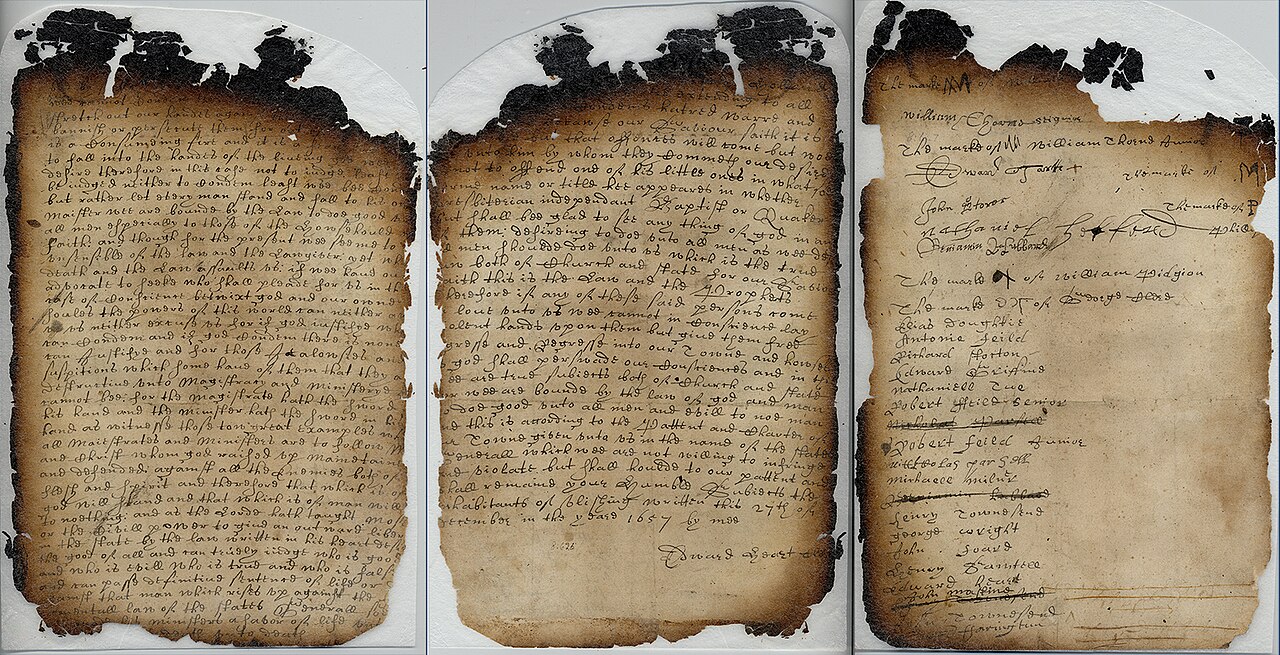 Document
Primary source
Flushing Remonstrance
Edward Hart · 27 December 1657
 Document
Primary source
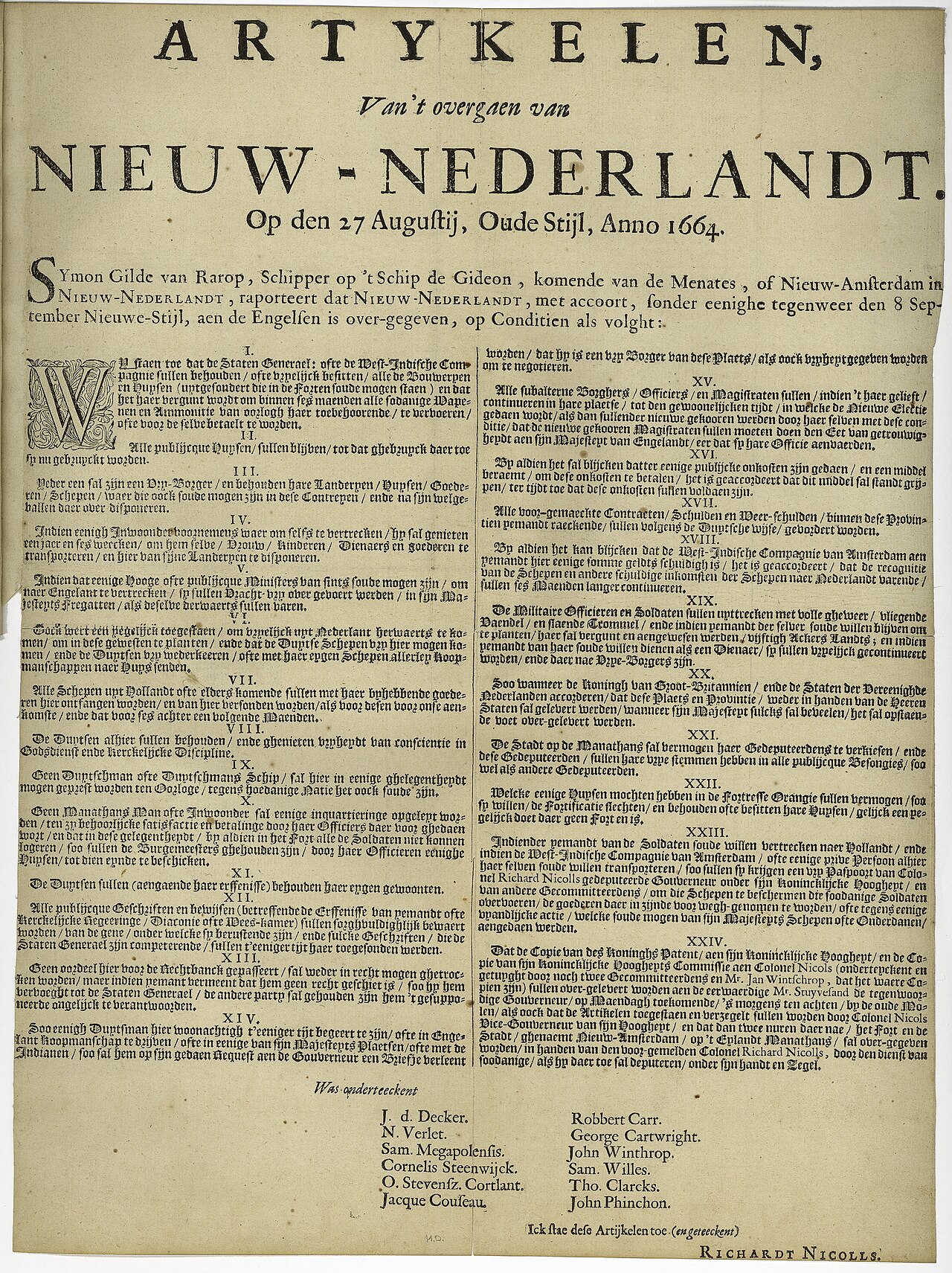
Articles of Capitulation on the Reduction of New Netherland
29 September 1664
 Painting
Primary source
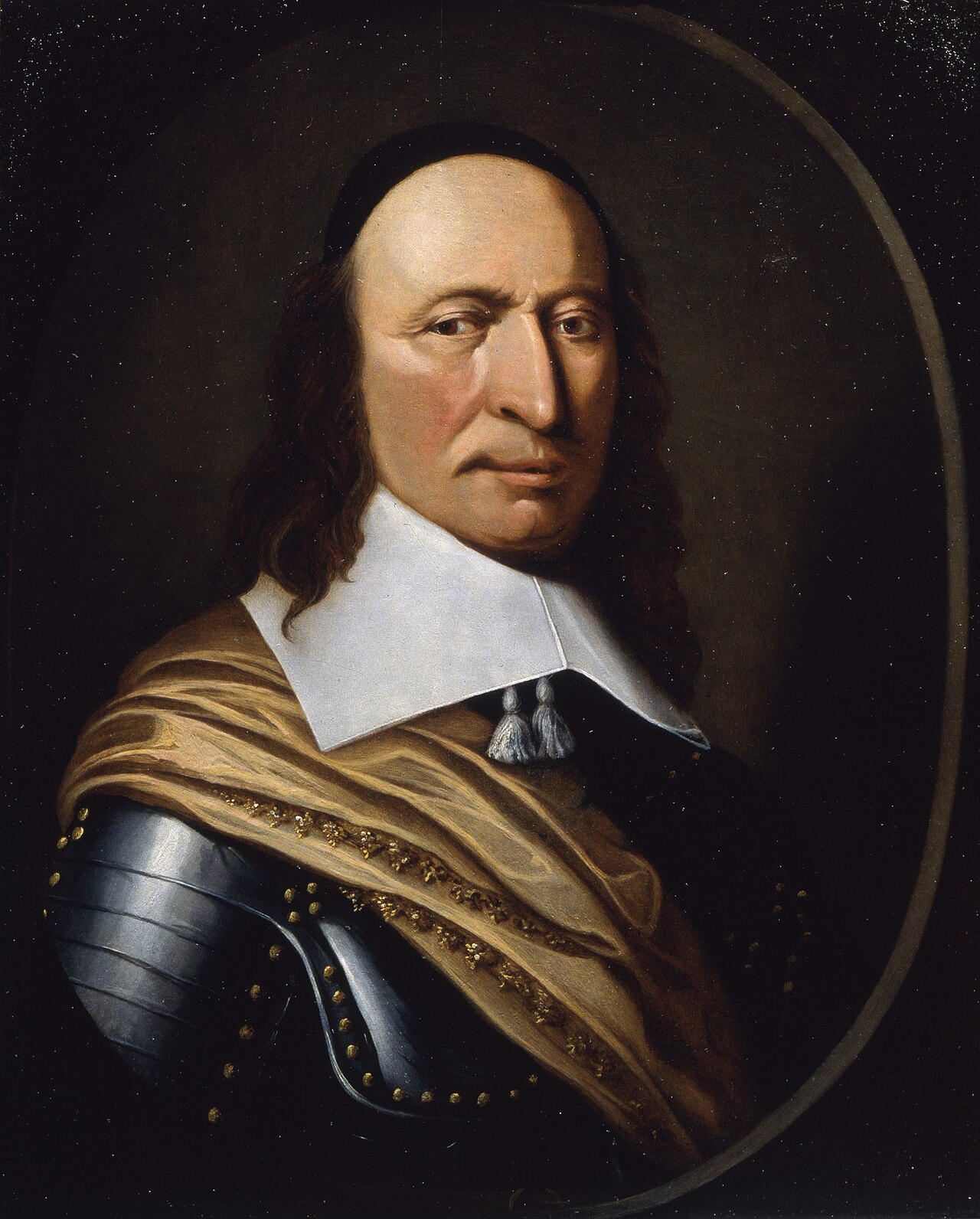
Petrus (Peter) Stuyvesant
Hendrick Couturier (attributed) · 1652
Secondary source
Laws and Ordinances of New Netherland, 1638–1674
E. B. O'Callaghan · 1647–1664 (compiled 1868)
 Artifact
Primary source
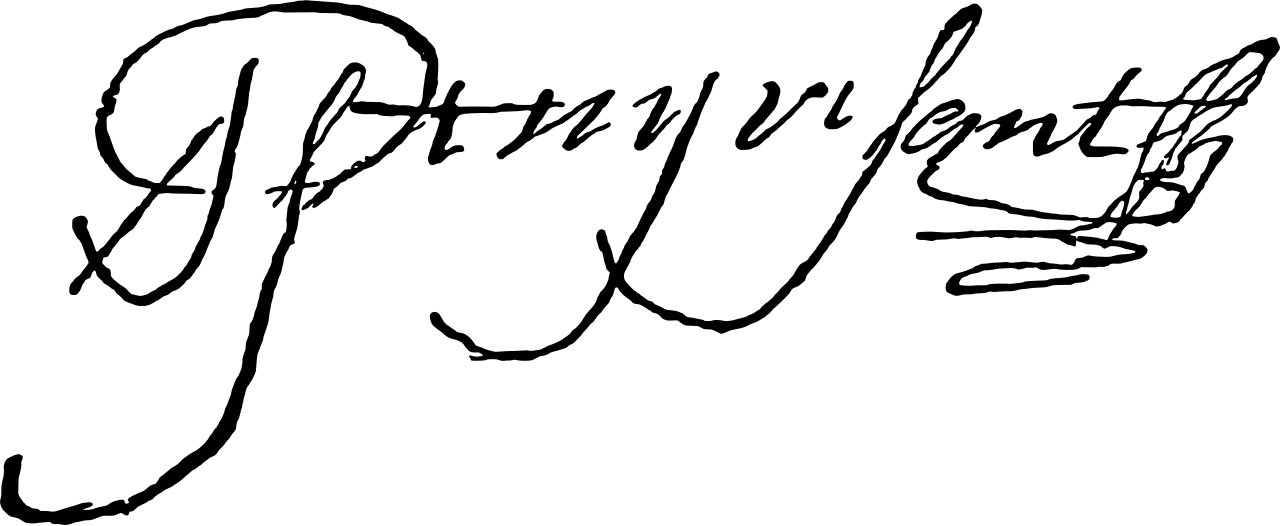
Signature of Peter Stuyvesant
Peter Stuyvesant
Ready when you are
Start chatting with Peter Stuyvesant now.
20 messages free · No credit card · Available in 50+ languages.