


Primary sourcePaintingc. 1558
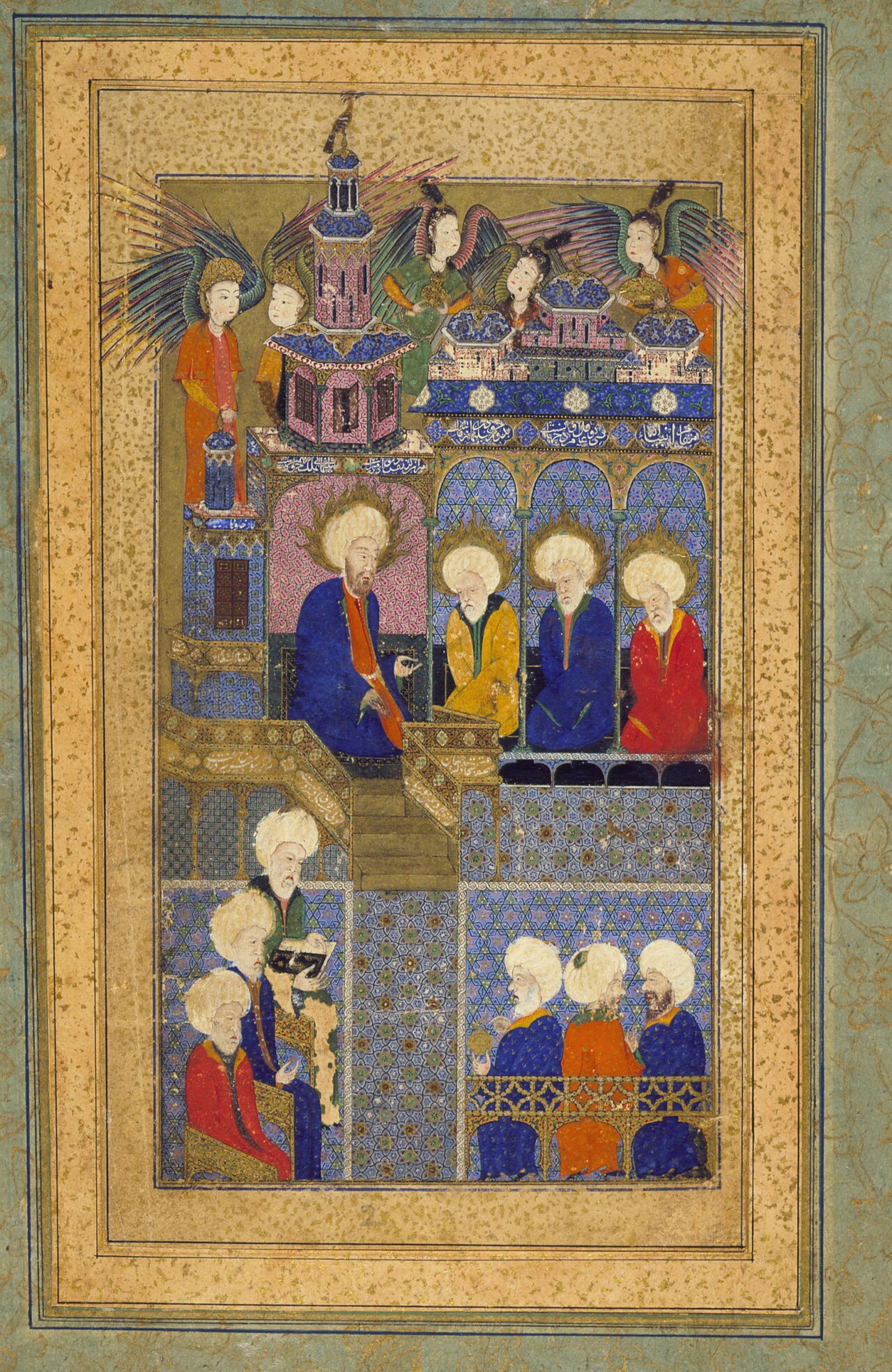
Sultan Suleyman as King Solomon, Shahnama-i al-i Osman
Arifi · c. 1558
A manuscript painting by Arifi from around 1558 portraying Suleiman as the biblical King Solomon, enthroned among courtiers and angels.
This manuscript page casts Suleiman as King Solomon, revealing how his court built an image of his wisdom and legitimacy.
About this source
What it is
This is a page from an illustrated Ottoman manuscript, painted around 1558 by the court artist Arifi. It shows a turbaned ruler on a throne, surrounded by courtiers and winged figures, and is held in a museum's Islamic art collection.
Why it matters
By depicting Suleiman in the guise of King Solomon, a wise and powerful ruler shared by Islamic, Jewish and Christian traditions, the painting promotes an image of Suleiman as a divinely sanctioned, wise and just sovereign. It shows how Ottoman court artists built an imperial ideology around the sultan, linking him to legendary rulers of the past.
Look closer
- Why would comparing a sultan to King Solomon strengthen his authority?
- What details in the painting (throne, angels, courtiers) suggest status and legitimacy?
- Who do you think this image was meant to be seen by, and why?
This painting is part of the curated material that grounds the AI version of Suleiman the Magnificent on Humy.ai — when students ask about related events, the AI can quote it and cite it.
More Suleiman the Magnificent sources
Meet the AI Suleiman the Magnificent →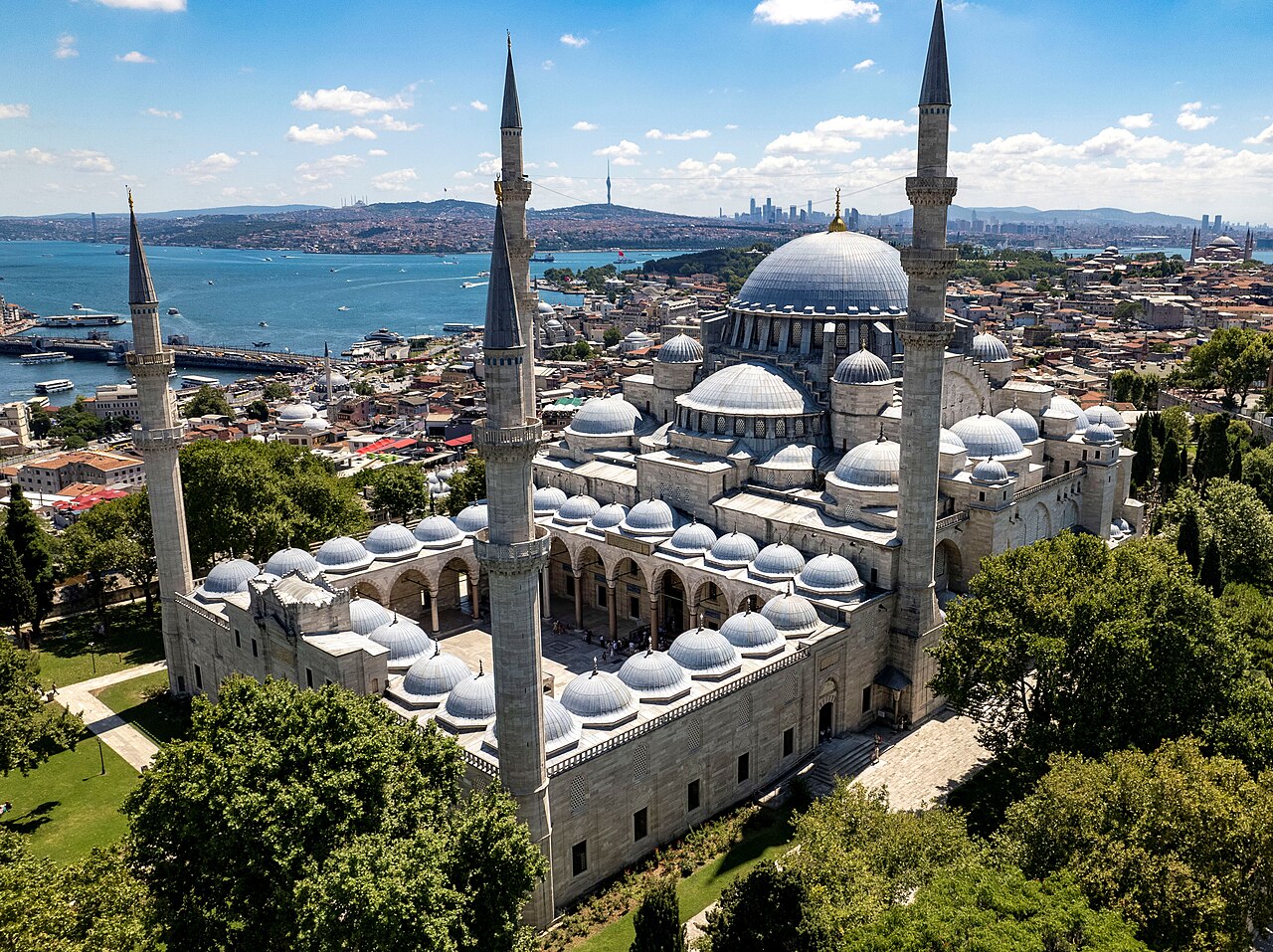 Artifact
Primary source
Süleymaniye Mosque
Mimar Sinan · 1550-1557
 Letter
Primary source
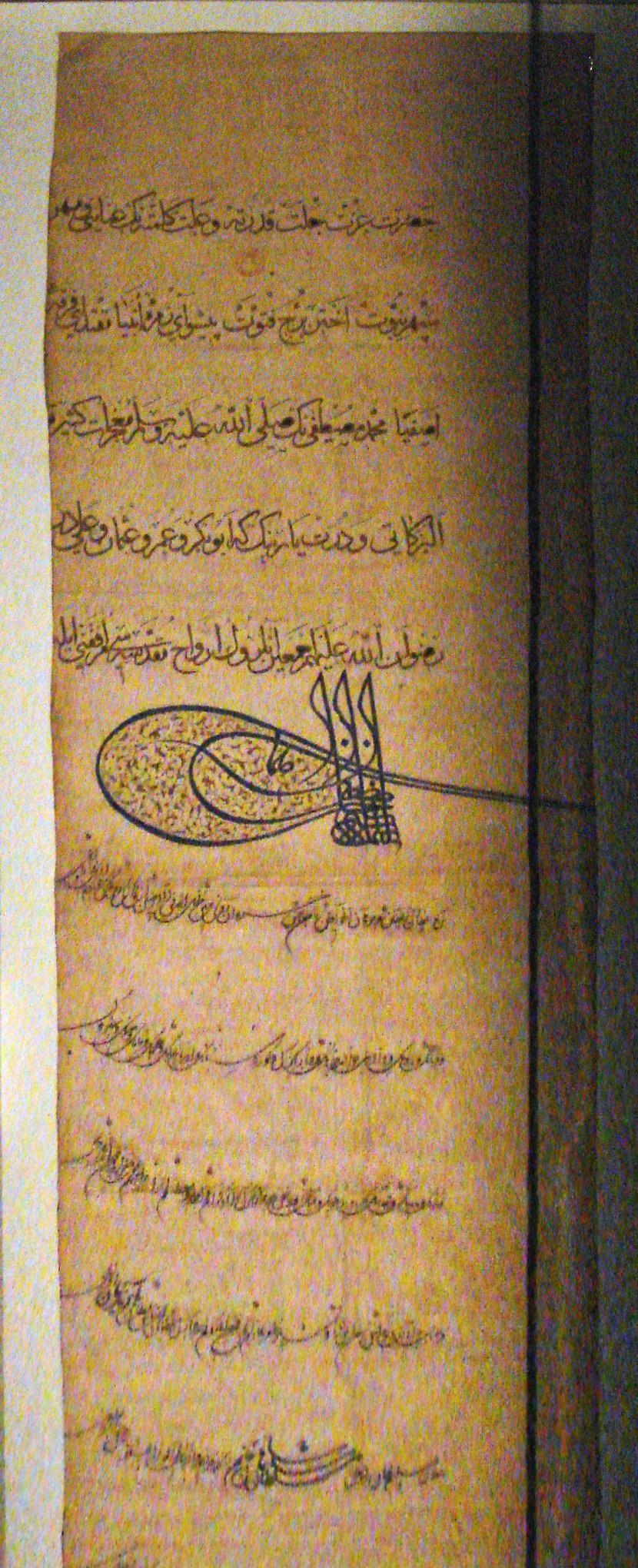
Letter to the King of France
Suleiman the Magnificent · 1526
 Painting
Primary source
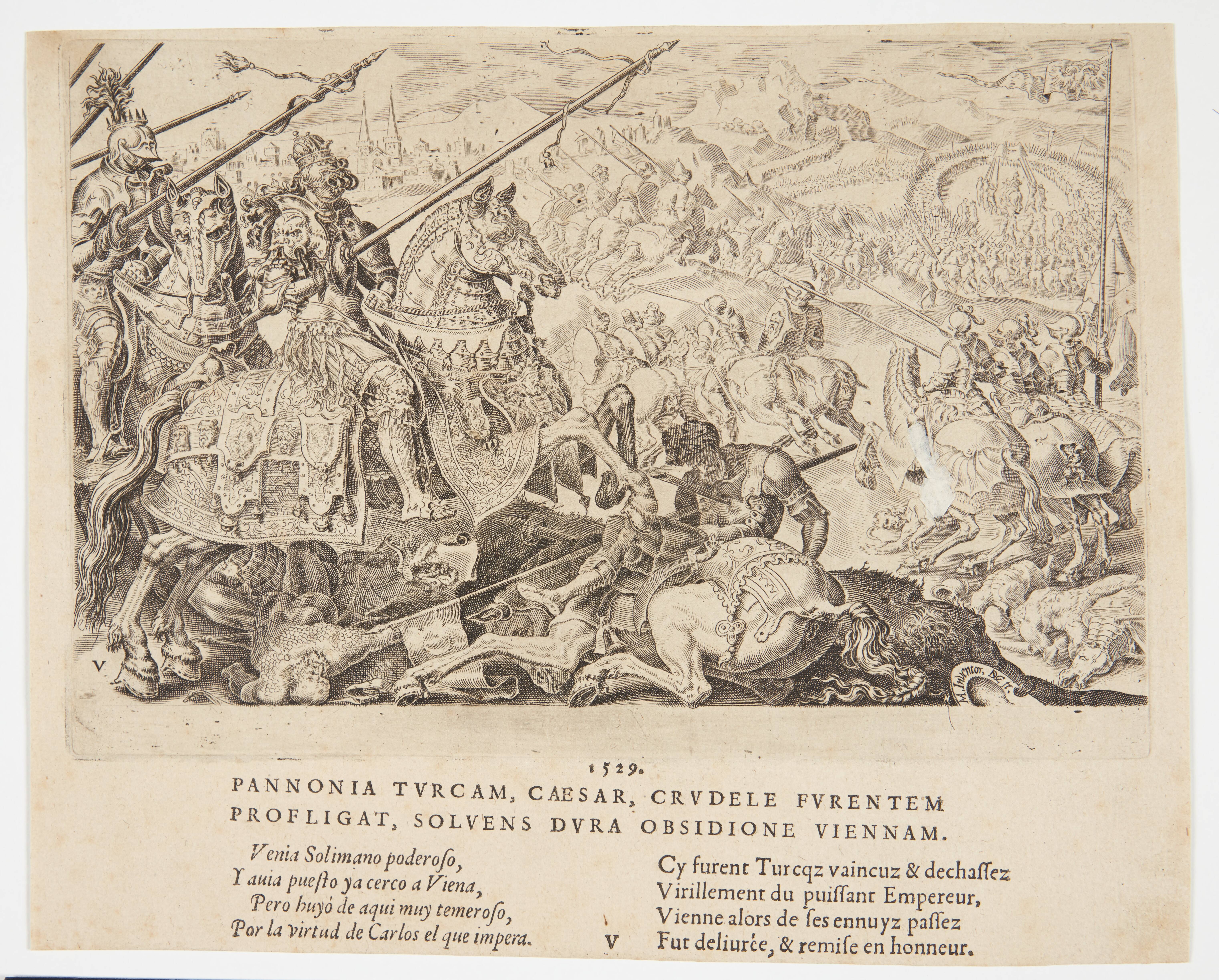
Suleiman the Magnificent Forced to Raise the Siege of Vienna
1555
 Painting
Secondary source
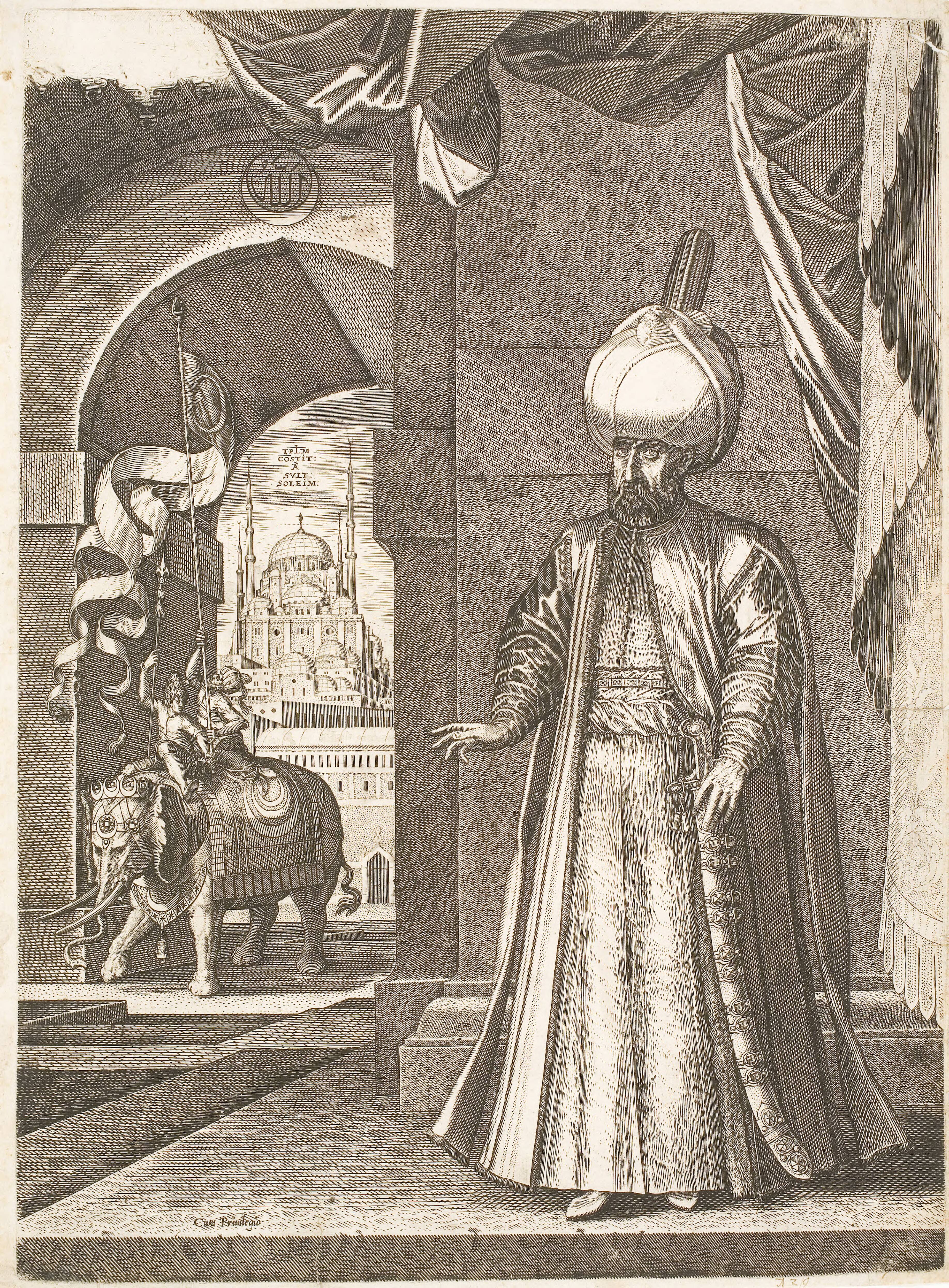
Standing Portrait of Sultan Suleiman the Magnificent
1574
 Artifact
Primary source
Tughra of Suleiman the Magnificent
Ready when you are
Start chatting with Suleiman the Magnificent now.
20 messages free · No credit card · Available in 50+ languages.