


Primary sourceArtifact1585 (rebuilt 1607, 1610)
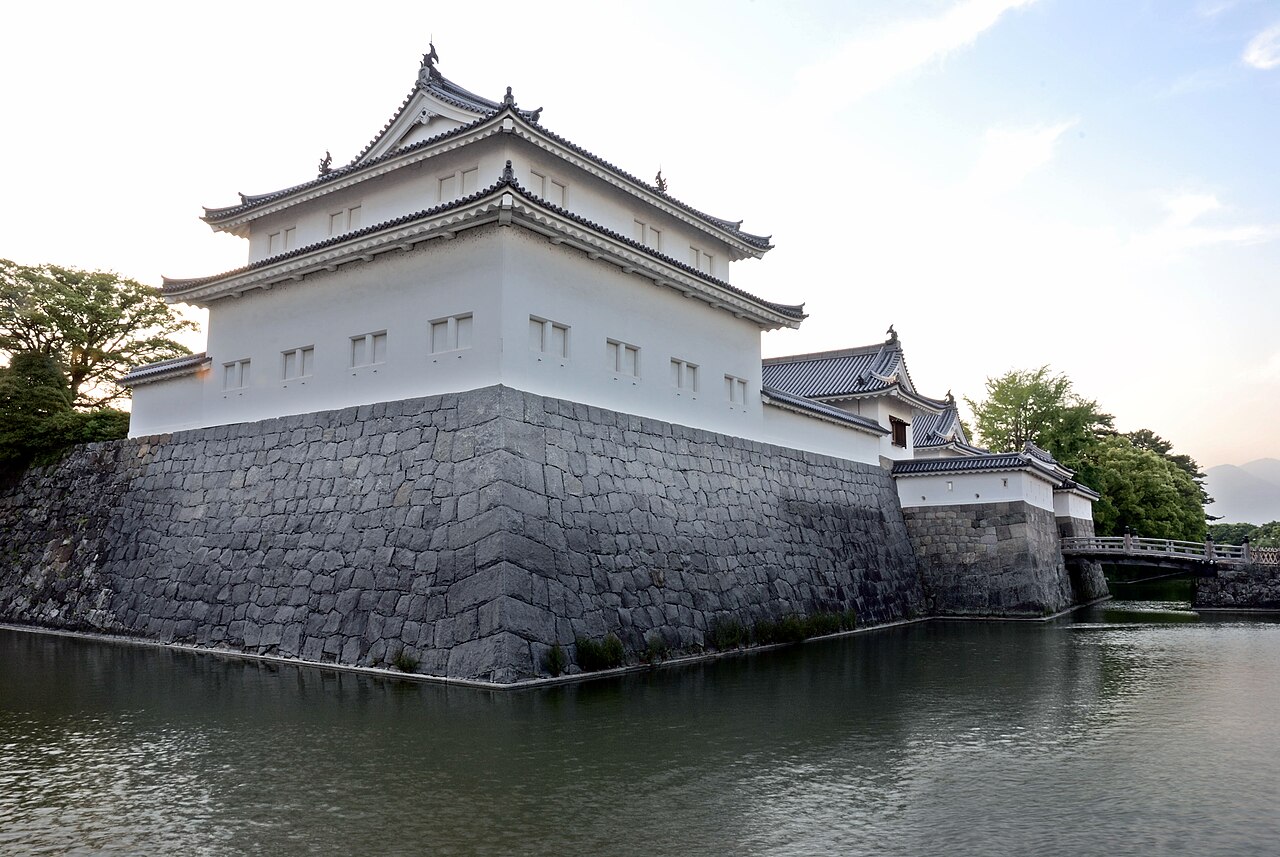
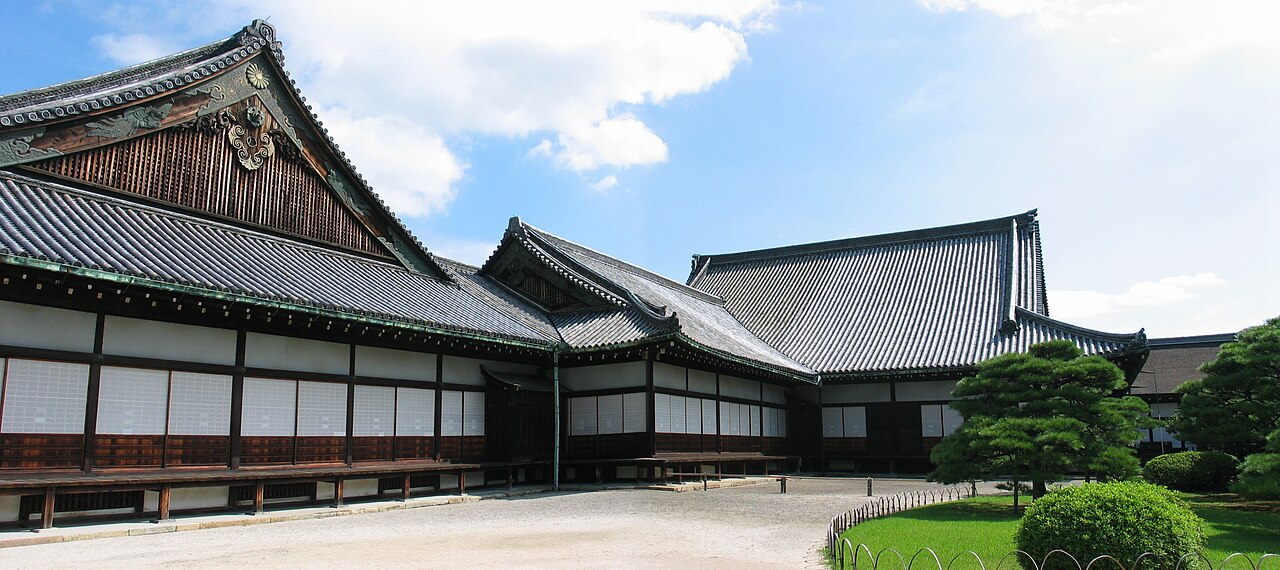
Sunpu Castle
1585 (rebuilt 1607, 1610)
The castle Tokugawa Ieyasu built and later ruled from as ōgosho after retiring from the shogunate in 1605.
Ieyasu built this castle and ruled Japan from it as ōgosho after his formal retirement in 1605.
About this source
What it is
Sunpu Castle, in present-day Shizuoka City, was built by Tokugawa Ieyasu in 1585 on the site of a former Imagawa residence. After Ieyasu formally retired as shogun in favor of his son Hidetada, he based himself here as ōgosho, continuing to rule from behind the scenes. Daimyōs from across Japan were ordered to help rebuild it in 1607, and again after a fire in 1610.
Why it matters
Sunpu Castle shows how Ieyasu kept real power even after officially stepping down, directing government and foreign policy from here until his death. It was also the site of a meeting between Ieyasu and the English trader John Saris with William Adams, showing Japan's early contact with European trade. Ordering lords nationwide to rebuild the castle also reinforced Tokugawa authority over rivals.
Look closer
- Why would a 'retired' ruler choose to keep running the government from a separate castle?
- What does it suggest about Ieyasu's control that other lords were ordered to fund his castle's reconstruction?
- Why might meeting foreign traders here, rather than in Edo, have mattered?
This artifact is part of the curated material that grounds the AI version of Tokugawa Ieyasu on Humy.ai — when students ask about related events, the AI can quote it and cite it.
More Tokugawa Ieyasu sources
Browse all 94 →Primary source
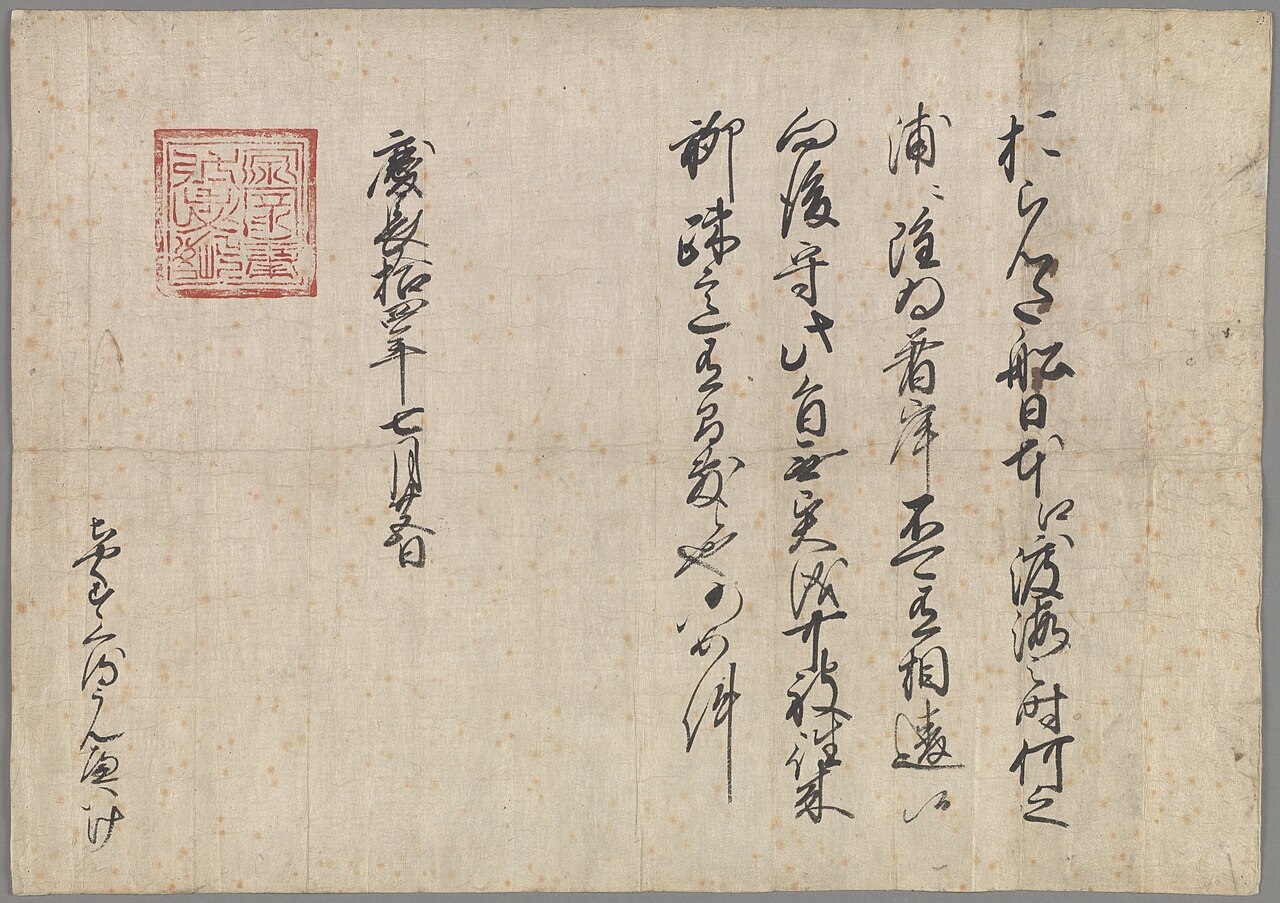
Kinchū narabini Kuge Shohatto
Tokugawa Ieyasu · 1615
 Document
Primary source
Trading Pass for Dutch Ships in Japan
Tokugawa Ieyasu · 24 August 1609
 Letter
Primary source
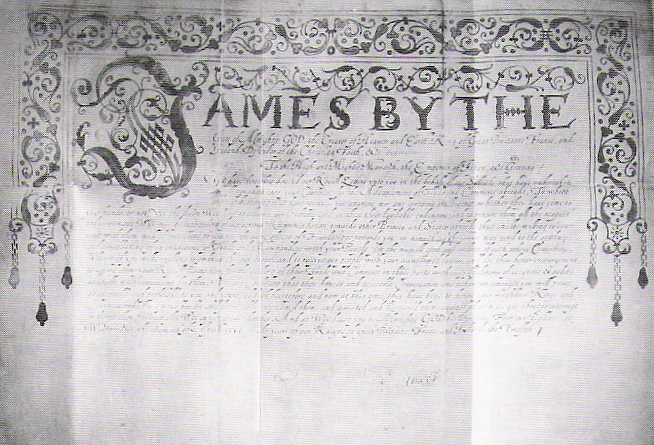
Letter of King James to Tokugawa Ieyasu
James VI and I · 1613
 Artifact
Secondary source
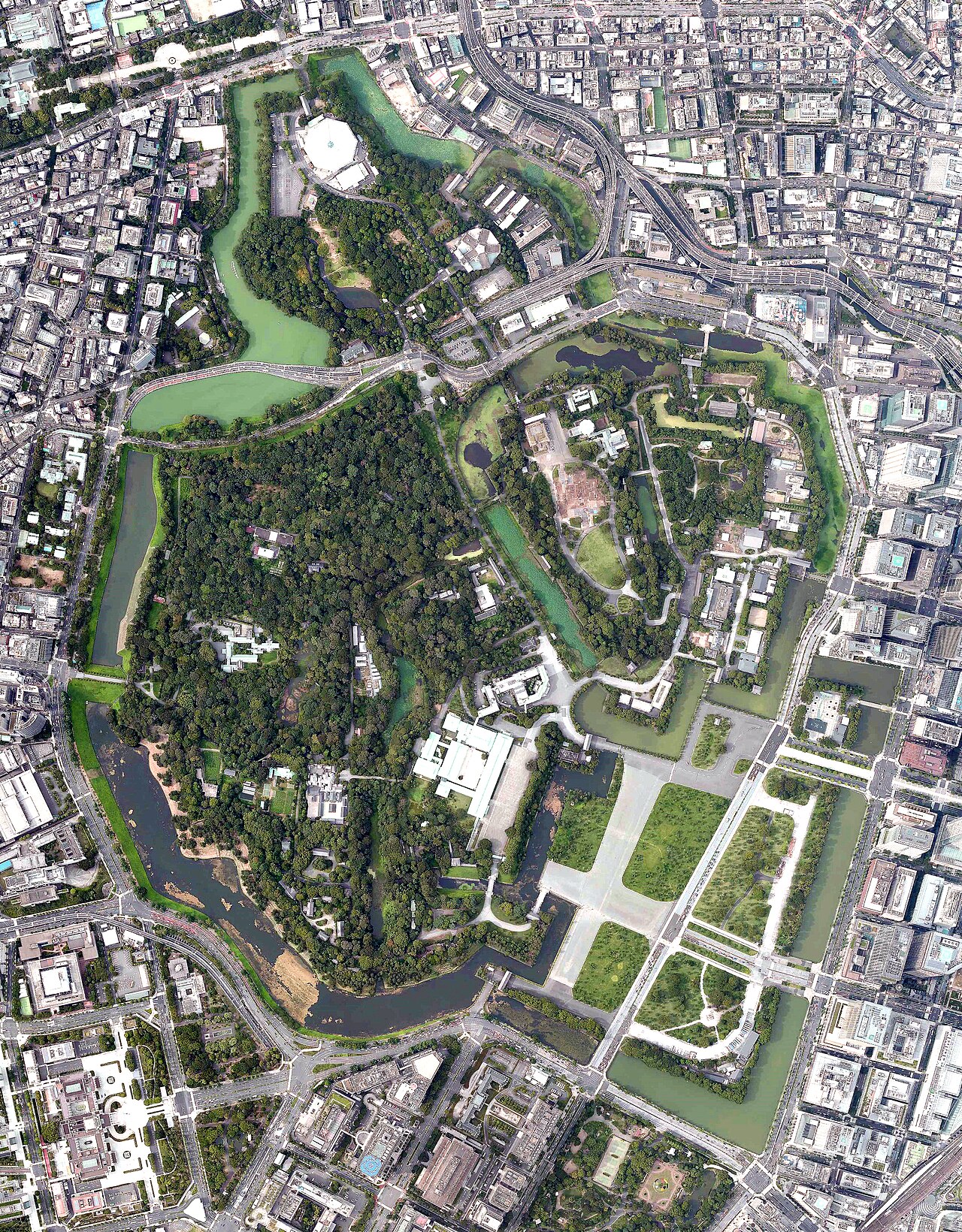
Edo Castle
Ōta Dōkan · 1457; expanded from 1590
Free account
Read every Tokugawa Ieyasu source
Sign up free →
Ready when you are
Start chatting with Tokugawa Ieyasu now.
20 messages free · No credit card · Available in 50+ languages.