


Primary sourcePainting1843
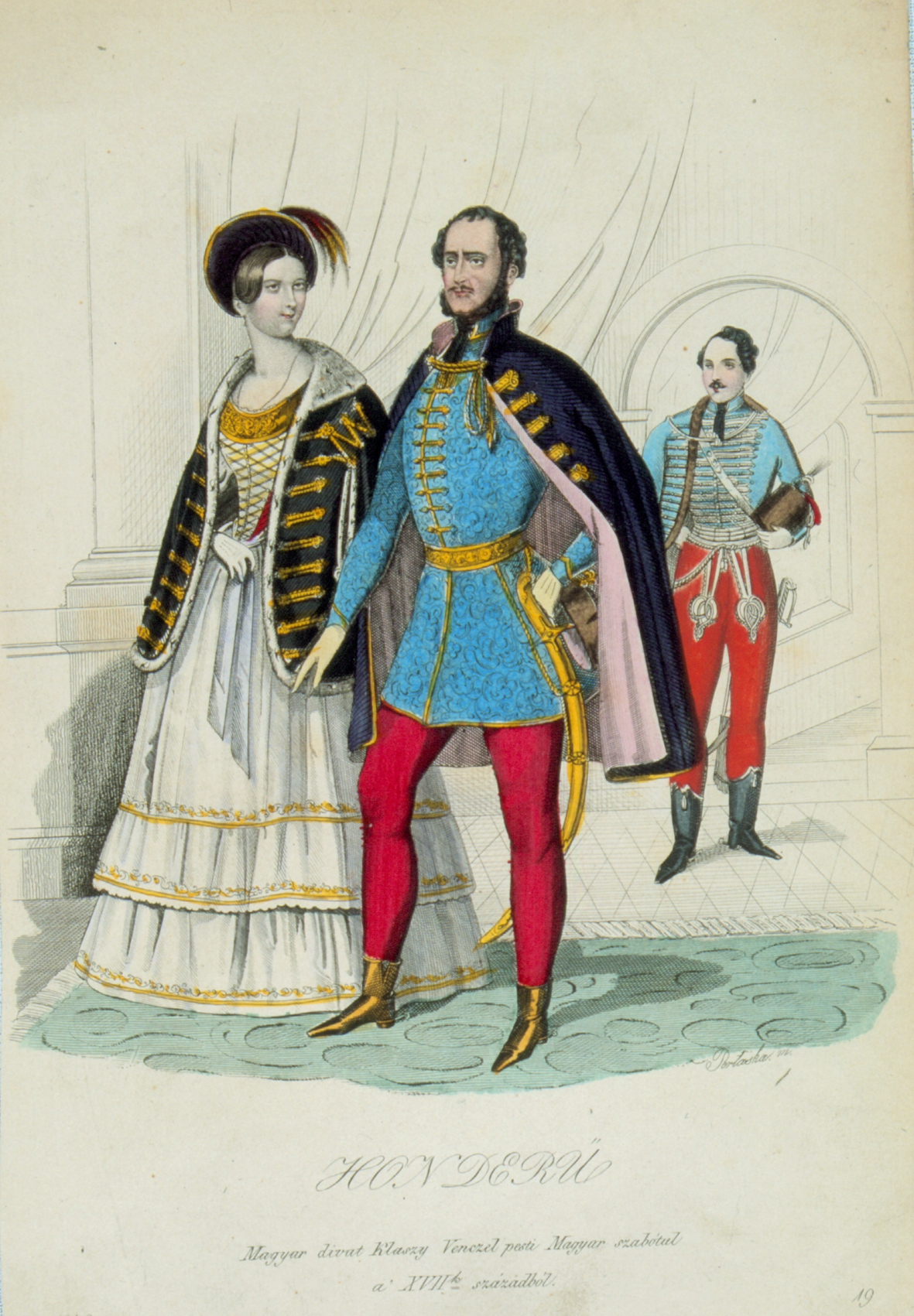
Széchenyi and His Wife in Honderű
Perlasca Domokos · 1843
A hand-colored 1843 illustration from the journal Honderű showing Széchenyi with his wife in fashionable dress.
This magazine illustration shows Széchenyi with his wife, reflecting his social standing and public image in 1843.
About this source
What it is
This is a hand-colored print published in the journal Honderű in 1843, made by Perlasca Domokos. It shows Count István Széchenyi and his wife alongside an attendant in uniform.
Why it matters
Honderű was a Hungarian cultural and fashion periodical, and images like this show how public figures such as Széchenyi and his wife were presented to readers through fashion and social life, not only politics. It gives a glimpse into the elite social world Széchenyi moved in.
Look closer
- What does the clothing worn by the figures tell you about fashion and status at the time?
- Why might a magazine choose to depict a political figure in a fashion illustration rather than in a formal portrait?
- What is left out of this image that a more formal, political portrait might include?
This painting is part of the curated material that grounds the AI version of István Széchenyi on Humy.ai — when students ask about related events, the AI can quote it and cite it.
More István Széchenyi sources
Browse all 88 →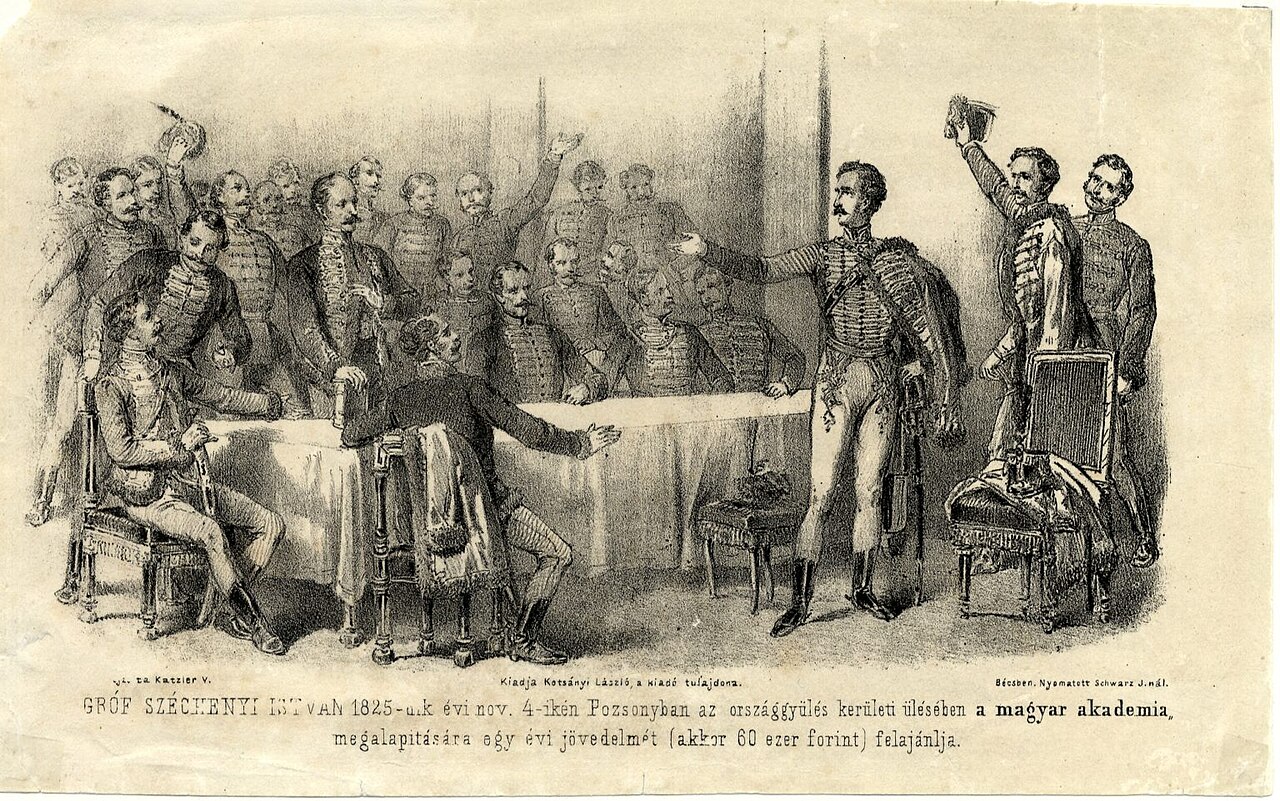 Painting
Secondary source
Széchenyi felajánlása
Vinzenz Katzler
 Artifact
Secondary source
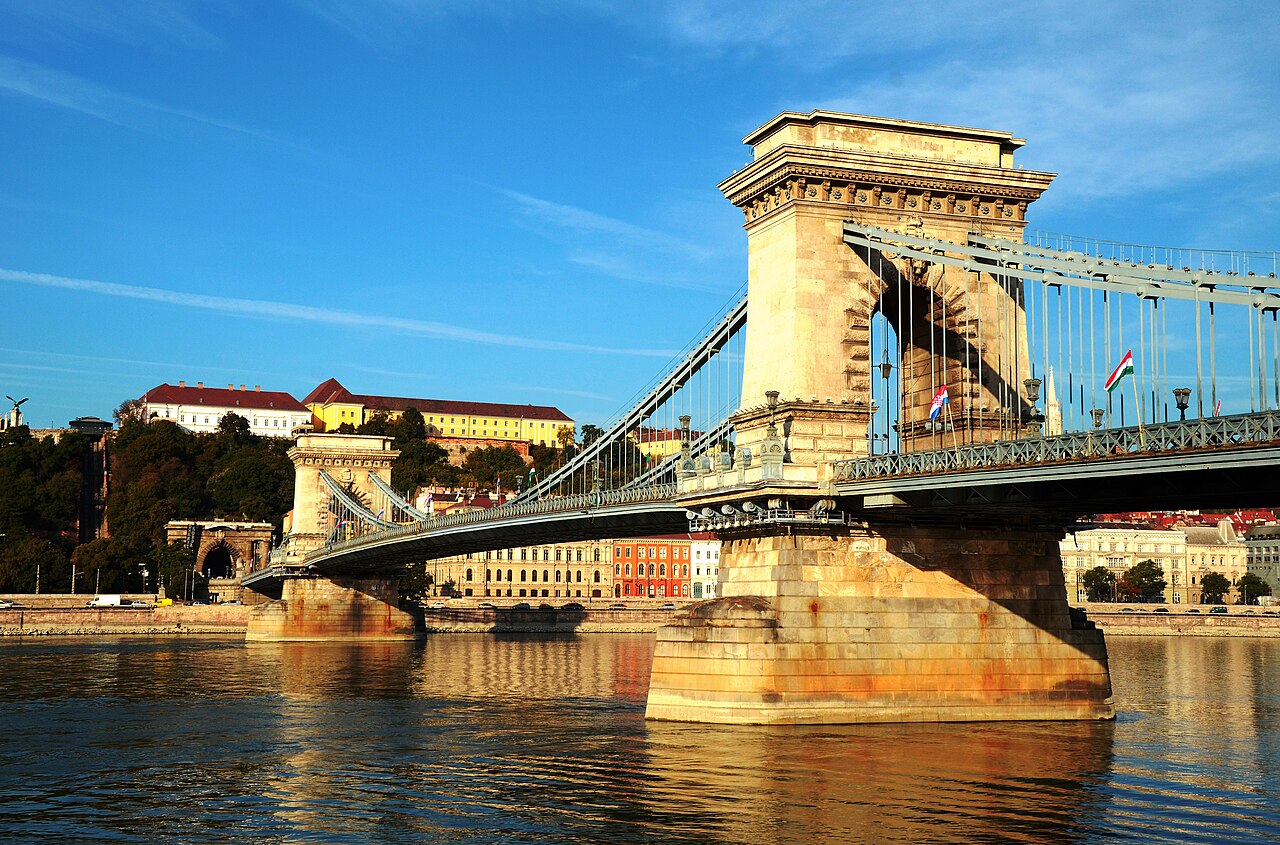
Széchenyi Chain Bridge
William Tierney Clark · 1839-1849
 Painting
Primary source
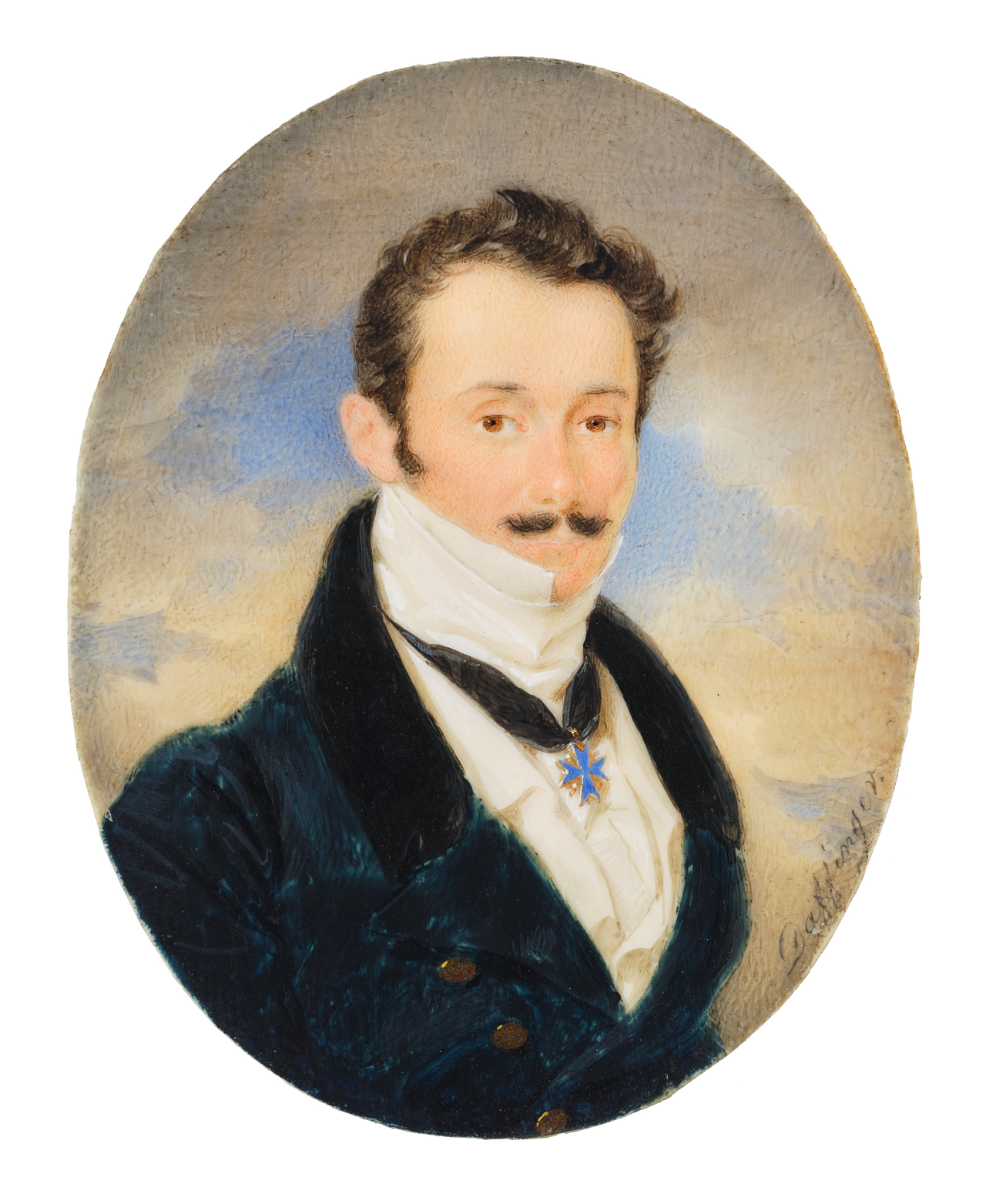
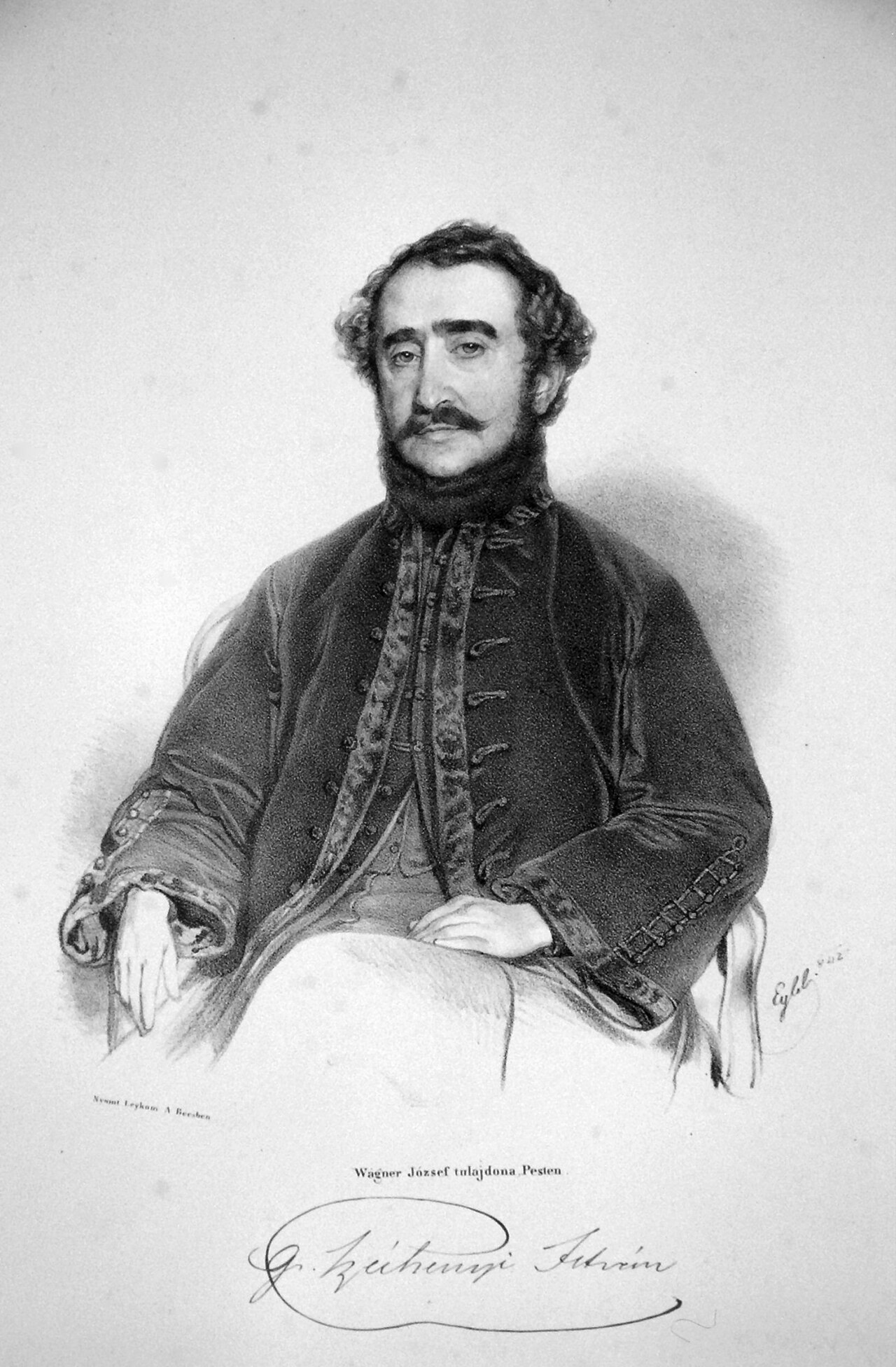
Three-quarter Length Portrait of Count István Széchenyi
Moritz Michael Daffinger · c. early 19th century
 Painting
Primary source
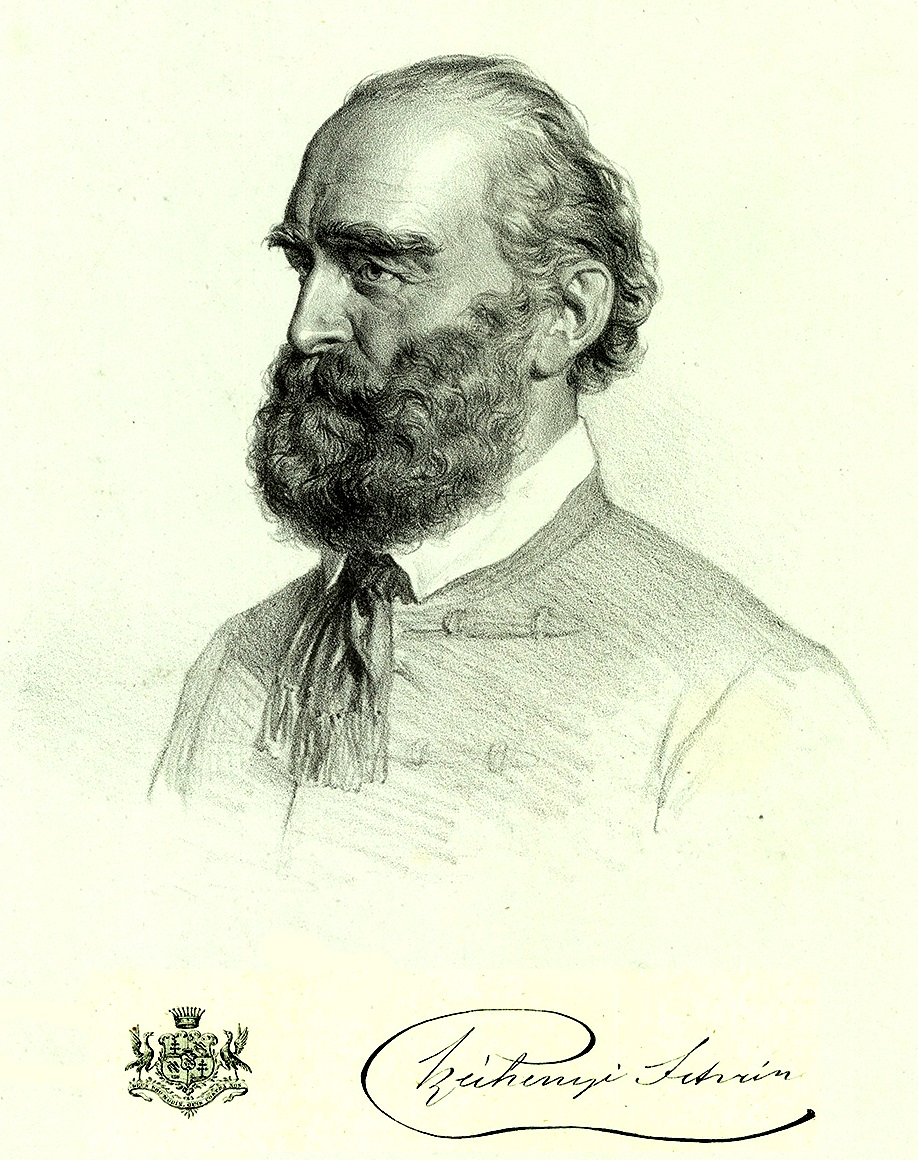
István Széchenyi, Lithograph by Franz Eybl
Franz Eybl · 1842
Free account
Read every István Széchenyi source
Sign up free →
Ready when you are
Start chatting with István Széchenyi now.
20 messages free · No credit card · Available in 50+ languages.