


Secondary sourceSculpture2011
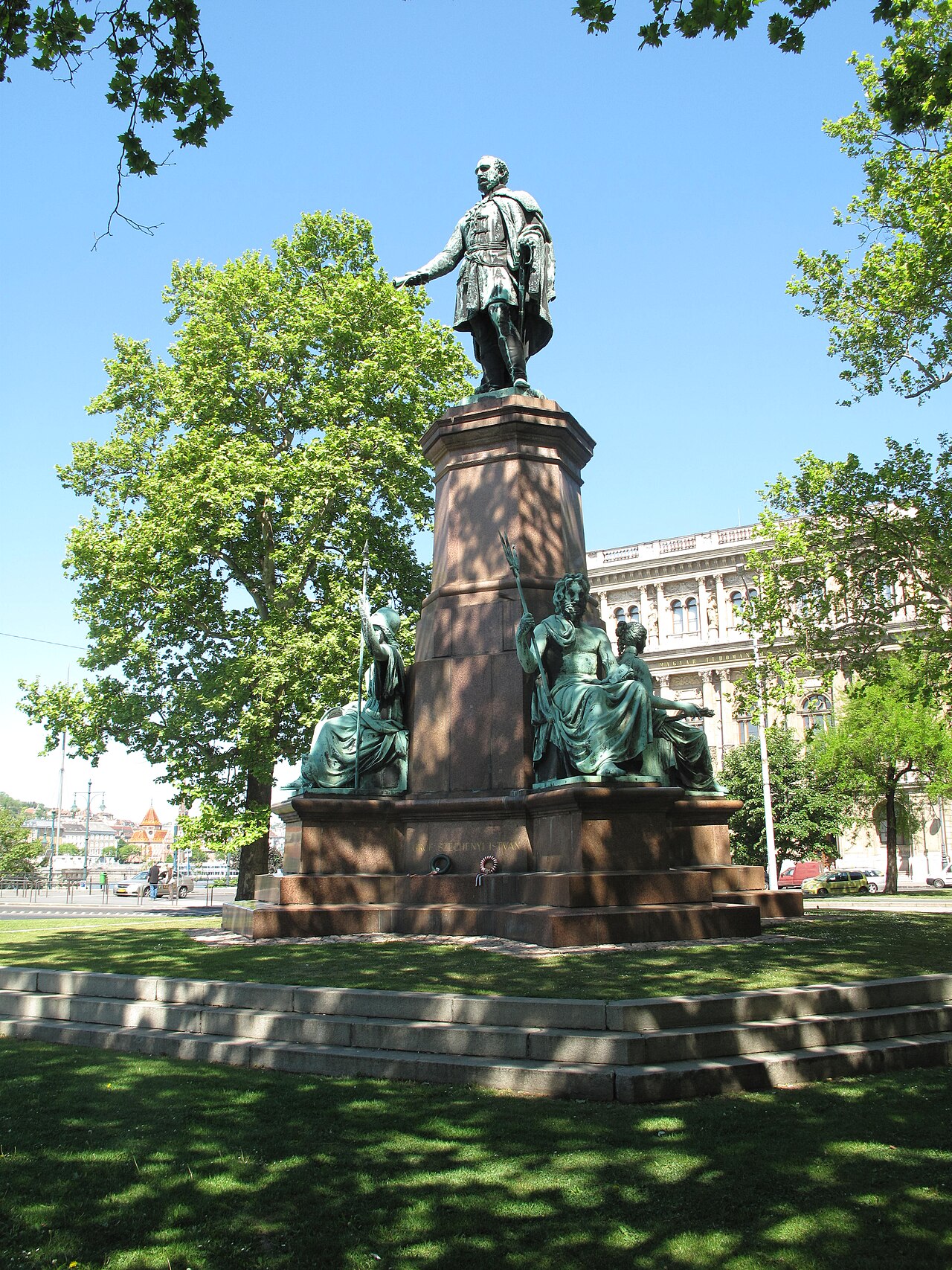
Széchenyi monument by József Engel with Vulcan and Neptune, 2011
József Engel · 2011
A 2011 photograph of the Széchenyi monument in Budapest, designed by József Engel, showing the standing bronze figure and its two seated allegorical figures at the base.
Shows how Széchenyi is commemorated in Budapest through a bronze monument designed to honour him in a public space.
About this source
What it is
This is a photograph of the Széchenyi monument in Budapest, taken in 2011 and credited to the Commons user Dezidor. It shows a bronze statue of a man in a long cloak with one arm outstretched, standing on a tall reddish stone pedestal in a park. Two seated bronze allegorical figures sit at the base, one holding a spear. Trees and a large stone building appear behind it under a clear blue sky. The monument was designed by József Engel.
Why it matters
Monuments like this one were built to fix a national hero in public memory, often with allegorical figures that express ideas about strength and progress. Engel's design shows how later Hungarians chose to present Széchenyi in the heart of the capital, long after his death.
Look closer
- What do the two seated figures at the base seem to represent, and why might a sculptor add them?
- How does the outstretched arm of the standing figure change the way we read the monument?
- Who paid for and approved a monument like this, and whose stories might it leave out?
This sculpture is part of the curated material that grounds the AI version of István Széchenyi on Humy.ai — when students ask about related events, the AI can quote it and cite it.
More István Széchenyi sources
Browse all 88 →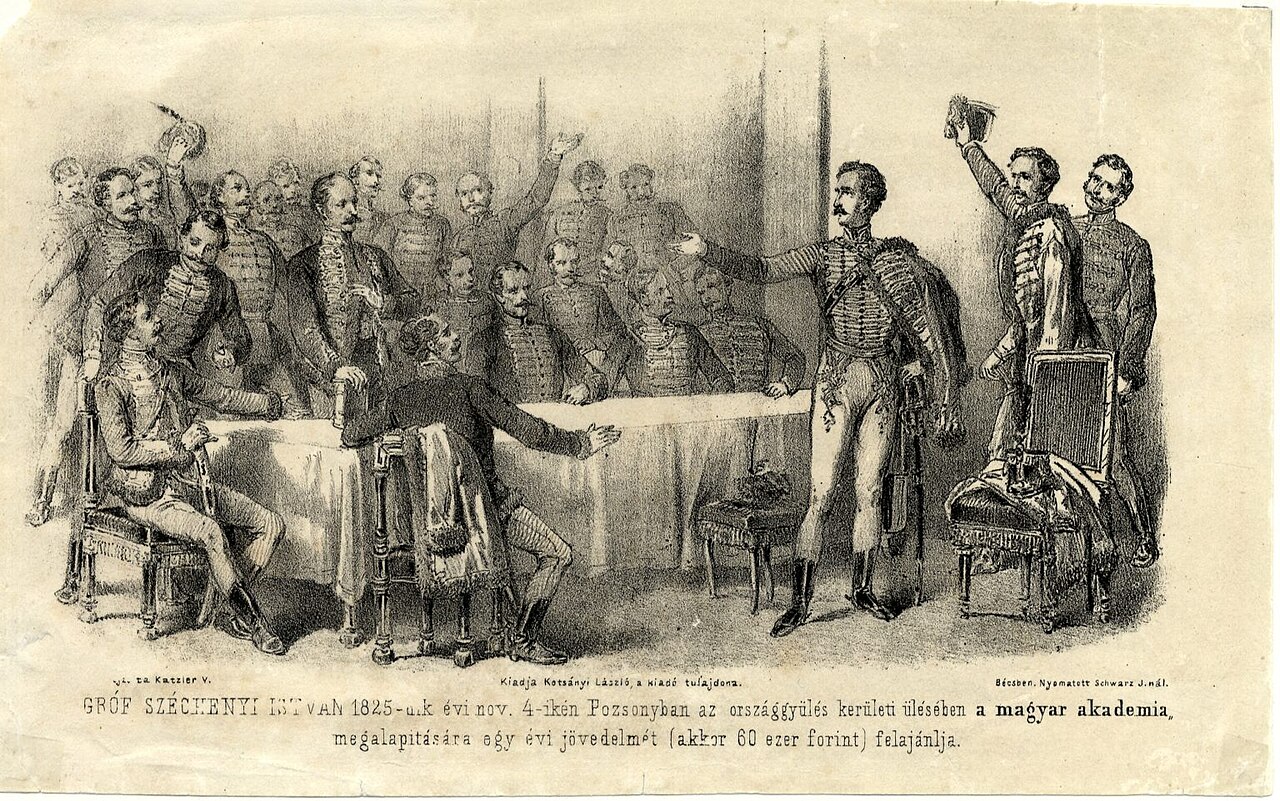 Painting
Secondary source
Széchenyi felajánlása
Vinzenz Katzler
 Artifact
Secondary source
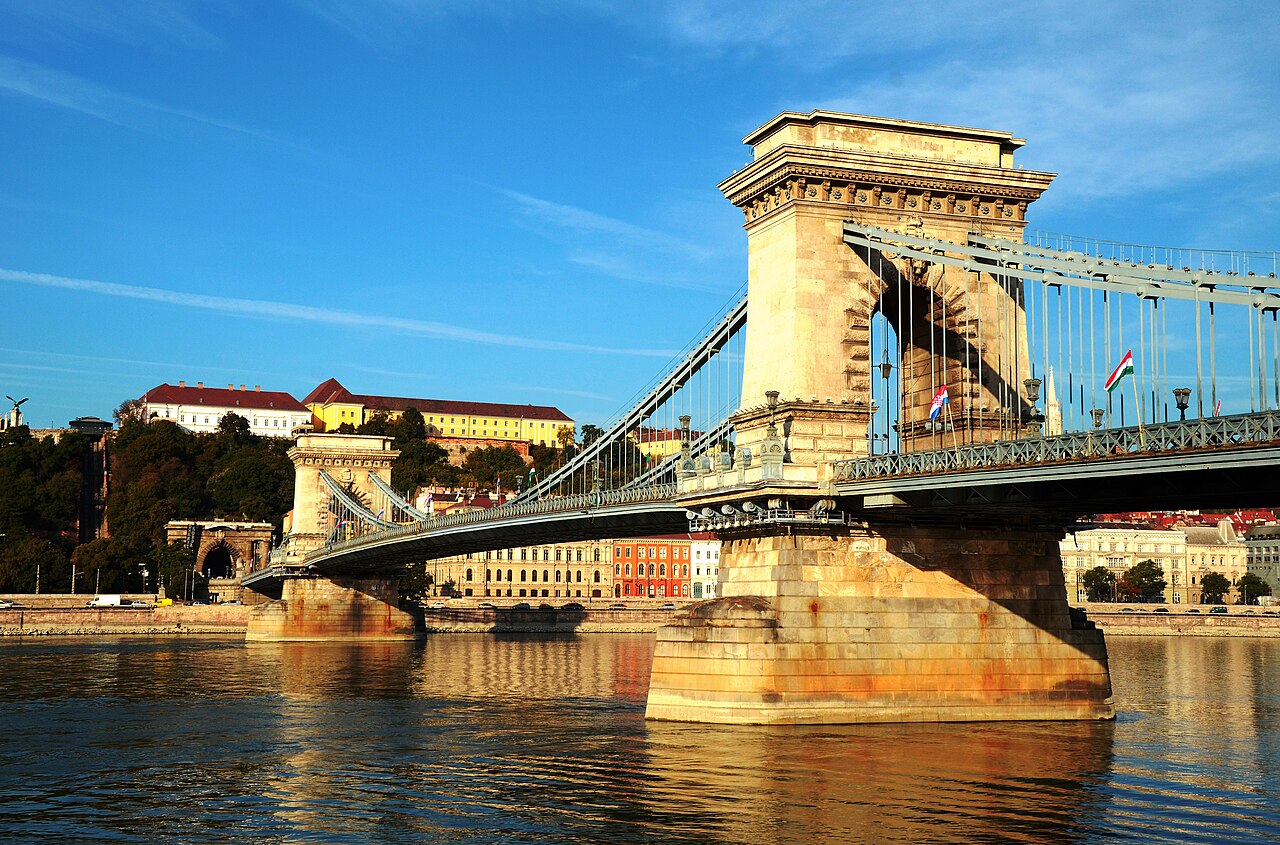
Széchenyi Chain Bridge
William Tierney Clark · 1839-1849
 Painting
Primary source
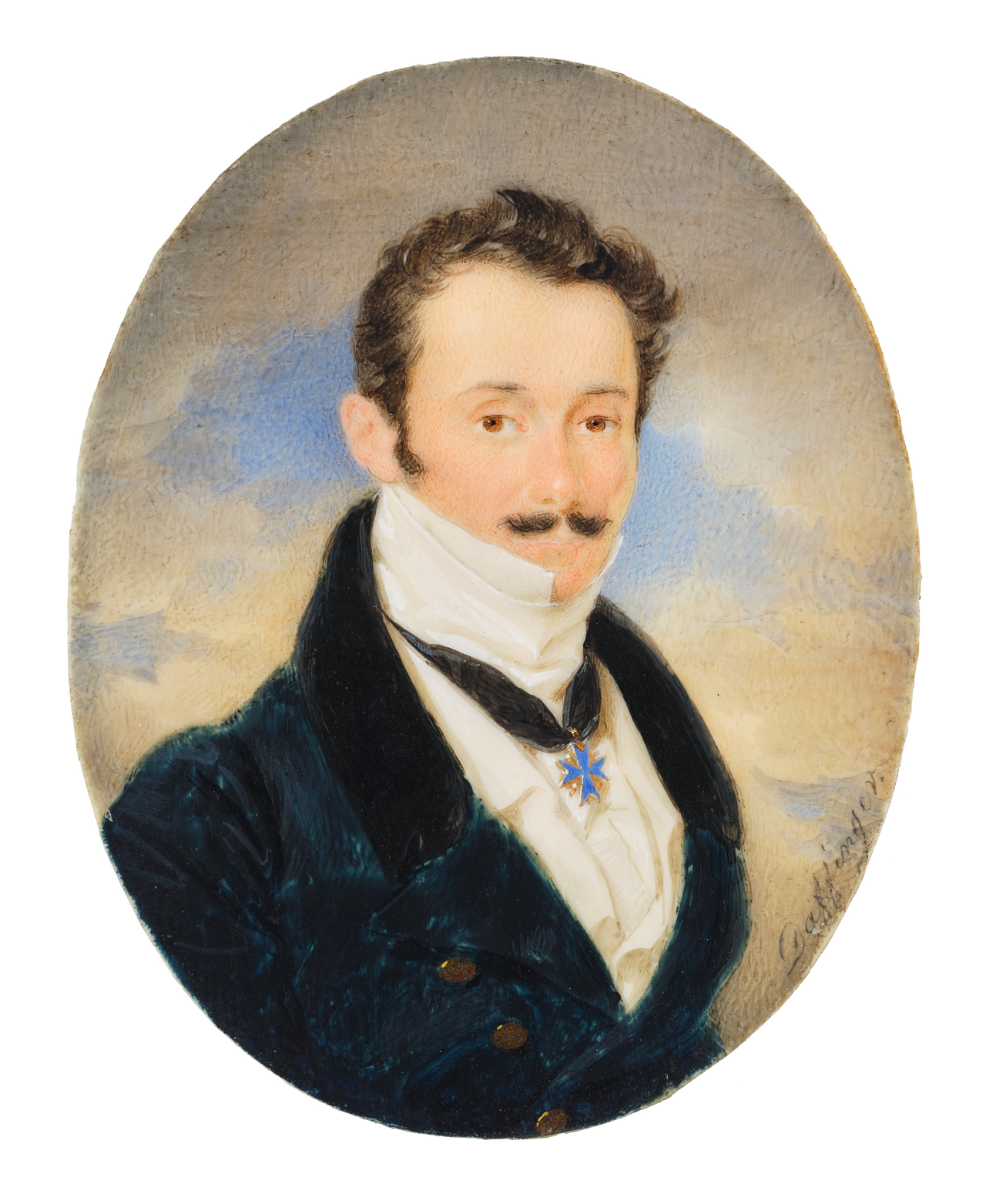
Three-quarter Length Portrait of Count István Széchenyi
Moritz Michael Daffinger · c. early 19th century
 Painting
Primary source
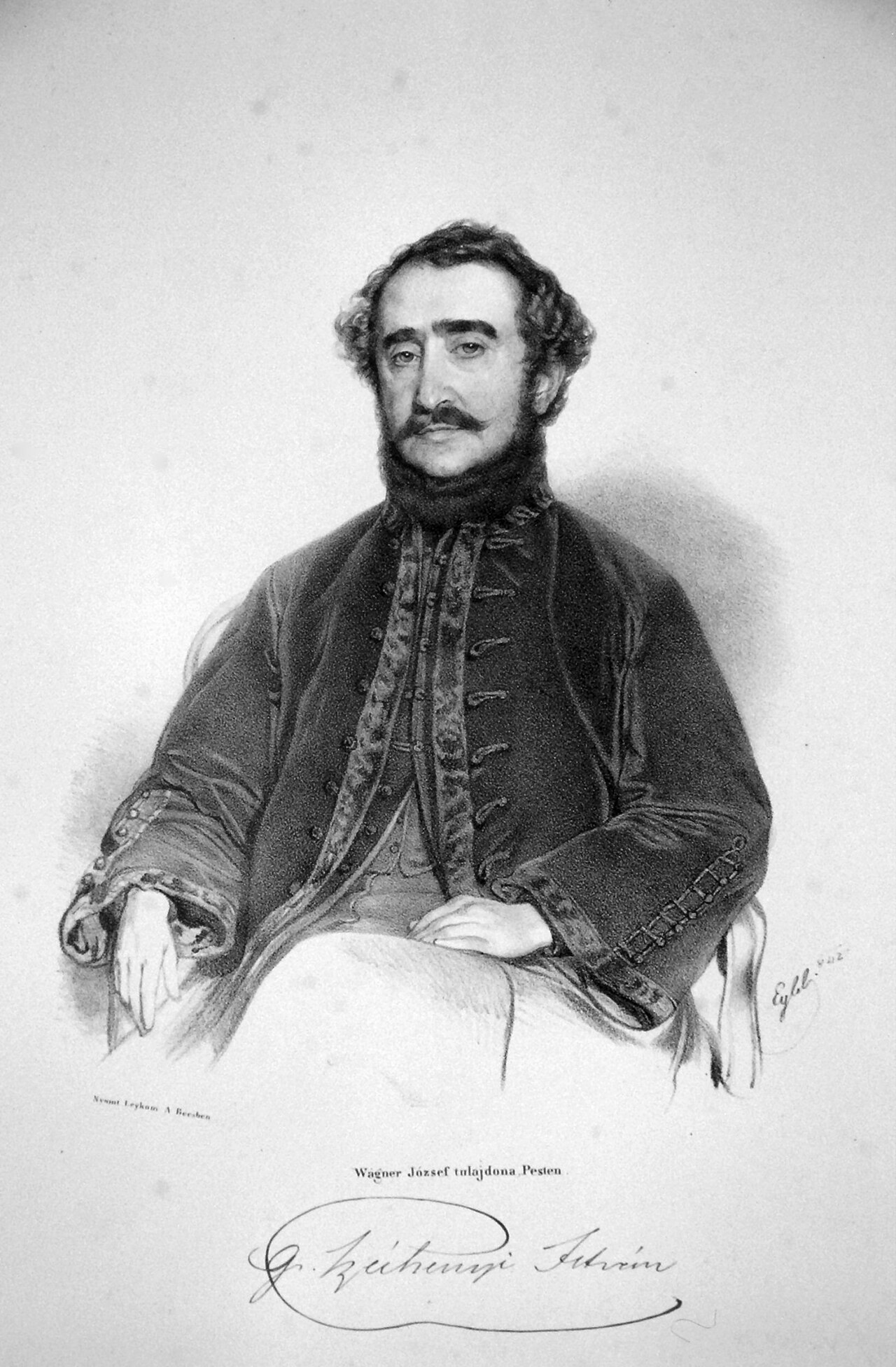
István Széchenyi, Lithograph by Franz Eybl
Franz Eybl · 1842
Free account
Read every István Széchenyi source
Sign up free →
Ready when you are
Start chatting with István Széchenyi now.
20 messages free · No credit card · Available in 50+ languages.