


Primary sourcePainting30 April 1860
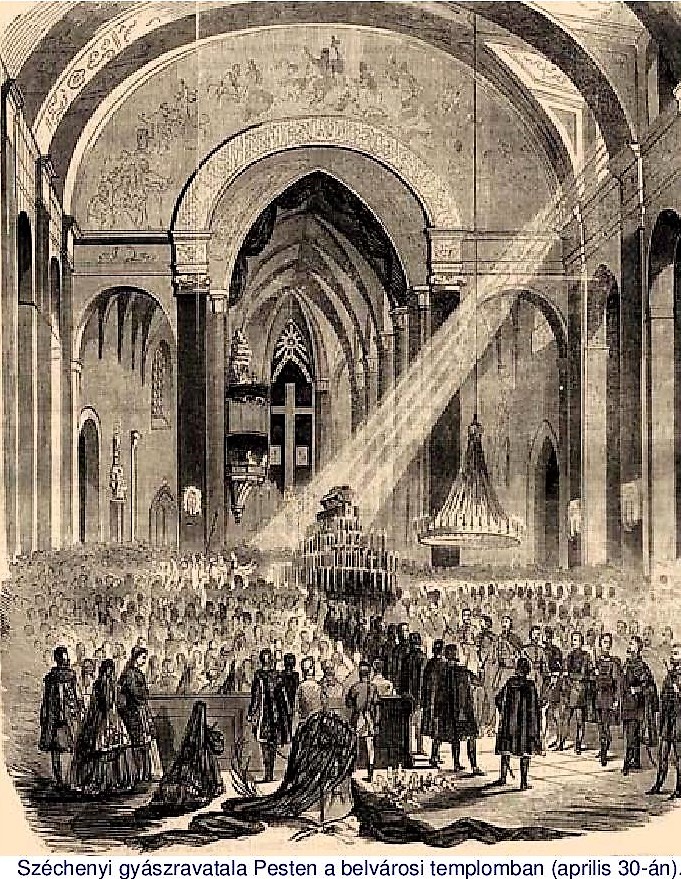
Széchenyi ravatala
Unknown · 30 April 1860
A print of Széchenyi's catafalque in the Pest Inner City church, showing the public mourning after his death in 1860.
Depicts Széchenyi's catafalque and the public mourning following his death in 1860.
About this source
What it is
This engraved print by an unknown artist shows the catafalque of István Széchenyi set up in the Pest Inner City church on 30 April 1860, after his death.
Why it matters
The scale and solemnity of the scene, with a crowd of mourners filling the church, shows how deeply Széchenyi's death was felt as a national loss. For many Hungarians he was seen as the "Greatest Hungarian," and his funeral became a moment of collective mourning and reflection on his legacy.
Look closer
- What does the composition — the light, the crowd, the draped catafalque — tell you about the mood the artist wanted to create?
- Why might an artist choose to record this funeral in a print meant for wide circulation?
- What does the size of the crowd suggest about Széchenyi's importance to his contemporaries?
This painting is part of the curated material that grounds the AI version of István Széchenyi on Humy.ai — when students ask about related events, the AI can quote it and cite it.
More István Széchenyi sources
Browse all 88 →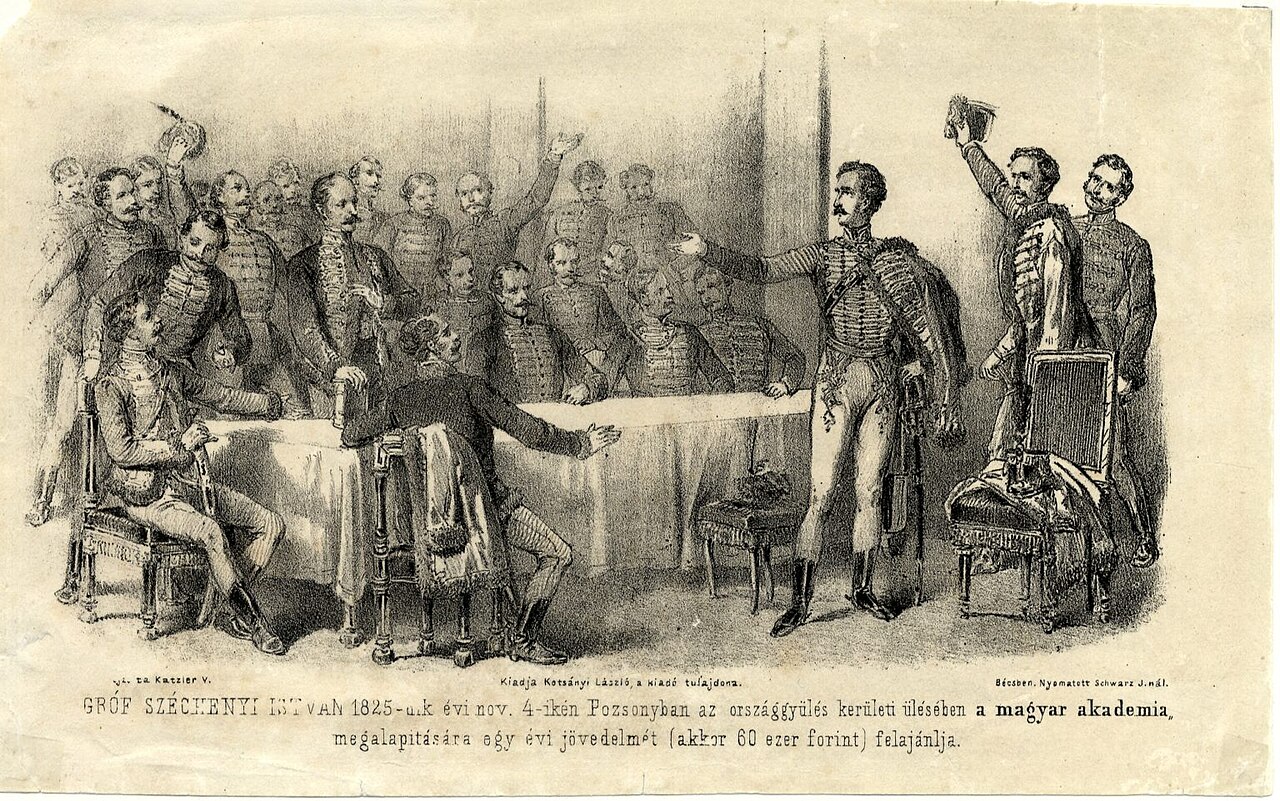 Painting
Secondary source
Széchenyi felajánlása
Vinzenz Katzler
 Artifact
Secondary source
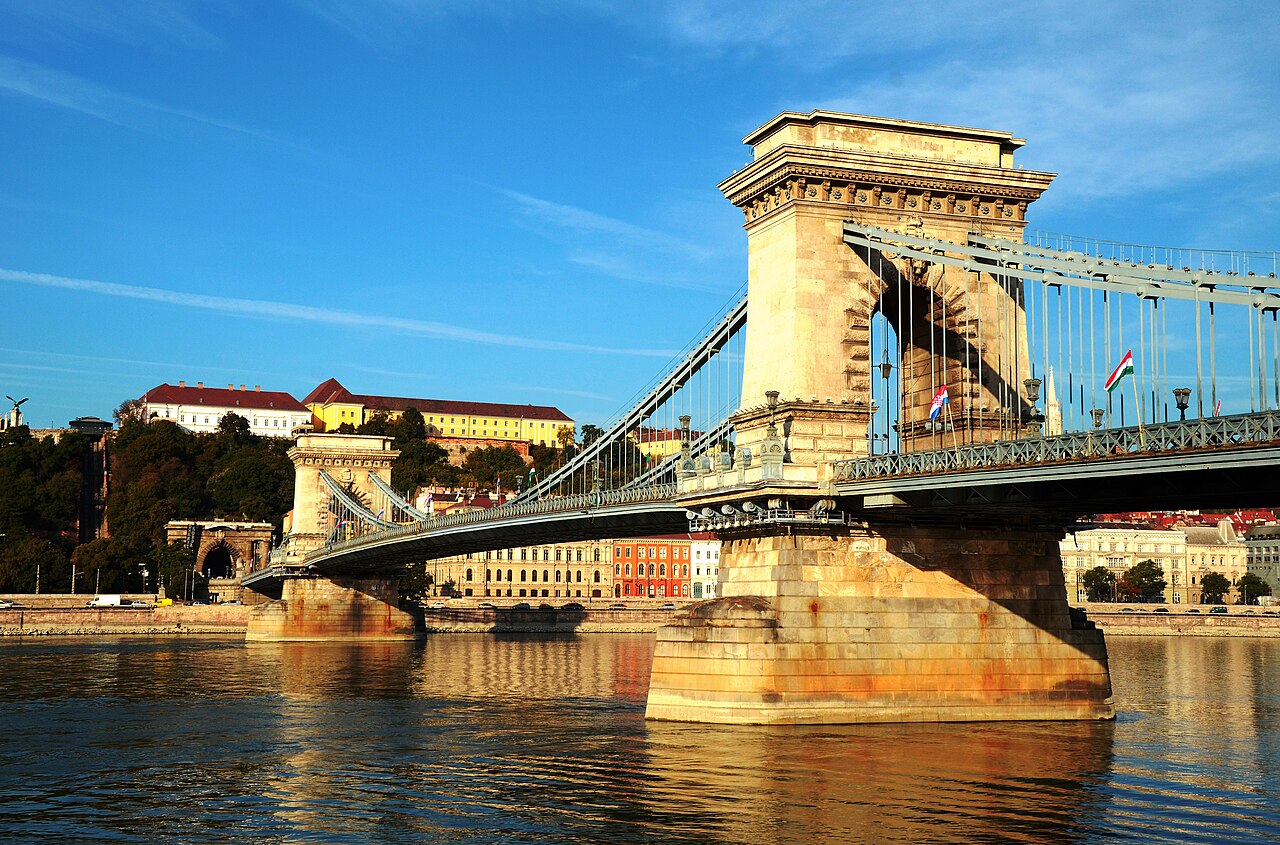
Széchenyi Chain Bridge
William Tierney Clark · 1839-1849
 Painting
Primary source
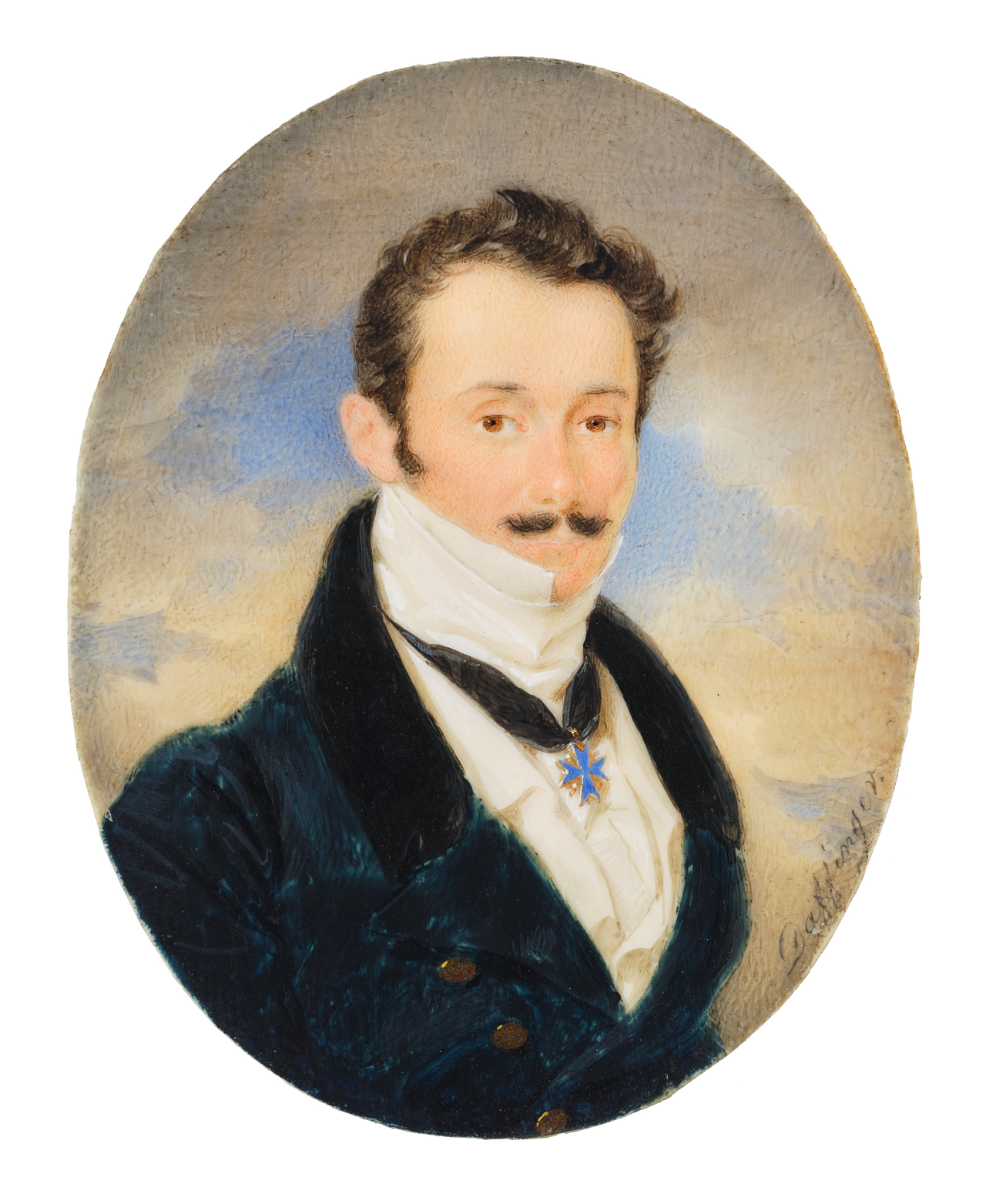
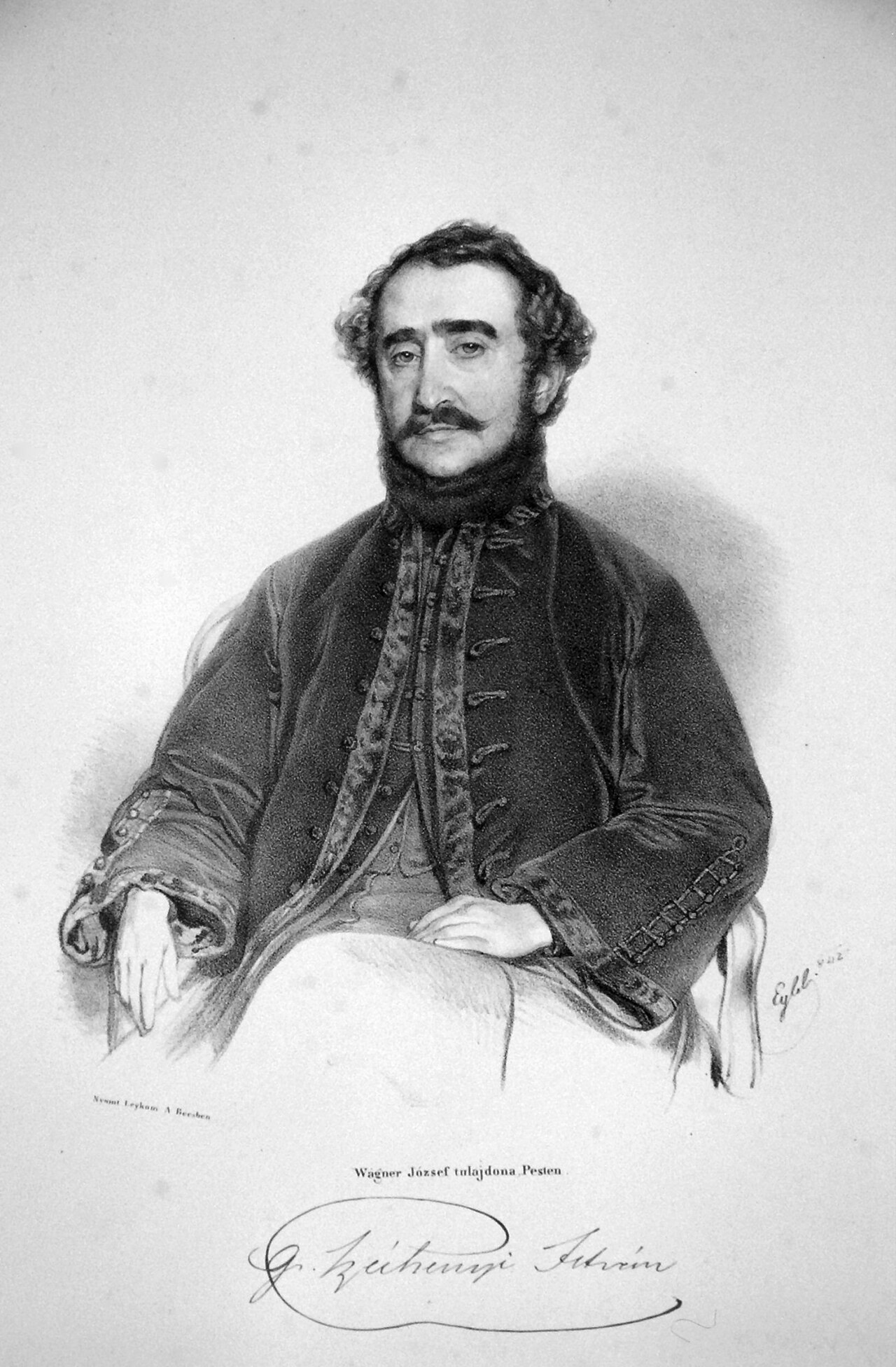
Three-quarter Length Portrait of Count István Széchenyi
Moritz Michael Daffinger · c. early 19th century
 Painting
Primary source
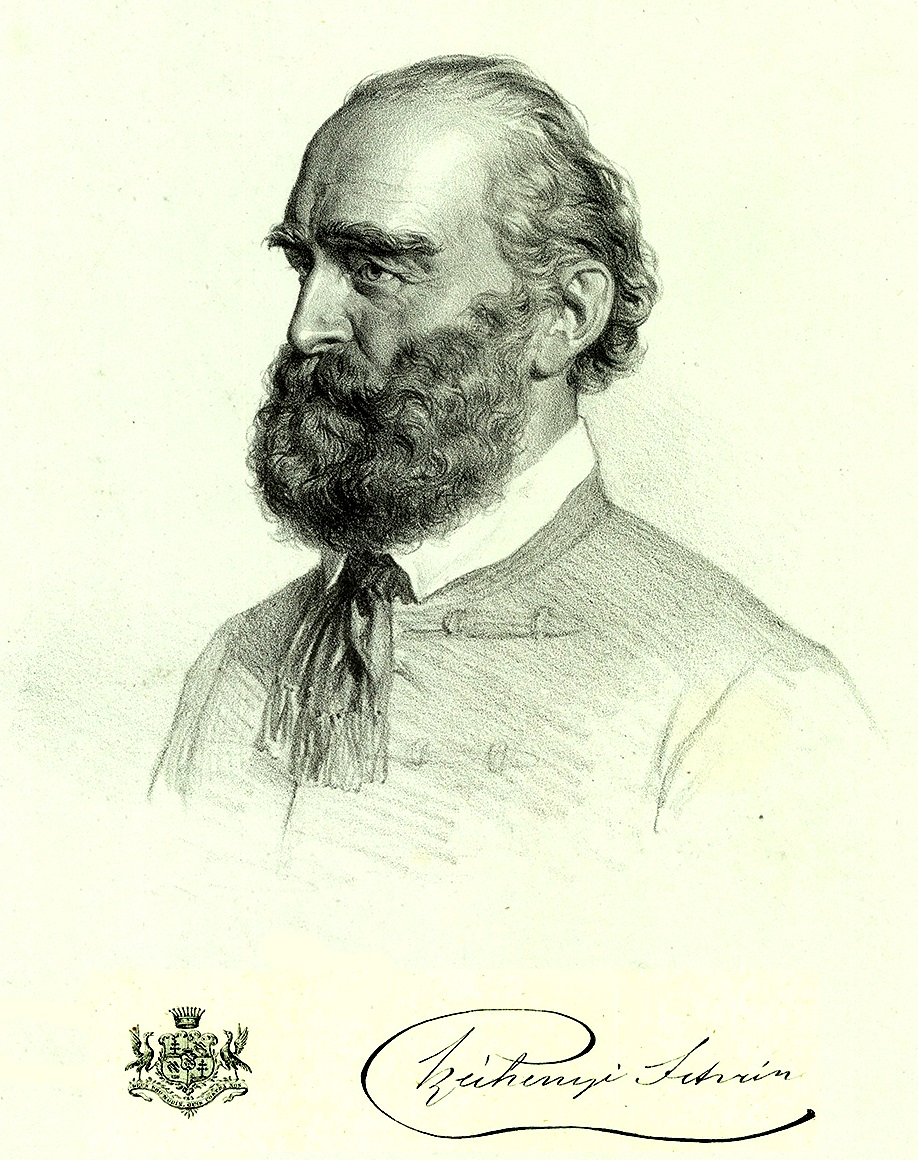
István Széchenyi, Lithograph by Franz Eybl
Franz Eybl · 1842
Free account
Read every István Széchenyi source
Sign up free →
Ready when you are
Start chatting with István Széchenyi now.
20 messages free · No credit card · Available in 50+ languages.