


Primary sourceDocument1787
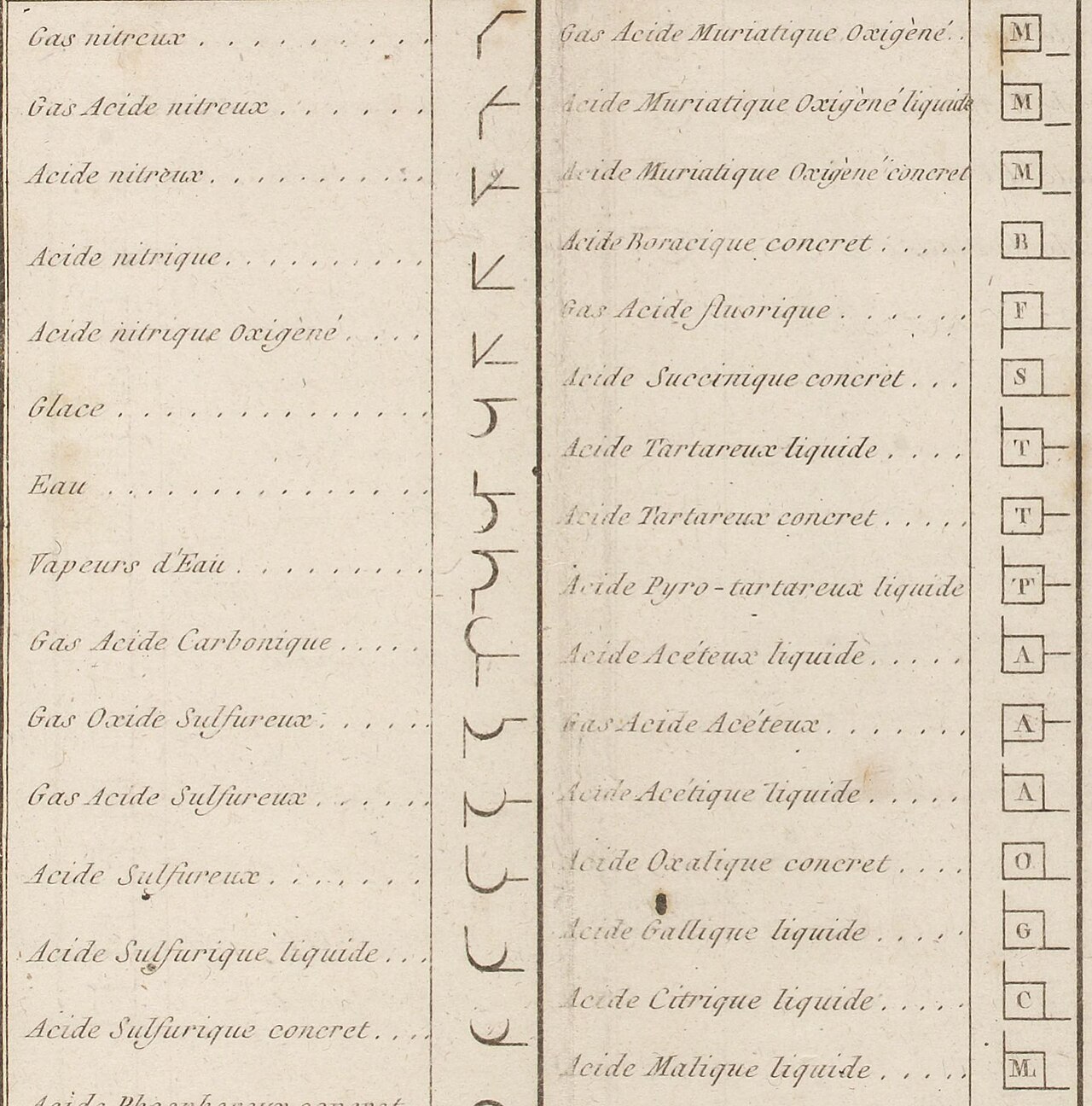
Table III from the Méthode de nomenclature chimique, 1787
Guyton de Morveau, Lavoisier, Berthollet i Fourcroy · 1787
A fragment of the 1787 chemical nomenclature book co-written by Lavoisier, listing known combinations of oxygen and caloric with other substances.
A table from the 1787 nomenclature book Lavoisier co-wrote, showing how oxygen and caloric were recorded in combination with other substances.
About this source
What it is
This is a printed fragment of Table III from the Méthode de nomenclature chimique, published in 1787. The record gives its title as a list of the known combinations of oxygen and caloric with various bodies. The scan shows three columns: French substance names on the left, alchemical-style symbols in the middle, and more names with letter symbols on the right, on aged paper. The book was written by Guyton de Morveau, Lavoisier, Berthollet and Fourcroy.
Why it matters
This table belongs to a book that reformed how chemists named substances. Lavoisier and his co-authors wanted names that showed what a substance was made of, rather than relying on older, confusing terms. Listing combinations of oxygen and caloric reflects Lavoisier's focus on oxygen and heat in explaining chemical change.
Look closer
- What differences do you see between the French names and the symbols in the middle column?
- Why might the authors have kept some older-style symbols while introducing new names?
- What would a chemist need to know to read this table correctly?
This document is part of the curated material that grounds the AI version of Antoine Lavoisier on Humy.ai — when students ask about related events, the AI can quote it and cite it.
More Antoine Lavoisier sources
Meet the AI Antoine Lavoisier →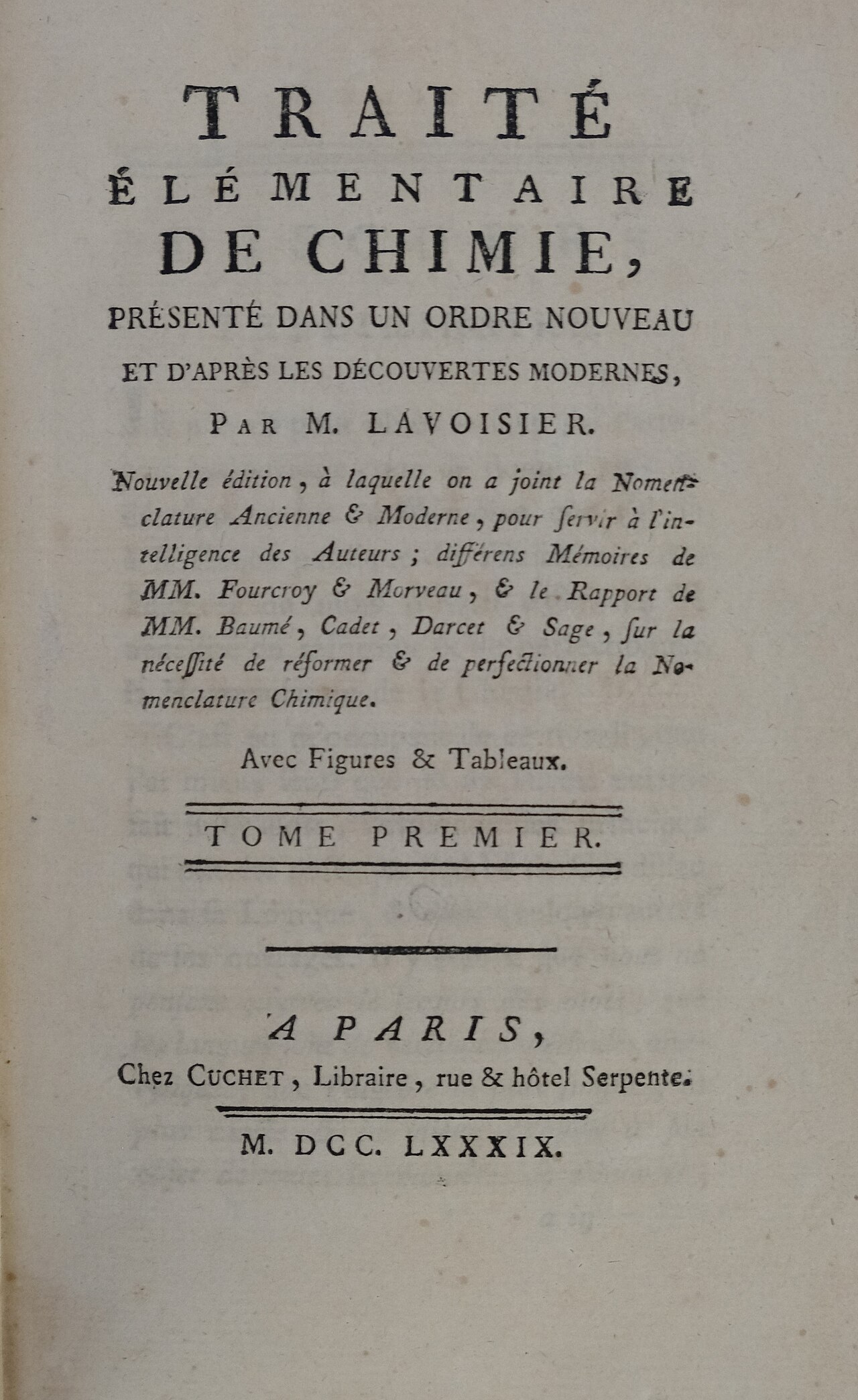 Book
Primary source
Traité Élémentaire de Chimie
Antoine Lavoisier · 1789
 Painting
Primary source
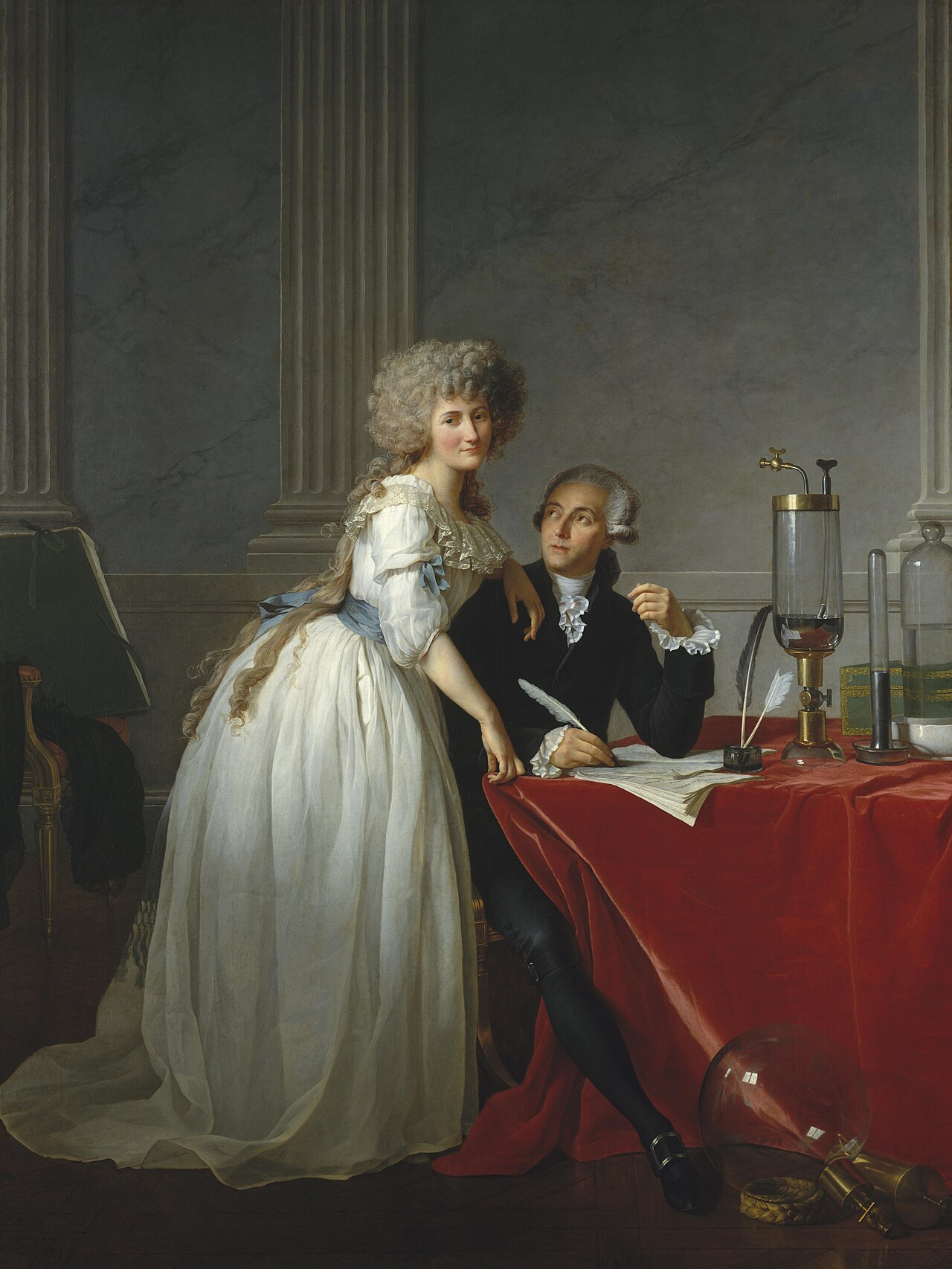
Portrait of Antoine-Laurent Lavoisier and his wife
Jacques-Louis David · 1788
 Book
Primary source
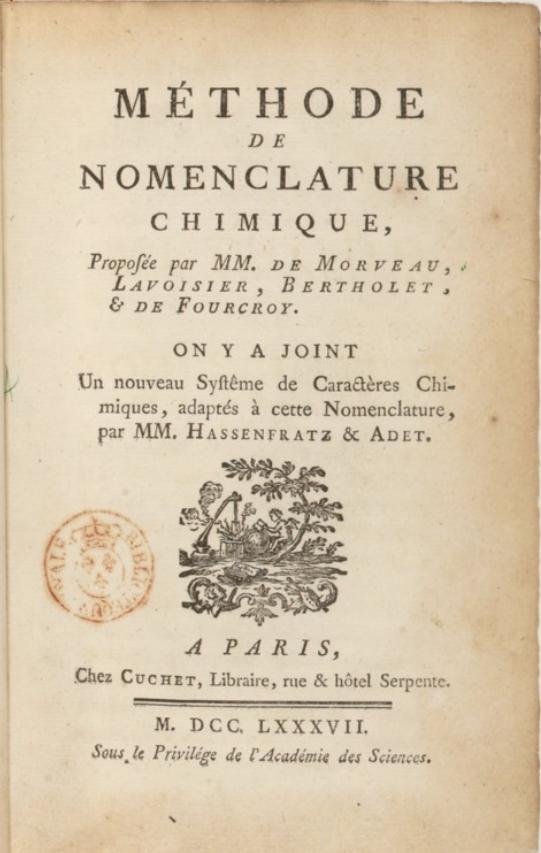
Méthode de nomenclature chimique
Antoine Lavoisier, Louis-Bernard Guyton de Morveau, Claude-Louis Berthollet, Antoine François de Fourcroy · 1787
 Artifact
Primary source
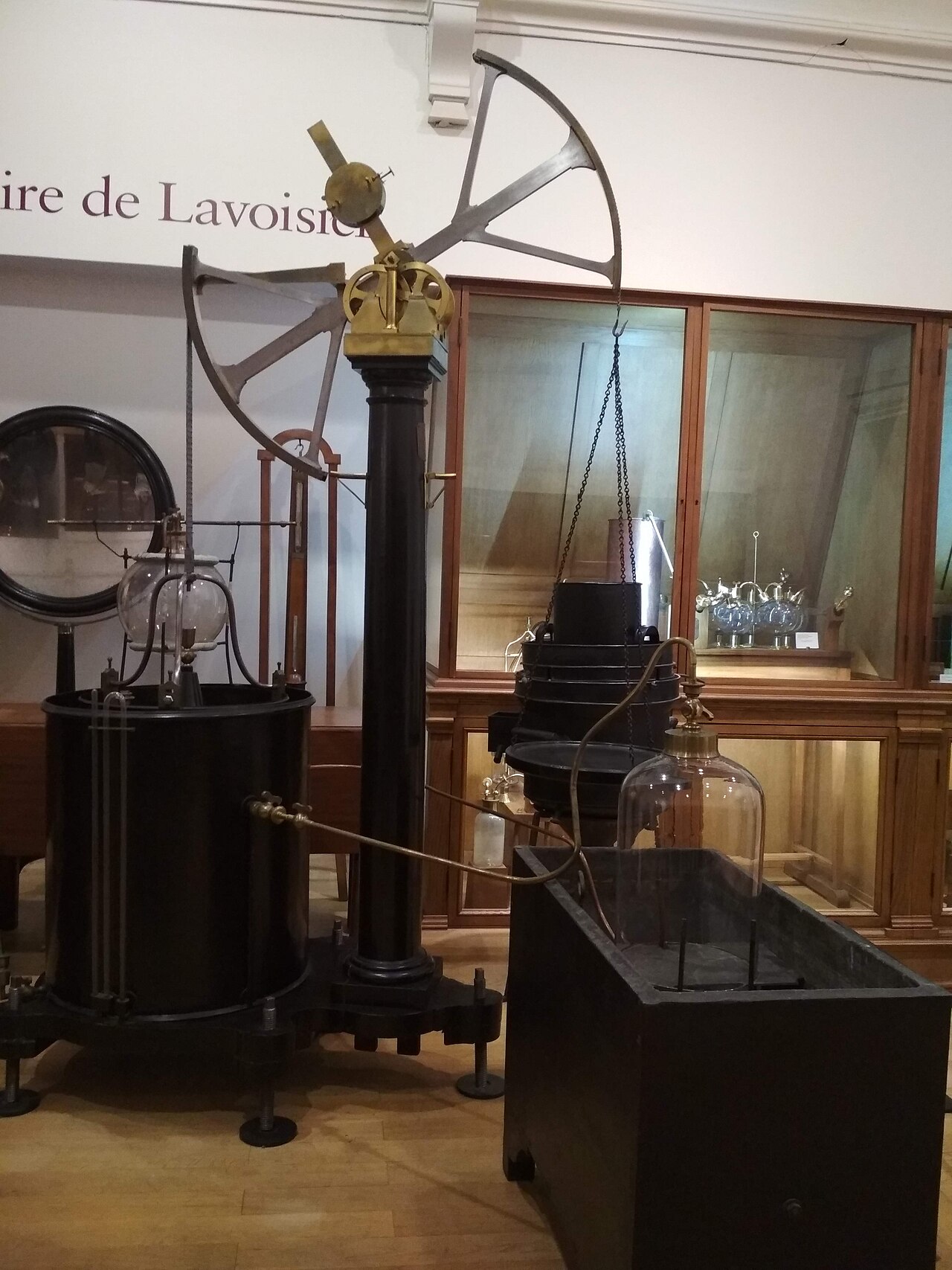
Lavoisier's ice calorimeter
Antoine Lavoisier and Pierre-Simon Laplace · c. 1782-1783
 Artifact
Primary source
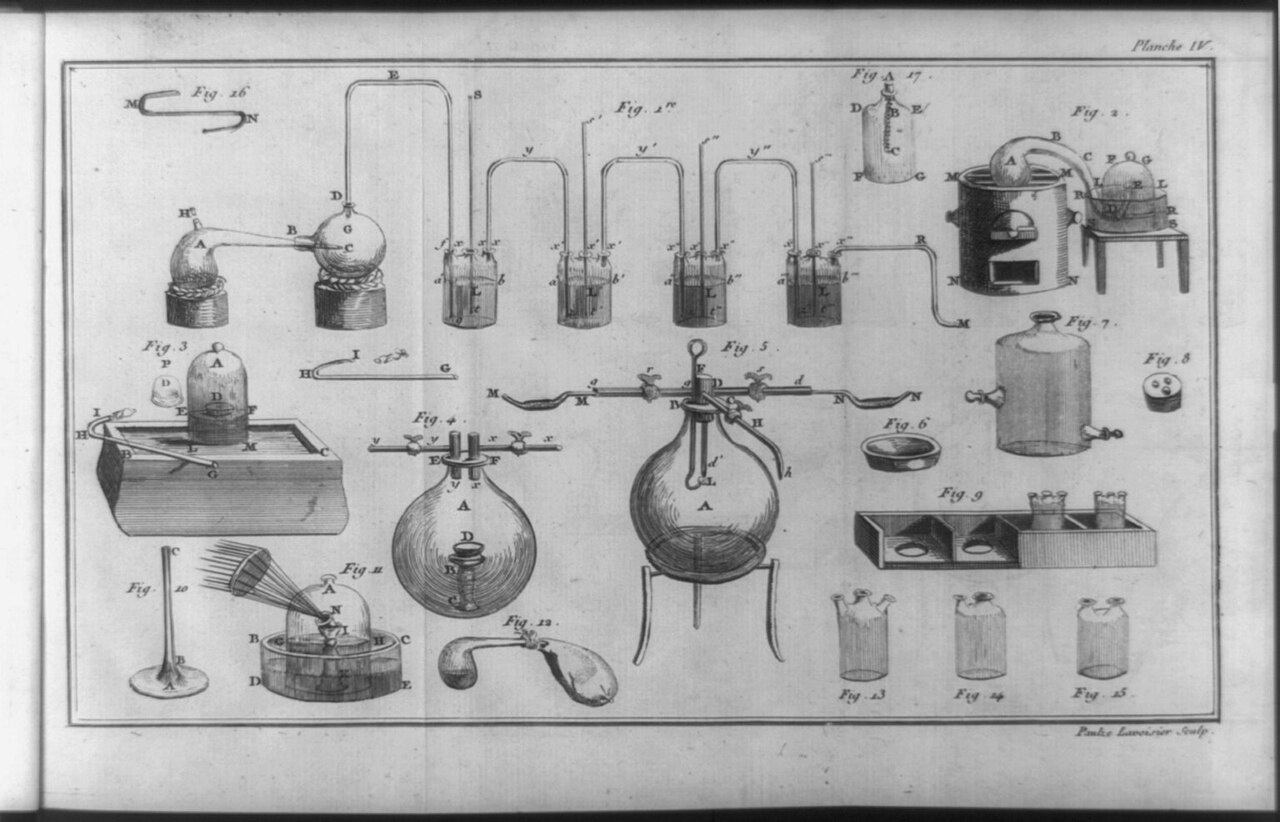
Scientific Apparatus Used by Lavoisier in Studying Chemical Reactions
Marie-Anne Paulze Lavoisier
Ready when you are
Start chatting with Antoine Lavoisier now.
20 messages free · No credit card · Available in 50+ languages.