


Primary sourceDocument1826
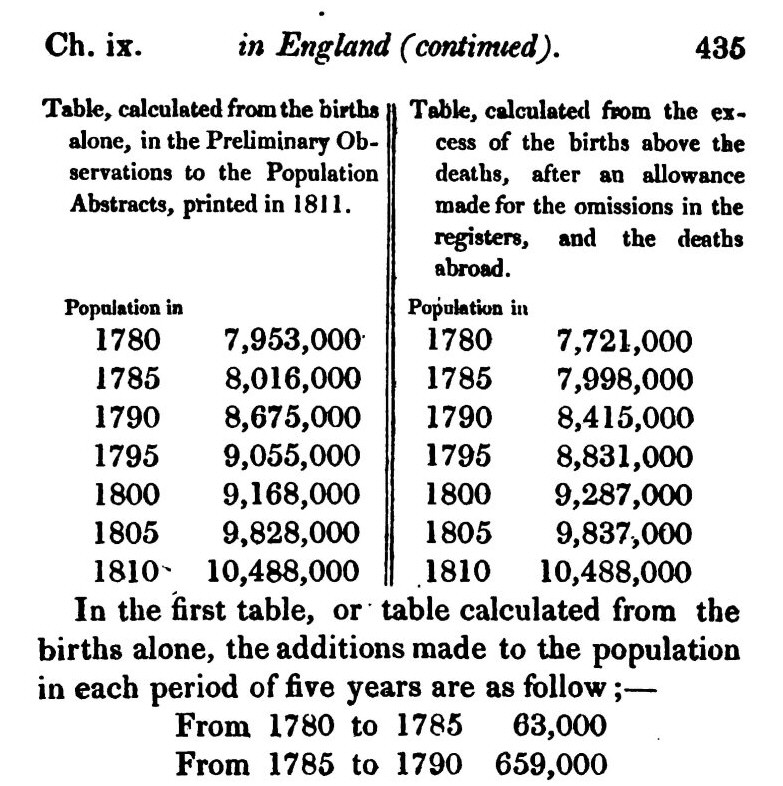
Table of Population Growth in England 1780-1810
Thomas Robert Malthus · 1826
A statistical table from Malthus's 1826 edition of his Essay on the Principle of Population, showing English population data.
This table, from Malthus's own book, demonstrates the statistical evidence he used to support his population theory.
About this source
What it is
This page comes from the sixth edition (1826) of An Essay on the Principle of Population by Thomas Robert Malthus. It presents two tables tracking births and population figures for England between 1780 and 1810.
Why it matters
Malthus based his famous theories about population growth outpacing food supply on careful use of statistics drawn from parish records and censuses. This page shows his method in practice, demonstrating how he tried to ground his arguments in empirical data rather than speculation alone.
Look closer
- What do the rising numbers in both tables suggest about population change in England during this period?
- Why might Malthus have included two separate tables, one for births alone and one for births minus deaths?
- What limitations might this kind of historical data have had?
This document is part of the curated material that grounds the AI version of Thomas Malthus on Humy.ai — when students ask about related events, the AI can quote it and cite it.
More Thomas Malthus sources
Meet the AI Thomas Malthus →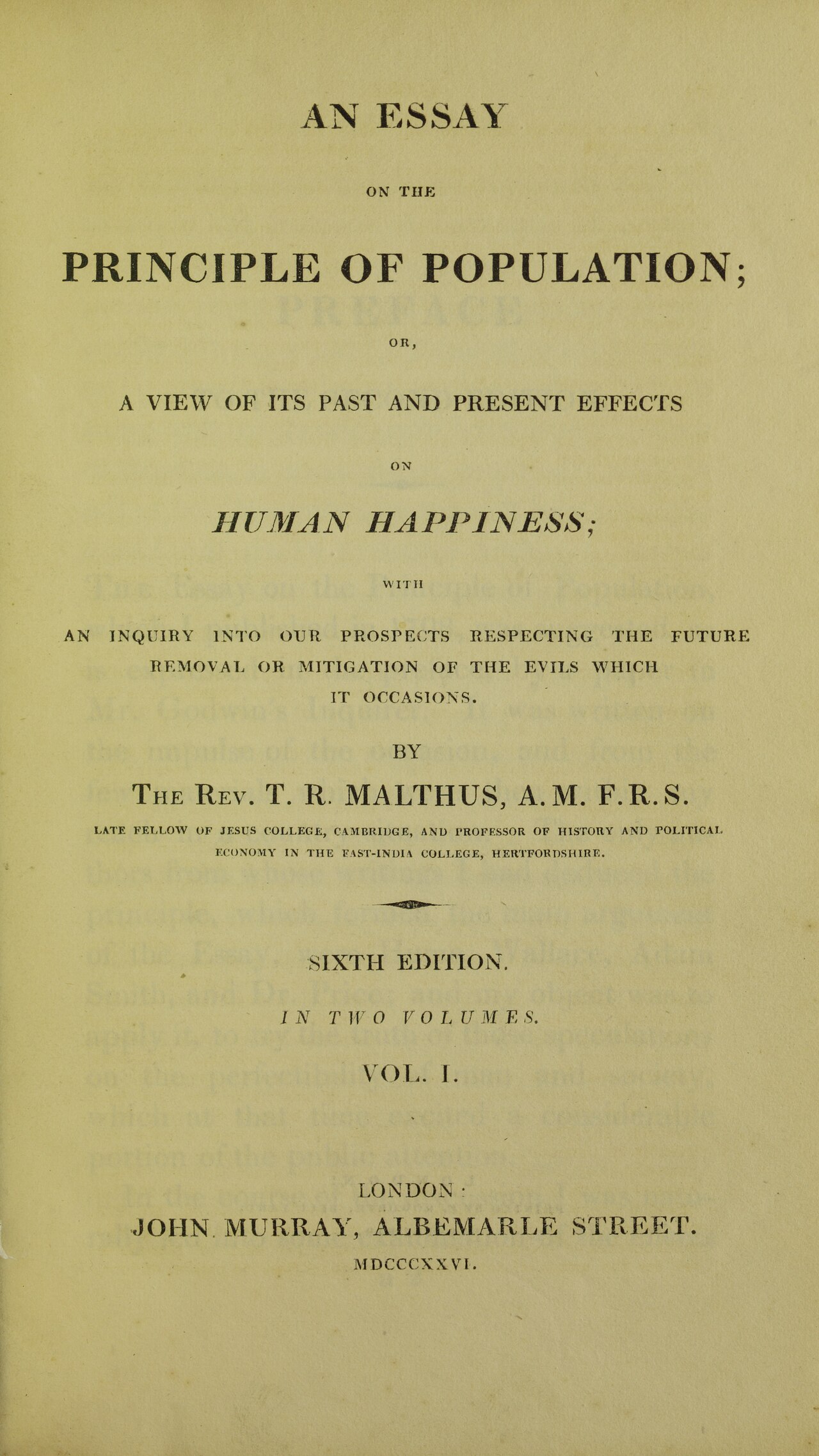 Book
Primary source
An Essay on the Principle of Population
Thomas Robert Malthus · 1798 (6th ed. 1826)
 Painting
Primary source
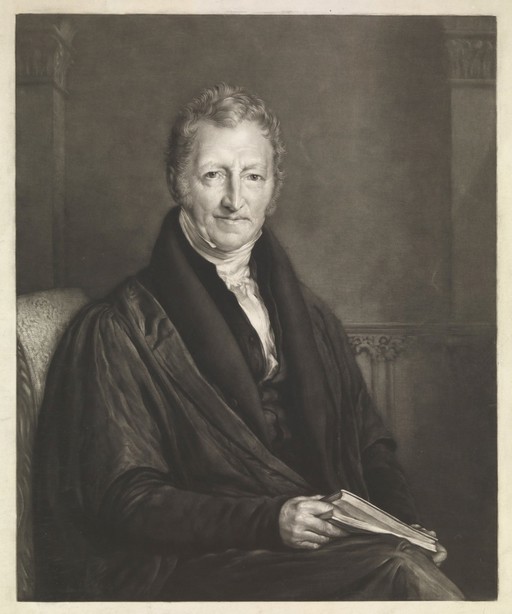
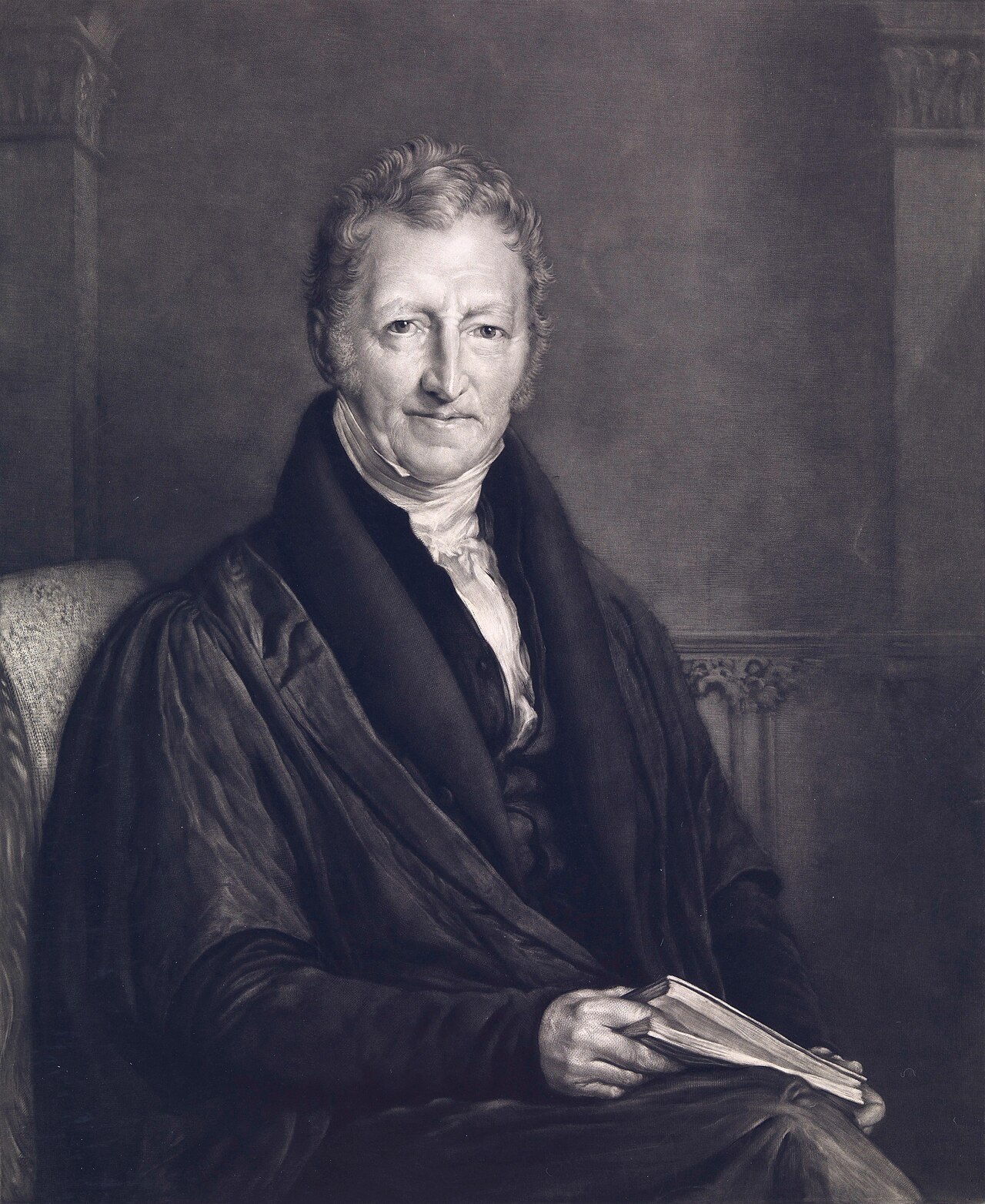
Portrait Print of Thomas Robert Malthus
John Linnell
 Book
Primary source
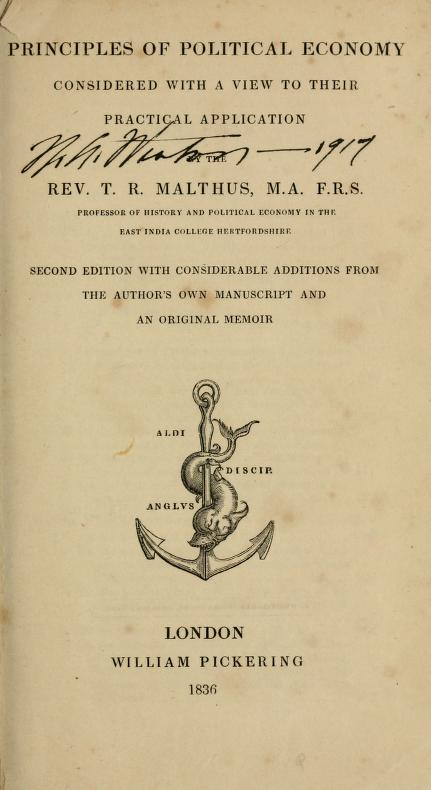
Principles of Political Economy
Thomas Robert Malthus · 1820 (2nd ed. 1836)
 Painting
Primary source
Portrait of Thomas Robert Malthus
John Linnell · after 1833
 Letter
Primary source
Correspondence between Malthus and David Ricardo
Thomas Robert Malthus; David Ricardo · 1811–1823
Ready when you are
Start chatting with Thomas Malthus now.
20 messages free · No credit card · Available in 50+ languages.