


Primary sourceDocument1st century BC
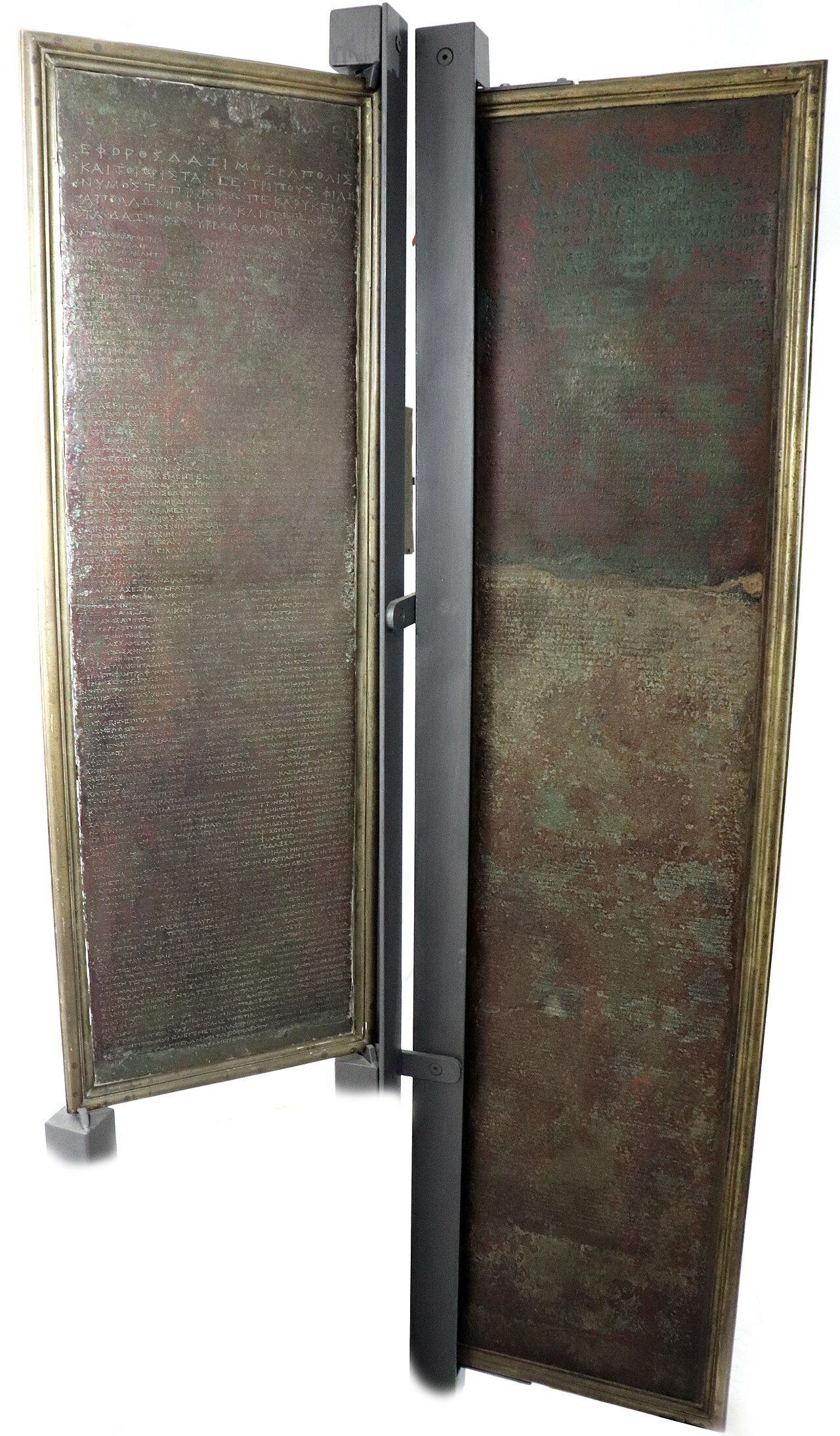
Tables of Heraclea
1st century BC
Bronze tablets inscribed with Roman municipal law, traditionally linked to legislation passed under Caesar reorganising Italian towns.
These municipal regulations are traditionally associated with legislation issued under Caesar reorganising Italian towns.
About this source
What it is
These bronze tablets, found near Heraclea Lucania in the 1730s, carry a long Latin inscription on municipal regulations, with an earlier Greek inscription on the reverse defining temple land boundaries. They are held today in the Naples National Archaeological Museum.
Why it matters
Scholars have long linked the Latin inscription to the Lex Iulia Municipalis, a law associated with Julius Caesar for regulating Italian towns, though it is now believed the tablets combine material from several laws. Either way, they are a major source for understanding Roman municipal law and administration in Caesar's time.
Look closer
- Why would ancient legal texts be inscribed permanently on bronze rather than written on perishable materials?
- What does the reuse of the tablet's back side, with an older Greek text, tell you about how objects were recycled?
- Why might scholars still debate exactly which law this inscription records?
This document is part of the curated material that grounds the AI version of Julius Caesar on Humy.ai — when students ask about related events, the AI can quote it and cite it.
More Julius Caesar sources
Meet the AI Julius Caesar →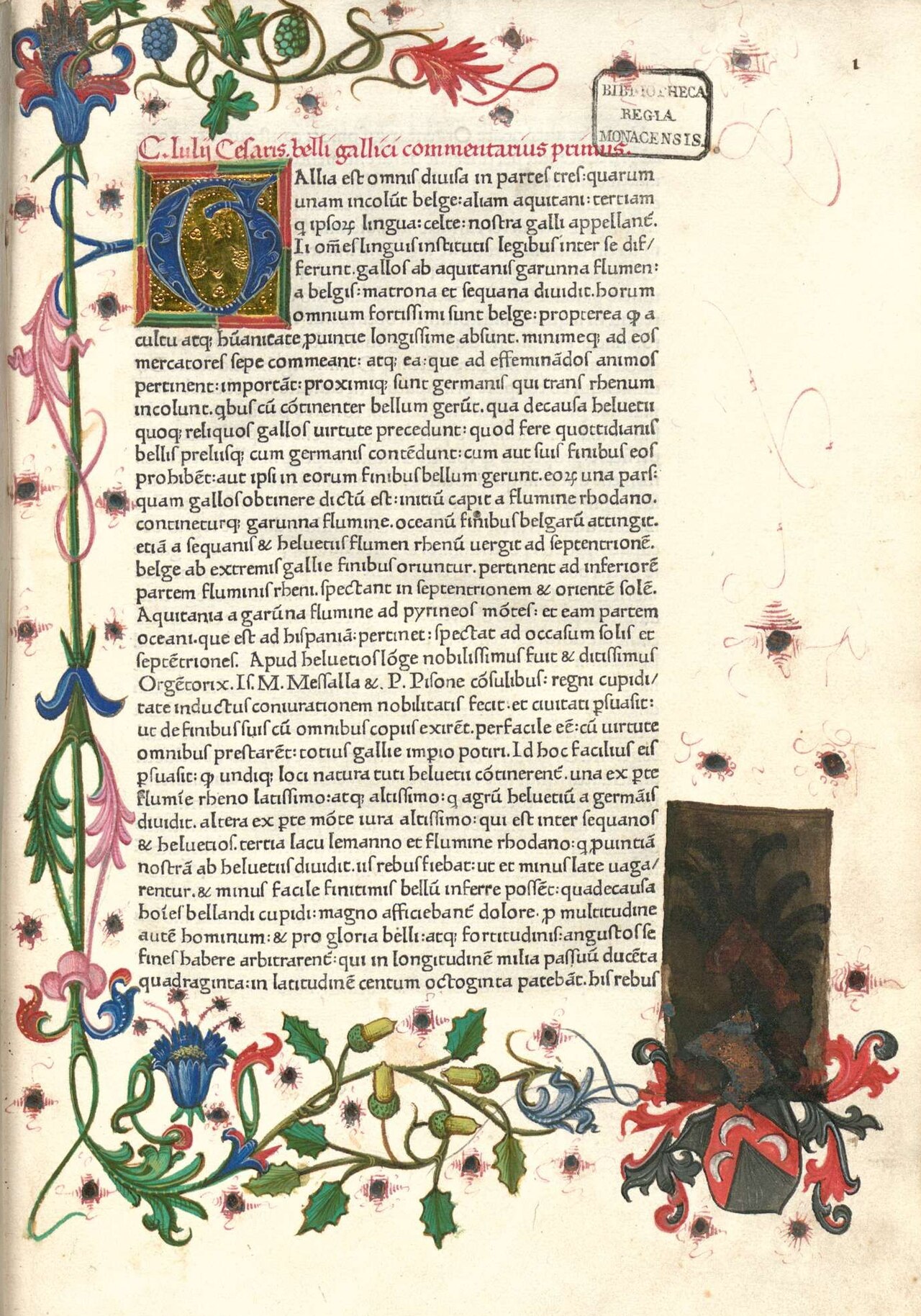 Book
Primary source
Commentarii de Bello Gallico
Julius Caesar · c. 58-50 BCE (this copy 1469)
 Painting
Secondary source
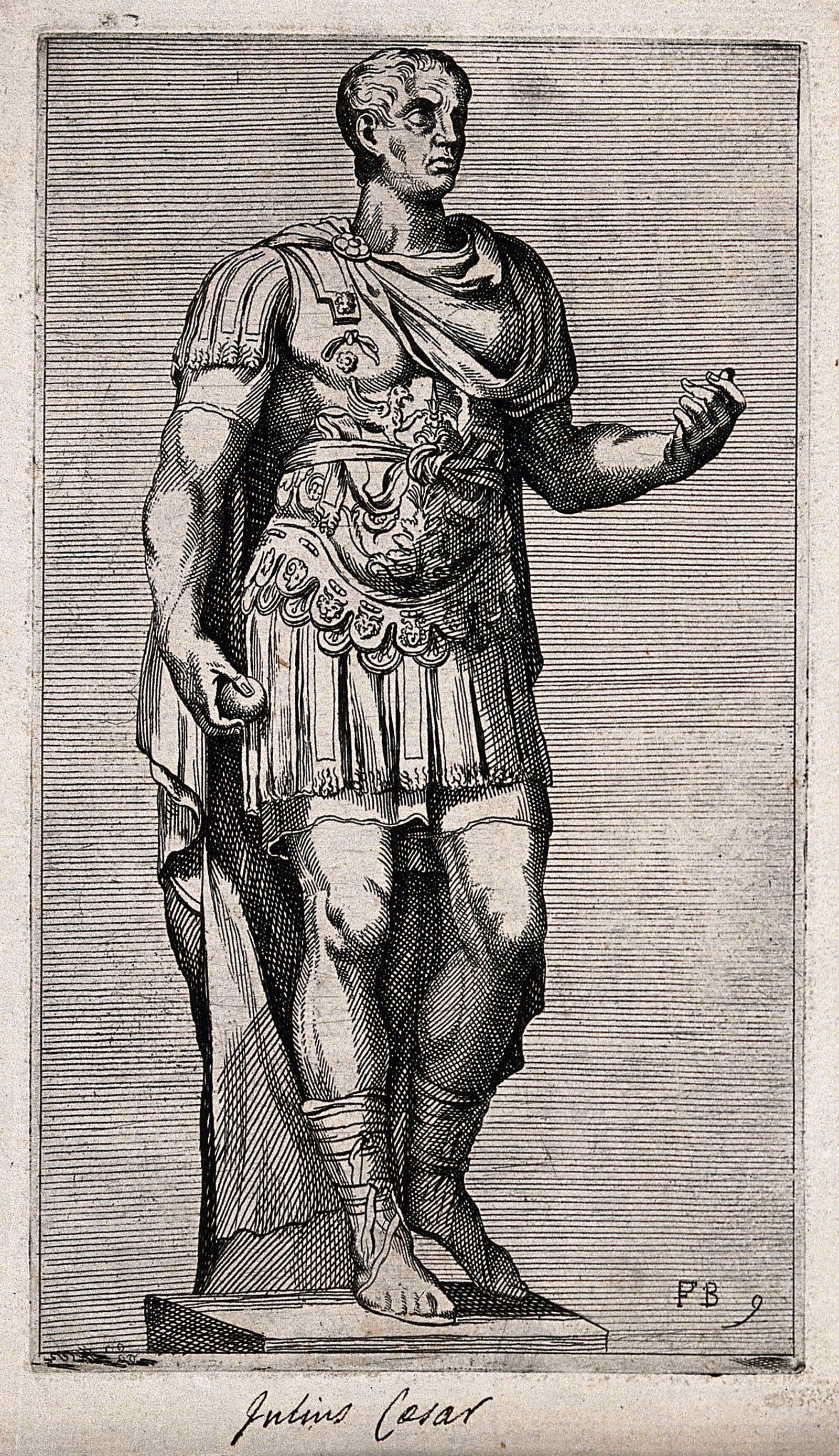
Etched Portrait of Julius Caesar
F. Perrier
 Painting
Secondary source
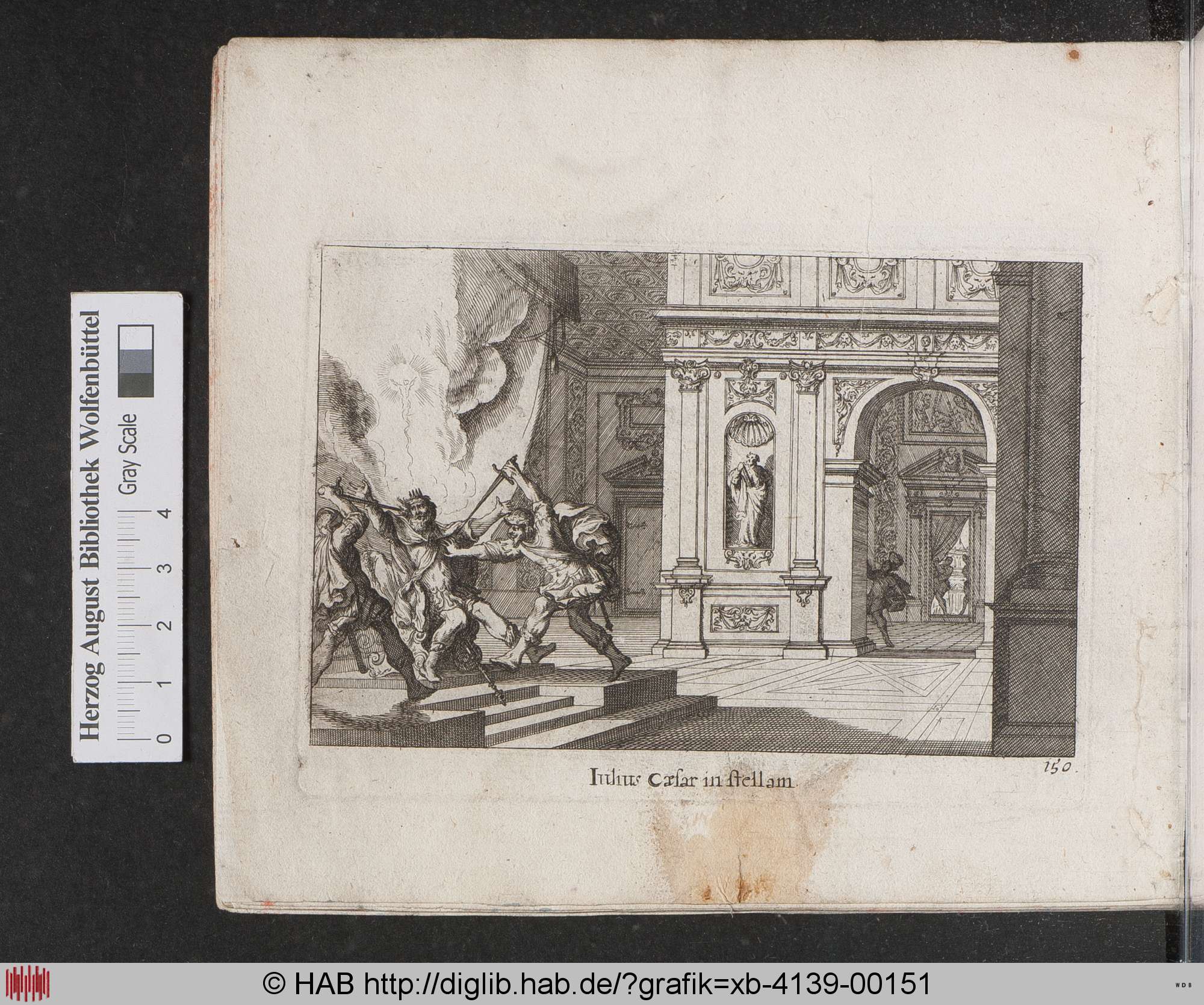
Murder of Julius Caesar in the Senate
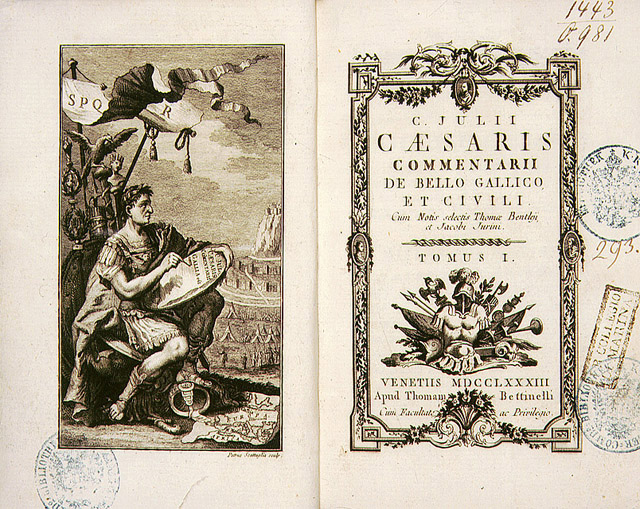 Book
Primary source
Commentarii de Bello Civili
Julius Caesar · 49-48 BCE
 Painting
Secondary source
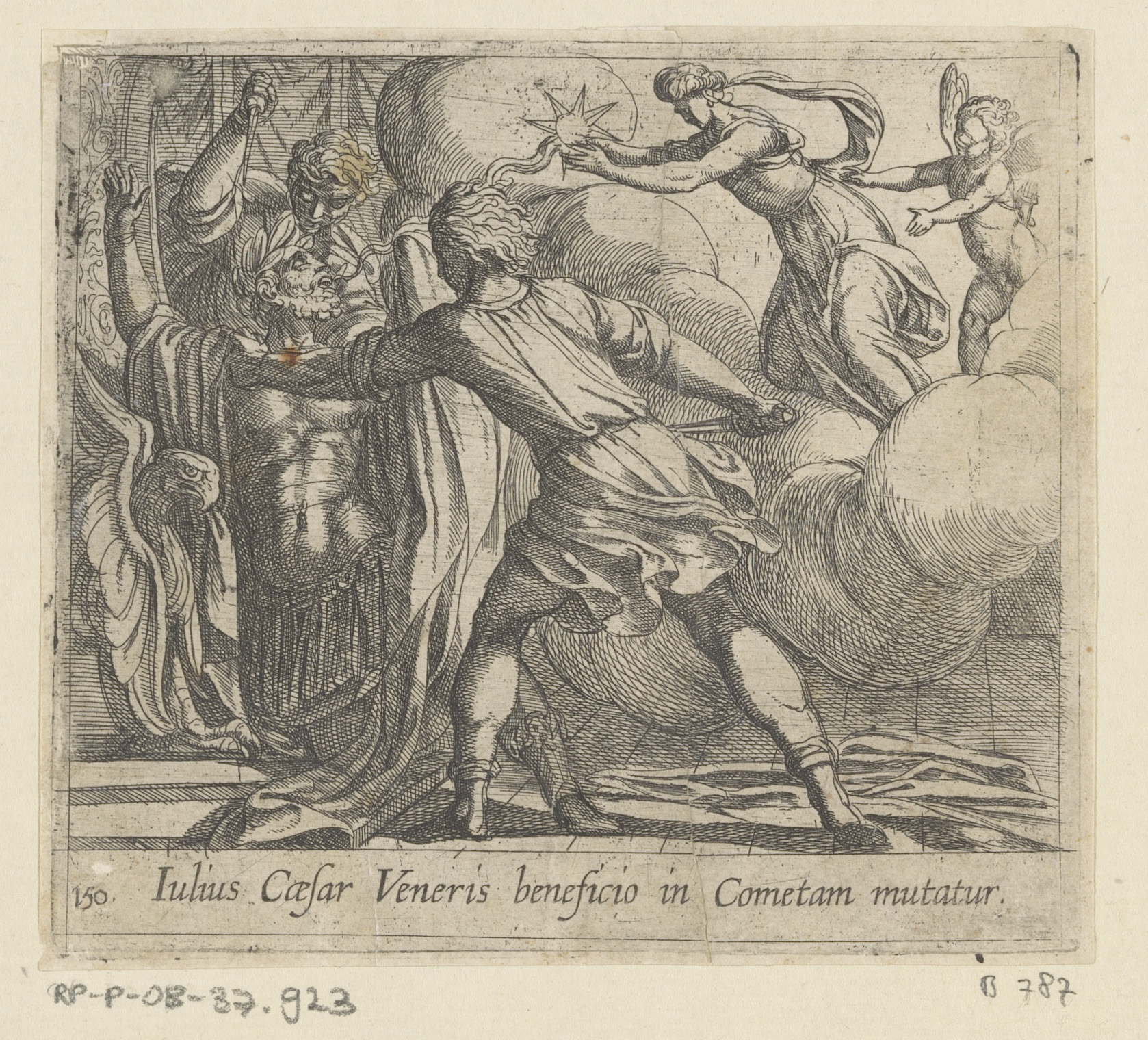
The Murder of Julius Caesar
1606
Ready when you are
Start chatting with Julius Caesar now.
20 messages free · No credit card · Available in 50+ languages.