


Secondary sourceArtifact1653
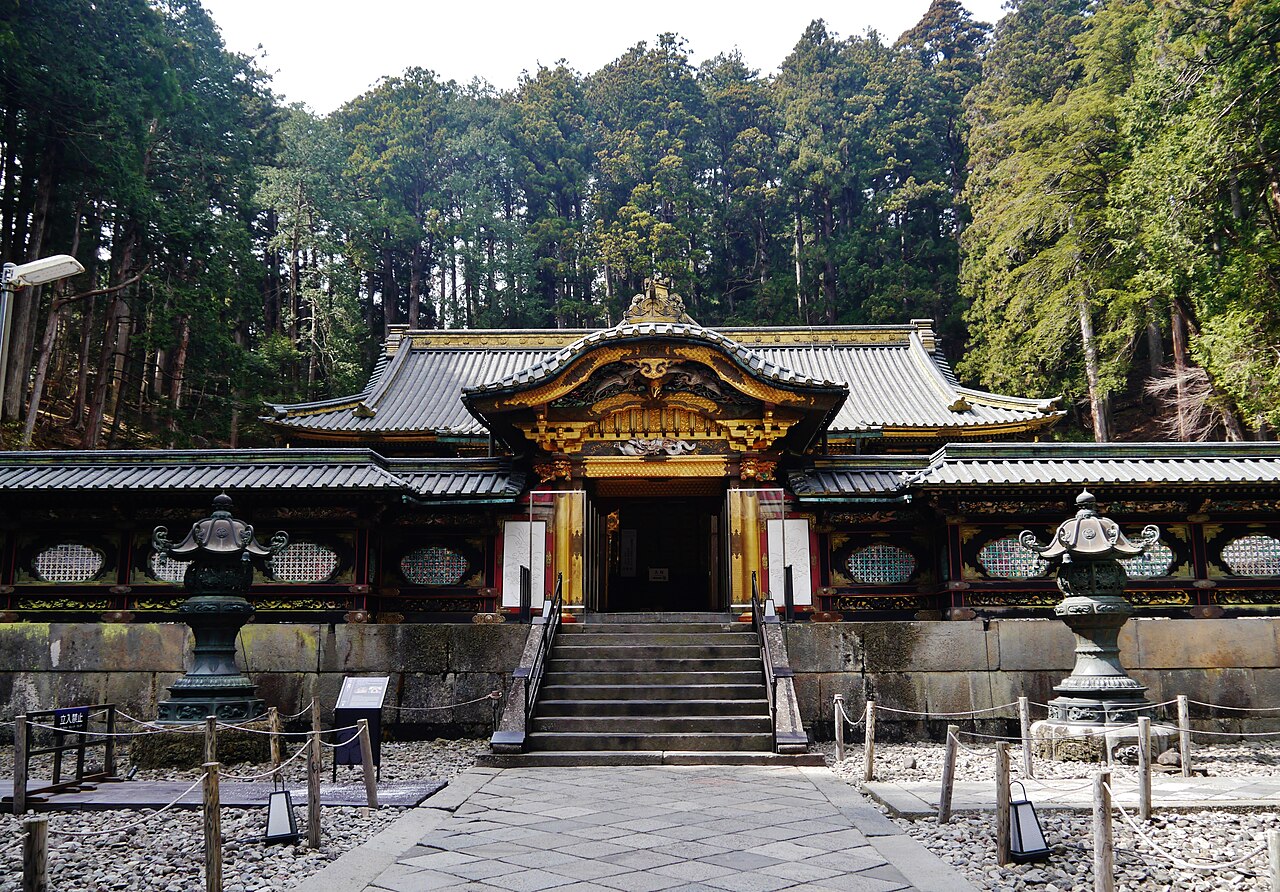
Taiyū-in Mausoleum
1653
The mausoleum built for Tokugawa Iemitsu himself at Nikkō, designed to be more modest than his grandfather's shrine nearby.
This mausoleum was built to commemorate Iemitsu and reflects his devotion to his grandfather Ieyasu.
About this source
What it is
The Taiyū-in Mausoleum, dated to 1653, is held by Rinnō-ji Temple in Nikkō, Japan. It was built as the resting place of the third shogun, Tokugawa Iemitsu.
Why it matters
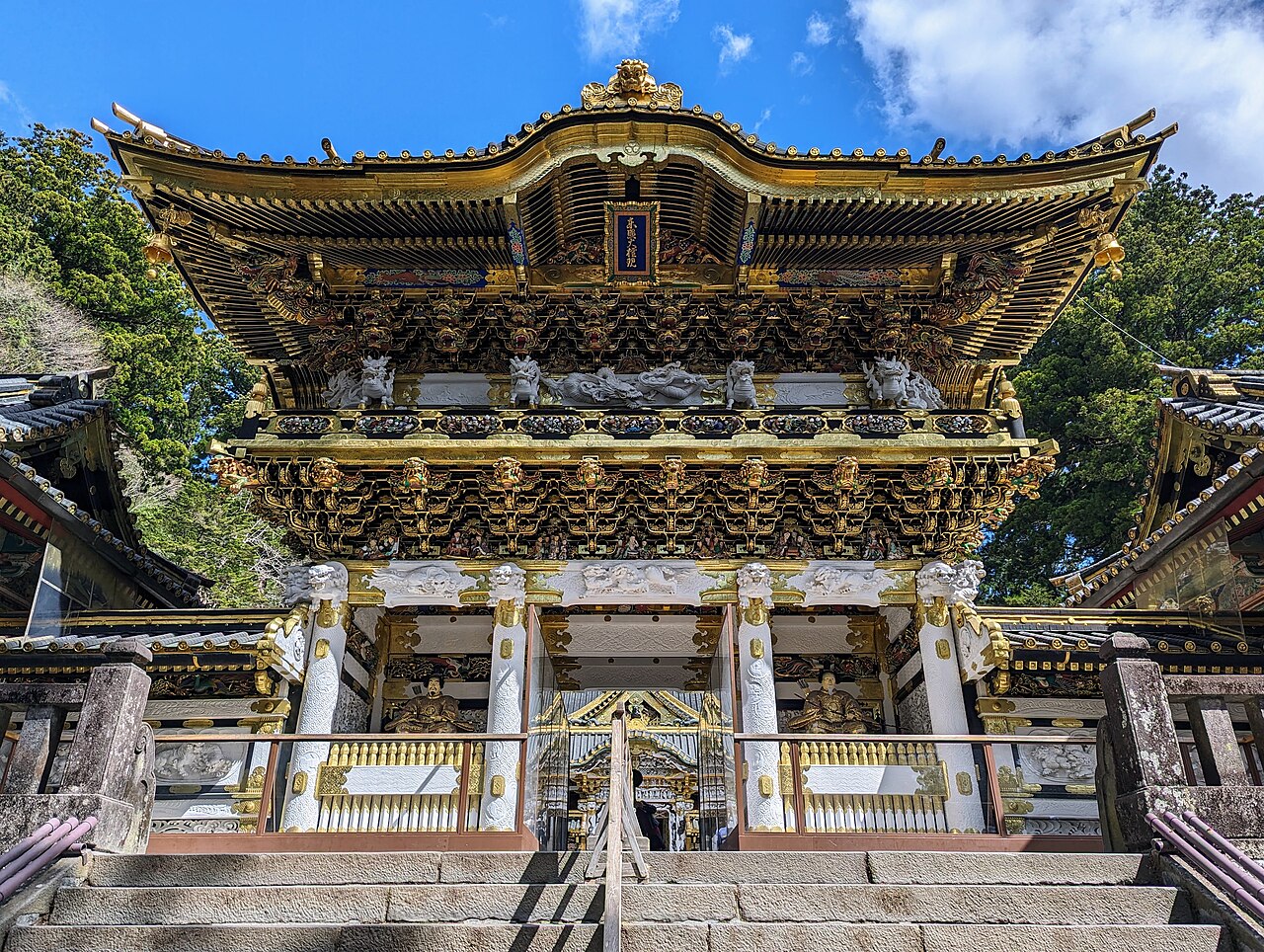
Iemitsu deliberately had his own mausoleum built less extravagant than the Tōshō-gū shrine he built for his grandfather Ieyasu. This choice reveals how Iemitsu saw his own place in the Tokugawa family line — honoring his ancestor above himself, even in death.
Look closer
- Compare this building to the Tōshō-gū shrine — what differences can you spot in scale or decoration?
- Why might a powerful ruler choose a more restrained monument for himself?
- What does this tell you about the values Iemitsu wanted to pass on?
This artifact is part of the curated material that grounds the AI version of Tokugawa Iemitsu on Humy.ai — when students ask about related events, the AI can quote it and cite it.
More Tokugawa Iemitsu sources
Browse all 71 →
Ready when you are
Start chatting with Tokugawa Iemitsu now.
20 messages free · No credit card · Available in 50+ languages.