


Secondary sourceSculpture1817
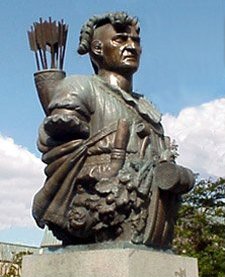
Tamanend Statue (known as "Tecumseh")
William Luke · 1817
A bronze figurehead statue at the US Naval Academy, originally honoring the Lenape chief Tamanend but popularly nicknamed after Tecumseh.
An object nicknamed after Tecumseh, showing how his name entered American institutional lore despite depicting another chief.
About this source
What it is
This bronze statue, carved originally by William Luke in 1817 as the figurehead of USS Delaware, depicts Tamanend, a Lenni-Lenape chief known for peace-making with early Pennsylvania settlers. After the ship was destroyed, the figurehead was moved to the United States Naval Academy, where midshipmen began calling it "Tecumseh," and in time it was recast in bronze.
Why it matters
This statue shows how Tecumseh's name and image became detached from his own life and absorbed into American institutional tradition, even though the figure it depicts honors a different Native leader entirely. It reveals how historical memory can blend or confuse real people.
Look closer
- Why might midshipmen rename a statue of one Native leader after another?
- What does this mix-up tell you about how Native American figures were remembered by institutions?
- What is lost when a real historical figure's name is attached to the wrong image?
This sculpture is part of the curated material that grounds the AI version of Tecumseh on Humy.ai — when students ask about related events, the AI can quote it and cite it.
More Tecumseh sources
Meet the AI Tecumseh →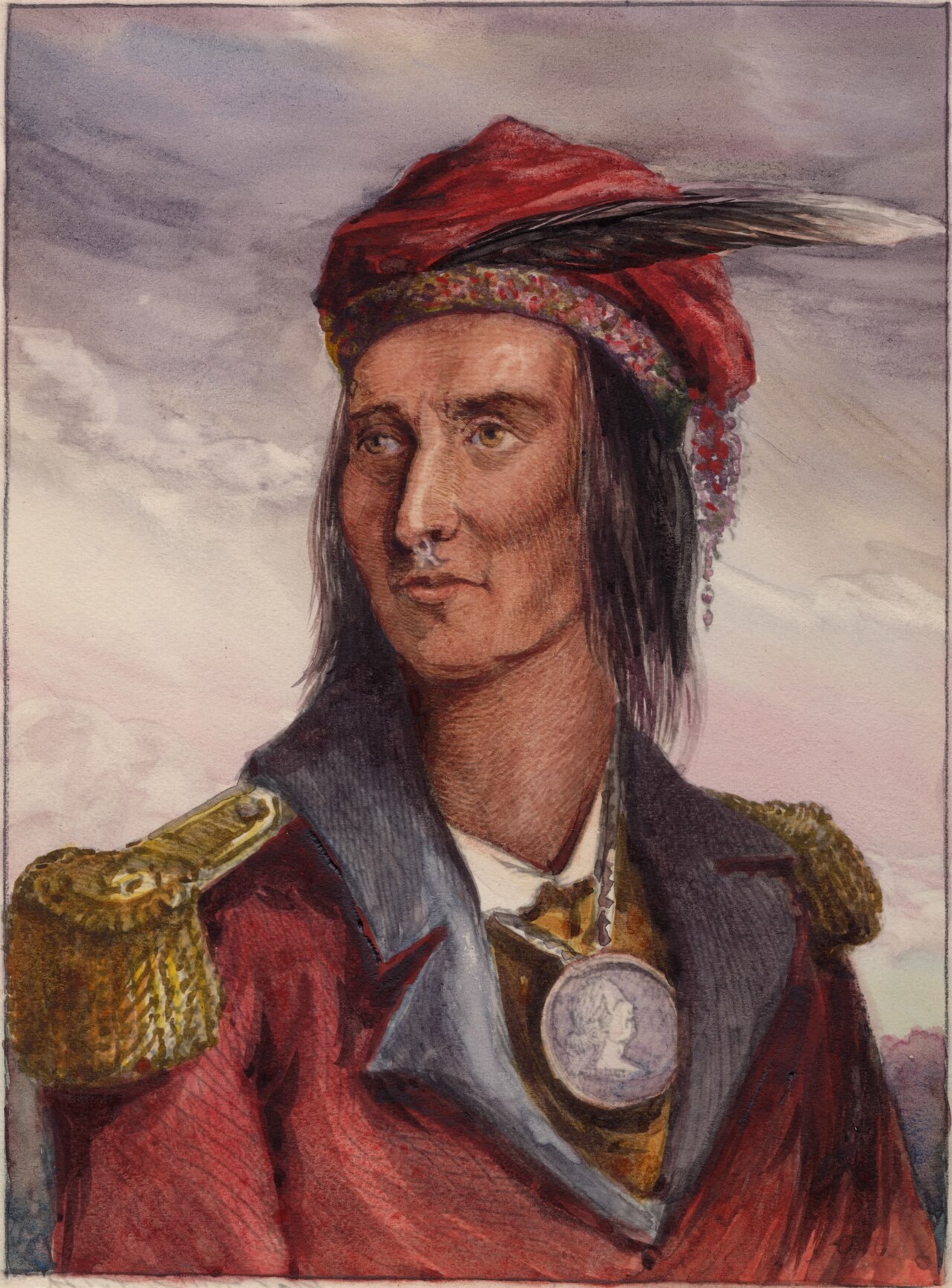 Painting
Secondary source
Portrait of Tecumseh
Pierre Le Dru (original sketch); reworked by Benson Lossing, 1868 · 1868 (after an earlier sketch)
 Document
Primary source
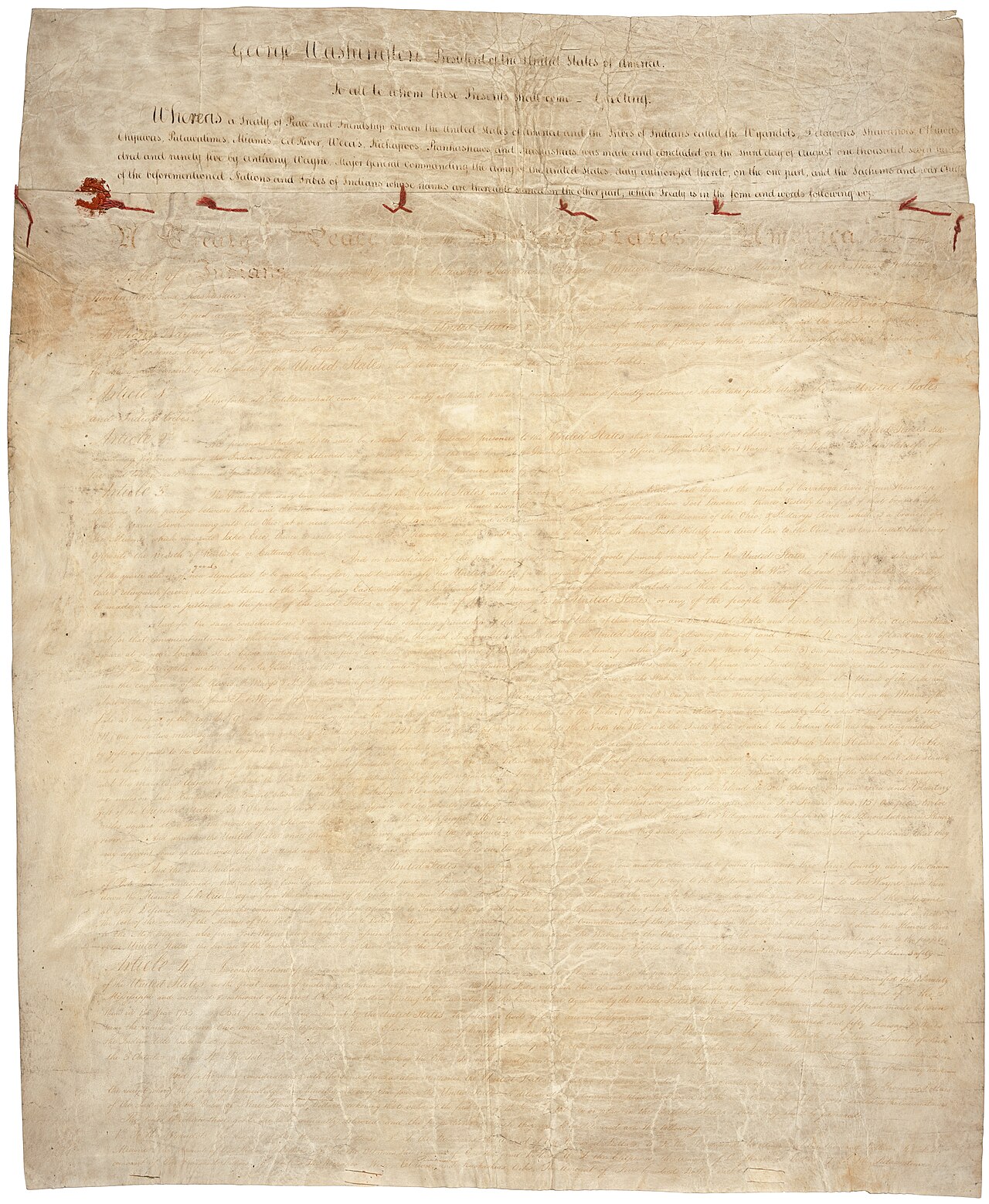
Treaty of Greenville
3 August 1795
 Document
Primary source
Messages and Letters of William Henry Harrison
William Henry Harrison; ed. Logan Esarey · 1800-1816 (published 1922)
 Document
Primary source
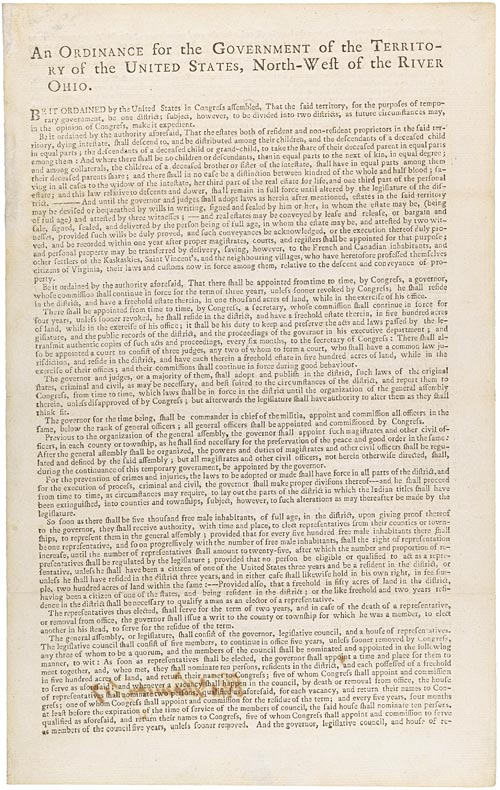
Northwest Ordinance
Confederation Congress · 13 July 1787
 Document
Primary source
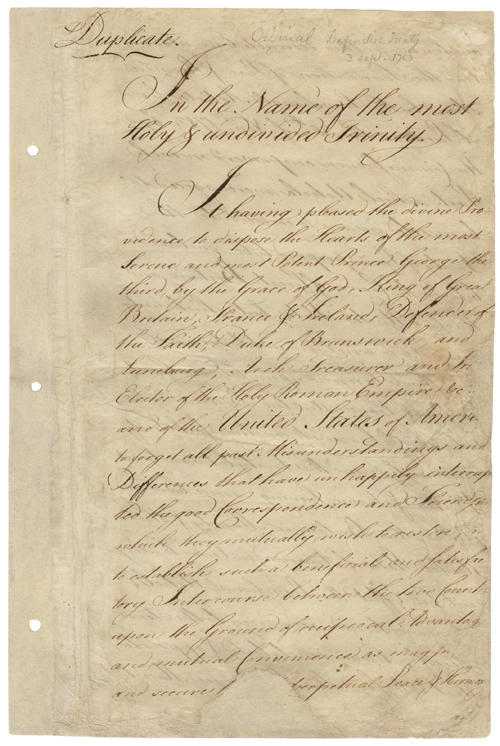
Treaty of Paris
3 September 1783
Ready when you are
Start chatting with Tecumseh now.
20 messages free · No credit card · Available in 50+ languages.