


Primary sourceDocumentc. 1264
Tantum ergo
Thomas Aquinas · c. 1264
The closing stanzas of Thomas Aquinas's hymn Pange lingua, still sung today at Catholic Eucharistic devotion.
Aquinas composed this hymn, part of his liturgical writing that shaped Catholic worship for centuries.

About this source
What it is
Tantum ergo is the name given to the last two verses of Pange lingua, a Latin hymn composed by Thomas Aquinas around 1264. It is sung separately from the full hymn during the Catholic ritual of adoration and benediction of the Blessed Sacrament, and has been set to music by many composers over the centuries.
Why it matters
As a friar and theologian, Aquinas wrote liturgical texts as well as philosophical works, and this hymn shows how his writing shaped everyday Catholic worship long after his death. Its continued use in churches, and the many musical settings by later composers, show how deeply his words entered ordinary religious practice far beyond academic theology.
Look closer
- Why might a hymn written in the 13th century still be sung in churches today?
- What does the survival and translation of this text into many languages tell you about its importance?
- What parts of Aquinas's thinking, beyond his philosophy, does a hymn like this reveal?
This document is part of the curated material that grounds the AI version of Saint Thomas Aquinas on Humy.ai — when students ask about related events, the AI can quote it and cite it.
More Saint Thomas Aquinas sources
Meet the AI Saint Thomas Aquinas →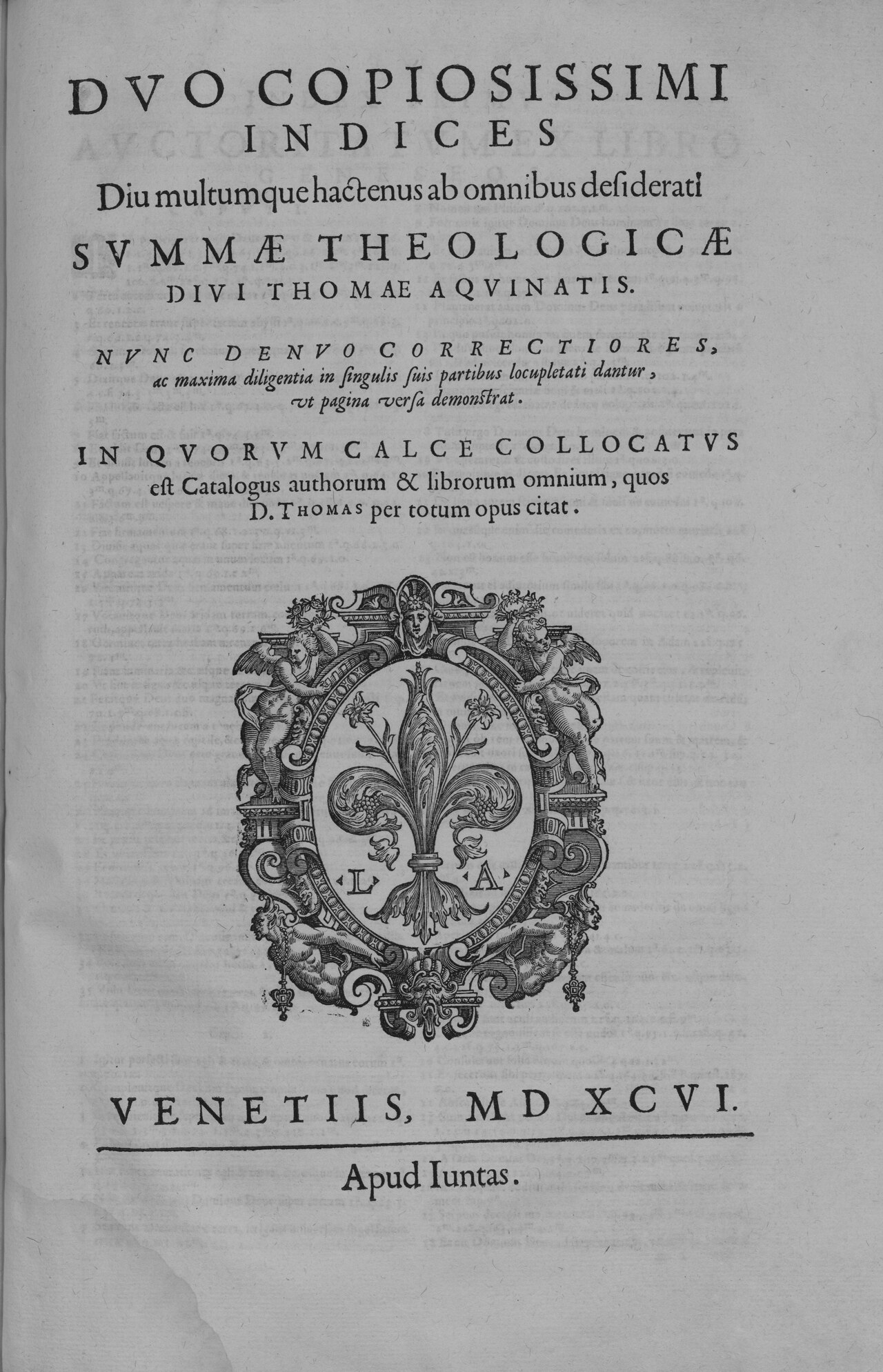 Book
Primary source
Summa Theologica
Thomas Aquinas · 1274
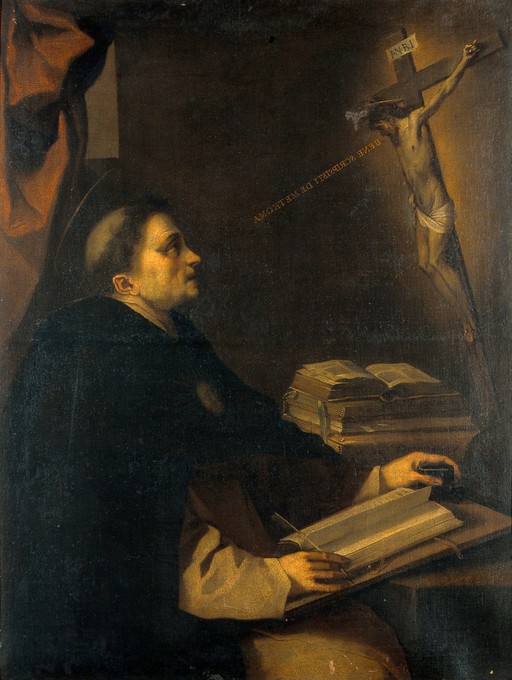 Painting
Secondary source
St Thomas Aquinas, 17th-century Italian oil painting
17th century
Primary source
Pange Lingua Gloriosi Corporis Mysterium
Thomas Aquinas · 1263
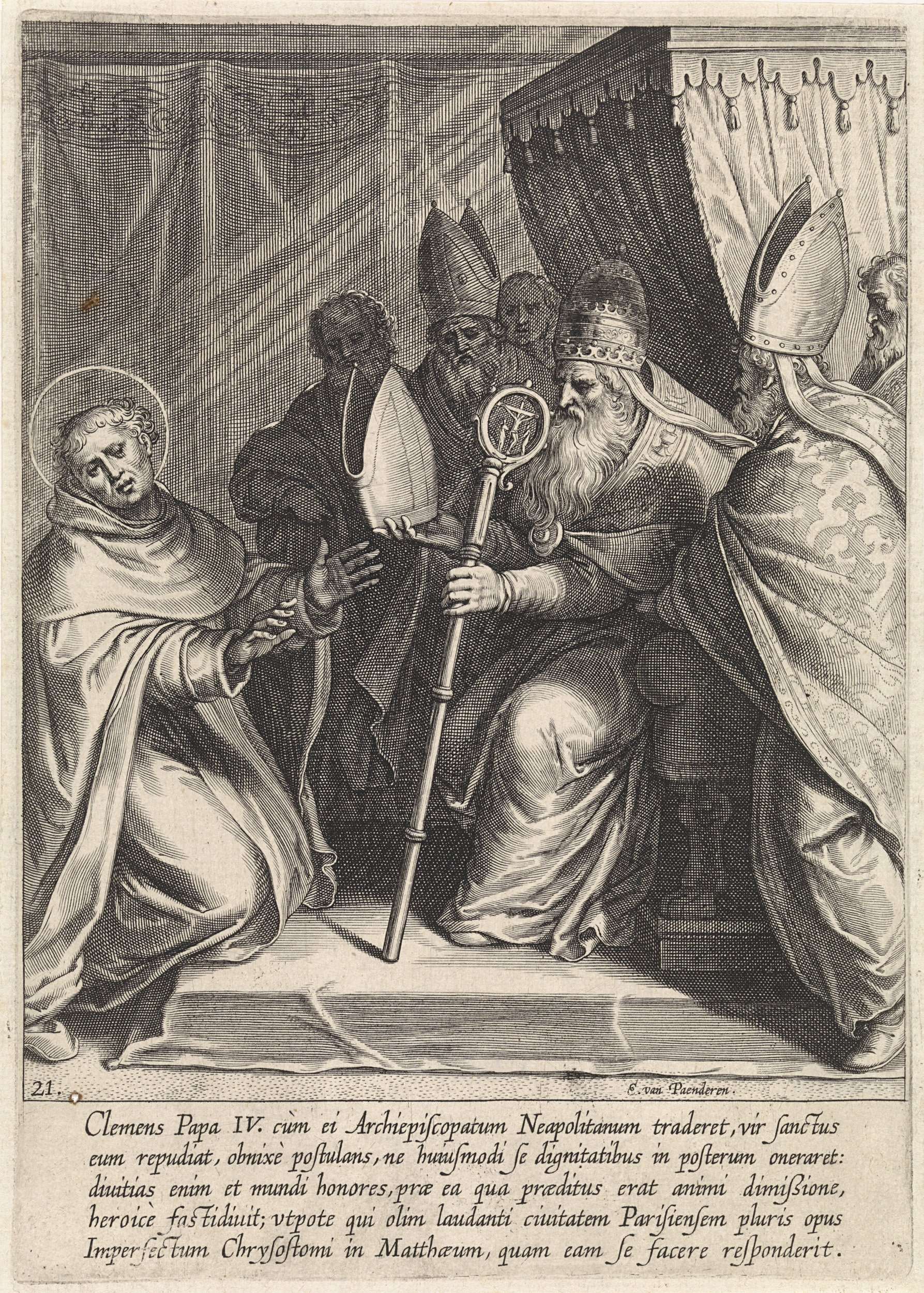 Painting
Secondary source
Thomas Aquinas Refuses the Archbishopric of Naples
1610
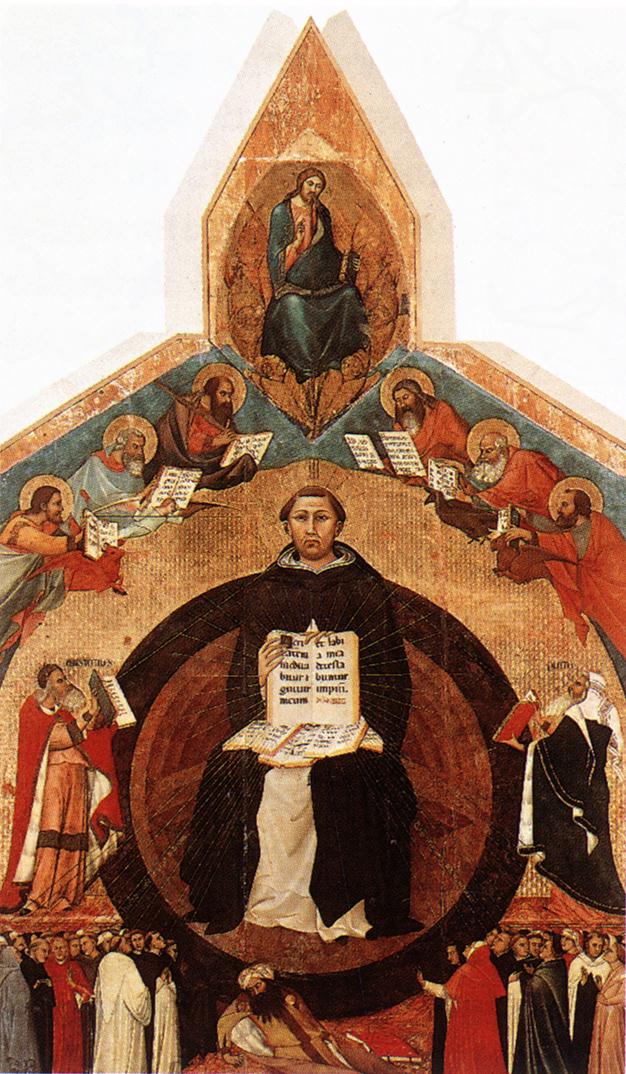 Painting
Secondary source
Triumph of Saint Thomas Aquinas
Lippo Memmi · 1340
Ready when you are
Start chatting with Saint Thomas Aquinas now.
20 messages free · No credit card · Available in 50+ languages.